
Shey
Destination in Ladakh
Shey is a historic village set in the upper Indus River valley of Ladakh, located just southeast of Leh. Once the summer capital of the Ladakhi kings, it is renowned for the ruins of Shey Palace and its monumental copper-gilt Buddha statue. Travellers visit Shey to wander through its quiet agricultural lanes, take in panoramic valley views, and experience the region's ancient royal heritage away from busier towns.
Getting there
About Shey
Written with AI from map data and general knowledge. Check prices and timings locally before you go.
About Shey and its royal past
Shey was once the ancient seat of power in the upper Indus valley, serving as the summer capital of Ladakh for generations before the royal court relocated permanently to Leh. Set against a backdrop of barren scree mountains and looking out across willow groves fed by glacier-melt streams, the village preserves an atmosphere of quiet historical depth. Scattered across the surrounding slopes are ancient chortens, crumbling watchtowers, and weathered mud-brick foundations that attest to its role as a strategic fortress guarding the trade corridors between Central Asia and northern India.
The heart of the village revolves around the Shey Palace complex, constructed during the seventeenth century under King Deldan Namgyal in memory of his father, King Singge Namgyal. Unlike the larger, multi-tiered palaces built later in Leh, Shey retains an austere, rugged architectural character that blends into the craggy rock spur upon which it stands. Even after royal authority moved north, Shey maintained its spiritual prestige, drawing lamas, pilgrims, and travellers across the centuries.
Things to see and do in Shey
The primary highlight of the village is Shey Gompa, located inside the upper precinct of the palace complex. The monastery enshrines a three-storey-tall statue of Shakyamuni Buddha, crafted out of beaten copper plates gilded with real gold. Master coppersmiths from Nepal were brought to the valley to build this sacred figure, which is noted for its tranquil expression and fine metallurgy. The temple room is kept dim, illuminated primarily by butter lamps that cast a soft glow against antique wall murals portraying the life of the Buddha.
Beyond the palace complex, travellers can take peaceful walks through the lower village pathways. Near the main road, large roadside boulders feature ancient rock reliefs of the five Dhyani Buddhas, dating back hundreds of years. The village itself is interlaced with narrow irrigation channels lined with tall poplars and wild seabuckthorn shrubs. During the warmer months, the surrounding marshes and streams attract a variety of Himalayan and migratory birds, making early morning strolls along the fields a rewarding experience.
Read more
Places to visit around Shey
Shey occupies a convenient central position in the Indus valley, putting several major monastic and cultural landmarks within easy reach. A short drive further south brings you to Thiksey Monastery, a twelve-storey hillside complex renowned for its striking visual resemblance to the Potala Palace of Lhasa. Thiksey is celebrated for its towering Maitreya Buddha statue and evocative morning prayer gatherings, which can easily be combined with an outing to Shey.
Across the river stands Stakna Monastery, perched on an isolated hill resembling a floating ship, where visitors can enjoy expansive views over the braided channels of the Indus. Further south lies Hemis Monastery, the largest monastic institution in Ladakh, concealed inside an arid mountain gorge. Travellers heading back towards Leh can also stop at Sindhu Ghat, a paved riverbank promenade that offers a peaceful place to sit by the water and watch the evening light hit the jagged peaks of the Stok range.
Best time to visit Shey
The most comfortable window to visit Shey runs from late May to early October. During these months, the high mountain passes connecting Ladakh to the rest of the country are free of snow, days are warm and dry, and village farms are vibrant and green. July and August bring mild daytime weather, making it pleasant to climb the stone stairways of the palace and explore the valley footpaths.
By late September, temperatures drop noticeably, but the valley undergoes a dramatic seasonal shift as poplar and willow groves turn bright yellow and orange. The skies during autumn remain remarkably clear, providing sharp visibility across the surrounding mountain chains. The winter months from November through April bring intense sub-zero cold, freezing winds, and heavy snow on surrounding passes. While Shey can be reached from Leh year-round, winter travel requires specialized thermal gear and careful planning for reduced services.
How to reach Shey
Shey is situated roughly fifteen kilometres southeast of Leh along the primary highway through the Indus valley. The fastest way to arrive from outside Ladakh is by flying into Kushok Bakula Rimpochee Airport in Leh, which connects to major domestic hubs such as Delhi. From Leh town or the airport, Shey is accessible via a thirty to forty-minute drive by private vehicle or local taxi.
Local shared transport, including mini-buses and utility vans running along the Leh-Choglamsar-Karu route, regularly pass through Shey and drop passengers along the main road beneath the palace. If you travel overland via the Manali-Leh or Srinagar-Leh highway, your trip will bring you directly into Leh before you make the short journey to Shey. Because the village sits at an elevation of over 3,400 metres, travellers arriving by air should dedicate their first two full days in the region to absolute rest in order to acclimatize before walking up to the monastery.
Tips for your visit
High-altitude environments demand careful physical care and respect for local traditions. The thin air increases solar radiation, so a broad-brimmed hat, polarized sunglasses, and strong sunscreen are necessary during daytime walks. Drink water frequently throughout the day to prevent altitude sickness and manage the desert dryness, and take your time climbing the steep rocky steps up to the palace.
When entering Shey Gompa and its inner shrines, remove your shoes and ensure your shoulders and knees are covered. Walk around chortens and prayer wheels in a clockwise direction, and avoid disturbing monks during prayers or rituals. Photography is often restricted inside the main sanctum, so always check with the temple caretakers before taking pictures. Finally, carry your plastic waste back with you, as rural disposal systems in high-altitude villages are limited.
Where to stay in Shey
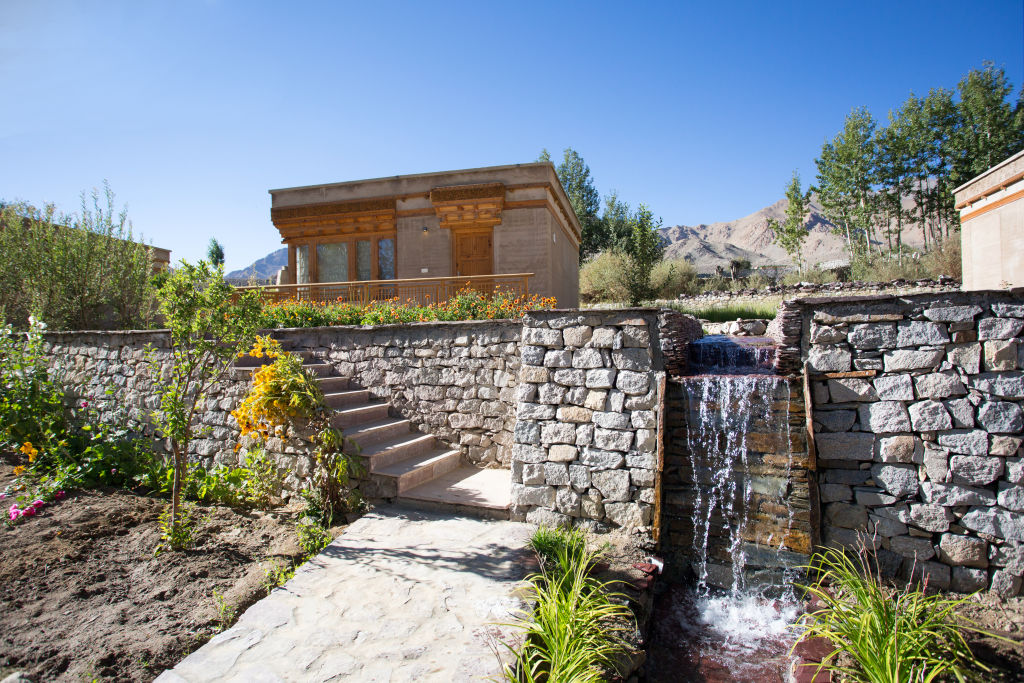
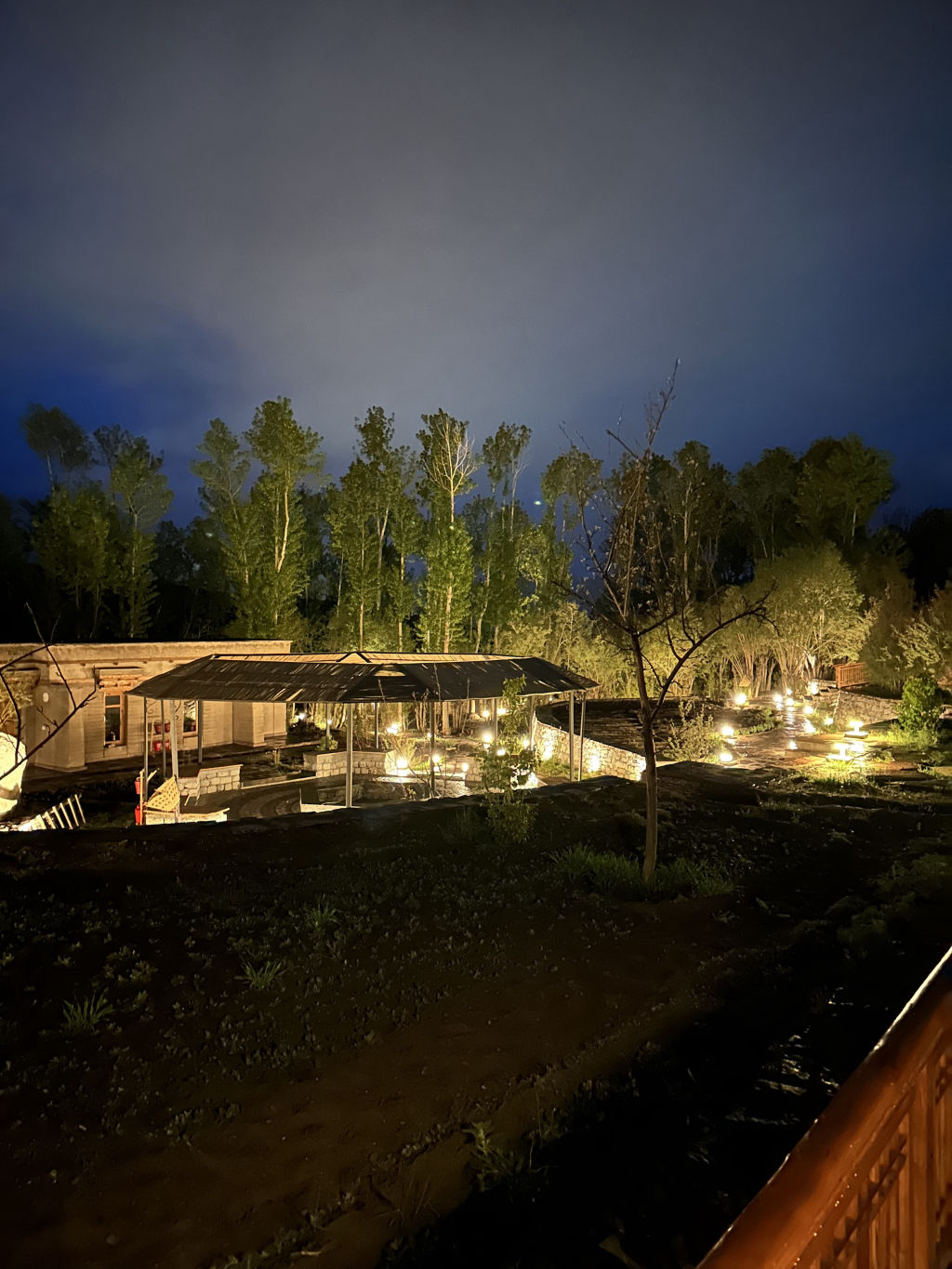
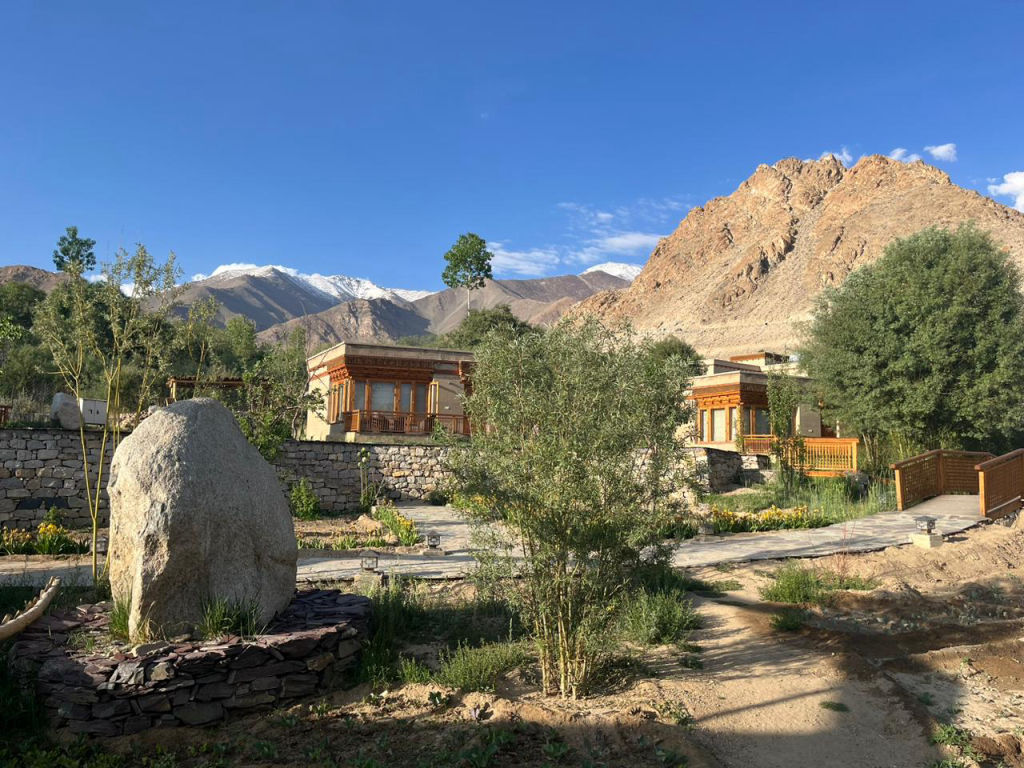
Staying in Shey provides a peaceful, authentic village atmosphere that serves as a quiet alternative to the bustling tourist markets of Leh. Mornings in the village begin with temple bells, bird calls, and the gentle flow of irrigation streams through poplar-lined fields. Accommodations in and around the village include traditional homestays where travellers can stay with local Ladakhi families and enjoy home-cooked meals prepared with garden-grown vegetables.
There are also nature-focused campsites and outdoor retreats scattered along the Indus floodplains near Shey, giving visitors the chance to sleep under wide Himalayan skies with clear views of the mountains. A selection of experiential homestays, village stays, and riverside camping spots around Shey and the surrounding valley can be found and booked directly on HireACamp.
Frequently asked questions
What is Shey known for?
Shey is best known for the historic Shey Palace, its seventeenth-century monastery, and a three-storey-tall copper-gilt statue of Shakyamuni Buddha.
How far is Shey from Leh?
Shey is approximately fifteen kilometres southeast of Leh and takes roughly thirty to forty minutes to reach by car or local taxi along the valley highway.
Do I need to acclimatize before visiting Shey?
Yes, Shey sits at an altitude of over 3,400 metres, so travellers flying into Ladakh should spend at least two full days resting in Leh to acclimatize before attempting uphill climbs.
Can Shey be visited during winter?
Shey can be visited in winter as local valley roads remain open, but temperatures drop well below freezing and visitors must be prepared for severe high-altitude cold.
Are there places to eat in Shey?
Shey has a handful of small seasonal tea stalls and roadside eateries serving simple snacks, tea, and local fare, with larger restaurants available in nearby Leh and Thiksey.
Where you'll be
3 stays nearby shown with prices
Stays near Shey
Book a place to stay close by
Things to do in Shey
48 places creators recommend within 30 km
Built from 0 Instagram posts by 0 creators. Every tip links back to the post it came from, and where creators disagree we show both sides.






