
Soyibug
Destination in Jammu and Kashmir
Soyibug is a lively settlement in the Budgam district of Jammu and Kashmir, set amidst the fertile flatlands of the central Kashmir valley. Located just west of Srinagar and moments away from prime wetland reserves, it offers travellers an unhurried look into rural Kashmiri life, pastoral landscapes, and traditional craft traditions. Visitors often use the town as a peaceful rural base to explore nearby bird sanctuaries, ancient archaeological ruins, and the historic quarters of central Kashmir.
Getting there
About Soyibug
Written with AI from map data and general knowledge. Check prices and timings locally before you go.
Understanding Soyibug and its setting
Soyibug sits in the central Kashmir basin, characterized by expansive agricultural fields, apple orchards, and waterways feeding toward the Jhelum river network. It is one of the larger habitations in Budgam district, retaining a quiet agrarian rhythm despite its proximity to the urban fringes of Srinagar.
The town and its surrounding hamlets have deep ties to traditional rural crafts, notably wicker willow basket weaving and artisanal embroidery that have sustained valley households for generations. Life here moves to the rhythm of seasonal crop cultivation, with rows of willows and poplars outlining field boundaries and providing wood for both crafts and local construction.
Walking through the residential lanes reveals classical regional architecture, from brick-and-timber homesteads to small neighbourhood prayer halls. Unlike heavily commercialized resort stations in Kashmir, Soyibug provides an authentic look at daily community life in the valley.
Birdwatching and wetlands near Soyibug
One of the standout natural highlights close to Soyibug is the Hokersar wetland complex, located only a few kilometres to the north. Hokersar is often referred to as the queen of wetlands in Kashmir and serves as an indispensable corridor for migratory waterfowl travelling along the Central Asian Flyway.
Every autumn and winter, tens of thousands of birds descend upon Hokersar, including mallards, common teals, northern pintails, shovellers, and greylag geese. The vast reed beds and open waters provide vital feeding and roosting grounds, making the area a critical ecological zone in the valley.
Travellers visiting from Soyibug can spend peaceful mornings observing these avian visitors along the fringes of the wetland. The early morning mist rising off the marshland water, set against the backdrop of distant snow-capped mountains, creates exceptional opportunities for nature enthusiasts and landscape photographers.
Read more
Heritage and historical sites nearby
The strategic location of Soyibug places it within easy reach of several prominent cultural landmarks. Just a short drive south brings you into Budgam town, home to the Markazi Imambargah, a major centre of spiritual gathering featuring intricate regional wooden craft and expansive prayer spaces.
To the north lies Parihaspore, an archaeological wonder perched atop a plateau. Built during the eighth century by King Lalitaditya Muktapida of the Karkota dynasty, Parihaspore was once a grand capital city featuring monumental stone temples and Buddhist stupas. Today, the massive carved stone blocks strewn across the plateau offer visitors a poignant glimpse into the classical architectural power of ancient Kashmir.
Heading east leads directly into Downtown Srinagar, where centuries of history remain alive. Visitors can explore the timber architecture of Aali Masjid, the stone-built Pathar Masjid commission by Empress Nur Jahan, the venerated shrine of Dastgeer Sahib, and the historic riverside tomb of Zain-ul-Abidin's mother. These landmarks capture the depth of Kashmir's spiritual and architectural evolution.
Best time to visit Soyibug
Soyibug experiences four distinct seasons, each offering a distinct perspective on the valley's landscape. The period from April to October is generally the most pleasant for casual sightseeing, walking through village paths, and venturing out into the surrounding district.
Spring, spanning April and May, brings fresh green shoots across the fields and fruit trees in heavy bloom. Summer from June to August provides warm, sunny days tempered by cool breezes in the evenings, making it ideal for outdoor movement without the severe heat experienced across the northern plains of India.
Autumn arrives in September and October, turning the willow and poplar trees into shades of gold and amber. This season coincides with the harvesting of crops and the arrival of the first winter birds at Hokersar. For birdwatchers, the cold months from November to February are the premier window to observe vast flocks of migratory waterfowl, though travellers should come prepared for freezing temperatures and occasional snow.
How to reach Soyibug
Soyibug is located within comfortable driving distance of Srinagar, making it readily accessible for road travellers. Sheikh Ul-Alam International Airport in Srinagar is the nearest air hub, situated approximately 15 to 20 kilometres away depending on the route taken. Taxis and private cabs can easily be arranged from the airport.
For those travelling by rail, the nearest operational railway stations are Budgam and Srinagar on the Kashmir Valley railway network. These stations connect local commuter routes within the valley, linking south toward Banihal. Travellers arriving from outside the valley by rail typically disembark at Jammu Tawi or Udhampur and continue their journey by road.
Local shared cabs, minibuses, and private taxis regularly connect Soyibug with Budgam town and the main bus terminals in Srinagar. The roads traverse flat valley terrain, though travellers should account for moderate local traffic when passing through neighbouring transit points.
Tips for your visit
Because Soyibug is a residential and rural area rather than a tourist enclave, dressing conservatively is respectful of local customs. Long sleeves and modest attire are recommended when walking through the village or visiting nearby religious and heritage shrines.
Cash remains the most dependable method for small daily purchases at local shops, as digital payment connectivity can be inconsistent in rural pockets. Visitors should also carry valid identification documents, as security checkposts are common across transport routes throughout the valley.
If you plan to visit the wetlands near Hokersar, carry a dependable pair of binoculars and waterproof footwear, as trails along marsh edges can become soft and muddy. Early morning visits offer the best light and the highest bird activity.
Where to stay around Soyibug
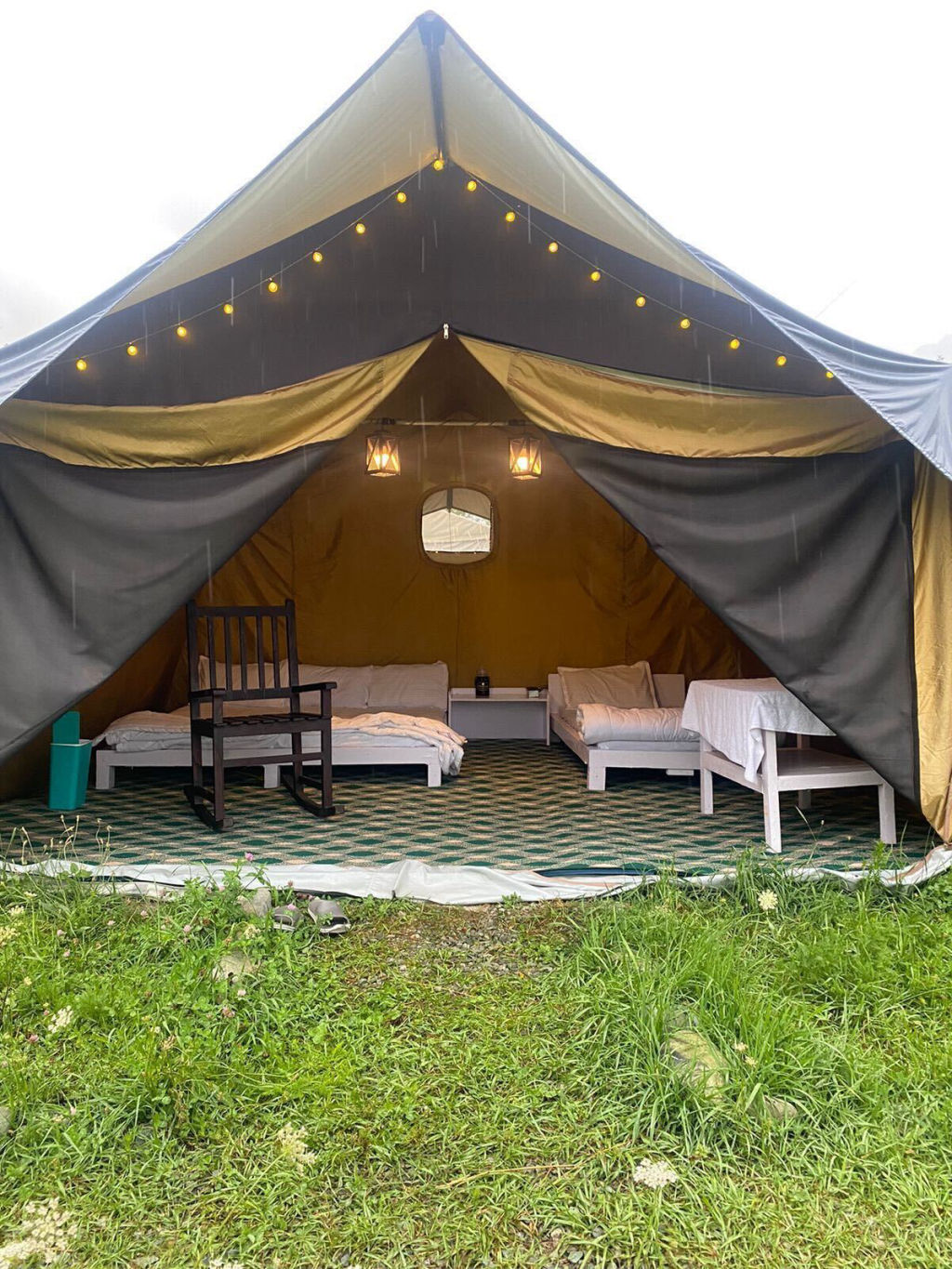
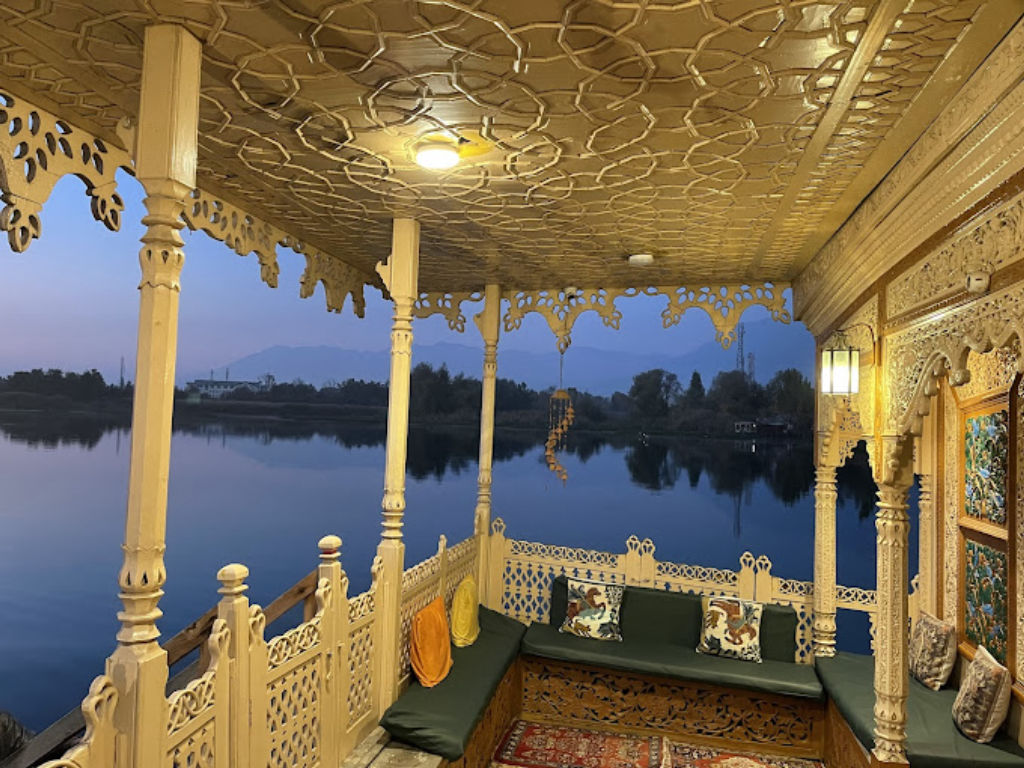
Accommodation directly inside Soyibug is modest and largely geared toward authentic village life. Travellers seeking an immersive rural escape can find homestays and regional guesthouses in the surrounding countryside and nearby Budgam.
For those who prefer a wider range of amenities, staying on the western fringes of Srinagar provides a balanced option, combining quiet rural access with city comforts. Camping experiences, boutique stays, and rural homestays across Jammu and Kashmir can be discovered and reserved through HireACamp.
Choosing a stay in this part of the valley allows you to wake up to peaceful countryside mornings, well away from heavy city corridors while remaining within short driving distance of major heritage sites.
Frequently asked questions
Which district is Soyibug located in?
Soyibug is located in the Budgam district of Jammu and Kashmir, positioned just west of the summer capital, Srinagar.
What is the primary natural attraction near Soyibug?
The Hokersar wetland and bird sanctuary, located just a few kilometres away, is the premier natural attraction, famous for hosting vast flocks of migratory birds each winter.
How far is Soyibug from Srinagar airport?
Soyibug is roughly 15 to 20 kilometres from Srinagar's Sheikh Ul-Alam International Airport, typically taking under an hour to reach by road.
What historic ruins can be visited near Soyibug?
The ancient eighth-century ruins of Parihaspore, the capital built by King Lalitaditya, are located within roughly 10 kilometres of Soyibug.
What is the best season for birdwatching around Soyibug?
The best season for birdwatching is from late October through February, when migratory waterfowl arrive in large numbers at the nearby Hokersar wetland.
Where you'll be
2 stays nearby shown with prices
Stays near Soyibug
Book a place to stay close by
Things to do in Soyibug
48 places creators recommend within 30 km
Built from 0 Instagram posts by 0 creators. Every tip links back to the post it came from, and where creators disagree we show both sides.






