
Pathar Masjid
Mosque near Nowhatta, Jammu and Kashmir
900 m from Nowhatta
The nearest town, for stays, food and fuel.
Pathar Masjid is a seventeenth-century Mughal monument situated in the historic downtown area of Srinagar, Jammu and Kashmir. Built along the banks of the Jhelum River, it stands out from the wooden architecture typical of the Kashmir Valley because it was constructed entirely from local grey limestone. Travellers visit to study its distinctive Mughal stone craftsmanship and to experience a quieter, contemplative chapter of Srinagar's royal heritage.
Getting there
By road
- From NowhattaNearest town6 min · 1.6 km
Typical drive times without traffic. Stations and airports from OLA Maps; distances and typical drive times from OpenStreetMap (© OpenStreetMap contributors); notes from creators' Reels.
About Pathar Masjid
Written with AI from map data and general knowledge. Check prices and timings locally before you go.
Introduction to Pathar Masjid
Pathar Masjid, translating literally to Stone Mosque, occupies a notable place in the architectural history of Kashmir. Situated on the western bank of the Jhelum River in the downtown neighbourhood known locally as Shahr-e-Khaas, this structure provides a stark contrast to the surrounding timber-and-brick cityscape. While the vast majority of medieval and Mughal-era shrines in the Valley rely on cedar woodwork, pinewood columns, and layered wooden spires, Pathar Masjid was executed completely in locally quarried stone.
The complex rests inside a walled compound that isolates it from the bustling bazaars of old Srinagar. Visitors stepping through its gateway find a quiet courtyard surrounded by manicured lawns and stone walkways. Its monumental scale and distinctive facade make it an essential stop for anyone wishing to understand the architectural footprint of Mughal royalty in northern India.
Architectural Design and Craftsmanship
The construction of Pathar Masjid is an authentic display of classical Mughal masonry tailored to regional materials. Built from polished grey limestone, the structure features twenty-seven vaulted bays supported by massive square stone pillars. The main central bay is taller than the flanking corridors, projecting outward with an impressive central archway.
The facade presents horizontal cusped arches that echo Mughal buildings found in Delhi, Agra, and Lahore, yet the heavy stone blocks give it an austere, enduring presence unique to the Valley. Unlike other valley shrines, the roof does not carry a tiered pagoda or wooden central spire; instead, it is supported by structural stone barrel vaults. The simplicity of the stone carvings, subtle mouldings, and balanced proportions reflect deliberate craftsmanship designed to endure centuries of harsh Himalayan winters.
Read more
History and Mughal Legacy
Pathar Masjid was commissioned in the early 1620s by Empress Noor Jahan, the influential wife of the Mughal Emperor Jahangir. Noor Jahan held a deep fondness for Kashmir, shaping several celebrated gardens and administrative works across the province. However, the history of Pathar Masjid is marked by local legend and historical nuance.
Tradition recounts that when the empress was asked about the expense of the stone construction, she casually pointed to her jewelled shoes to illustrate that the cost was negligible to the empire. The local clergy interpreted the remark as an act of vanity and deemed the monument unfitting for regular congregational prayers for an extended period. Over subsequent centuries, the building served varied administrative and community functions. Today, protected as a significant historic and religious landmark, Pathar Masjid continues to evoke interest for its association with one of the most powerful women in South Asian history.
Best Time to Visit Pathar Masjid
Srinagar experiences distinct seasons, each offering a different atmosphere around Pathar Masjid. Spring, spanning from April to May, brings pleasant daylight temperatures, blossoming flowers in the garden enclosure, and clear mountain air that makes walking through downtown lanes comfortable.
Summer between June and August is warmer but manageable, with the thick stone walls of the mosque maintaining a cool internal microclimate even during the peak of the afternoon heat. Autumn, lasting from September to November, brings crisp air and the famed golden hues of Chinar foliage across Srinagar, making it an exceptional season for outdoor sightseeing and photography. Winter, from December to February, presents freezing conditions and the possibility of snow blanketing the stone arches; visitors during these months should dress in heavy woollens and expect colder interiors due to the unheated stone floors.
How to Reach Pathar Masjid
Pathar Masjid is located along Pather Masjid Road in downtown Srinagar. Travellers arriving by air at Srinagar International Airport can take a taxi or hired vehicle into the city centre, from where downtown Srinagar is accessed via arterial bridges over the Jhelum.
Because the historic quarter features narrow roads, active markets, and lively local traffic, hiring an auto-rickshaw or taking a shared taxi to a nearby downtown intersection is often simpler than driving a personal car. Walking the final stretch through the heritage lanes offers a genuine look at traditional Kashmiri residential architecture, woodcarving workshops, and spice shops.
Visitor Tips and Etiquette
Because Pathar Masjid is a place of historical worship and quiet contemplation, visitors should dress modestly, ensuring shoulders and knees are covered. It is customary to remove your footwear before stepping onto the stone plinths and prayer halls, so wearing slip-on shoes can make your visit more convenient.
Photography of the architecture and grounds is generally permitted, but always be considerate of individuals who may be offering prayers or resting within the grounds. Because opening times and access can vary around local prayer hours and regional holidays, check locally before scheduling your visit. Exploring early in the morning or during mid-afternoon between prayer times tends to provide the most peaceful conditions for examining the masonry.
Places to Explore Nearby
A trip to Pathar Masjid pairs well with exploring the surrounding heritage sites of Old Srinagar. Just across the Jhelum River stands the celebrated Khanqah-e-Moula, one of the oldest wooden shrines in Kashmir, famous for its detailed paper-mache relief work and intricate pinewood joinery. Comparing the wooden richness of Khanqah-e-Moula with the stone austerity of Pathar Masjid provides an instructive contrast in Kashmiri building traditions.
Approximately two kilometres to the north lies the historic hill of Hari Parbat, crowned by a fortress and surrounded by historic shrines and temple complexes. Travellers can also explore the handicraft markets and emporiums located within two to three kilometres of the downtown district, where artisans produce pashmina shawls, walnut wood carvings, and woven carpets. River walks along the Jhelum embankments offer views of old wooden bridges and heritage houseboats that tell the story of medieval Srinagar.
Where to Stay in Srinagar
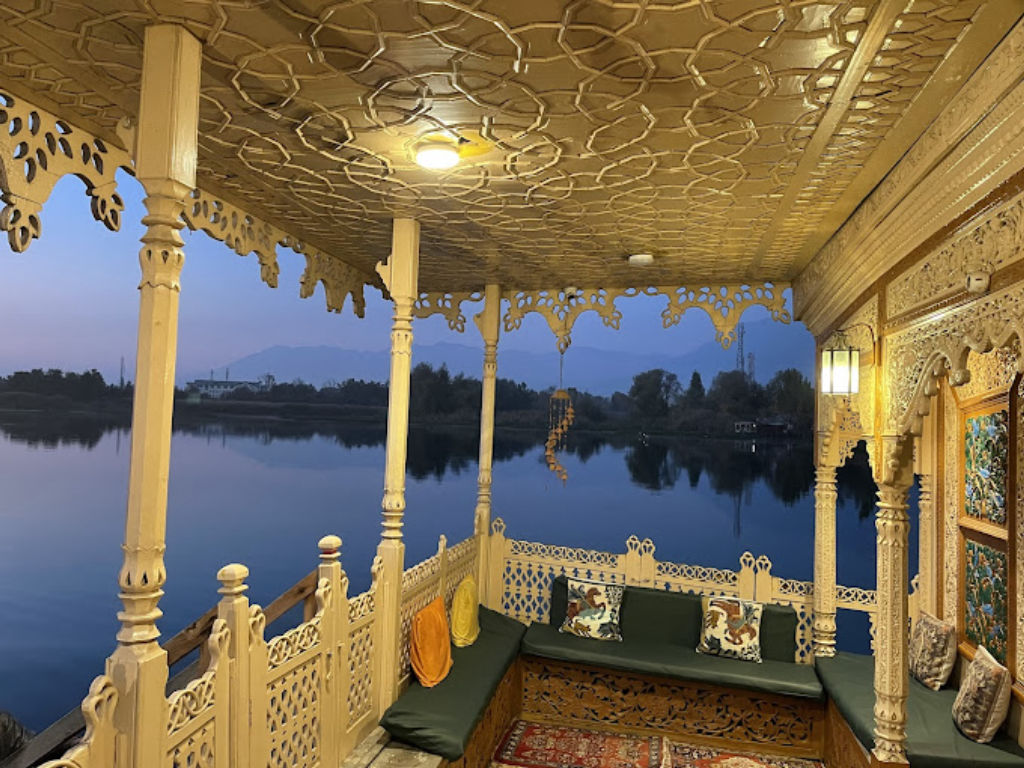
Srinagar offers a wide range of accommodation styles catering to different travel paces and preferences. For an atmospheric stay, many visitors choose historic houseboats moored along the quieter stretches of the waterways or traditional boutique guesthouses tucked into the city's residential neighbourhoods.
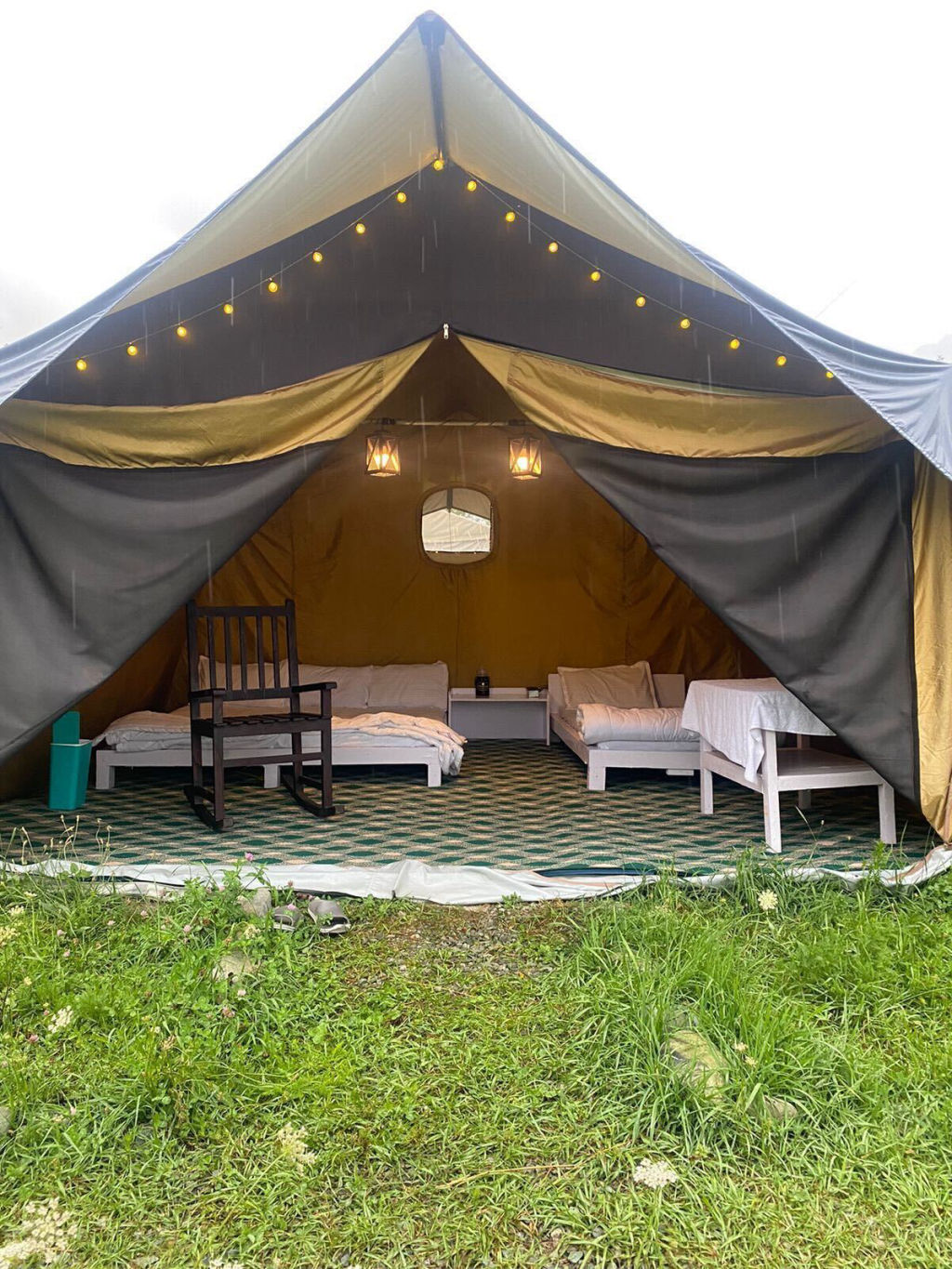
Travellers interested in outdoor experiences, scenic riverside escapes, and local homestays throughout Srinagar and the surrounding valleys of Jammu and Kashmir can explore options on HireACamp. Staying with a local host provides authentic insight into Kashmiri hospitality, traditional home-cooked cuisine, and convenient access to both downtown heritage trails and mountain excursions.
Frequently asked questions
Who built Pathar Masjid in Srinagar?
Pathar Masjid was commissioned in the 1620s by the Mughal Empress Noor Jahan, the wife of Emperor Jahangir, making it one of the rare Mughal monuments directly patronised by a female ruler in the Kashmir Valley.
Why is Pathar Masjid different from other mosques in Kashmir?
Unlike the majority of Kashmiri mosques and shrines, which are built primarily from deodar cedar and brick with tiered wooden spires, Pathar Masjid was constructed entirely out of local grey limestone using classical Mughal vaulted arches.
Is there an entry fee to visit Pathar Masjid?
There is generally no formal entry fee to access Pathar Masjid, but visitors should verify visiting protocols and access times locally when planning their visit.
How do I reach Pathar Masjid from central Srinagar?
You can reach Pathar Masjid by hiring a local taxi, auto-rickshaw, or taking local transport toward downtown Srinagar (Shahr-e-Khaas), walking the last section through the riverside market lanes.
What is the best time of day to explore Pathar Masjid?
Mornings and mid-afternoons between scheduled prayer times are ideal, as the courtyard is quiet and the natural daylight accentuates the grey limestone arches and stonework.
Where you'll be
Pather Masjid Rd, Srinagar · 2 stays nearby shown with prices
Stays near Pathar Masjid
Book a place to stay close by
More places near Pathar Masjid
Within 20 km
Built from 0 Instagram posts by 0 creators. Every tip links back to the post it came from, and where creators disagree we show both sides.






