
Dimbhe Dam
Dam near Ambegaon, Maharashtra
100 m from Ambegaon
The nearest town, for stays, food and fuel.
Dimbhe Dam is a large gravity dam built across the Ghod River near Ambegaon in Maharashtra. Set against the rolling backdrop of the Western Ghats, the reservoir draws day-trippers, campers, and road-trippers looking for wide open waters and quiet rural countryside. Its close proximity to Bhimashankar makes it a favored detour for pilgrims and nature enthusiasts alike.
Getting there
By road
- From Pune2 hr 35 min · 106 km
- From Mumbai 4 hr · 216 km
- From Nashik4 hr 5 min · 192 km
- From Surat9 hr 15 min · 434 km
Typical drive times without traffic. Stations and airports from OLA Maps; distances and typical drive times from OpenStreetMap (© OpenStreetMap contributors); notes from creators' Reels.
About Dimbhe Dam
Written with AI from map data and general knowledge. Check prices and timings locally before you go.
About Dimbhe Dam and its landscape
Dimbhe Dam is an essential irrigation and water supply reservoir constructed on the Ghod River in the Ambegaon taluka of Pune district. The structure impounds a vast expanse of fresh water that spreads across the base of the surrounding Sahyadri hills. While built primarily to support local agriculture and drinking water requirements in downstream rural areas, the reservoir has naturally evolved into a peaceful getaway for people traveling through the northern reaches of Pune district.
The landscape around Dimbhe Dam is defined by broad backwaters, terraced farmland, and forested ridge lines that rise sharply toward the Western Ghats crest line. Because the surrounding countryside is largely agrarian, visiting the reservoir offers an unhurried glimpse into rural life, with fishing boats on the water, cattle grazing along the grassy fringes, and quiet lakeside vantage points that remain uncrowded compared to popular hill station lakes.
Things to do around Dimbhe Dam
The primary appeal of Dimbhe Dam is its quiet, open atmosphere, making it well-suited for slow-paced outdoor pursuits. Many visitors come simply to drive along the access roads that trace the contours of the reservoir, stopping at scenic overlooks to watch the water and take in the cool breezes that funnel through the valley.
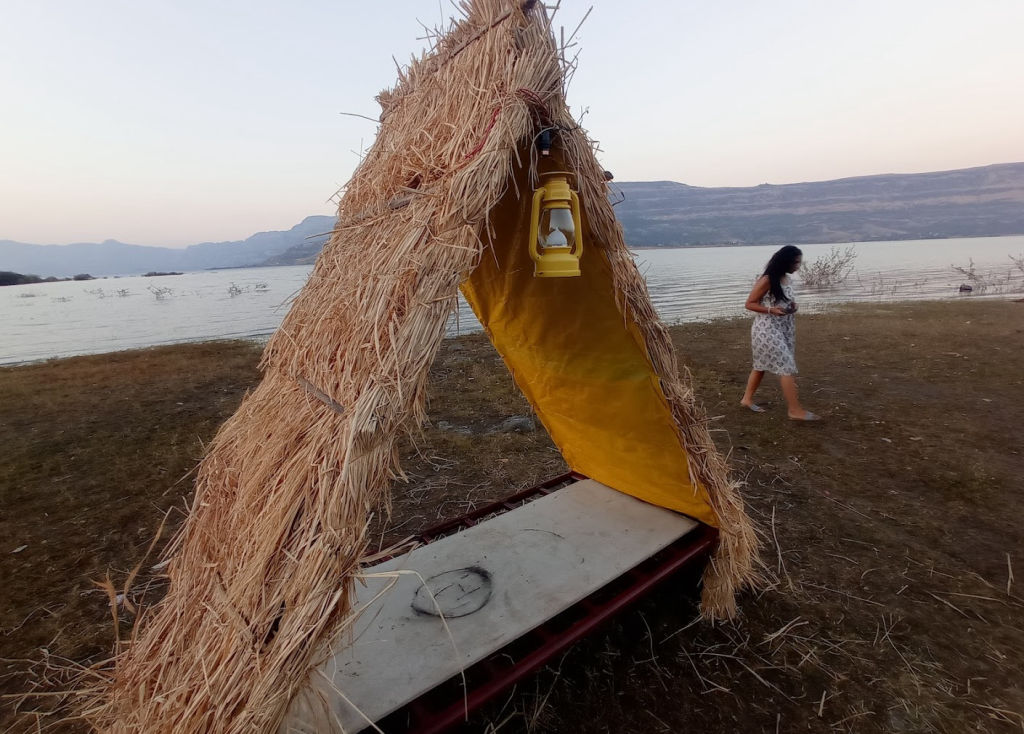
Birdwatching is rewarding, particularly along the marshy fringes and shallow inlets of the backwaters during the cooler months. You may spot kingfishers, herons, egrets, cormorants, and birds of prey hunting above the water. Photography enthusiasts will find picturesque vistas during the golden hours of sunrise and sunset, when the still surface of the dam catches the shifting colors of the sky. While recreational boating is not organized on a large scale, the quiet banks offer an idyllic setting for casual lakeside picnics, relaxing with a book, or pitching a tent under the night sky.
Read more
Best time to visit Dimbhe Dam
The atmosphere at Dimbhe Dam changes dramatically across the seasons, each bringing its own distinct appeal. The monsoon months, from late June through September, transform the surrounding terrain into deep shades of green. Clouds hover low over the peaks, the dam fills to capacity, and numerous seasonal waterfalls cascade down the hillsides feeding into the reservoir. Visiting during this time offers fresh weather and lush greenery, though visitors should exercise caution along water edges and be prepared for frequent, heavy showers.
The post-monsoon and winter period, extending from October to February, provides the most comfortable weather for camping and exploring. Days are sunny with mild temperatures, while nights can become surprisingly cool due to the valley breezes. The waters remain expansive and clear, and birdlife is at its most active. By late spring and summer, from March to May, temperatures rise considerably and the water level recedes, exposing wide stretches of the lakebed. While warm during midday, evenings near the water often bring a welcoming drop in temperature.
How to reach Dimbhe Dam
Dimbhe Dam is situated in the Ambegaon region of Maharashtra, roughly midway between Pune and the crest of the Western Ghats. It can be accessed comfortably by private car, taxi, or motorcycle from major urban centers in the state.
Travelers driving from Pune generally take the Pune-Nashik highway route towards Manchar or Narayangaon before heading west along state roads that lead directly toward Ambegaon and the dam. The drive passes through scenic sugarcane fields and countryside. Those arriving from Mumbai often travel via Kalyan, Murbad, and Malshej Ghat, or ascend through the ghat routes connecting to Junnar and Ambegaon. State transport buses run regular services connecting Pune and nearby transit towns like Manchar and Junnar to regional villages near the dam. From local stops, short journeys can be completed using shared auto-rickshaws or rural jeeps.
Places to visit near Dimbhe Dam
The area surrounding Dimbhe Dam is rich in historical forts, ancient cave monuments, and renowned religious sites. Just a short journey up into the hills lies the revered Bhimashankar Temple, one of the twelve Jyotirlingas, situated within the dense evergreen canopy of the Bhimashankar Wildlife Sanctuary. The sanctuary is also famous as the habitat of the Indian Giant Squirrel.
History and trekking lovers can explore Shivneri Fort near Junnar, the historic birthplace of Chhatrapati Shivaji Maharaj, along with the ancient Buddhist rock-cut caves of Shivneri and Tulja nearby. Further north and west along the Sahyadri range, demanding trekking routes and dramatic cliffs await at Gorakhgad, Kothaligad, and Harishchandragad. For those who enjoy reservoir landscapes, nearby water bodies like Wadaj Dam, Manikdoh Dam, and Ambit Dam present additional quiet spots along scenic backroads.
Tips for your visit
Dimbhe Dam is a functional public irrigation asset rather than a developed commercial resort. As such, basic preparation will make your outing much smoother. Wear sturdy walking shoes if you plan to walk along the embankments or explore the rocky lake margins, as the red soil can become slick during the rains and uneven in drier months.
Amenities immediately adjacent to the dam are basic. It is wise to carry your own drinking water, snacks, and any personal supplies you might need, especially if you plan to spend several hours by the water. There are local roadside stalls and village shops in Ambegaon and nearby settlements offering simple tea and regional snacks, but choices are limited. Always heed local warnings regarding water safety; swimming is generally discouraged due to deep silt and unpredictable currents. Lastly, be mindful of the environment and take all your plastic waste and trash back with you to keep the lake clean.
Where to stay near Dimbhe Dam
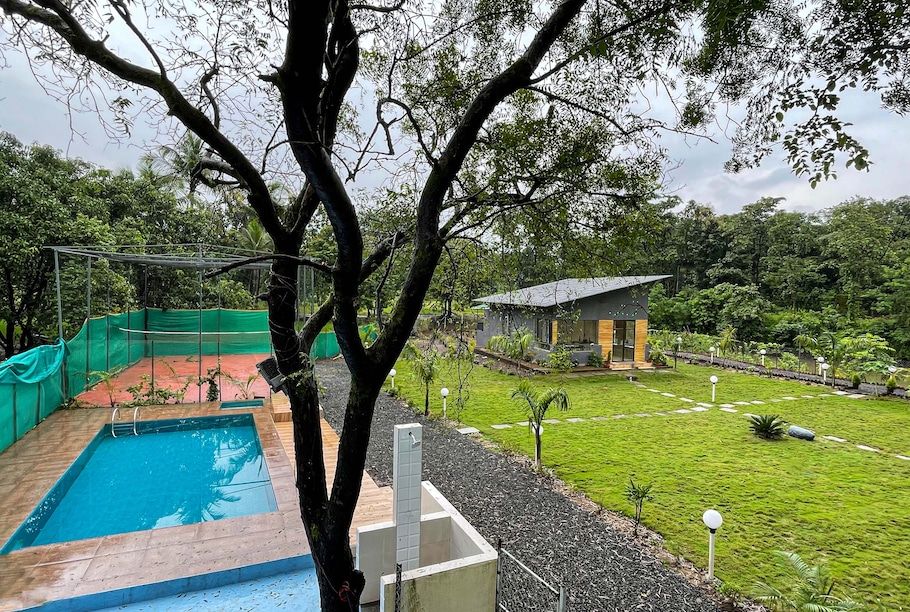
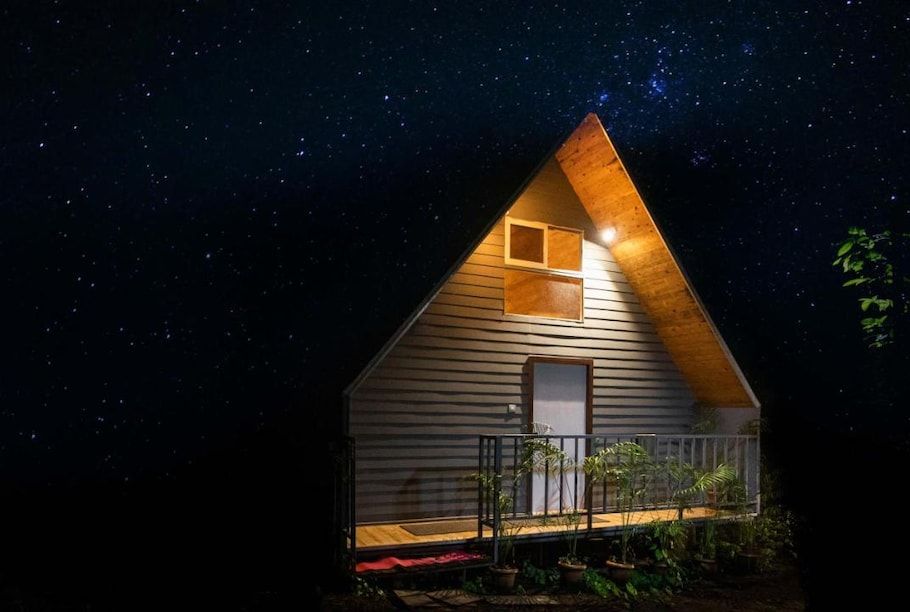
Because Dimbhe Dam sits in an unspoiled rural valley, overnight accommodation right on the water tends to focus on nature stays and outdoor experiences. Camping along approved sites by the reservoir backwaters is especially popular during the post-monsoon and winter months, providing a clear view of the night sky free from urban light pollution.
For those who prefer a solid roof, rustic homestays and rural cottages are dotted around Ambegaon and the approach roads leading toward Bhimashankar. You can find well-curated campsites, homestays, and outdoor stays around Dimbhe Dam on HireACamp. For travelers looking for standard lodge facilities or hotel rooms, the nearby taluka hubs such as Manchar, Narayangaon, and Junnar offer convenient town bases with straightforward access to the dam.
Frequently asked questions
Where is Dimbhe Dam located?
Dimbhe Dam is located across the Ghod River in Ambegaon taluka in the Pune district of Maharashtra, India.
Can you swim in the waters of Dimbhe Dam?
Swimming in the dam reservoir is not recommended due to deep silt, sudden drop-offs, and strong undercurrents. Visitors are advised to enjoy the view from safe spots along the shore.
Is Dimbhe Dam close to Bhimashankar?
Yes, Dimbhe Dam lies along the lower route leading up toward the Bhimashankar Temple and its surrounding wildlife sanctuary, making it an easy combined day trip.
What is the best time of year to visit Dimbhe Dam?
The ideal time to visit is from July through February. The monsoon brings overflowing waters and green hills, while the winter months offer cool, clear weather suited for day picnics and camping.
Are there food stalls or restaurants at Dimbhe Dam?
There are only small roadside tea stalls and village shops nearby. For broader dining choices, visitors should stop at nearby transit towns like Manchar or Junnar.
Where you'll be
Ambegaon, MH · 4 stays nearby shown with prices
Stays near Dimbhe Dam
Book a place to stay close by

More places near Dimbhe Dam
Within 20 km


Lists for this area
Ranked by how many creators recommend each place


Built from 0 Instagram posts by 0 creators. Every tip links back to the post it came from, and where creators disagree we show both sides.






