Monuments near Manesar
This guide highlights historic monuments near Manesar, spanning medieval sultanate architecture, Mughal garden tombs, and regional memorials across southern Delhi and Haryana. Situated within an easy drive of the industrial hub, these sites suit weekend travellers, architecture admirers, and history enthusiasts looking for meaningful day trips. The list is continuously updated based on recommendations from independent travel creators.
Top picks among monuments near Manesar
A short drive from Manesar takes travellers into historic quarters rich with grand architecture. Among the most recommended sites is Safdarjung Tomb, situated about 37 km away in New Delhi. Known as the last grand garden tomb of the Mughal empire, this eighteenth-century mausoleum features an imposing sandstone dome, ornate plasterwork, and sprawling geometric gardens. Visiting during the golden hour before sunset offers pleasant light across its central facade and reflective water features.
Another prominent stop in the vicinity is Qutb Minar, located roughly 31 km from Manesar in Mehrauli. This towering medieval minaret is built of fluted red sandstone and marble, anchoring a UNESCO World Heritage complex that contains ancient mosque ruins and the historic rust-resistant Iron Pillar. Nearby on a rocky knoll stands Ahinsa Sthal, a peaceful Jain monument dedicated to Lord Mahavira, featuring an impressive seated stone statue framed by tranquil greenery.
Within South Delhi's Deer Park in Hauz Khas, roughly 34 km from Manesar, lies Bagh-I-Alam Ka Gumbad. Dating back to the fifteenth-century Lodi dynasty, this ornate stone tomb features classic medieval masonry and fragments of decorative tiles, surrounded by open parkland frequented by heritage walkers and morning joggers.
Lesser-known gateways and memorials
Beyond the prominent Delhi landmarks, the regions bordering Manesar feature distinctive local monuments. Dayaram ki Chhatri, located around 28 km from Manesar, is an ornate stone cenotaph built in traditional North Indian style with decorative pillars and an elevated dome, commemorating a regional agrarian figure.
In western Delhi's Najafgarh area, about 29 km away, Delhi Darwaza remains as a late-Mughal gateway from the settlement's days as a fortified outpost. Heading southwest into Haryana, the town of Jhajjar houses another historic entry point known as Delhi gate, which reflects the historic transit routes between provincial settlements and the capital.
Those interested in military and freedom history can travel toward Rewari to visit the Rezang La War Memorial, roughly 37 km from Manesar, which honors soldiers from the 1962 conflict. Along the western highway corridor near Tikri Kalan, Azad Hind Gram pays tribute to Netaji Subhas Chandra Bose and the Indian National Army, while the Salt March Statue in central New Delhi offers an expressive bronze depiction of Mahatma Gandhi's 1930 march.
Best time to visit
The monuments around Manesar and Delhi are best visited between October and March. During these autumn and winter months, the North Indian plains experience cooler daytime temperatures, making outdoor exploration of open courtyards and garden complexes comfortable.
Summers from April to June bring extreme daytime heat with temperatures often surpassing 40 degrees Celsius, so outdoor sightseeing during midday is challenging. If visiting during warmer months, plan for early mornings or late afternoons. The monsoon months between July and September bring humid conditions and intermittent showers that revive the green lawns around garden tombs such as Safdarjung Tomb and Bagh-I-Alam Ka Gumbad.
Tips for your trip
Distances between Manesar and these monuments range between 28 km and 40 km, but driving times can vary significantly depending on traffic on national highways and city arterial roads. It is best to set out early in the morning to beat the commuter rush when heading toward South Delhi or central corridors.
Wear sturdy walking shoes because sites like Qutb Minar and Safdarjung Tomb require extensive walking over stone pathways, manicured lawns, and uneven steps. Carry drinking water and sun protection, especially on bright afternoons. Entry fees, photography rules, and daily opening hours vary by monument, and visitors should verify these details locally before arriving.
Where to stay
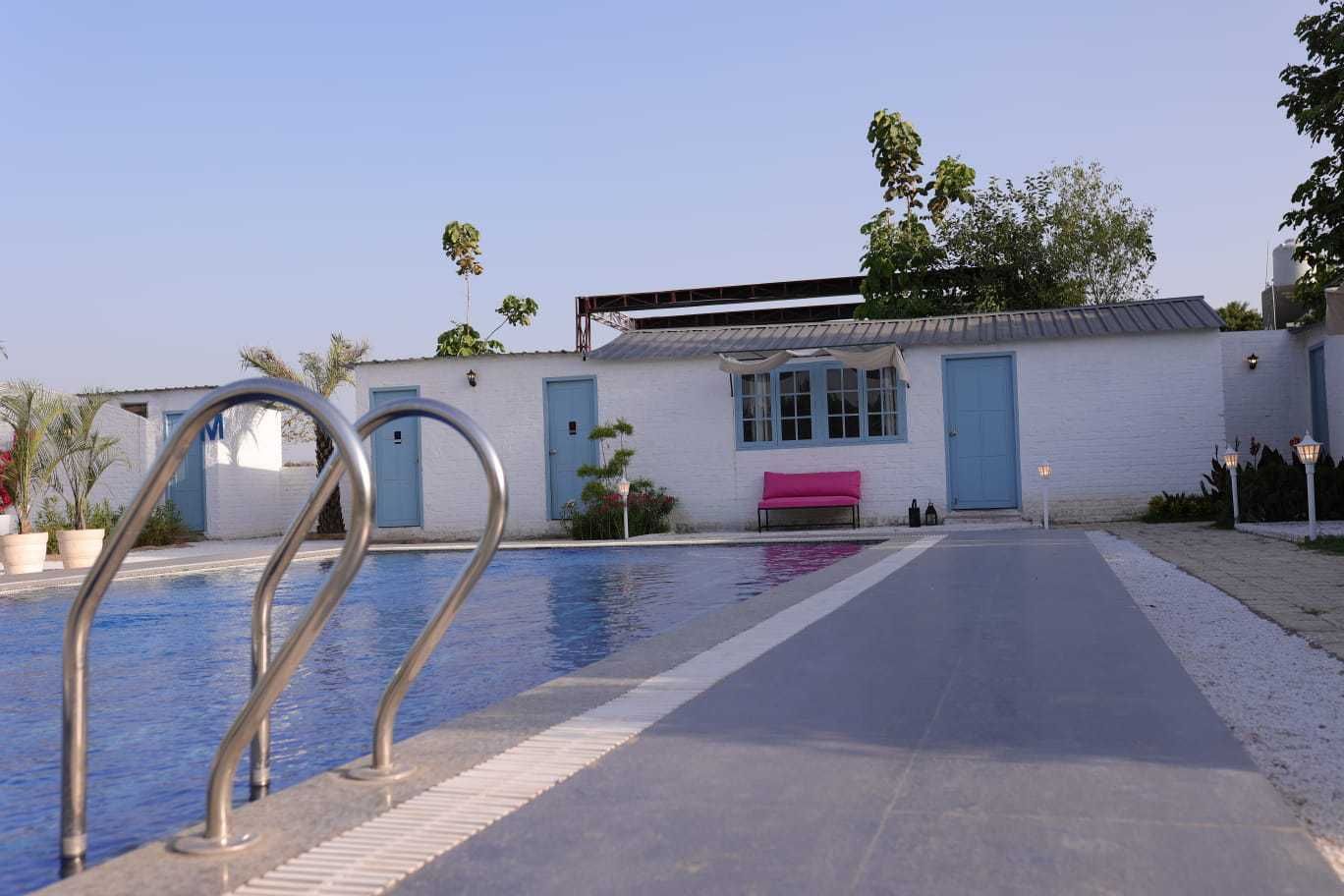
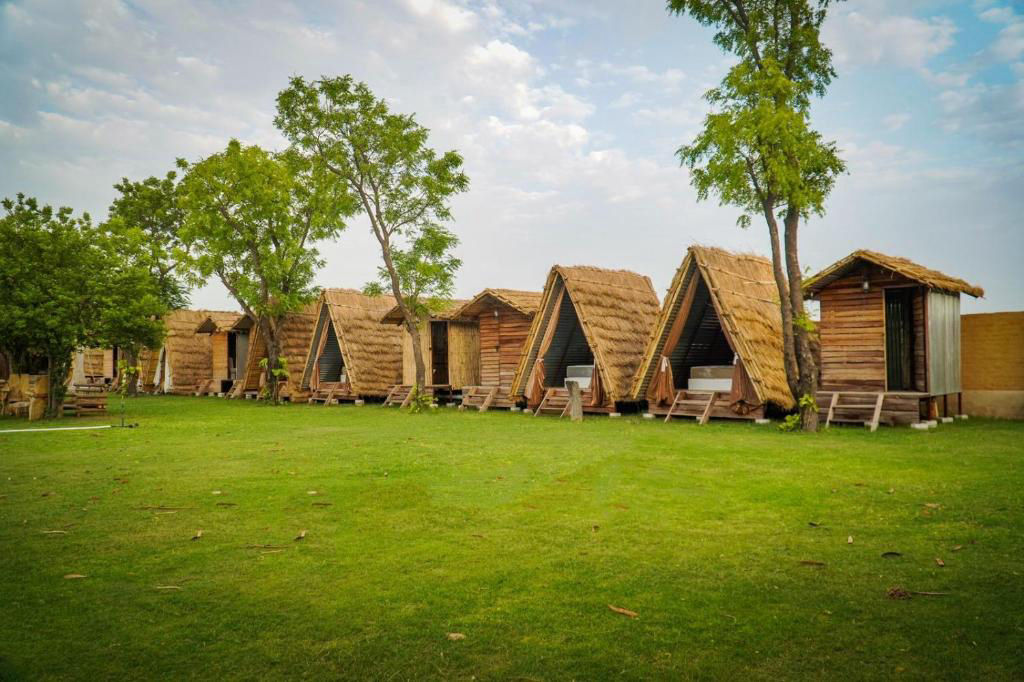
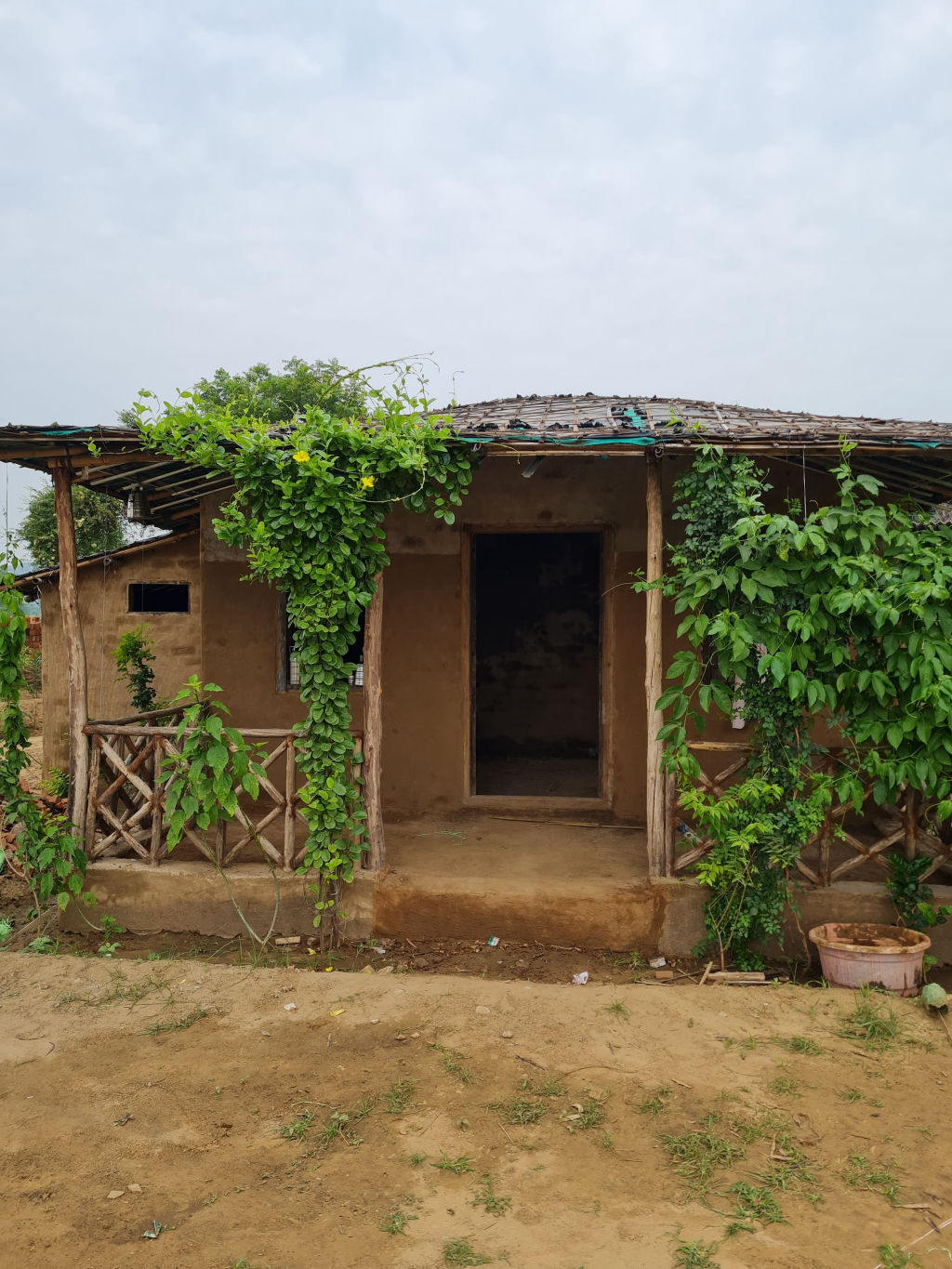
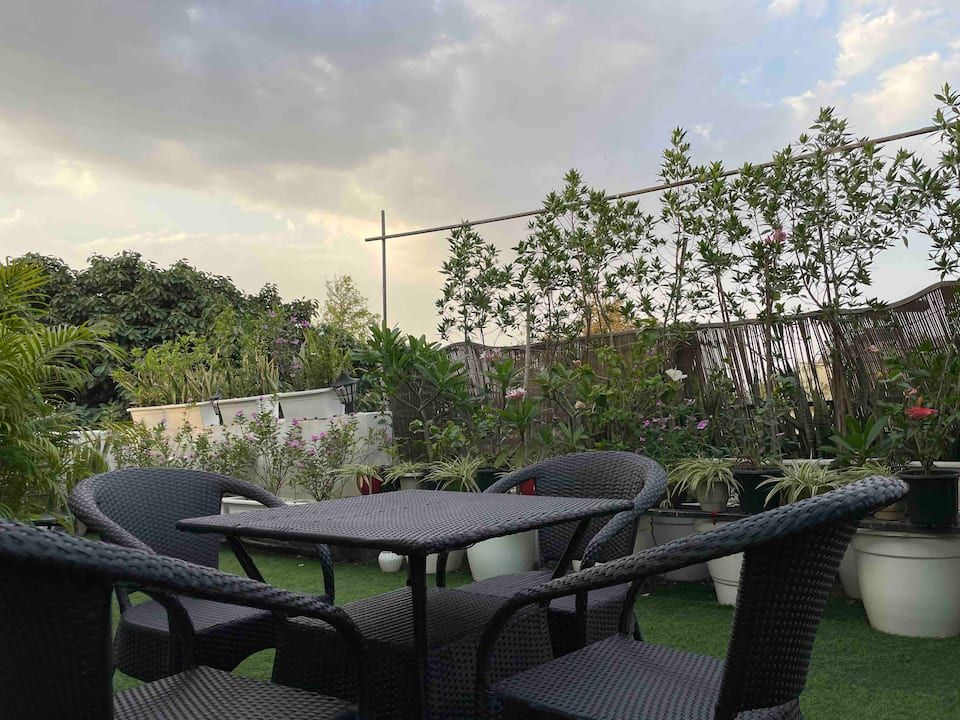
Manesar serves as a convenient base for exploring both the urban heritage of Delhi and the rural landmarks of southern Haryana. Travellers can find scenic outdoor stays, quiet farmstays, and nature camps in the countryside around Manesar on HireACamp, offering a relaxed environment to return to after a day of sightseeing.
Written with AI from creators' posts and map data. Check prices and timings locally before you go.
12 places · 7 creator recommendations · Updated today
Ranked by how many independent creators recommend each place, not by who paid. The list updates itself as new posts come in.


Frequently asked questions
Which monuments near Manesar are closest for a quick trip?
Dayaram ki Chhatri and Delhi Darwaza in Najafgarh are the closest monuments, situated roughly 28 to 29 km from Manesar. Qutb Minar and Ahinsa Sthal in Mehrauli are also within a 31 km drive.
What is the best time of day to visit Safdarjung Tomb?
The golden hour just before sunset is widely recommended for Safdarjung Tomb, as the lowering sun brings out the rich red tones of its sandstone facade and garden pathways.
Are there war memorials located near Manesar?
Yes, the Rezang La War Memorial near Rewari is situated about 37 km from Manesar and commemorates the soldiers of Charlie Company, 13 Kumaon, from the 1962 war.
Can I visit multiple monuments in one day from Manesar?
Yes, visiting clustered monuments like Qutb Minar, Ahinsa Sthal, and nearby garden tombs in South Delhi makes for an efficient single-day heritage itinerary.
Stays near Manesar
Make a trip of it