Temples near Nizamuddin West
This guide covers prominent and historic temples located within 40 kilometres of Nizamuddin West in the National Capital Region. It suits cultural travellers, pilgrims, and architecture enthusiasts looking to explore Delhi's diverse sacred sanctuaries, ancient shrines, and peaceful community prayer halls.
Prominent shrines near Nizamuddin West
Just a short drive from Nizamuddin West, several of Delhi's most recognised places of worship offer quiet spaces for reflection amidst the capital. The Bahá’í Lotus Temple, situated in Kalkaji roughly four kilometres away, is celebrated for its distinctive white marble petals and expansive surrounding gardens. The sanctuary welcomes visitors of all faiths and backgrounds to sit together in silent prayer and meditation.
Also around four kilometres away in East of Kailash is the ISKCON Temple - Glory of India. Set atop Hare Krishna Hills, the complex features classical temple architecture, cultural exhibits on Vedic philosophy, and ornate prayer halls filled with devotional chanting. Devotees also frequently head into central Delhi to visit Pracheen Hanuman Mandir, Connaught Place, an ancient and revered shrine dedicated to Lord Hanuman that draws daily worshippers into the commercial heart of the metropolis.
Ancient roots and sacred legends
The area surrounding Nizamuddin West holds deep connections to older historical epochs and sacred folklore. Located about two kilometres away near Pragati Maidan, Sri Kilkari Baba Bhaironath Ji Pandav Kalin Mandir traces its lineage back to traditions associated with the Mahabharata era. Devotees visit regularly to seek blessings through distinctive traditional rituals.
Further south in Mehrauli, Shri Yogmaya Temple honours Goddess Yogmaya, the sister of Lord Krishna. Located in one of Delhi's oldest quarters, the temple plays an enduring role in the historic Phool Walon Ki Sair festival. Similarly, Kalkaji Devi Temple sits on a ridge near Kotla Mahigiran and has functioned for centuries as an essential centre of Shakti worship. Devotees also visit the Lord Shiva Temple near Gole Market for moments of quiet worship in central Delhi.
Architectural heritage and distinct traditions
Travellers interested in classical stone craftsmanship and regional religious traditions will find diverse architectural expressions within easy reach. Shri Jagannatha Temple, Hauz khas brings eastern Indian traditions to South Delhi, featuring traditional Kalinga-style stone architecture dedicated to Lord Jagannath, Lord Balabhadra, and Devi Subhadra.
Across the Yamuna River, Akshardham displays intricate carvings crafted from Rajasthani pink sandstone and Italian Carrara marble across vast manicured grounds. In central Delhi, Laxminarayan Temple, also known as Birla Mandir, showcases striking red sandstone architecture and garden terraces built in the 1930s. Further afield, destinations like Chhatarpur Temple, Vallabh Smarak Jain Mandir in Alipore, and Sheetla Mata Mandir in Gurugram present broad courtyards and dedicated sanctuaries celebrating distinct regional devotional paths.
Best time to plan your visit
Delhi experiences distinct seasonal shifts that impact outdoor shrine visits. The winter months from October to March offer pleasant temperatures, making it comfortable to stroll through open temple courtyards and expansive gardens like those at the Bahá’í Lotus Temple.
Summers across the National Capital Region can be intensely hot, particularly during midday. Morning visits and evening prayer times are generally the most comfortable periods to explore during warmer months. Festive periods bring heightened devotional energy to places such as Jhandewalan Temple and Kalkaji Devi Temple, though visitors should anticipate larger gatherings during major religious holidays.
Practical tips for temple visits
Most temples follow traditional customs regarding attire and decorum. Visitors should dress modestly, keeping shoulders and knees covered, and prepare to remove their footwear at designated shoe storage counters before entering inner sanctums or prayer halls.
City traffic in Delhi varies considerably throughout the day, so using the Delhi Metro network or planning travel during non-peak hours can simplify journeys between locations. Specific opening hours, ritual schedules, and rules regarding photography differ by site, so it is best to check these details locally when planning your route.
Where to stay
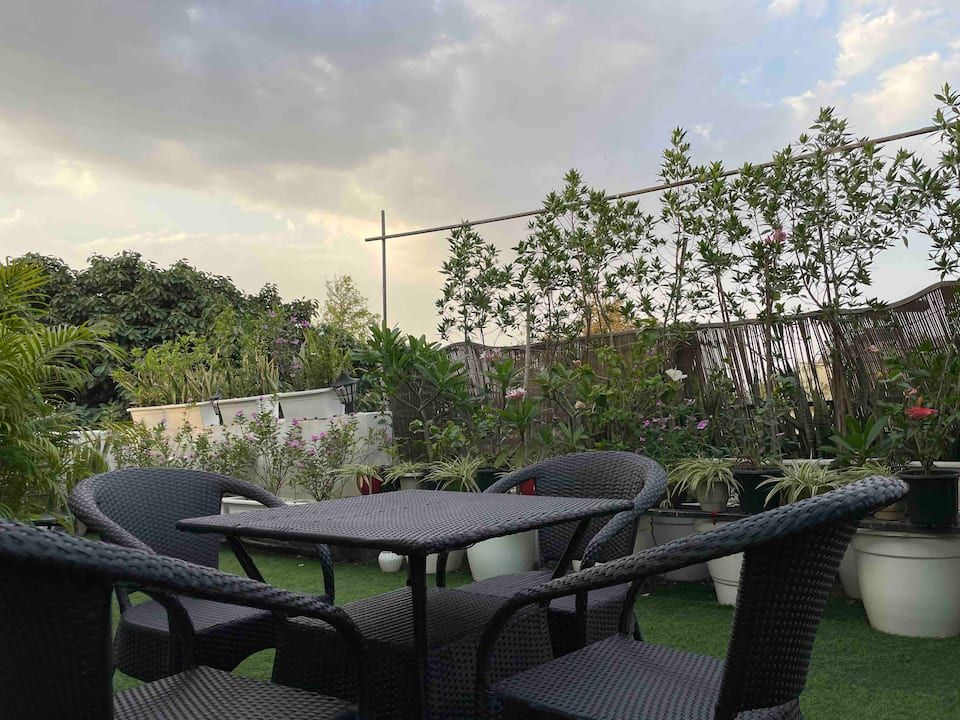
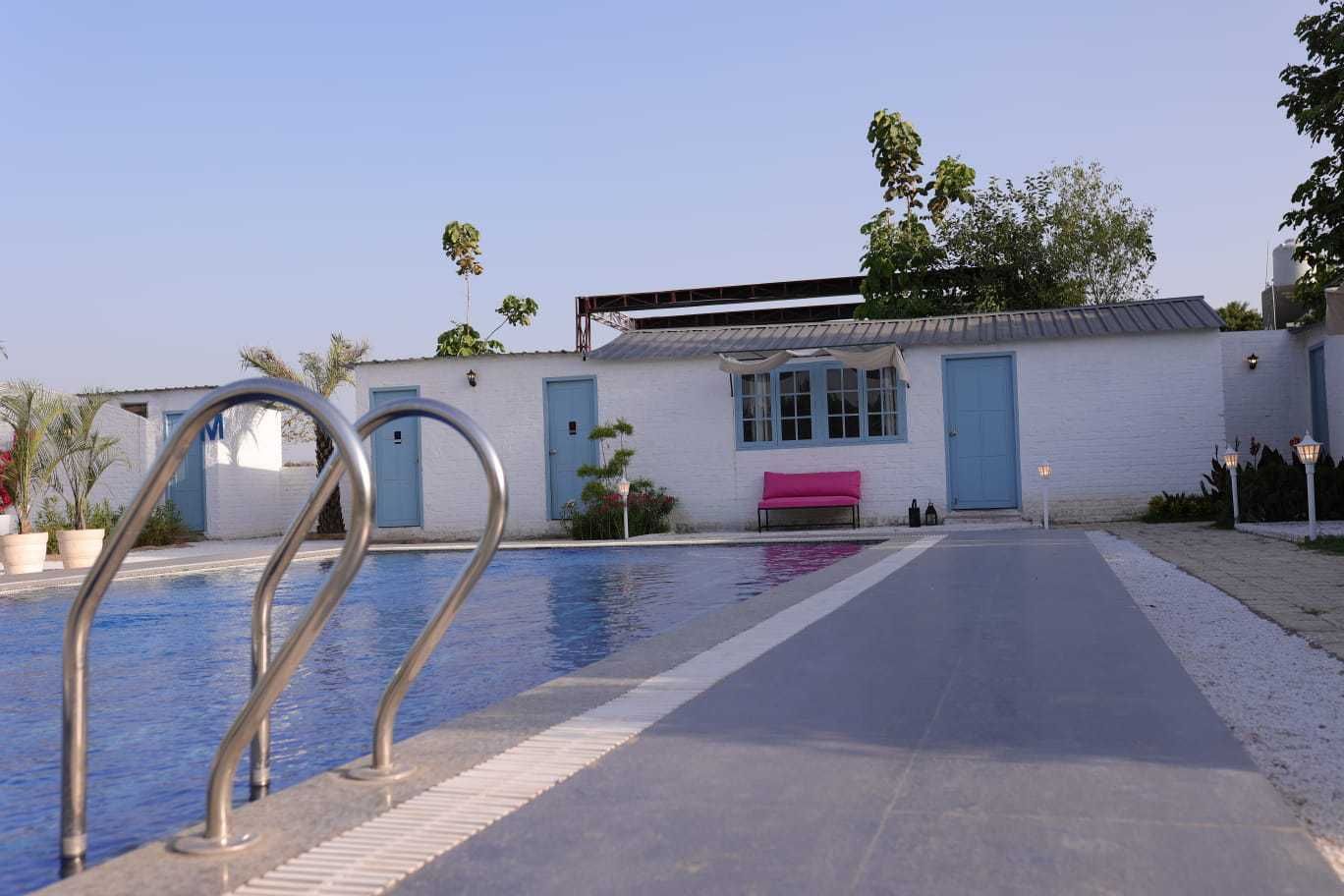
Choosing accommodation near green residential pockets or outer ridges allows for a restful visit to Delhi's sacred sites. Travellers looking to balance urban temple visits with open-air relaxation can find homestays, camps, and quiet outdoor stays on HireACamp across the National Capital Region and surrounding countryside.
Written with AI from creators' posts and map data. Check prices and timings locally before you go.
23 places · 8 creator recommendations · Updated today
Ranked by how many independent creators recommend each place, not by who paid. The list updates itself as new posts come in.


Frequently asked questions
Which temples are closest to Nizamuddin West?
Sri Kilkari Baba Bhaironath Ji Pandav Kalin Mandir is approximately two kilometres away, while the Bahá’í Lotus Temple, ISKCON Temple - Glory of India, and Akshardham are all roughly four kilometres from Nizamuddin West.
Can people of any religion visit the Bahá’í Lotus Temple?
Yes, the Bahá’í Lotus Temple welcomes visitors of all religions, backgrounds, and beliefs to sit in silent meditation and contemplation inside its prayer hall.
What is the best way to travel to temples around Delhi?
The Delhi Metro is an efficient way to reach major hubs near temples in Connaught Place, Kalkaji, and Hauz Khas, while auto-rickshaws and taxis provide direct access between individual sites.
What should visitors wear when visiting temples in Delhi?
Visitors should wear modest clothing that covers the shoulders and knees, and expect to remove footwear before entering temple courtyards and sanctums.
What is the best time of year to explore temples near Nizamuddin West?
The cooler months from October to March provide the most comfortable weather for walking through open temple grounds and heritage complexes.
Stays near Nizamuddin West
Make a trip of it