
Baba Budan Hills
Trek near Santaveri, Karnataka
5.7 km from Santaveri
The nearest town, for stays, food and fuel.
The Baba Budan Hills, also known as the Chandra Drona Parvatha range, form a dramatic crescent-shaped ridge in the Western Ghats of Karnataka. Renowned as the historic origin of coffee cultivation in India, this mountain range draws trekkers, pilgrims, and nature lovers to its rolling shola grasslands and mist-shrouded ridges. Visitors travel here to experience challenging trails, cool montane breezes, and sweeping panoramic views across the valleys of the Chikkamagaluru region.
Getting there
By road
- From SantaveriNearest town1 hr 20 min · 40 km
- From Mangaluru4 hr 20 min · 185 km
- From Mysuru5 hr 30 min · 219 km
- From Bengaluru6 hr 10 min · 263 km
Typical drive times without traffic. Stations and airports from OLA Maps; distances and typical drive times from OpenStreetMap (© OpenStreetMap contributors); notes from creators' Reels.
About Baba Budan Hills
Written with AI from map data and general knowledge. Check prices and timings locally before you go.
History and Landscape of Baba Budan Hills
The Baba Budan Hills occupy a prominent position in the Western Ghats, characterized by distinct geological formations, undulating ridgelines, and deep valleys. The range derives its modern name from the sixteenth-century Sufi saint Baba Budan, who is credited with introducing coffee to the Indian subcontinent by bringing seven raw beans from Yemen and planting them across these fertile slopes. The mountains hold deep cultural and spiritual significance for multiple communities, housing ancient cave shrines and pilgrimage sites nestled along the high plateaus.
Ecologically, the Baba Budan Hills represent a classic Western Ghats landscape where tropical montane forests, commonly known as shola woodlands, nestle within folds of open, windswept grasslands. During the early mornings, thick blankets of fog settle across the slopes, slowly clearing to reveal emerald green hillsides, weathered rock faces, and vast plantations of shade-grown arabica and robusta coffee flourishing on the lower elevations. The region is also home to diverse wildlife and rich birdlife adapted to high-altitude ecosystems.
Trekking in the Baba Budan Hills
Trekking is one of the primary reasons outdoor enthusiasts visit the Baba Budan Hills. The range offers some of the most rewarding high-altitude trail networks in Karnataka, taking hikers across continuous grassy ridgelines that drop sharply into forested gorges on either side. Depending on the chosen route, paths can range from gentle exploratory nature walks through plantation borders to demanding ridge traverses that test physical stamina.
The terrain alternates between exposed grassland trails, rocky ascents, and narrow dirt paths shaded by forest patches. On clearer days, hikers on the ridge are treated to uninterrupted views stretching toward the horizon, while misty days offer an atmospheric, cloud-covered hiking experience. Because the high ridges are prone to sudden gusts of wind and shifting visibility, trekkers should pace themselves carefully and remain on established routes throughout the journey.
Read more
Best Time to Visit Baba Budan Hills
The Baba Budan Hills undergo distinct seasonal changes, each bringing a different mood to the landscape. The post-monsoon and winter months, spanning from October through February, are widely considered the ideal window for trekking and sightseeing. During this period, the rains taper off, leaving the hills carpeted in vibrant green vegetation under crisp, clear skies. Daytime temperatures remain pleasant, while nights and early mornings can become pleasantly cold, accompanied by heavy ground mist.
The summer months from March to May bring warmer conditions and drier grasslands, though the elevation keeps temperatures significantly cooler than the surrounding lowlands. Treks are best undertaken during the early morning hours in summer to avoid mid-day heat. The monsoon season between June and September brings relentless rainfall, transforming waterfalls and streams into raging torrents. While the monsoon landscape is intensely green, hiking can be slippery and challenging due to strong winds, reduced visibility, and active leeches.
Places to Visit Nearby
The Baba Budan range is surrounded by several natural landmarks and viewpoints that can easily be integrated into a broader travel itinerary. Mullayanagiri Peak, the highest summit in Karnataka, sits roughly twelve kilometers away along the same broad mountain system and is a favorite for those seeking grand summit views and adventurous climbs.
Closer to the central ridge, Z Point lies about six kilometers away, offering a narrow precipice and vantage point overlooking the deep green canyons of Kemmangundi. Waterfalls also dot the area, with the trail to Jhari Waterfalls situated approximately eight kilometers from the hills, where mountain streams cascade through dense estates and jungle groves.
For a change of pace, Hirekolale Lake is located roughly sixteen kilometers away, providing a serene lakeside setting encircled by distant hills that is especially peaceful around sunset. Near the gateway town of Chikkamagaluru, Mahatma Gandhi Park offers manicured gardens roughly seventeen kilometers distant, while travelers interested in the heritage of local coffee estates can find dedicated coffee experiences and educational spaces around twenty kilometers from the range.
Tips for Your Visit
Planning ahead is essential for a safe and comfortable trip to the Baba Budan Hills. Because the weather can shift from bright sunshine to dense cloud cover within minutes, dressing in breathable layers is strongly recommended. Carry a windproof or waterproof outer layer regardless of the season, along with sturdy hiking shoes that provide reliable traction on wet rocks and loose gravel.
Water sources along the upper ridges can be scarce, so carry sufficient drinking water and high-energy snacks for your hike. Trekkers should also prepare for leeches if visiting during or immediately after the rainy season by wearing high socks or leech gaiters. The hills are an ecologically sensitive habitat and home to revered spiritual landmarks; visitors are expected to maintain silence near shrines, carry all non-biodegradable waste back down to town, and strictly avoid littering along the trails.
How to Reach Baba Budan Hills
The Baba Budan Hills are accessed primarily through the hill town of Chikkamagaluru, which serves as the logistical base for most trips into the range. Chikkamagaluru is well connected by road to major urban centers across Karnataka, including Bengaluru and Mangaluru, via well-maintained national and state highways. State transport buses, private coaches, and taxis run regularly to the town.
From Chikkamagaluru, winding ghat roads lead upward into the Baba Budan range. While private cars and rented two-wheelers can navigate the paved sections of the road, certain rough stretches leading toward high trailheads and isolated viewpoints are best traversed in four-wheel-drive vehicles. The closest railway stations are located in nearby junction towns such as Kadur, Birur, and Hassan, while the nearest domestic and international airports are situated in Mangaluru and Bengaluru.
Where to Stay near Baba Budan Hills
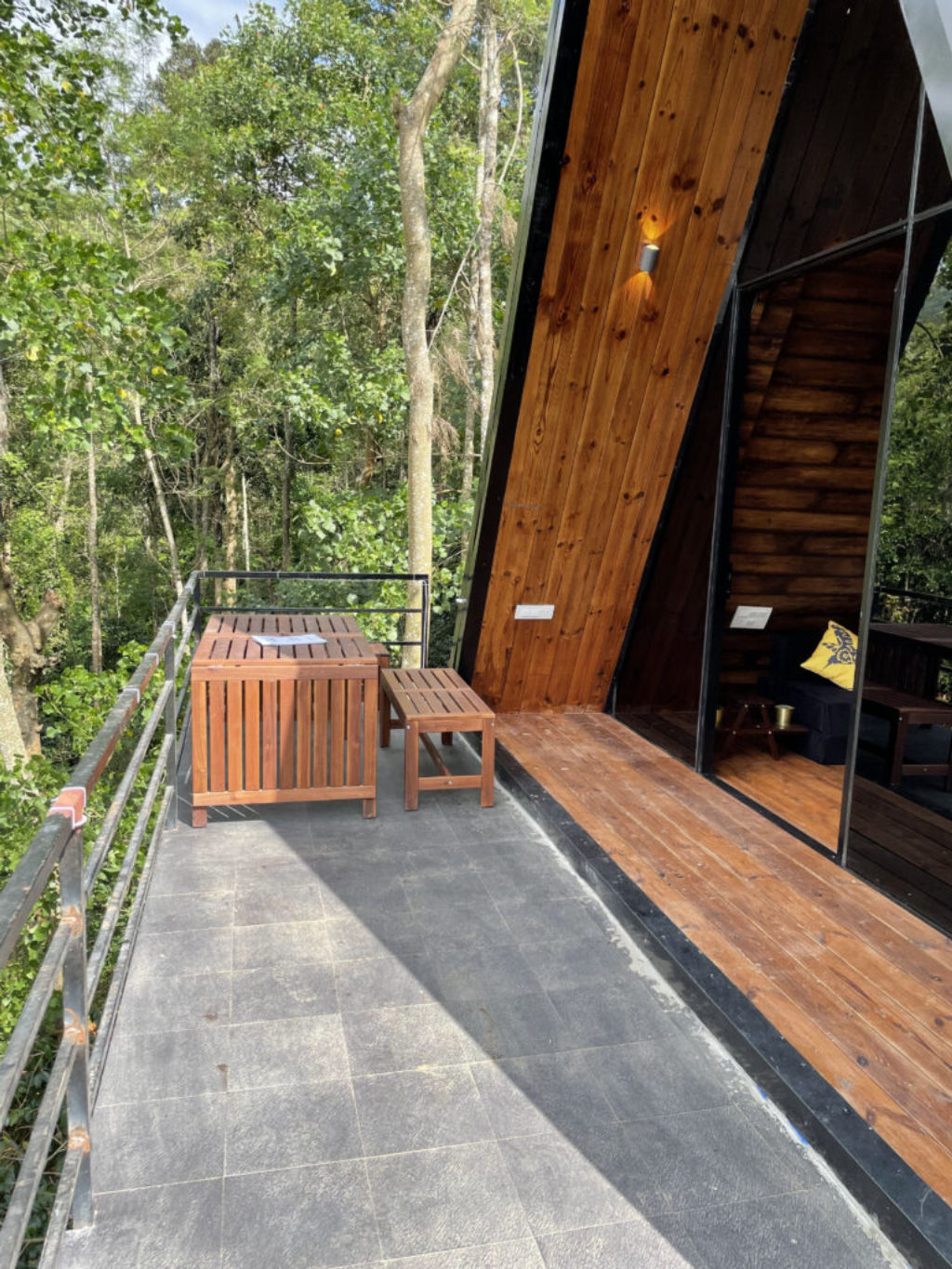
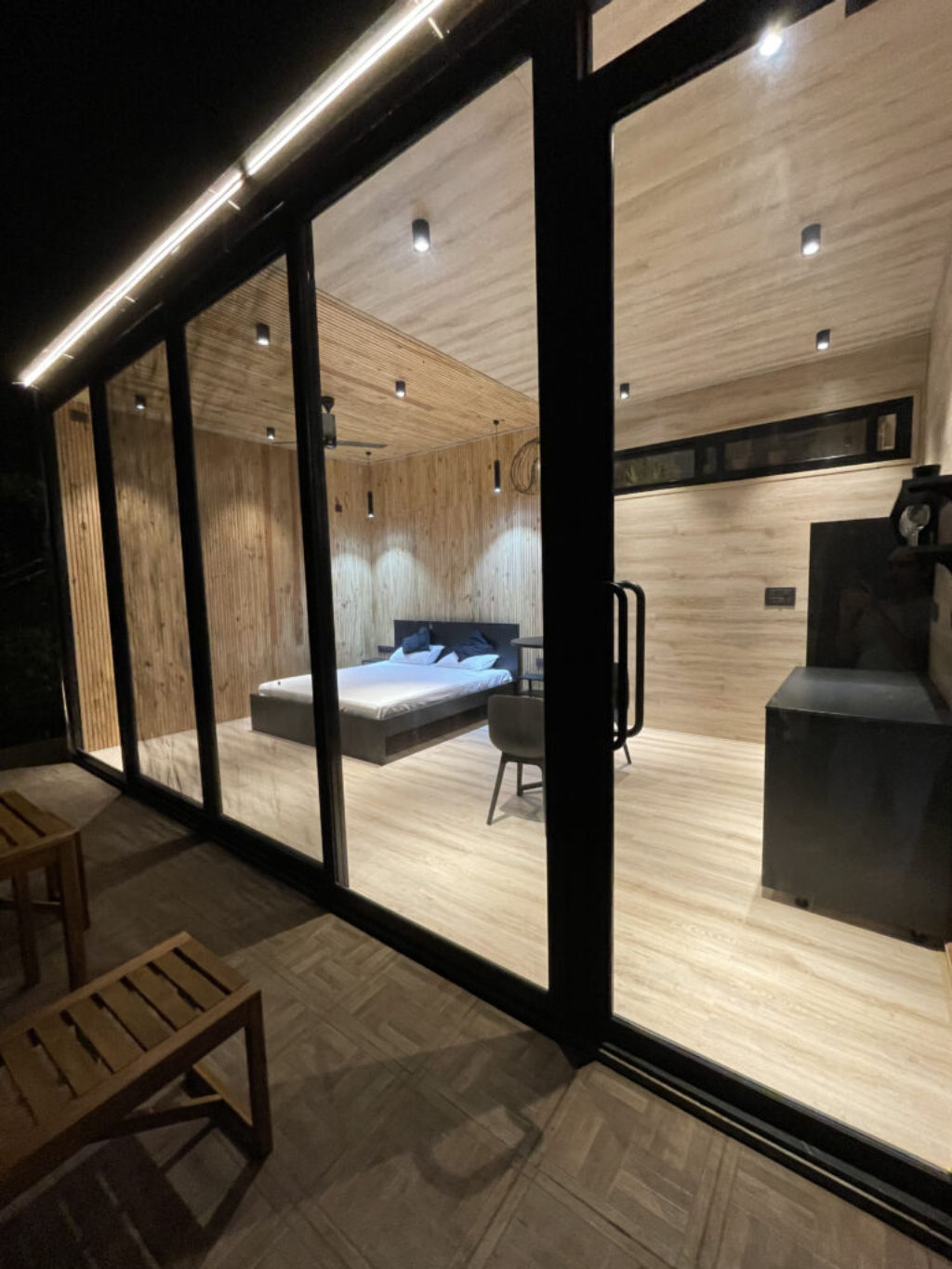
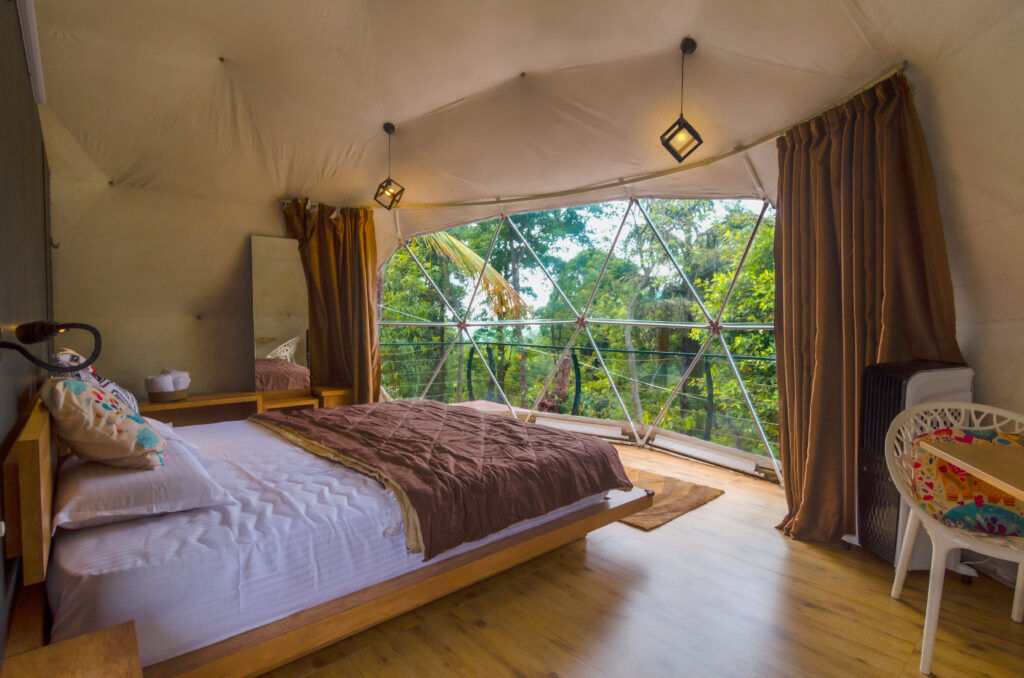
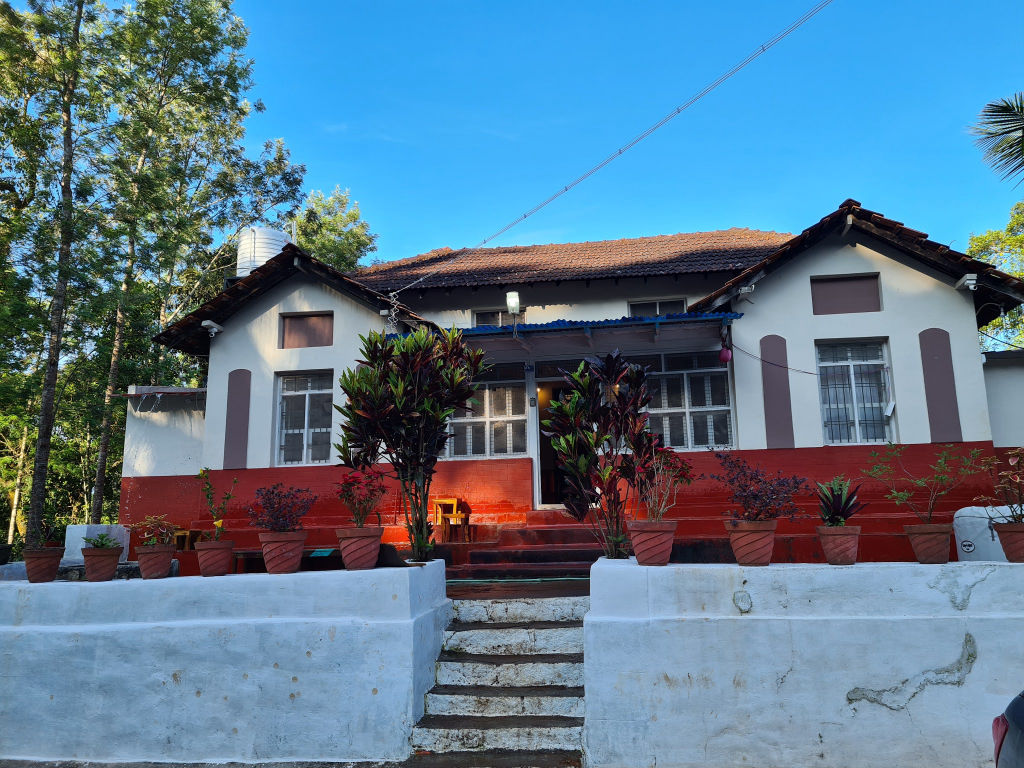
Accommodation options around the Baba Budan Hills cater to diverse styles of travel, from rugged outdoor experiences to relaxed plantation stays. Many travelers prefer staying in rustic homestays situated within working coffee estates on the lower mountain slopes, where they can enjoy local Malnad hospitality and traditional home-cooked meals.
For those who prefer sleeping closer to nature, scenic campsites and riverside retreats are tucked across the foothills and surrounding valleys. You can discover and book a curated selection of homestays, nature retreats, and outdoor camps near the Baba Budan Hills through HireACamp, making it easy to find a base that aligns with your trekking and sightseeing plans.
Frequently asked questions
Where are the Baba Budan Hills located?
The Baba Budan Hills are located in the Western Ghats of the Chikkamagaluru district in southwestern Karnataka, India.
Why is the Baba Budan range historically significant?
The range is famous as the historic birthplace of coffee cultivation in India, introduced centuries ago by the Sufi saint Baba Budan, and features revered cave shrines sacred to both Hindu and Muslim pilgrims.
What is the difficulty level of trekking in Baba Budan Hills?
Most trails in the Baba Budan range are considered moderate, featuring steady inclines and uneven ridge paths that require a reasonable level of physical fitness and good hiking shoes.
Can I visit the Baba Budan Hills during the monsoon season?
Yes, but visitors should expect heavy rainfall, dense mist, slippery pathways, and leeches on the trails, meaning extra caution and waterproof gear are necessary.
Are there stay options close to the trekking routes?
Yes, there are numerous coffee estate homestays, nature retreats, and outdoor campsites situated along the foothills and valleys nearby, which can be booked on HireACamp.
Where you'll be
Karnataka · 5 stays nearby shown with prices
Stays near Baba Budan Hills
Book a place to stay close by
More places near Baba Budan Hills
Within 20 km


Built from 0 Instagram posts by 0 creators. Every tip links back to the post it came from, and where creators disagree we show both sides.






