
Singhar Pass
Peak near Barot Valley, Himachal Pradesh
4.1 km from Barot Valley
The nearest town, for stays, food and fuel.
Singhar Pass is a high-altitude mountain crossing in Himachal Pradesh situated in the rugged Dhauladhar Range above the Kangra Valley. The pass historically links the foothill settlements near Palampur with the remote, alpine terrain of the Chamba region. Trekkers and mountain enthusiasts venture here to experience demanding wilderness trails, stark glacial terrain, and sweeping panoramic views across northern India.
Getting there
By road
- From Barot ValleyNearest town1 hr 25 min · 37 km
- From Ludhiana5 hr 15 min · 231 km
- From Amritsar5 hr 20 min · 242 km
- From Chandigarh5 hr 45 min · 242 km
Typical drive times without traffic. Stations and airports from OLA Maps; distances and typical drive times from OpenStreetMap (© OpenStreetMap contributors); notes from creators' Reels.
About Singhar Pass
Written with AI from map data and general knowledge. Check prices and timings locally before you go.
About Singhar Pass
The Dhauladhar Range forms a dramatic natural rampart that separates the green Kangra Valley from the deep river gorges of Chamba in Himachal Pradesh. Perched high upon this craggy granite barrier lies Singhar Pass, an ancient crossing historically used by Gaddi shepherds guiding their flocks between seasonal pastures. Unlike more developed trails in the western Himalayas, this high mountain pass retains an undisturbed wilderness character where nature remains quiet, rugged, and untamed.
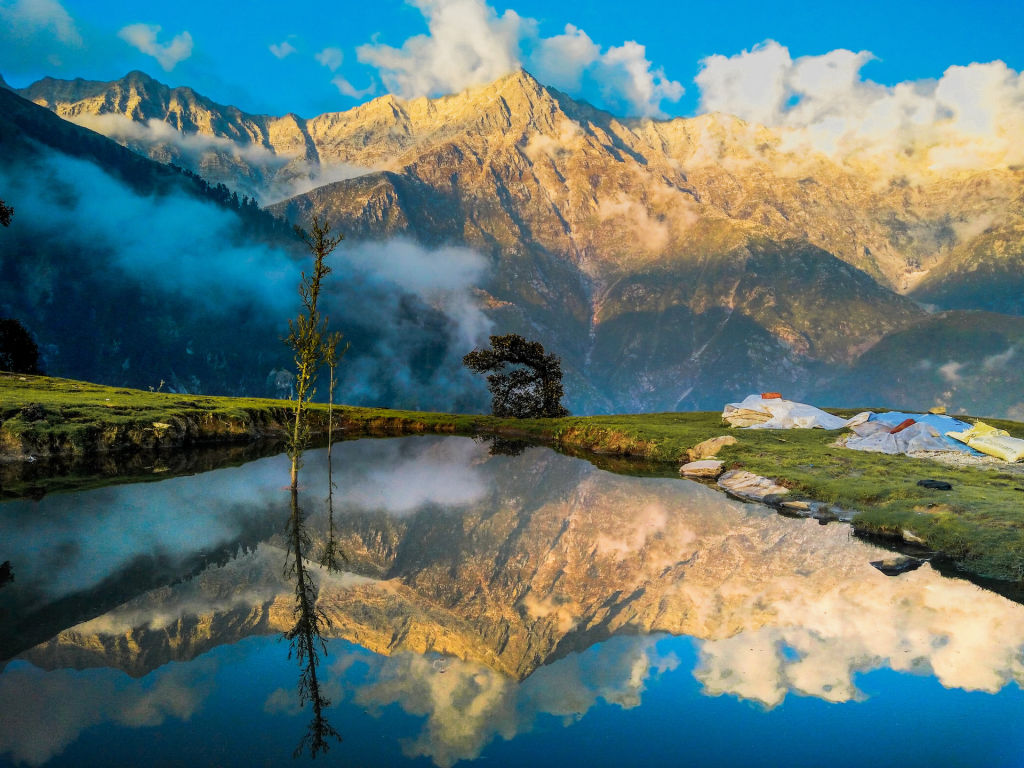
From the top of Singhar Pass, travelers encounter striking geographical contrasts. Looking southward reveals the sprawling expanses of the Kangra Valley, marked by terraced fields, riverbeds, and small foothill settlements fading into the plains. To the north lie the austere, snow-dusted ridges of the Pir Panjal Range and high valleys leading toward Bharmour and the sacred heights of Mani Mahesh. The landscape around the pass is sculpted by extreme weather, leaving behind vast boulder fields, sharp moraines, and snow patches that often linger well into early summer.
Trekking route and terrain
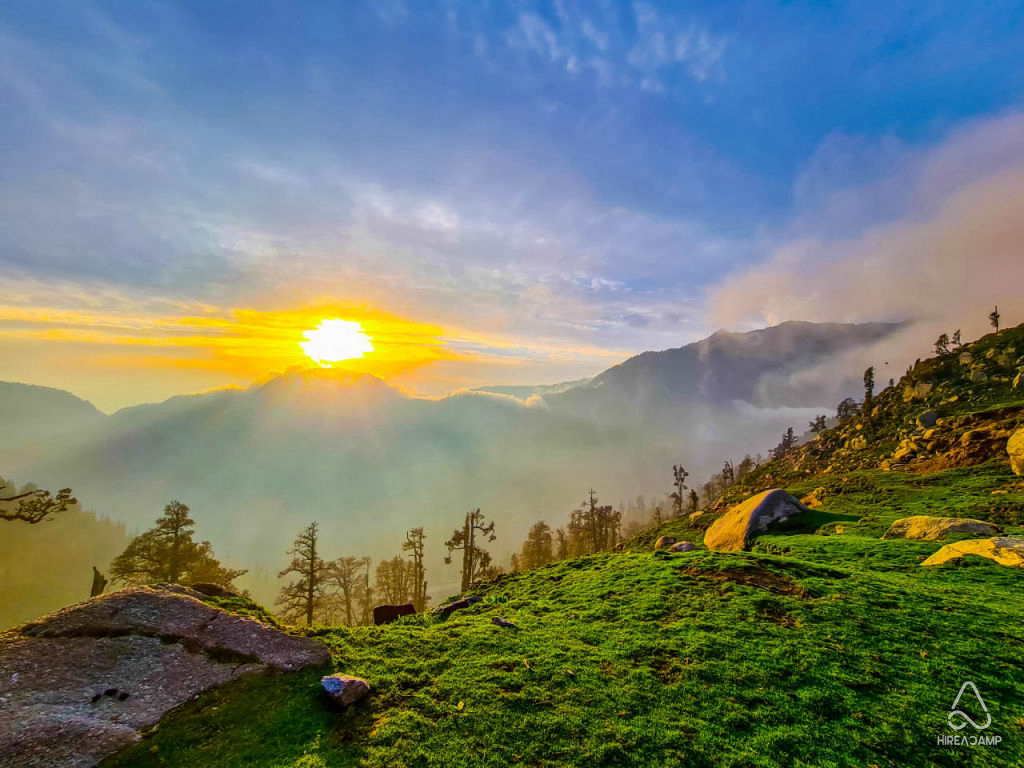
The route to Singhar Pass is a demanding mountain undertaking requiring strong physical endurance, careful footing, and self-reliance. Starting from the lower valleys near Palampur, the trail climbs steadily through changing forest zones. The initial stretches wind through pine woodlands, dense stands of Himalayan oak, and thick rhododendron groves that display colorful blooms during the spring months. As the elevation increases, the tree line recedes into expansive alpine grasslands, where wandering shepherds establish seasonal stone huts.
Higher toward the pass, the soft meadows give way to a barren landscape of loose scree, steep talus slopes, and massive boulder fields. The final approach to Singhar Pass involves navigating steep gradients and narrow paths cut into the mountain flank, requiring balance and steady pacing. Reaching the crest often requires walking over hard snowfields and icy patches, especially during the early summer. The sheer drop-offs and open ridges demand caution and make the journey an intense test of outdoor skill.
Read more
Best time to visit Singhar Pass
Planning a journey to Singhar Pass requires careful attention to seasonal weather, as conditions across the Dhauladhar Range can change rapidly. The most practical windows for visiting are during the pre-monsoon summer months of June and early July, and the post-monsoon autumn period spanning from September to mid-October. During these periods, trails are mostly clear of impassable winter snow, and daytime temperatures remain manageable for trekking.
The monsoon months of July and August bring heavy, continuous rainfall to the southern slopes of the Dhauladhar. During this time, trails become slippery, streams swell into dangerous torrents, and the risk of landslides increases significantly, making high-altitude attempts unsafe. By September, the monsoon clouds clear away, opening up sharp blue skies, dry ground, and long-distance views across the valley. From late October onward, winter blizzards begin to deposit heavy snow over the pass, closing the route to normal hiking until the following summer.
How to reach Singhar Pass
The journey to Singhar Pass typically starts from the town of Palampur in the Kangra district of Himachal Pradesh. Palampur is connected by road to major northern hubs including Chandigarh, Pathankot, and Delhi. Long-distance state transport buses and private vehicles regularly ply these mountain highways, providing scenic journeys through the sub-Himalayan hills.
For travelers coming by train, Pathankot is the nearest major broad-gauge railway junction, connected to key cities across India. From Pathankot, visitors can travel onward by road or board the historic Kangra Valley narrow-gauge train toward Palampur. If traveling by air, Kangra Airport at Gaggal near Dharamshala is the closest facility, situated at an approximate drive of an hour and a half from Palampur depending on traffic. From Palampur, local roads and shared mountain taxis take travelers to the outlying base villages where foot trails begin.
Attractions near Singhar Pass
The Kangra region surrounding Singhar Pass is filled with diverse cultural, historical, and natural landmarks. Directly below the southern ridge lies the Kangra Valley, famous for its tea gardens, scenic riverbeds, and historic architecture. Further west in the valley stands the ancient Kangra Fort, perched strategically above the Banganga River, showcasing centuries of regional heritage. Trekkers can also visit the hillside vantage points of the Aadi Himani Chamunda Temple, which looks out across the foothills.
Toward the western slopes sits McLeod Ganj, known for its Tibetan culture, monasteries, and active walking routes. Closer to the base near Palampur, visitors can spend time at the Dhauladhar Nature Park or explore local walking paths along mountain streams. Those interested in alternative high-altitude crossings can also study nearby gaps in the ridge, such as the Talang Pass, which sits just a few kilometers along the same mountain wall.
Tips for crossing Singhar Pass
Undertaking a journey toward Singhar Pass requires thorough preparation, as the upper reaches have no permanent settlements, shops, or mobile phone reception. Trekkers must be completely self-reliant by carrying durable alpine tents, warm sleeping bags rated for freezing temperatures, portable cooking gear, and sufficient food supplies for the entire duration of the route.
Acclimatization and physical conditioning are critical to avoiding mountain sickness. Spending a night or two at lower elevations around Palampur before starting the climb helps your body adapt to the altitude. Essential gear includes sturdy, water-resistant trekking boots with ankle support, layered thermal clothing, windproof jackets, trekking poles, and dependable offline navigation tools. Because mountain tracks can be obscured by rockfalls or shifting snow, hiring a knowledgeable local guide who understands the Dhauladhar terrain is strongly recommended.
Where to stay near Singhar Pass
During the climb to Singhar Pass, accommodation is strictly wilderness camping. Trekkers must bring their own equipment and pitch tents in sheltered alpine pastures used by local shepherds, making sure to carry back all waste to keep the high-altitude ecosystem clean.
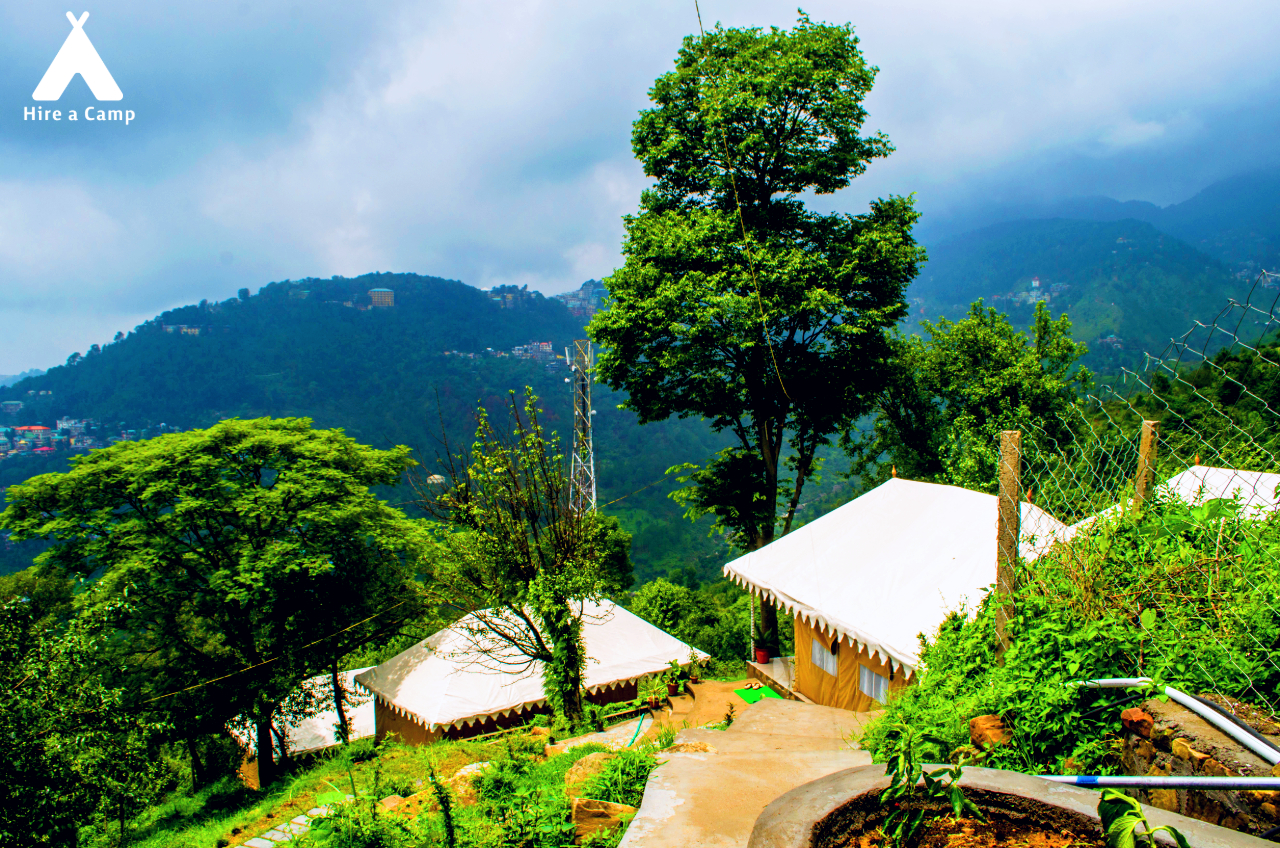
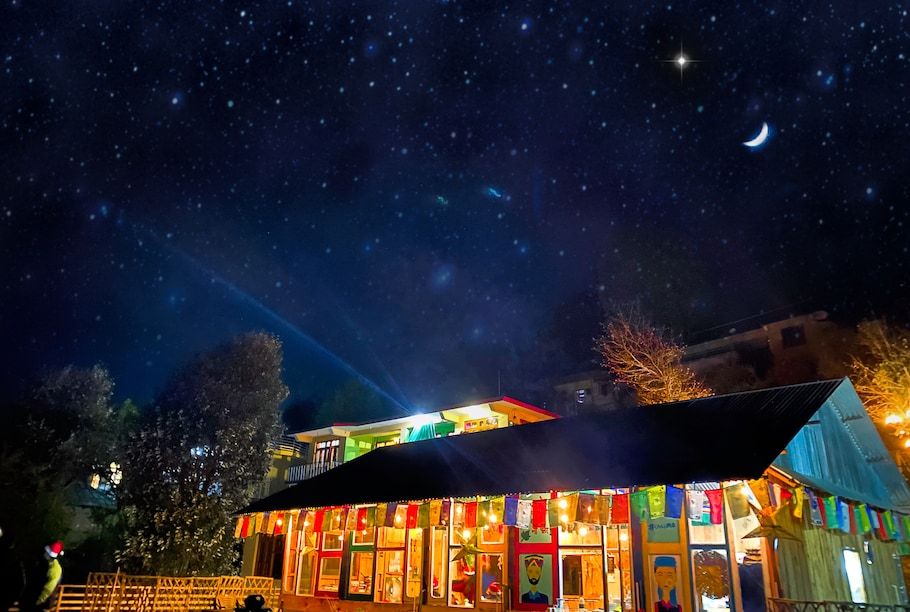
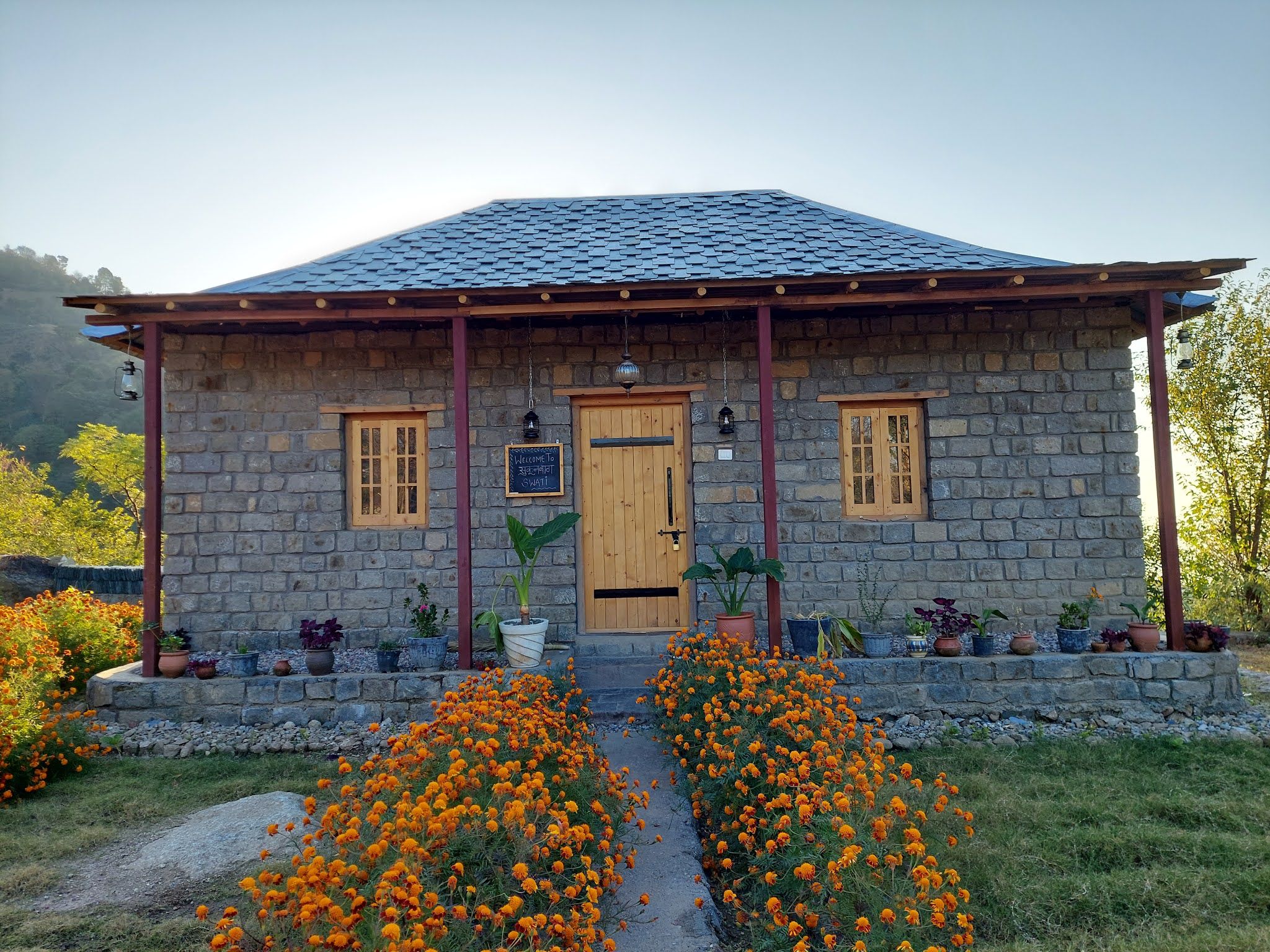
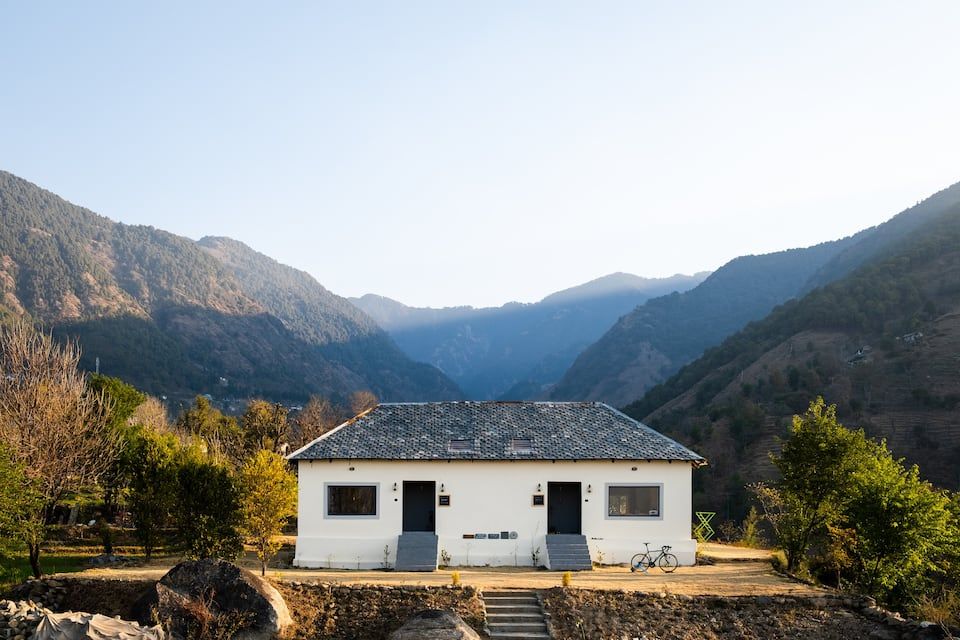
In the lower valleys around Palampur, Dharamshala, and neighboring villages, travelers will find plenty of comfortable options before starting or after completing the trek. Homestays, riverside cabins, and scenic outdoor campsites in the area can be discovered and reserved through HireACamp, offering a convenient base for exploring the Kangra Valley.
Frequently asked questions
Where is Singhar Pass located?
Singhar Pass is situated in the Dhauladhar Range in Himachal Pradesh, near Palampur. It forms a high ridge crossing between the Kangra Valley and the Chamba region.
How difficult is the Singhar Pass trek?
The trek is demanding and requires high fitness, sound footing over loose scree and snow, and complete self-reliance. It is best suited for experienced hikers comfortable with rugged alpine conditions.
What is the best time of year to visit Singhar Pass?
The most favorable months are June to early July before the monsoon arrives, and September through mid-October when autumn brings stable weather and clear skies.
Are there food stalls or guest houses on the Singhar Pass trail?
No, there are no commercial guest houses, tea stalls, or settlements once you climb past the lower villages. You must carry all your own food, cooking stoves, and camping equipment.
Do I need a local guide for Singhar Pass?
Hiring an experienced local mountain guide is highly recommended because the upper trails are unmarked, weather conditions can shift quickly, and navigation over rocky passes can be hazardous.
Where you'll be
Himachal Pradesh · 6 stays nearby shown with prices
Stays near Singhar Pass
Book a place to stay close by
More places near Singhar Pass
Within 20 km


Built from 0 Instagram posts by 0 creators. Every tip links back to the post it came from, and where creators disagree we show both sides.






