
Talang Glacier
Nature near Barot Valley, Himachal Pradesh
3.2 km from Barot Valley
The nearest town, for stays, food and fuel.
Talang Glacier is an alpine glacial basin nestled in the rugged Dhauladhar mountain range in Himachal Pradesh, positioned near Palampur. Overlooked by high mountain crests and the historic Talang Pass, it forms a vital source for seasonal streams flowing into the Kangra Valley. Adventurous trekkers and mountaineers travel here to experience dramatic glacial landscapes, stark granite crags, and isolated wilderness trails.
Getting there
By road
- From Ludhiana4 hr 55 min · 216 km
- From Amritsar5 hr 5 min · 227 km
- From Chandigarh5 hr 55 min · 251 km
- From Dehradun9 hr 20 min · 439 km
Typical drive times without traffic. Stations and airports from OLA Maps; distances and typical drive times from OpenStreetMap (© OpenStreetMap contributors); notes from creators' Reels.
About Talang Glacier
Written with AI from map data and general knowledge. Check prices and timings locally before you go.
The Landscape of Talang Glacier
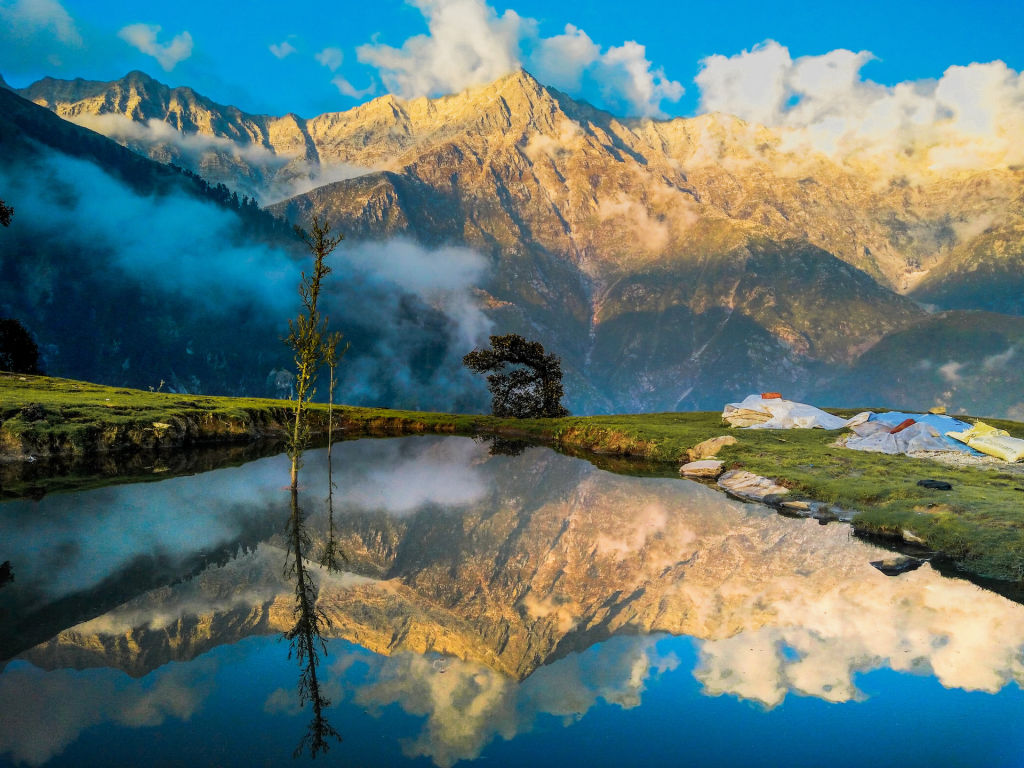
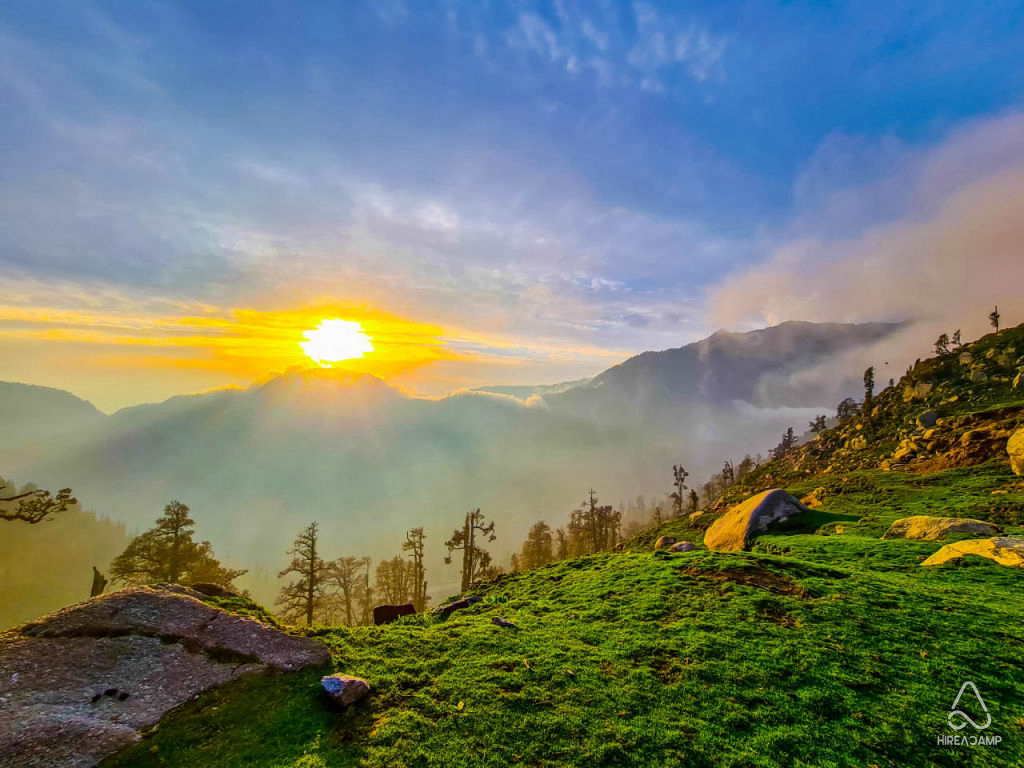
Talang Glacier rests high within the jagged crests of the Dhauladhar mountains, overlooking the green basin of the Kangra Valley. Flanked by sheer granite walls and sharp ridgelines, this glacial zone is defined by expansive moraines, permanent snow pockets, and melting ice runoffs that nurture the streams below. The high-altitude terrain shifts dramatically from the dense oak, rhododendron, and deodar forests of the lower foothills to sprawling alpine meadows, before yielding completely to rock, scree, and ice.
Due to its position just beneath Talang Pass, which serves as a traditional crossing between Kangra and the Chamba region, the glacier sits along traditional shepherd paths. For generations, local Gaddi pastoralists have traversed these high elevations during summer grazing migrations. Today, the area remains an untamed wilderness, offering expansive views of snowbound crests on clear days and quiet isolation far removed from the bustling hill stations below.
Trekking Routes to Talang Glacier
The approach to Talang Glacier involves a rigorous mountain trek that tests endurance, physical conditioning, and route-finding abilities. Most expeditions begin from the hamlets nestled in the foothills near Palampur or the small settlements near Gopalpur and Chamunda. The journey typically begins with steep ascents through forested river valleys and terraces, gradually winding upward past temporary shepherd encampments and grassy pastures.
As you gain elevation, the trail becomes rugged and faint, winding through extensive boulder fields, loose scree, and cold glacial streams. Navigating the approaches toward Talang Glacier and the nearby Talang Pass demands careful footing and solid mountain awareness. Because the terrain is exposed and lacks commercial infrastructure, trekkers usually complete the trip in self-sustained multi-day alpine style, relying on basic wilderness campsites along streams and ridge saddles.
Read more
Best Time to Visit Talang Glacier
The ideal windows to plan a journey to Talang Glacier are during early summer and early autumn. Between late May and June, the heavy winter snow begins to melt, exposing trekking paths while leaving impressive snow bridges and ice fields across the upper glacial cirque. Day temperatures at higher elevations are generally moderate, though nights remain cold and require warm gear.
From July through August, the southwest monsoon brings intense rainfall to the southern slopes of the Dhauladhar range, making slopes prone to landslides, swelling rivers dangerously, and cloaking the high passes in thick fog. Trekking is generally discouraged during these peak monsoon weeks. The weather clears dramatically by September and remains crisp and stable through October. Autumn offers the clearest panoramic views of the surrounding peaks, dry trails, and stable conditions, though temperatures drop sharply as winter approaches. From late November onward, heavy snowfall seals off the high ridges until the following spring.
How to Reach the Region
The primary gateway for journeys toward Talang Glacier is Palampur, a serene town in the Kangra district known for its tea gardens and pine forests. Palampur is well connected by road to major cities in Himachal Pradesh and neighbouring states. Regular state transport buses and private vehicles connect Palampur with Dharamshala, Pathankot, and Chandigarh.
For those arriving by air, Kangra Airport at Gaggal is the closest domestic airport, situated around forty kilometres west of Palampur. From the airport, local taxis provide straightforward transit to Palampur and surrounding base villages. The nearest broad-gauge railway hub is Pathankot in Punjab, from where travellers can either take the scenic narrow-gauge Kangra Valley railway or travel by road. Once in Palampur or the nearby valley settlements, you will need to arrange local transport to the specific trailhead where your route begins.
Essential Tips and Safety
Because Talang Glacier lies in an isolated, high-altitude alpine zone, thorough preparation is critical. Weather in the Dhauladhar range can shift within hours, turning clear skies into whiteouts, heavy rain, or sudden cold snaps. Always pack multi-layered technical clothing, waterproof outer shells, sturdy high-ankle trekking boots, and reliable warm layers designed for freezing conditions.
Do not attempt this trek independently unless you possess considerable mountaineering experience and navigation tools. Hiring an experienced local guide from Kangra Valley is strongly recommended, as they understand the local weather patterns, stream crossings, and shifting moraine paths. Carry a complete medical kit, water purification gear, emergency rations, and sufficient shelter. Inquire locally about route conditions, snow accumulation, and weather forecasts before setting off from the valley.
Places to Explore Nearby
The Kangra region surrounding Talang Glacier is rich in natural beauty and historical heritage. Directly adjacent to the glacial bowl lies Talang Pass, an exhilarating mountain pass offering dramatic vistas into the neighbouring mountain ranges. Along the lower ridges, the historic Aadi Himani Chamunda Temple stands perched on a prominent ridge, welcoming pilgrims and day-hikers who appreciate panoramic valley outlooks.
Lower down in the Kangra Valley, travellers can visit the tranquil Chamunda Devi Temple and the peaceful Aghanjar Mahadev Temple nestled beside mountain brooks. Nature enthusiasts and families often stop by the Dhauladhar Nature Park near Gopalpur to observe regional Himalayan wildlife and native plants. Further west along the base of the mountains, the vibrant settlement of McLeod Ganj provides a base for experiencing Tibetan culture and hillside walks, while the ancient stone ramparts of Kangra Fort offer a look into centuries of regional history.
Where to Stay
During a trek to Talang Glacier, your accommodation will primarily consist of pitch-your-own expedition camps along established alpine clearings and water points. You must carry all necessary camping gear, including four-season tents, sleeping bags rated for sub-zero temperatures, and cooking stoves, ensuring you leave no waste behind in the delicate mountain ecosystem.
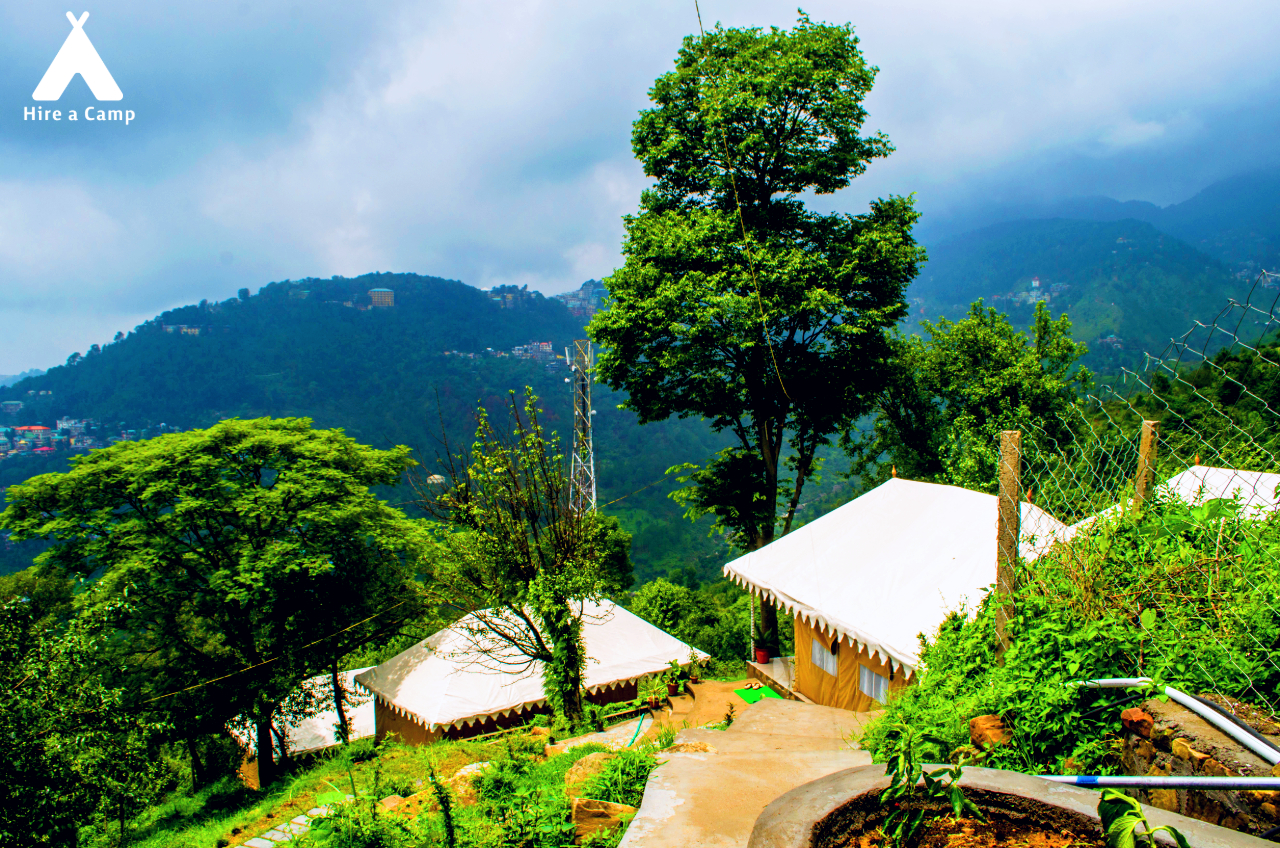
Before and after your mountain venture, the towns and rural pockets throughout the Kangra Valley and Palampur offer a restful base. You can explore a variety of scenic campsites, welcoming homestays, and rustic cottages through HireACamp. Booking a stay in or around Palampur lets you acclimatize comfortably, organize your equipment, and relax amidst pine groves and tea gardens before hitting the trail.
Frequently asked questions
Where is Talang Glacier located?
Talang Glacier is situated in the high Dhauladhar mountain range in the Kangra district of Himachal Pradesh, accessible via trailheads near Palampur.
Is the trek to Talang Glacier suitable for beginners?
No, the trek traverses steep climbs, rocky moraines, and high altitudes, making it best suited for fit and experienced hikers accompanied by knowledgeable local guides.
When is the best time to trek to Talang Glacier?
The best windows are from late May to June before the monsoons, and from September to October when the skies are clear and conditions are stable.
Do I need a local guide for Talang Glacier?
Hiring a local guide is strongly recommended because the upper trails are unmarked, weather conditions can change quickly, and navigating glacial moraines requires local expertise.
What kind of accommodation is available near Talang Glacier?
Along the trekking route, accommodation is limited to self-supported wilderness camping. Comfortable homestays, cottages, and camps in nearby Palampur can be booked on HireACamp for before and after the trek.
Where you'll be
Himachal Pradesh · 4 stays nearby shown with prices
Stays near Talang Glacier
Book a place to stay close by
More places near Talang Glacier
Within 20 km


Built from 0 Instagram posts by 0 creators. Every tip links back to the post it came from, and where creators disagree we show both sides.






