
Barsey Rhododendron Sanctuary
Wildlife sanctuary near Ribdi, Sikkim
3 km from Ribdi
The nearest town, for stays, food and fuel.
Barsey Rhododendron Sanctuary is a protected high-altitude reserve resting along the Singalila Range on the Sikkim-Nepal border in Soreng district. The sanctuary encompasses dense subalpine and temperate forests renowned for sheltering a stunning variety of native rhododendron species. Nature enthusiasts, trekkers, and birdwatchers visit to explore tranquil woodland trails, encounter Himalayan wildlife, and admire sweeping views of the Kanchenjunga mountain range.
Getting there
By road
- From RibdiNearest town11 min · 3.6 km
Typical drive times without traffic. Stations and airports from OLA Maps; distances and typical drive times from OpenStreetMap (© OpenStreetMap contributors); notes from creators' Reels.
About Barsey Rhododendron Sanctuary
Written with AI from map data and general knowledge. Check prices and timings locally before you go.
About Barsey Rhododendron Sanctuary
Barsey Rhododendron Sanctuary occupies a pristine tract of the Singalila Ridge in the Soreng district of Sikkim, directly along the international border with Nepal. Positioned across elevations ranging roughly between 2,200 and 4,100 metres, this protected sanctuary acts as a vital ecological corridor within the eastern Himalayas. The landscape is defined by undulating mountain ridges, moss-covered canopies of oak and magnolia, thick bamboo groves, and expansive swathes of rhododendron forests.
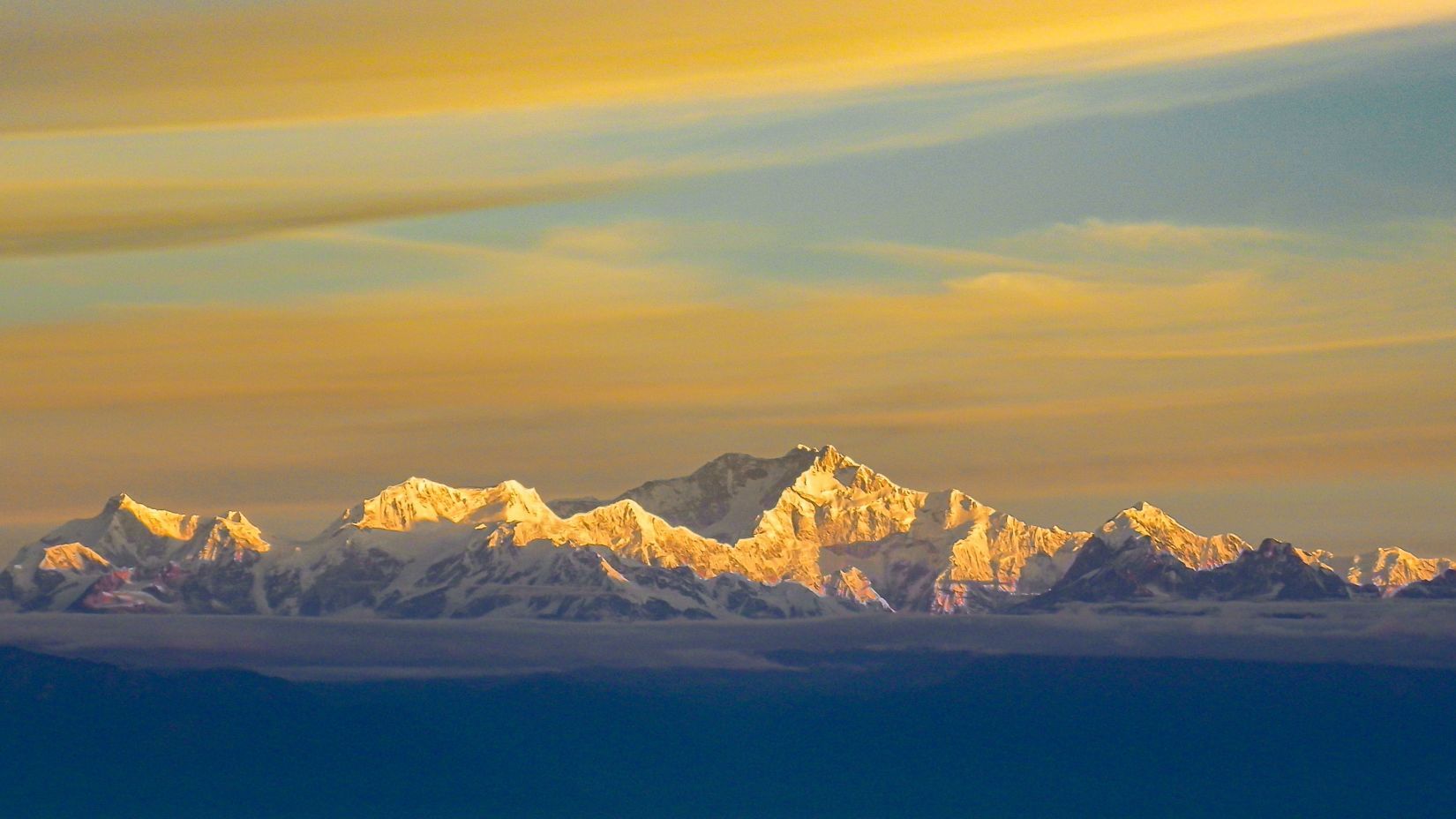
The central attraction of the sanctuary is its extraordinary diversity of rhododendrons. While the genus is celebrated across the Himalayan region, Barsey is home to dozens of distinct species ranging from towering tree-sized specimens to dwarf alpine shrubs. During the peak blooming window, the canopy and undergrowth ignite into vibrant shades of crimson, pink, cream, and pure white. Beyond its floral heritage, the high ridges of the reserve provide wide-angle vistas of Mount Kanchenjunga and surrounding snow-capped peaks rising above deep emerald valleys.
Wildlife and Birdwatching at Barsey
The untamed habitats and varied elevations of Barsey Rhododendron Sanctuary provide safe refuge for a wide range of Himalayan fauna. The dense bamboo thickets found throughout the lower and middle zones are a crucial habitat for the elusive and endangered red panda. Visitors exploring the quieter trails may also cross signs of barking deer, serow, leopard cats, Himalayan black bears, and various species of flying squirrels.
For birdwatchers, the sanctuary offers a rewarding haven filled with high-altitude residents and seasonal migrants. The mixed woodlands are home to Sikkim's state bird, the blood pheasant, which can often be spotted foraging quietly across leaf-littered clearings. Other notable species include the satyr tragopan, kalij pheasant, rufous-vented tit, and various babblers, minlas, laughingthrushes, and sunbirds that feed on the nectar of the blooming trees.
Read more
Trekking Trails and Highlights
Exploring the sanctuary is largely done on foot, with paths that cater to experienced backpackers as well as casual day hikers. The most common entry point is the tiny border village of Hilley. From the entry gate, a scenic, gently ascending trail winds through the forest toward the central clearing of Barsey.
This walk takes visitors through shaded tunnels formed by overarching rhododendron boughs draped in lichen and hanging moss. As you walk along the stone pathways, natural vantage points periodically emerge, granting panoramic views of cloud-filled valleys below. At the sanctuary's core, wide grassy clearings open up directly toward the high peaks on clear mornings. More seasoned trekkers can connect to extended trails running along the Singalila Ridge, unlocking multi-day journeys deeper into the border highlands.
Best Time to Visit Barsey
The character of Barsey Rhododendron Sanctuary changes dramatically across the seasons, making the time of your visit central to what you will experience. The most popular period is spring, extending from late March through early May. This is the blooming season, when the hillsides turn into a vibrant tapestry of flowers and the weather is generally mild during daytime hours, though evenings remain cold.
Autumn, from October to late November, is another wonderful window for travel. While the rhododendron blossoms are absent, the monsoon clouds recede to reveal crystal-clear skies, making autumn the finest season for photography and panoramic views of Kanchenjunga. Winter brings freezing temperatures and occasional snowfall between December and February, transforming the woods into a quiet, frosty wonderland for those prepared for cold conditions. The summer monsoon months from June to September bring heavy downpours, slippery tracks, and leeches, and are generally avoided by casual hikers.
How to Reach Barsey Rhododendron Sanctuary
Barsey Rhododendron Sanctuary is accessible by road from major transit hubs in West Bengal and Sikkim. The nearest broad-gauge railway station is New Jalpaiguri, while the closest commercial airport is Bagdogra. From these transit points, travellers can hire private vehicles or take shared transport toward western Sikkim.
The typical driving route passes through Jorethang and winds upward via the town of Soreng toward small settlements such as Okhrey and Hilley. Hilley serves as the primary roadhead and entrance gate to the sanctuary trail. Mountain roads in this region are picturesque and scenic, tracing rivers and climbing through terraced hillsides, though driving can take longer than anticipated due to winding terrain. It is best to depart early in the day to complete the mountain drive comfortably before dusk.
Tips for Your Visit
Visiting a high-altitude sanctuary requires sensible preparation. Good hiking shoes with firm ankle support and reliable grip are essential, as forest pathways can be damp, uneven, and covered in wet leaves. Dressing in layers is recommended; carry a breathable base layer, an insulating fleece or down jacket, and a reliable waterproof outer layer, as mountain weather can shift quickly.
Because the reserve is a fragile protected ecosystem, visitors must practice responsible travel by packing out all non-biodegradable waste and avoiding loud noise that disturbs the wildlife. Carry a personal reusable water bottle and basic trail snacks. Entry permits are required to enter the sanctuary, and hiring a local guide at the trailhead is advisable for safety, pathfinding, and wildlife spotting. Visitors should check local checkpost requirements and permit guidelines before setting out.
Where to Stay Near Barsey
Staying options directly within the core wilderness of the sanctuary are limited to safeguard the local environment. Most travellers choose to base themselves in the charming villages situated just outside the sanctuary boundary, including Hilley and the neighbouring settlement of Okhrey, or in the larger town of Soreng.
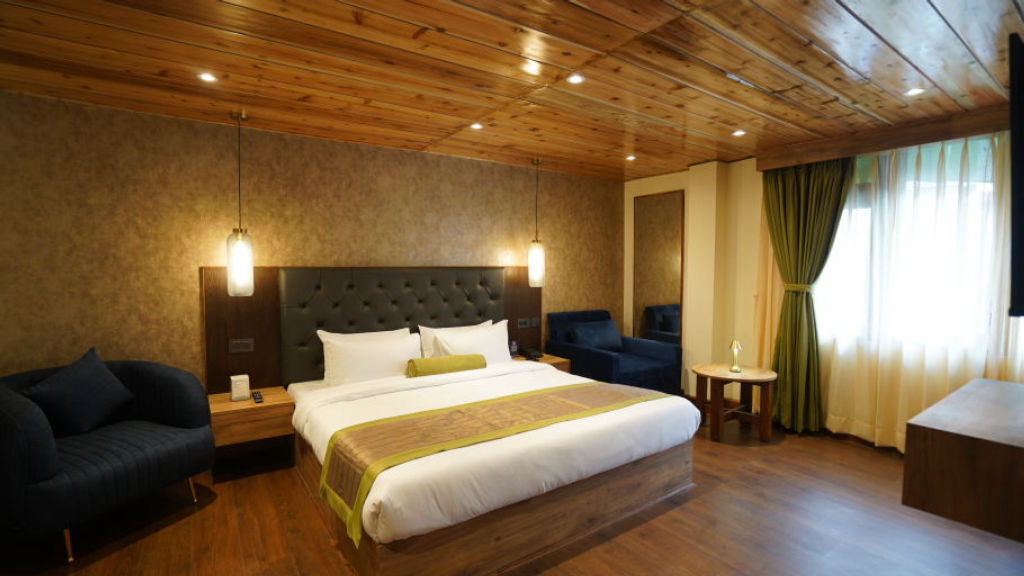
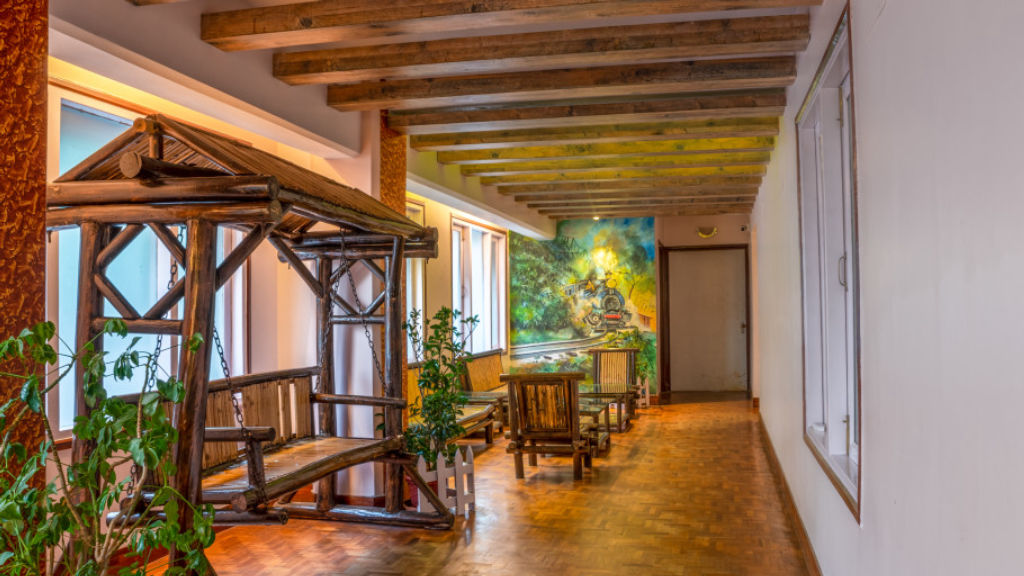
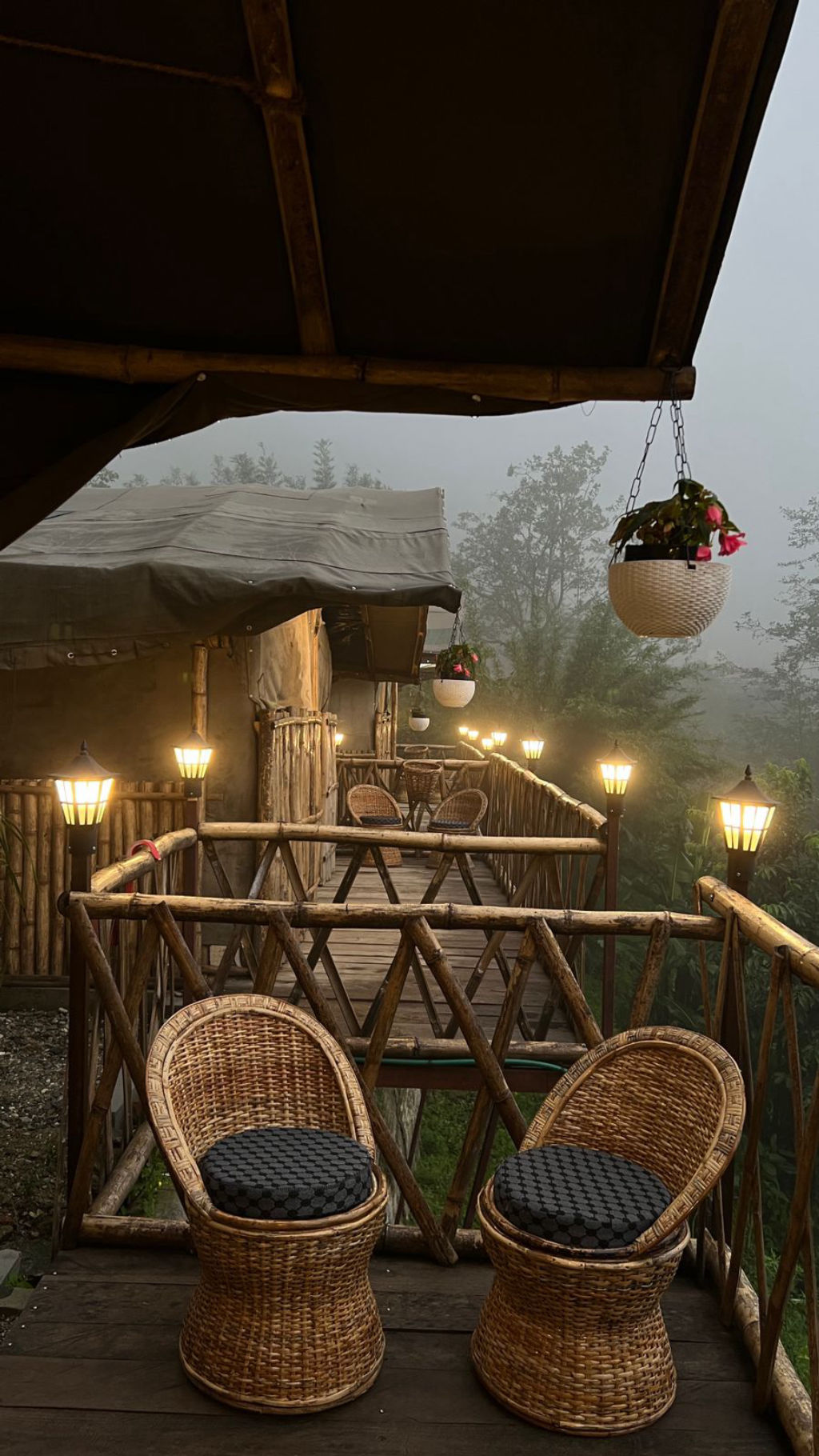
These surrounding hamlets feature traditional homestays and community-run lodges where guests can enjoy authentic Sikkimese hospitality, home-cooked regional meals, and a warm hearth after a long day on the trail. Travellers looking for cosy homestays, scenic rural retreats, and campsites across the Soreng region can explore options available on HireACamp.
Frequently asked questions
When do rhododendrons bloom in Barsey Rhododendron Sanctuary?
The rhododendrons typically bloom between late March and early May, with peak flowering usually occurring in April depending on seasonal weather.
How long is the hike to Barsey from the Hilley gate?
The walk from the Hilley entrance to the central clearing of Barsey is a gentle trek along a forested trail that usually takes between one to two hours at a leisurely pace.
Can I see Mount Kanchenjunga from the sanctuary?
Yes, clear viewpoints within the sanctuary and along the ridge trails offer panoramic views of Mount Kanchenjunga, especially during clear autumn and spring mornings.
What wildlife lives in Barsey Rhododendron Sanctuary?
The sanctuary is home to red pandas, barking deer, Himalayan black bears, leopard cats, and numerous birds including the blood pheasant and satyr tragopan.
Do I need a permit to enter Barsey Rhododendron Sanctuary?
Yes, forest entry permits are required to enter the sanctuary and should be arranged at the forest checkpost or through local authorities before starting the trail.
Where you'll be
Singalila Range Nepal Border, Soreng, SK · 4 stays nearby shown with prices
Stays near Barsey Rhododendron Sanctuary
Book a place to stay close by
More places near Barsey Rhododendron Sanctuary
Within 20 km


Lists for this area
Ranked by how many creators recommend each place


Built from 0 Instagram posts by 0 creators. Every tip links back to the post it came from, and where creators disagree we show both sides.






