
Kartok Lake
Lake near Kaluk, Sikkim
700 m from Kaluk
The nearest town, for stays, food and fuel.
Kartok Lake is a serene freshwater body nestled in the scenic hills of western Sikkim near Soreng. Revered locally for its spiritual significance and tranquil surroundings, the lake offers a peaceful retreat framed by dense Himalayan greenery. Visitors travel here to take quiet walks along the water, observe local birdlife, and experience Sikkim's profound natural beauty away from crowded tourist circuits.
Getting there
By road
- From KalukNearest town2 min · 800 m
Typical drive times without traffic. Stations and airports from OLA Maps; distances and typical drive times from OpenStreetMap (© OpenStreetMap contributors); notes from creators' Reels.
About Kartok Lake
Written with AI from map data and general knowledge. Check prices and timings locally before you go.
About Kartok Lake
Kartok Lake sits among the tranquil, rolling slopes of western Sikkim, in the vicinity of Soreng. Surrounded by thick stands of Himalayan pine, bamboo groves, and lush subtropical foliage, the water body is regarded with deep reverence by local communities. The lake's surface mirrors the shifting mountain skies and the deep green canopy of the surrounding hills, making it an idyllic spot for contemplative strolls and photography.
Historically, water bodies throughout Sikkim hold sacred cultural meaning, often associated with Buddhist traditions and blessings from early religious masters. Kartok Lake embodies this spiritual heritage, where colourful prayer flags frequently flutter on the perimeter, carrying quiet blessings across the water. Unlike heavily commercialised destinations, the atmosphere here remains contemplative, unhurried, and closely tied to nature.
Landscape and wildlife around the lake
The landscape surrounding Kartok Lake is characteristic of Sikkim's middle hills, where steep terraced slopes merge into moist temperate forests. The region receives abundant rainfall during the monsoon months, creating rich topsoil that nourishes a diverse range of plant life, including wild ferns, mosses, and several species of seasonal alpine wildflowers.
This rich habitat makes Kartok Lake and its adjoining forest patches an enjoyable haven for birdwatchers. Visitors often spot regional avian species such as laughingthrushes, flycatchers, sunbirds, and warblers flitting between tree canopies. Small amphibians and freshwater organisms thrive within the lake's ecosystem, while the dense undergrowth provides refuge to small mountain mammals. The quiet nature of the area allows visitors to enjoy natural forest acoustics, from wind whistling through tree canopies to evening crickets.
Read more
Things to do at Kartok Lake
A visit to Kartok Lake is primarily centered around slowing down and enjoying natural stillness. Walking gently along the designated perimeters gives travellers a chance to admire different views across the water and reflect in the calm environment. Carrying a notebook, a sketchbook, or simply spending an hour seated on the water's edge is a rewarding way to pass the morning.
Photography is another popular activity, particularly during early morning hours when mist drifts above the surface or late afternoon when warm sunlight filters through the mountain trees. Travellers interested in regional culture can spend time learning about the local conservation ethics and traditions that keep these sacred waters preserved. While swimming or disturbing the water is not permitted out of respect for local customs, observing the tranquil ripples and quiet surroundings provides plenty of fulfillment.
Best time to visit Kartok Lake
The most favourable months to plan a trip to Kartok Lake are during the autumn and spring seasons, which run from October through November and from March through May respectively. Autumn brings crisp mountain air, clear blue skies, and optimal visibility across the neighbouring ridges. Spring, on the other hand, witnesses warming temperatures and vibrant floral blooms across the landscape, enlivening the hills with colour.
Winter, lasting from December to February, is distinctly cold but typically dry, offering clear daytime views and a quiet, solitary experience for those well-prepared with thermal clothing. The monsoon season, stretching from June to September, brings intense rainfall to western Sikkim. While the hills turn deeply green and waterfalls swell during these months, road journeys can be prone to landslides and delays, requiring travellers to monitor local weather updates closely.
How to reach Kartok Lake
Kartok Lake is accessible from the town of Soreng in western Sikkim. Travellers arriving by air generally fly into Bagdogra Airport in West Bengal, while those arriving by train alight at New Jalpaiguri Railway Station near Siliguri. From the plains, shared and private taxis operate uphill into Sikkim via well-travelled highway corridors running along the Teesta and Rangit river valleys.
From Soreng, local taxis and private vehicles can transport visitors closer to the lake, followed by a short and scenic walk on foot along forest trails. Because mountain roads feature winding curves and varying gradients, driving times can vary based on weather and road conditions. Visitors are encouraged to hire local drivers experienced with navigating hilly terrain.
Tips for your visit
Because Kartok Lake holds local cultural and spiritual significance, visitors are expected to maintain respect throughout their stay. Avoid littering, and make sure to carry all plastic packaging or waste back with you to designated disposal points in town. Refrain from entering or paddling in the water, as the lake is considered sacred.
Weather in the hills can fluctuate within hours, so carrying a light rain jacket or an extra fleece layer is always recommended regardless of the season. Wear comfortable walking shoes with firm tread, as walking paths and unpaved pathways around the lake can turn damp and slick. Also keep cash on hand for travel and small purchases, since cellular connectivity and digital payment facilities may be inconsistent in remote pockets.
Where to stay near Kartok Lake
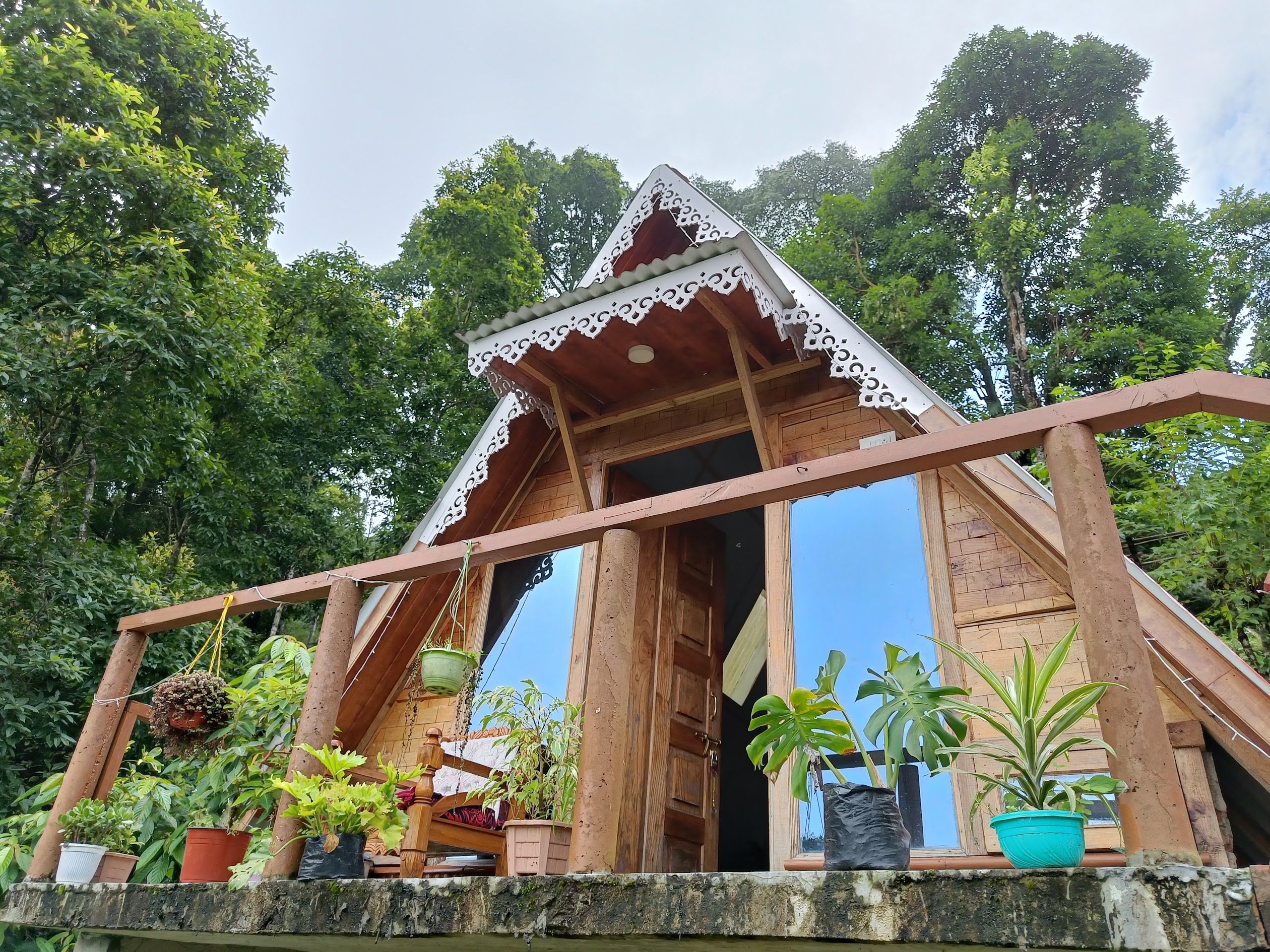
Staying near Soreng and the surrounding valleys of western Sikkim provides easy access to Kartok Lake along with wonderful mountain views. The region is known for warm hospitality, with opportunities to stay in rural homestays, eco-lodges, and nature retreats run by local families. These accommodations give travellers an authentic taste of Sikkimese cuisine and lifestyle.
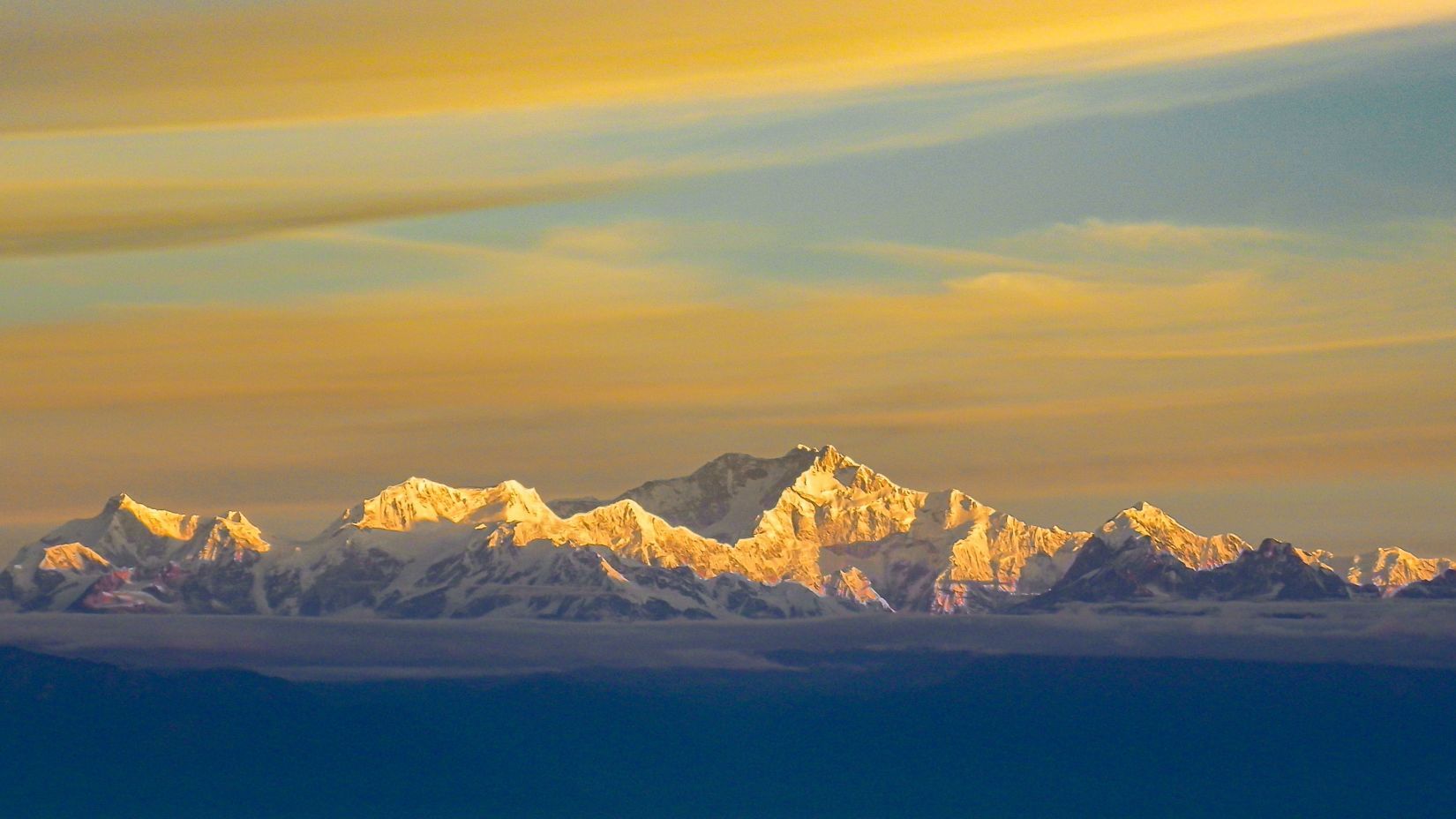
If you prefer falling asleep to forest sounds and waking up to panoramic sunrise vistas, you can explore vetted homestays, nature retreats, and outdoor camps in the area through HireACamp. Booking in advance ensures you find the ideal base for exploring the tranquil hills of western Sikkim at your own pace.
Frequently asked questions
Where is Kartok Lake located?
Kartok Lake is situated in the scenic hills of western Sikkim, near the town of Soreng in India.
Is swimming allowed in Kartok Lake?
No, swimming or stepping into the water is strictly prohibited because the lake is held sacred by local communities.
What is the best time of year to visit Kartok Lake?
The best months to visit are from March to May during spring and from October to November in autumn, when skies are clear and temperatures are mild.
Can I find food and snacks directly at the lake?
Facilities right beside the lake are minimal to preserve its natural environment, so it is wise to carry drinking water and small snacks from nearby towns like Soreng.
How long does a visit to Kartok Lake take?
Most visitors spend between one to two hours taking in the quiet surroundings, walking along the perimeter, and taking photographs.
Where you'll be
Soreng · 6 stays nearby shown with prices
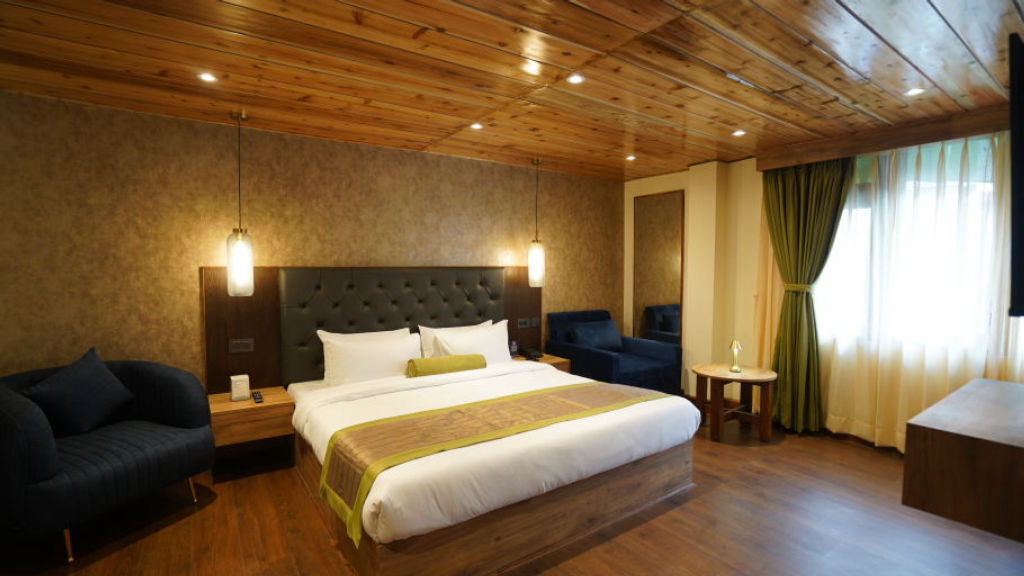
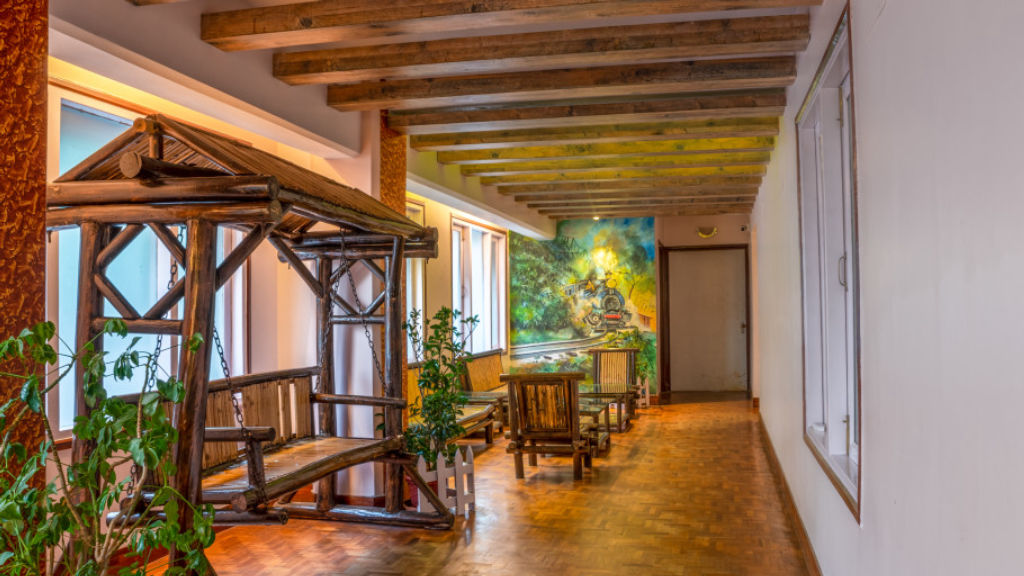
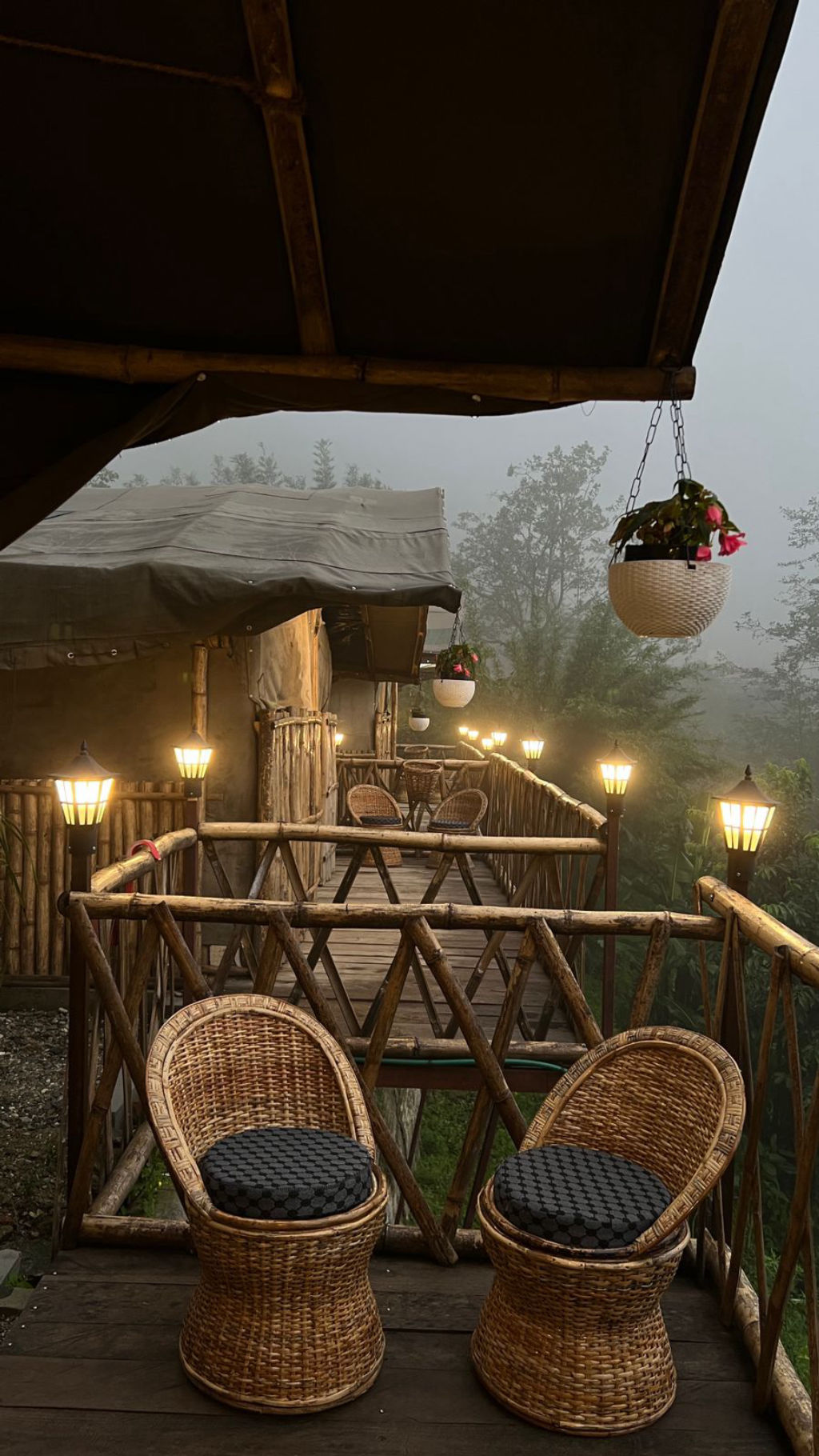
Stays near Kartok Lake
Book a place to stay close by

More places near Kartok Lake
Within 20 km


Lists for this area
Ranked by how many creators recommend each place


Built from 0 Instagram posts by 0 creators. Every tip links back to the post it came from, and where creators disagree we show both sides.






