
Kathok Lake
Lake near Yuksom, Sikkim
300 m from Yuksom
The nearest town, for stays, food and fuel.
Kathok Lake is a sacred natural body of water located near Gyalshing in the western hills of Sikkim. Deeply intertwined with the state's royal and spiritual origins, the lake holds immense religious significance in Tibetan Buddhism. Visitors come to absorb its quiet forest setting, walk along prayer-flag-lined shores, and explore the foundational history of Sikkim.
Getting there
By road
- From YuksomNearest town1 min · 500 m
Typical drive times without traffic. Stations and airports from OLA Maps; distances and typical drive times from OpenStreetMap (© OpenStreetMap contributors); notes from creators' Reels.
About Kathok Lake
Written with AI from map data and general knowledge. Check prices and timings locally before you go.
About Kathok Lake
Kathok Lake, known locally as Kathok Tsho, is an auspicious body of water situated in the historical landscape of West Sikkim near Gyalshing. Regarded as one of the sanctified lakes of the Himalayan state, it holds deep cultural value within the local community and Tibetan Buddhist tradition. The lake is intimately associated with Lama Kathok Rigzin Chenpo, one of the three pioneering lamas who gathered in the seventeenth century to consecrate Phuntsog Namgyal as the first Chogyal, or spiritual king, of Sikkim.
According to local history, sanctified water from this lake was used during purification rituals and the coronation ceremonies that marked the birth of the kingdom. Today, the lake serves as a quiet reminder of the roots of Sikkim's spiritual and royal heritage. Travellers visit the site not only for its tranquil setting nestled amid dense greenery but also to pay homage to a place interwoven with centuries of faith, devotion, and folklore.
The sacred setting of the lake
The perimeter of Kathok Lake is enveloped by tall native trees, moss-covered boulders, and strands of colourful Buddhist prayer flags that flutter in the mountain breeze. These prayer flags, printed with mantras for peace, wisdom, and compassion, impart a meditative atmosphere to the landscape. The water surface frequently catches crisp reflections of the surrounding hillside forest and passing clouds, creating a peaceful scene that invites unhurried contemplation.
Because the lake is held in high reverence as a holy sanctuary, its ecosystem has remained carefully protected. Fish swim freely through the clear shallows, and local customs strictly prohibit fishing, swimming, or polluting the waters. Visitors often walk along the designated lakeside paths, observing the traditional practice of walking clockwise around sacred structures. The rustle of pine needles and the distant chime of monastery bells across the valley deepen the sense of calm.
Read more
Best time to visit Kathok Lake
The experience of visiting Kathok Lake changes with the passing seasons in the western hills of Sikkim. The most favourable periods for a trip are between March and May in the spring, and between October and mid-December in the autumn, when regional weather remains predominantly stable and comfortable.
Springtime from March to May brings pleasant daytime temperatures and the waking of mountain flora. The hillsides surrounding the lake begin to bloom, and the skies are generally clear enough to provide expansive views across the lower Himalayan ridges. This season is particularly comfortable for travellers wishing to combine lakeside exploration with walking and village visits.
Autumn, spanning October and November, is widely regarded as an exceptional period to travel through Sikkim. The heavy monsoon clouds recede, leaving behind crisp mountain air, deep blue skies, and high visibility. Winter brings colder temperatures and frosty mornings, especially from late December through February, requiring heavy woollens but offering quiet, uncrowded days. The summer monsoon months from June to September bring substantial rainfall, which replenishes the lake but can make mountain roads and hiking paths wet and slippery.
How to reach Kathok Lake
Kathok Lake is located in the Gyalshing district of West Sikkim. Reaching this part of the state involves travelling by road through winding mountain corridors that follow the valleys of the Teesta and Rangit rivers.
Travelers typically begin their journey from regional transport hubs in the plains of West Bengal, such as the railway station at New Jalpaiguri or the airport at Bagdogra. From there, road journeys climb into the hills through towns such as Jorethang and Gyalshing before continuing toward the lake's vicinity. The routes are scenic, passing terraced farmlands, river gorges, and small mountain hamlets.
Due to the hilly geography and changing road conditions, road travel typically requires several hours. Visitors can hire private vehicles or take shared taxis operating between the major towns of Sikkim. It is advisable to check regional road alerts and plan journeys to conclude before nightfall, as driving through the hills during daylight is safer and offers uninterrupted landscape views.
Things to do around Kathok Lake
A visit to Kathok Lake naturally lends itself to quiet outdoor activities and cultural exploration. Walking around the lake edge allows visitors to admire the tranquil water and read the inscriptions on prayer monuments that dot the grounds. Photography enthusiasts will find ample opportunities to capture the interplay of filtered sunlight, vibrant flags, and still water reflections.
Beyond the lake itself, the area serves as an entry point to several connected historic landmarks. A short walk leads to the Norbugang Coronation Throne, the stone platform where the first Chogyal was crowned in 1642. The nearby Dubdi Monastery, considered one of the oldest monastic establishments in Sikkim, can be reached via a gentle hike through shaded forest paths filled with native birdlife, oak trees, and rhododendrons.
Birdwatching is another rewarding pursuit in the surrounding forested trails. The quiet environment attracts numerous Himalayan bird species, particularly during early morning hours. Taking unhurried strolls through the nearby village pathways allows travellers to observe traditional architecture and the gentle pace of rural Sikkimese daily life.
Tips for your visit
To make the most of your journey to Kathok Lake, keeping a few local customs and practical points in mind is essential. Because the lake is an active religious landmark, visitors should treat the area with dignity and reverence. Modest clothing that covers shoulders and knees is recommended, and visitors should avoid playing loud music or causing disturbances near the water.
Do not throw offerings, food, or plastic into the lake, as protecting its purity is of paramount importance to the local community. Sturdy walking shoes with reliable grip are recommended for navigating the lakeside paths and cobblestone trails, which can be damp or covered with moss.
Carrying a reusable water bottle, warm layers during cooler months, and an umbrella during shoulder seasons will keep you prepared for sudden shifts in mountain weather. Indian travellers should carry valid photo identification, while foreign nationals must ensure they have the necessary permits required for visiting certain zones within Sikkim. It is always wise to confirm permit guidelines locally before setting out.
Where to stay near Kathok Lake
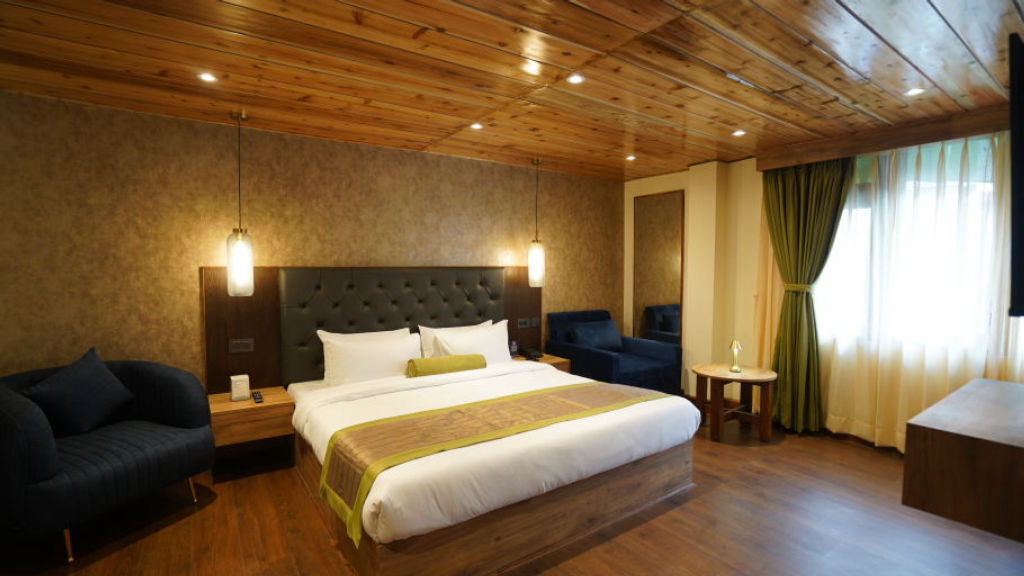
The district around Kathok Lake provides a restful base for travellers who appreciate slow travel and scenic mountain surroundings. Accommodations in this part of West Sikkim focus on immersive regional hospitality, offering quiet stays surrounded by forested slopes and agricultural terraces.
Travellers can discover thoughtfully run campsites, heritage homestays, and rustic guesthouses on HireACamp. Staying with local families provides a unique chance to taste regional organic cuisine, understand local Sikkimese customs, and wake up to mountain vistas. Booking a peaceful stay nearby ensures you can visit the lake during the quietest times of the morning or late afternoon.
Frequently asked questions
Where is Kathok Lake located?
Kathok Lake is located in the Gyalshing district of West Sikkim, India, near historical landmarks associated with the coronation of Sikkim's first monarch.
Why is Kathok Lake considered sacred?
The lake is consecrated by Lama Kathok Rigzin Chenpo, one of the three founding lamas of Sikkim, and its sanctified waters were historically used during royal coronation rituals.
Can visitors boat or swim in Kathok Lake?
No, boating, swimming, fishing, and polluting the water are strictly prohibited to maintain the spiritual purity and ecological balance of the sacred lake.
What is the best time of year to visit Kathok Lake?
The ideal times to visit are during the spring months from March to May and autumn from October to November, when skies are clear and temperatures are pleasant.
Are there other places to see near Kathok Lake?
Yes, nearby historical attractions include the Norbugang Coronation Throne, the ancient Dubdi Monastery, and several peaceful nature trails through the surrounding forest.
Where you'll be
Gyalshing · 1 stay nearby shown with prices
Stays near Kathok Lake
Book a place to stay close by
More places near Kathok Lake
Within 20 km
Lists for this area
Ranked by how many creators recommend each place


Built from 0 Instagram posts by 0 creators. Every tip links back to the post it came from, and where creators disagree we show both sides.






