
Curdi
Destination in Goa
Curdi is a submerged historic village in South Goa that re-emerges each summer when the waters of the Salaulim Dam reservoir recede. Located at the foothills of the Western Ghats along the Salaulim River, it attracts travellers, historians, and former residents who return to walk among the exposed foundations of a lost community. The site offers a poignant glimpse into Goa's agricultural heritage and the human cost of modern infrastructure.
Getting there
By road
- From Mangaluru7 hr 5 min · 343 km
- From Pune10 hr 20 min · 479 km
Typical drive times without traffic. Stations and airports from OLA Maps; distances and typical drive times from OpenStreetMap (© OpenStreetMap contributors); notes from creators' Reels.
About Curdi
Written with AI from map data and general knowledge. Check prices and timings locally before you go.
The Story of Curdi
Curdi, also spelt Kurdi, was once a flourishing agricultural settlement nestled in the fertile basin of the Salaulim River in South Goa. Ringed by the green ridges of the Western Ghats, the village supported hundreds of families who cultivated terraced paddy fields, harvested areca nut and coconut groves, and lived in close connection with the river. It was an ancient settlement with deep cultural roots, marked by sacred groves, centuries-old shrines, and communal gathering spaces.
The fate of the village shifted during the late twentieth century with the commissioning of the Salaulim Dam, an ambitious state project intended to supply drinking and irrigation water across South Goa. As construction progressed in the 1980s, the entire village was marked for submergence. Over six hundred families were relocated to newly established rehabilitation settlements in neighbouring Valkinim and Vaddem. When the dam gates closed and the reservoir filled, Curdi disappeared beneath the water, becoming an underwater ghost village remembered chiefly through oral histories and ancestral memory.
What to See in Curdi
For ten to eleven months of the year, Curdi remains completely out of reach beneath the reservoir surface. However, as the intense tropical heat of late spring lowers the water levels, the river basin dries up and the skeletal remnants of the village are exposed to the open air. Walking across the cracked silt bed of Curdi is a rare, evocative experience where past domestic life reveals itself in tangible detail.
Visitors can trace the network of old village lanes, bordered by stone plinths and collapsed laterite walls that once formed family homes. Petrified tree trunks still rise in neat rows where domestic orchards once stood, alongside dry stone wells filled with river silt. Two prominent cultural landmarks have survived decades of annual inundation: the Someshwar Temple and an old Christian chapel and cross. Former villagers return during this brief dry window to clean the sanctums, light oil lamps and candles, and hold heartfelt religious gatherings on the land of their ancestors.
Read more
Best Time to Visit Curdi
The window of opportunity to visit Curdi is narrow and entirely dependent on the regional weather and reservoir levels. Curdi is accessible only during the peak summer months, typically from late April to late May, occasionally extending into the first week of June before the arrival of the south-west monsoon.
During the monsoon and winter months, from July through to early spring, the reservoir is full and the village remains underwater. Planning a visit in the middle of summer means dealing with warm, dry days, but it is the only time the village floor is solid enough to navigate on foot. Because water withdrawal rates vary each year depending on annual rainfall, it is best to check with local residents in Sanguem to confirm that the ruins have emerged before setting out.
Things to Do in and Around Sanguem
A journey to Curdi offers a great chance to explore the tranquil, verdant interior of Sanguem taluka, a part of Goa far removed from the busy coastal strips. Downstream from the submerged village stands the Salaulim Dam itself. The dam is famous for its massive semi-circular duckbill spillway, a unique piece of hydraulic engineering where excess water pours down into a cavernous central opening.
Adjoining the dam grounds is an expansive botanical garden styled after classical landscaped gardens, filled with paved walkways, shaded trees, and open green lawns that make for a peaceful stop. For travellers interested in spiritual heritage, the ancient monastery of Shree Samsthana Gokarn Partagali Jeevottam Math lies approximately nineteen kilometres away along the Kushavati River, home to centuries of scholarship, classical riverfront architecture, and historic banyan groves.
Nearby Coastal Getaways
While Curdi sits tucked deep in Goa's eastern interior, the drive southwest across the foothills leads straight toward the quiet beaches of Canacona. Within a short overland journey, travellers can reach scenic southern shores such as Patnem Beach and Rajbagh Beach, which offer a refreshing change of pace after exploring the dry reservoir bed.
Patnem Beach provides a quiet crescent of soft sand lined with low-key eateries, ideal for an evening swim and quiet sunset watching. A little further south, Rajbagh Beach sits at the meeting point of the Talpona River and the Arabian Sea, featuring a wide shoreline flanked by dense casuarina trees. The route connecting Sanguem to the coast winds past cashew estates, quiet river crossings, and the forest fringes of the Cotigao region, making it an enjoyable countryside drive.
How to Reach Curdi
Curdi is situated in South Goa and is approached via the market town of Sanguem. Margao is the nearest major railway junction and transportation hub, offering regular train and bus services connecting Goa to the rest of the country. From Margao, the drive inland towards Sanguem and the Salaulim reservoir takes approximately an hour to an hour and a half depending on road conditions.
Public transport directly to the edge of the reservoir is sparse and irregular, so having your own transport is strongly recommended. Hiring a private taxi, driving a car, or riding a two-wheeler allows you to navigate the rural roads easily. Once near the edge of the reservoir basin, dirt tracks lead down to the dry flats, where visitors usually park on firm ground and walk the remaining distance to the ruins.
Tips for Visiting Curdi
The exposed bed of the reservoir offers no tree canopy or constructed shelters, meaning exposure to direct sunlight is unavoidable. It is essential to visit either early in the morning shortly after sunrise or during the late afternoon when the sun is less intense. Carry adequate drinking water, wear a sun hat, apply sun protection, and choose sturdy, closed footwear suitable for walking over cracked mud, uneven stones, and thorny scrub.
Most importantly, visitors should approach Curdi with mindfulness and sensitivity. While the submerged ruins are historically fascinating, this is sacred ground for hundreds of relocated families who retain deep emotional ties to their drowned homeland. Refrain from littering, avoid disturbing the remaining stonework or ritual shrines, and leave the area undisturbed for the local communities who gather here.
Where to Stay near Curdi
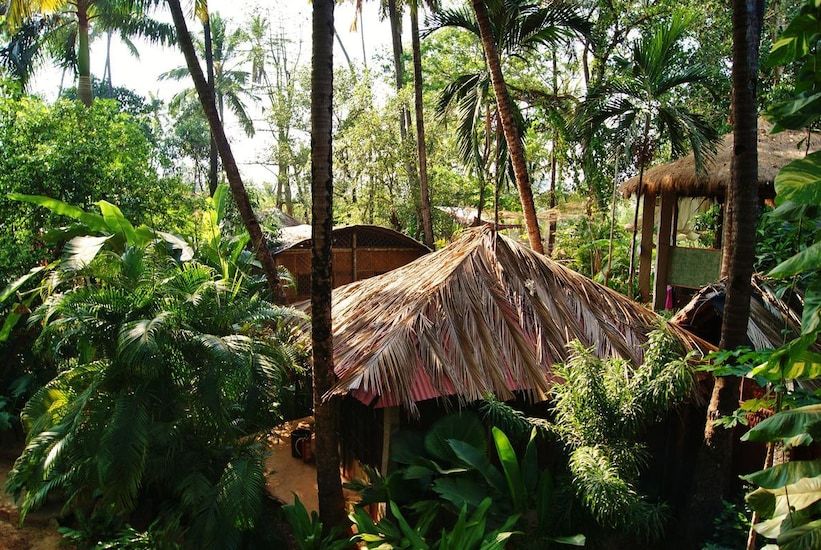
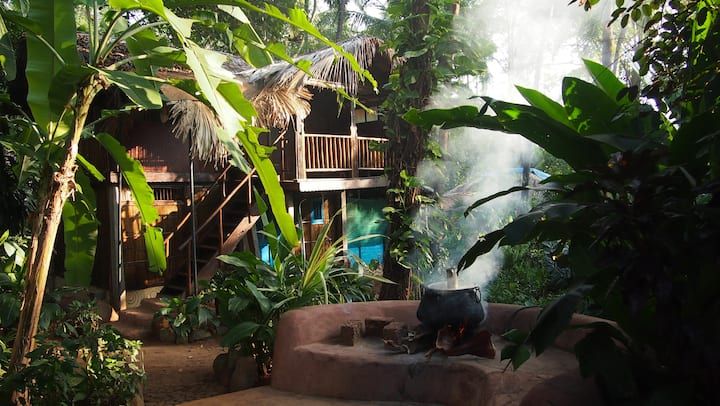
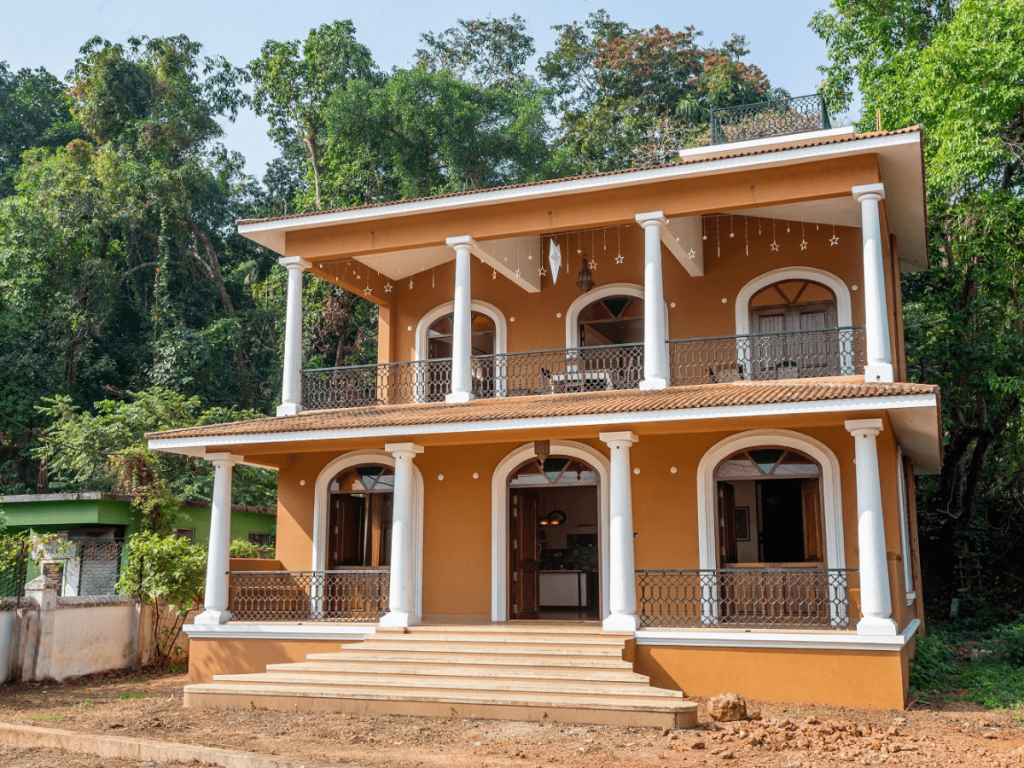
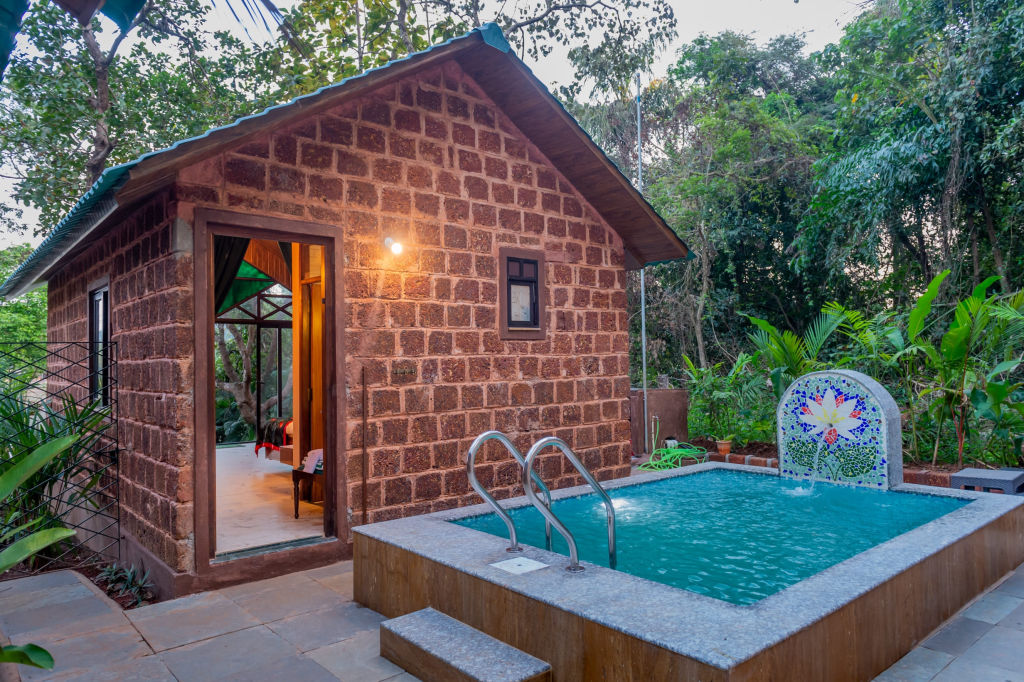
Because Curdi is an uninhabited, submerged flood basin, there are no accommodation facilities on the site itself. Travellers who wish to base themselves near the reservoir typically look toward the rural hinterlands of Sanguem and Quepem, which offer peaceful homestays, plantation stays, and eco-lodges surrounded by lush orchard lands and forested hills.
Alternatively, many visitors stay along the South Goa coast around Canacona, Palolem, or the town of Margao, visiting Curdi as a half-day inland excursion. Stays, homestays, and unique camping experiences across South Goa's hinterlands can be explored and booked through HireACamp.
Frequently asked questions
Why did the village of Curdi submerge?
Curdi was submerged in the 1980s following the construction of the Salaulim Dam on the Salaulim River, a major state project built to supply drinking and irrigation water across South Goa.
When can you see Curdi emerged from the water?
Curdi is typically visible only in late spring and early summer, roughly between late April and early June, when reservoir water levels drop before the arrival of the south-west monsoon.
What structures can still be seen in Curdi today?
Visitors can see the stone plinths and foundations of traditional homes, exposed roadways, old wells, ancient tree stumps, the Someshwar Temple, and an old Christian chapel and cross.
Can I drive directly into the ruins of Curdi?
Vehicles can usually reach the higher, firmer edges of the reservoir bed, but visitors must proceed on foot across the dried mud flats to explore the village ruins.
Is Curdi suitable for a day trip from South Goa beaches?
Yes, Curdi can easily be visited as a morning or afternoon day trip from South Goa coastal areas like Canacona or Margao, with the inland drive taking around an hour to an hour and a half.
Where you'll be
8 stays nearby shown with prices
Stays near Curdi
Book a place to stay close by




Things to do in Curdi
48 places creators recommend within 30 km
Built from 0 Instagram posts by 0 creators. Every tip links back to the post it came from, and where creators disagree we show both sides.






