
Khanqah-e-Moula
Mosque near Nowhatta, Jammu and Kashmir
500 m from Nowhatta
The nearest town, for stays, food and fuel.
Khanqah-e-Moula is a historic fourteenth-century wooden shrine and mosque situated on the right bank of the Jhelum River in Srinagar, Jammu and Kashmir. Built in honour of the Persian Sufi scholar Mir Sayyid Ali Hamadani, it is celebrated for its traditional Kashmiri timber architecture and delicate papier-mache detailing. Travellers and pilgrims visit to experience its spiritual atmosphere, master craftsmanship, and timeless riverfront setting.
Getting there
By road
- From NowhattaNearest town4 min · 1 km
Typical drive times without traffic. Stations and airports from OLA Maps; distances and typical drive times from OpenStreetMap (© OpenStreetMap contributors); notes from creators' Reels.
About Khanqah-e-Moula
Written with AI from map data and general knowledge. Check prices and timings locally before you go.
History and significance of Khanqah-e-Moula
Khanqah-e-Moula stands as one of the most culturally and spiritually significant monuments in the Kashmir Valley. Established in the late fourteenth century, the shrine commemorates Mir Sayyid Ali Hamadani, the revered Persian saint and scholar often referred to affectionately as Shah-e-Hamadan. The saint travelled across Central Asia and visited Kashmir during the reign of the Shah Mir dynasty, bringing with him hundreds of disciples who introduced not only Sufi thought but also vital artisanal skills, including carpet weaving, papier-mache, shawl crafting, and wood carving, which continue to define Kashmiri artistic identity today.
The structure was initially commissioned around 1395 by Sultan Sikandar and has endured multiple reconstructions following accidental fires and seasonal weathering over the centuries. Each restoration faithfully preserved the shrine's quintessential Kashmiri spirit and timber framework. Today, it serves as both an active place of worship and a living testament to the syncretic cultural heritage of the region, drawing visitors seeking quiet contemplation and architectural beauty.
Wooden architecture and interior artistry
The architecture of Khanqah-e-Moula is a prime example of vernacular Kashmiri woodwork, contrasting sharply with the stone and marble domes typical of Indo-Islamic structures across mainland India. Built predominantly with fragrant deodar timber, the building incorporates traditional joinery methods that allow the structure to flex naturally with seismic shifts. Its stepped pyramidal roof rises toward an ornate spire, crowning the riverside skyline of downtown Srinagar with an elegant, pagoda-inspired silhouette.
Inside the prayer hall, visitors encounter an extraordinary showcase of Kashmiri decorative crafts. The walls and wooden ceilings are adorned with elaborate Khatamband woodwork, an intricate technique where geometric pieces of wood fit together seamlessly without metal nails. The surfaces are layered with gilded papier-mache relief work and painted floral arabesques rendered in rich tones of turquoise, lapis lazuli, ochre, and deep crimson. Carved timber pillars flank the central hall, creating an intimate and luminous space that reflects the artistry cultivated in the valley for generations.
Read more
The riverfront setting in old Srinagar
Khanqah-e-Moula is nestled in Shehr-e-Khaas, the historic core of Srinagar, occupying a prominent position on the right bank of the Jhelum River between the old bridges of Fateh Kadal and Zaina Kadal. The shrine's carved wooden balconies overlook the calm waters of the river, where wooden boats occasionally glide past historic brick residences with wooden latticed windows known as jharokhas. This setting provides an authentic glimpse into the daily life and centuries-old urban fabric of old Srinagar.
The surrounding bazaar lanes are filled with traditional bakeries, copperware workshops, spice merchants, and dry fruit stores. Walking toward the shrine through these narrow alleys immerses travellers in the sights and sounds of the old city. From certain elevated viewpoints near the water, one can also view the outline of Hari Parbat rising gently to the northeast, anchoring the shrine within Srinagar's historic landscape.
Best time to visit Srinagar and the shrine
The experience of visiting Khanqah-e-Moula changes dramatically with the rhythm of Kashmir's four distinct seasons. Spring, from March to early May, brings pleasant weather and fresh greenery across the valley, making it ideal for walking through the old quarter. Summer, lasting from May through August, offers warm days and cool evenings, drawing travellers who wish to explore the riverside bazaars and serene shrine courtyards without winter chill.
Autumn, spanning September to November, brings clear blue skies, crisp air, and the striking golden foliage of chinar trees throughout Srinagar. For travellers who appreciate quietude and evocative landscapes, autumn is often considered the most picturesque time to visit. Winter, from December to February, covers the surrounding peaks with snow and brings freezing temperatures. The deodar wood and enclosed prayer chambers of Khanqah-e-Moula feel particularly atmospheric during these colder months, though visitors should pack heavy woollens and thermal wear.
How to reach Khanqah-e-Moula
Khanqah-e-Moula is located in the downtown quarter of Srinagar, roughly ten to twelve kilometres from Srinagar International Airport. Taxis, shared cabs, and auto-rickshaws operate throughout the city and can drop passengers near the entrance gates along the riverfront. Travellers should expect journey times to vary depending on city traffic, especially when navigating the bustling and narrow roads of old Srinagar during peak morning or evening hours.
For those arriving by road into Srinagar from other parts of Jammu and Kashmir, the shrine is conveniently accessible from central transport terminals in Lal Chowk, situated just a few kilometres to the south. Exploring on foot after reaching the Zaina Kadal or Fateh Kadal area is one of the best ways to approach the shrine, as the walking route reveals the historic riverside architecture and vibrant neighbourhood markets that vehicular transport might miss.
Tips for visitors and where to stay
When visiting Khanqah-e-Moula, travellers should dress modestly in loose, respectful clothing that covers the shoulders and knees, as is customary for sacred sites in Kashmir. Footwear must be removed before entering the courtyard and inner sanctum, with designated shoe storage areas available near the entrance. Photography rules inside the sanctum can be specific, so it is best to ask local caretakers before taking pictures of the interiors and worshippers.
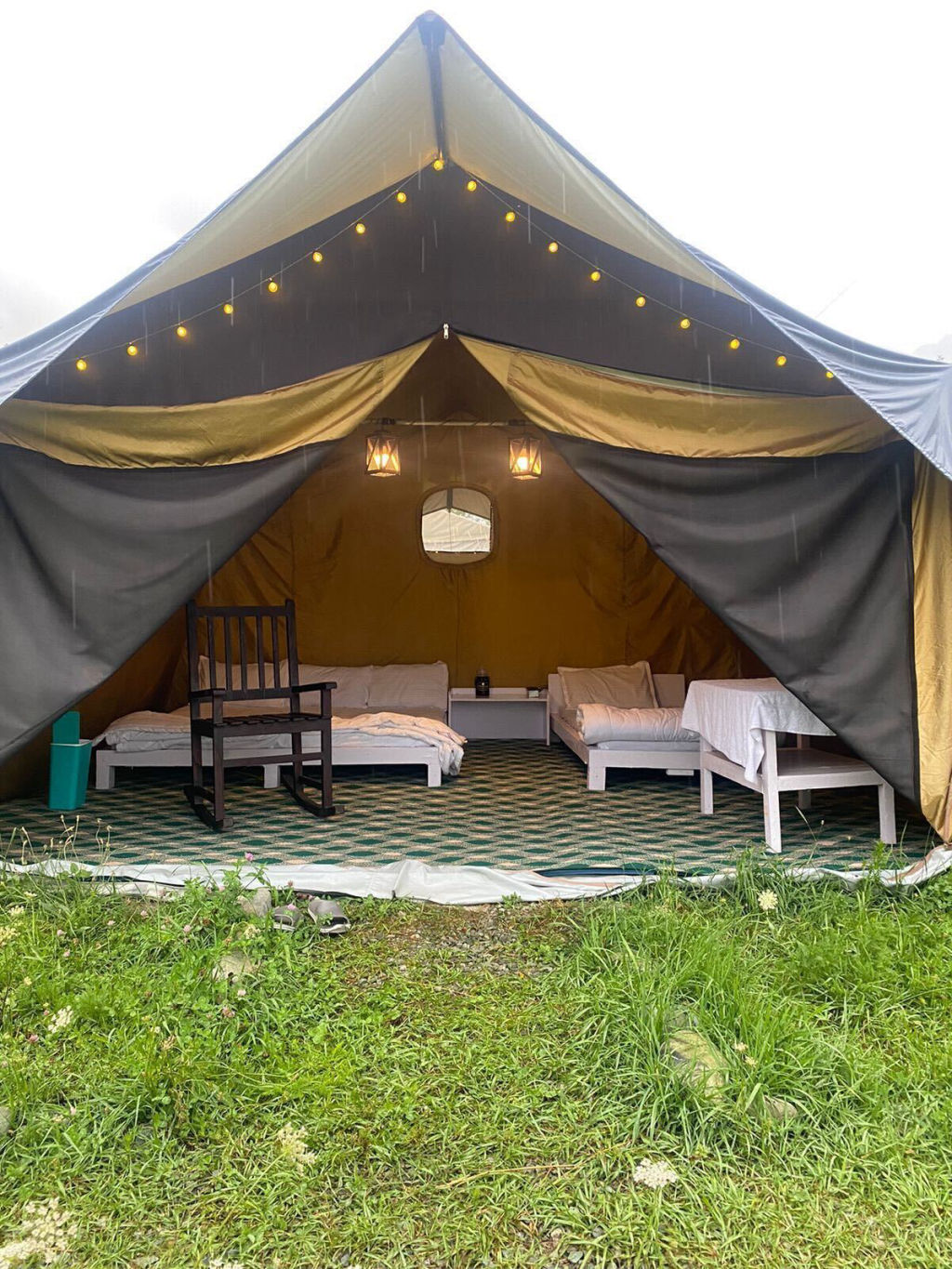
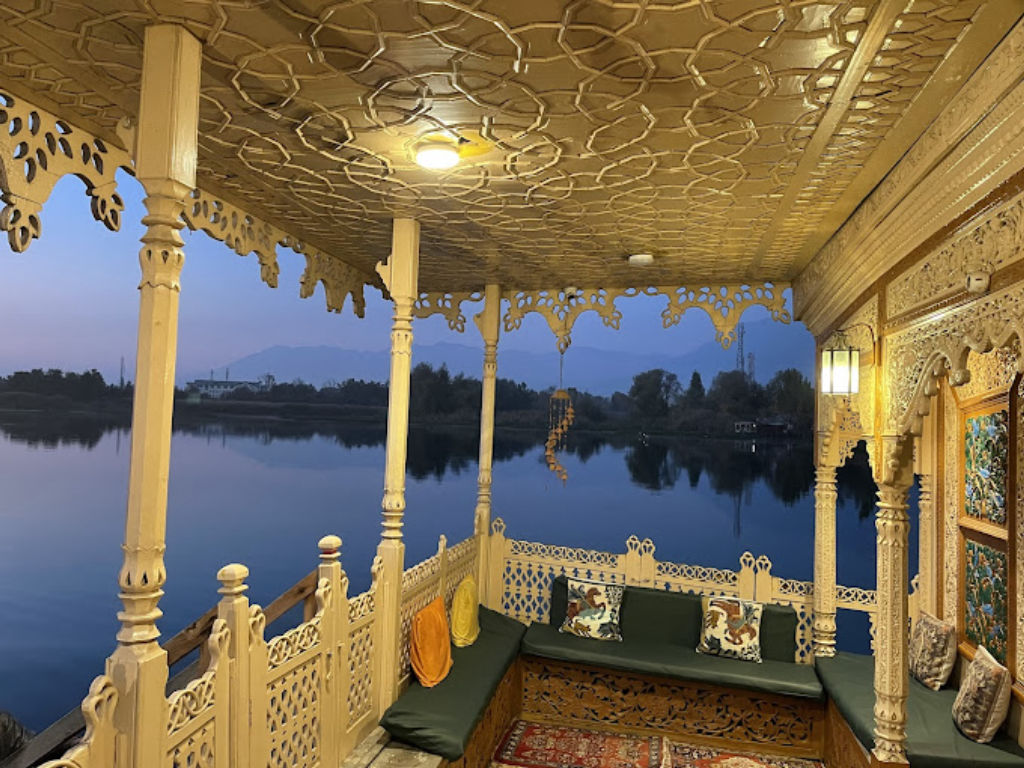
Non-Muslim visitors are welcome to appreciate the architecture from the courtyard and designated viewing sections, while entry into the innermost relic chamber is traditionally reserved for worshippers. For accommodation, travellers planning an extended trip to Srinagar can find a variety of verified homestays, riverside cottages, and outdoor camping experiences across the Kashmir Valley on HireACamp, offering peaceful bases from which to explore the culture of the region.
Frequently asked questions
What is Khanqah-e-Moula famous for?
Khanqah-e-Moula is famous as one of the oldest wooden shrines in Kashmir, renowned for its deodar timber architecture, Khatamband ceilings, papier-mache ornamentation, and association with the fourteenth-century Persian saint Mir Sayyid Ali Hamadani.
Where is Khanqah-e-Moula located?
The shrine is situated on the right bank of the Jhelum River in the Shehr-e-Khaas historic district of Srinagar, Jammu and Kashmir, between the Fateh Kadal and Zaina Kadal bridges.
Are non-Muslim visitors allowed inside Khanqah-e-Moula?
Non-Muslim visitors are welcome to enter the outer courtyards and admire the wooden architecture, though access to the innermost prayer chamber is traditionally reserved for worshippers.
What is the dress code when visiting the shrine?
Visitors must dress modestly with arms and legs fully covered, remove their footwear before entering, and women are generally required to cover their heads with a scarf.
What is the best time of year to visit Khanqah-e-Moula?
The ideal time to visit is from April to October when the weather in Srinagar is mild and comfortable for walking around the riverfront, though autumn offers especially pleasant weather and golden chinar foliage.
Where you'll be
Srinagar · 2 stays nearby shown with prices
Stays near Khanqah-e-Moula
Book a place to stay close by
More places near Khanqah-e-Moula
Within 20 km
Built from 0 Instagram posts by 0 creators. Every tip links back to the post it came from, and where creators disagree we show both sides.






