
Jamia Masjid Srinagar
Mosque near Nowhatta, Jammu and Kashmir
400 m from Nowhatta
The nearest town, for stays, food and fuel.
Jamia Masjid Srinagar is a historic mosque situated in the Nowhatta neighbourhood of Old Srinagar, Jammu and Kashmir. Commissioned by Sultan Sikandar Shah Kashmiri in the late fourteenth century, it stands as one of the finest and largest examples of Indo-Saracenic wooden architecture in the Kashmir Valley. Travellers and pilgrims visit to experience its vast courtyard, serene prayer halls supported by massive deodar pillars, and deep cultural heritage.
Getting there
By road
- From NowhattaNearest town5 min · 1.1 km
Typical drive times without traffic. Stations and airports from OLA Maps; distances and typical drive times from OpenStreetMap (© OpenStreetMap contributors); notes from creators' Reels.
About Jamia Masjid Srinagar
Written with AI from map data and general knowledge. Check prices and timings locally before you go.
History and architecture of Jamia Masjid Srinagar
Jamia Masjid Srinagar was commissioned in 1394 CE by Sultan Sikandar Shah Kashmiri and completed around 1402 CE. Over the centuries, the mosque suffered multiple fires during different ruling eras, including under the Mughals and later Afghan rulers, but it was faithfully rebuilt each time while preserving its original spatial character and design spirit. Today, it remains the principal congregation site for Friday prayers in the valley and an enduring symbol of Srinagar's Islamic architecture.
Unlike conventional mosques across northern India that feature heavy stone domes and tall minarets, Jamia Masjid is constructed in the traditional Kashmiri wooden architectural style. The entire complex is laid out around a grand square courtyard, flanked by four arcaded prayer halls that open toward the centre. Above the rooflines, stepped wooden spires reminiscent of ancient pagoda forms replace traditional bulbous domes, showcasing a unique synthesis of regional craft and classical Islamic architectural concepts.
The most breathtaking structural element of the mosque is its forest of carved deodar pillars. More than three hundred massive pillars carved from single Himalayan cedar trunks support the timber ceilings of the halls. These straight, towering columns lend the vast indoor prayer spaces an atmosphere of quiet grandeur, framing vistas across the polished wooden floors toward the open central courtyard and its bubbling fountain.
The atmosphere and courtyard at Jamia Masjid Srinagar
Stepping through the grand wooden gateways of Jamia Masjid Srinagar brings an immediate sense of stillness that contrasts sharply with the energetic bazaars of Nowhatta outside. The expansive central square is laid with green lawns, stone pathways, and a large ablution pool shaded by historic chinar trees. The rustle of chinar leaves and the gentle sound of water from the fountain provide a peaceful natural soundtrack within the high brick walls.
During quiet hours of the day, visitors will find local elders sitting under the colonnades, students reading, and birds flitting between the timber eaves. The courtyard design allows light and breeze to flow freely through the entire complex, making it a soothing sanctuary to rest and reflect while exploring the historic alleys of Downtown Srinagar.
Read more
Best time to visit Jamia Masjid Srinagar
Srinagar experiences distinct seasons, each lending a different character to Jamia Masjid Srinagar and its surrounding old city. Spring, lasting from late March through early May, brings pleasant daytime temperatures, blossoming gardens, and vibrant greenery throughout the valley. This is an ideal period for walking tours through Nowhatta and spending quiet time in the courtyard.
Summer, between June and August, offers warm days and cool evenings, making it comfortable to explore indoor halls and shaded courtyards. Autumn, spanning September to November, transforms the chinar trees inside the mosque complex into striking shades of amber, copper, and gold. Winter brings sub-zero temperatures and occasional snowfall from December to February. Seeing the wooden pagoda roofs and the central fountain ringed with snow offers a completely different, atmospheric perspective, though warm woollen clothing is essential.
How to reach Jamia Masjid Srinagar
Jamia Masjid Srinagar is located along the Nowhatta Kathi Darwaza Road in the heart of Downtown Srinagar. Sheikh Ul-Alam International Airport in Srinagar is the nearest air gateway, connected by regular flights to major Indian cities. The nearest major railway hub is Jammu Tawi, while local train services connect Banihal to Srinagar within the valley.
From the tourist hub around Dal Lake or Lal Chowk, travellers can easily hire an auto-rickshaw or taxi to reach Nowhatta. Downtown roads can become narrow and congested during peak afternoon hours, so choosing local transport or walking through the neighbourhood is often the most practical way to reach the mosque gates. It is advisable to verify local traffic patterns and prayer times before setting out.
Tips for your visit to Jamia Masjid Srinagar
Because Jamia Masjid Srinagar is an active place of worship, all visitors are requested to dress modestly. Both men and women should wear clothing that covers their arms and legs fully. Women are required to cover their heads with a scarf or shawl before stepping inside the complex, and men are also encouraged to dress respectfully.
Footwear must be removed at the designated shoe counters near the entrance gates before entering the carpeted prayer halls or stepping onto the raised platforms. Photography is generally allowed in the outdoor courtyard, but visitors should avoid taking photographs of people engaged in prayer and should always maintain silence within the prayer halls. Visiting during Friday congregational prayers can be intensely crowded, so casual sightseeing is best done on other weekdays during non-prayer hours.
Places to visit near Jamia Masjid Srinagar
The Nowhatta and Downtown areas of Srinagar are rich with historical landmarks within short distances of the mosque. Hari Parbat, a prominent hill crowned by a historic fort and surrounded by significant temples, gurdwaras, and shrines, stands roughly one kilometre to the north. At its base lies Badamwari Park, famous for its almond blossoms during early spring.
Slightly further east and south, travellers can reach the serene waters of Nigeen Lake and the bustling shores of Nehru Park along Dal Lake, roughly three kilometres away. For those interested in regional arts, the surrounding neighbourhoods and city emporiums showcase renowned Kashmiri handicrafts, including pashmina shawls, walnut wood carvings, papier-mâché artefacts, and hand-knotted wool rugs.
Where to stay near Jamia Masjid Srinagar
Travellers visiting Jamia Masjid Srinagar generally base themselves in the central neighbourhoods of Srinagar, along Dal Lake, or around the quieter waters of Nigeen Lake. Staying nearby allows easy morning access to the heritage quarters of the old town as well as the city's scenic waterfronts.
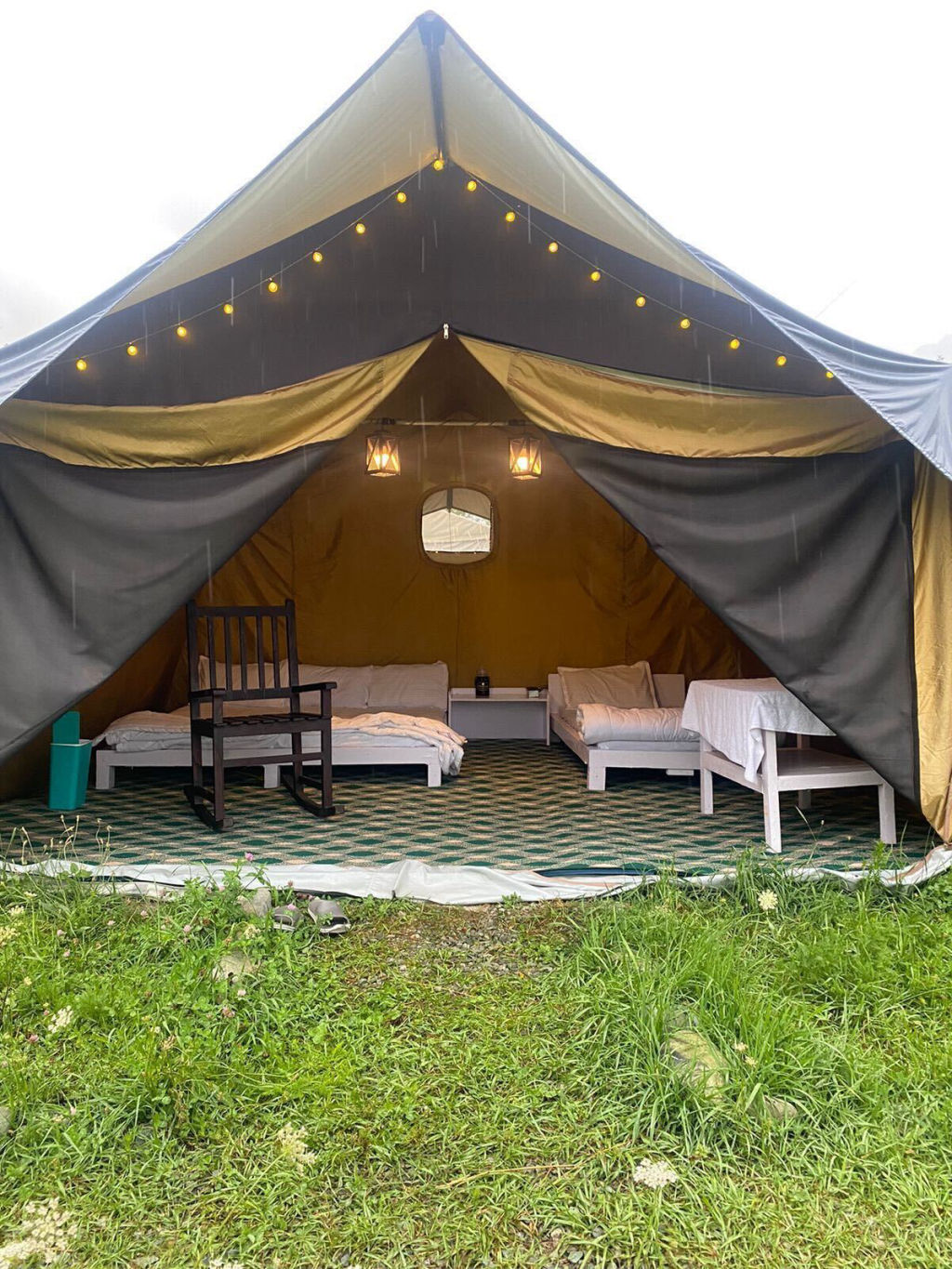
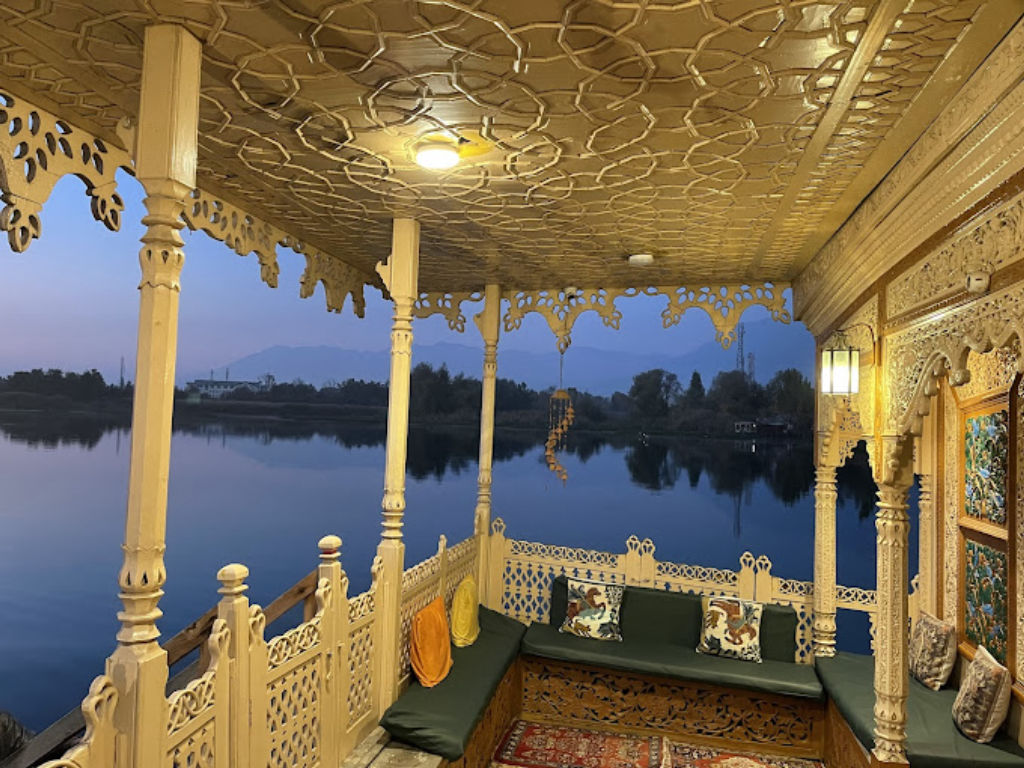
A variety of homestays, guest houses, boutique cottages, and unique waterside stays across Srinagar and neighbouring valley towns can be discovered and booked on HireACamp. These stays offer an authentic way to experience local hospitality, home-cooked Kashmiri food, and tranquil outdoor settings throughout the region.
Frequently asked questions
What is unique about the architecture of Jamia Masjid Srinagar?
Jamia Masjid Srinagar is celebrated for its traditional Kashmiri wooden architecture, featuring three hundred and seventy-eight massive deodar tree pillars, stepped wooden spires, and an open central courtyard instead of classic stone domes and minarets.
Is there a dress code for visiting Jamia Masjid Srinagar?
Yes, visitors must dress modestly with arms and legs covered. Women must cover their heads with a scarf, and all shoes must be removed before entering the mosque premises.
Can non-Muslim visitors enter Jamia Masjid Srinagar?
Yes, non-Muslim visitors are welcome to enter and explore the courtyard and prayer halls outside of congregational prayer times, provided they dress respectfully and follow the code of conduct.
When is the best time of the day to visit Jamia Masjid Srinagar?
Early mornings and late afternoons on non-Friday weekdays are the quietest times to visit, allowing travellers to appreciate the peaceful courtyard and intricate woodwork without crowds.
Which historic sites are closest to Jamia Masjid Srinagar?
The historic hill of Hari Parbat and Badamwari Park are located approximately one kilometre away, while Nigeen Lake and Dal Lake are roughly three kilometres from the mosque.
Where you'll be
Nowhatta Kathi Darwaza Road, Srinagar · 2 stays nearby shown with prices
Stays near Jamia Masjid Srinagar
Book a place to stay close by
More places near Jamia Masjid Srinagar
Within 20 km
Built from 0 Instagram posts by 0 creators. Every tip links back to the post it came from, and where creators disagree we show both sides.






