
Naqshband Sahib Shrine
Mosque near Nowhatta, Jammu and Kashmir
100 m from Nowhatta
The nearest town, for stays, food and fuel.
Naqshband Sahib Shrine is an esteemed historic Sufi shrine and mosque located in the historic downtown area of Srinagar, Jammu and Kashmir. Built in the classic vernacular style of the Kashmir Valley, it features masterfully executed wooden craftsmanship, including traditional Khatamband ceilings and carved deodar timber. Travellers and pilgrims visit the complex to experience its tranquil spiritual atmosphere, admire its rare architectural heritage, and learn about the region's centuries-old Sufi traditions.
Getting there
By road
- From NowhattaNearest town1 min · 300 m
Typical drive times without traffic. Stations and airports from OLA Maps; distances and typical drive times from OpenStreetMap (© OpenStreetMap contributors); notes from creators' Reels.
About Naqshband Sahib Shrine
Written with AI from map data and general knowledge. Check prices and timings locally before you go.
History and Significance of Naqshband Sahib Shrine
The Naqshband Sahib Shrine holds a revered position within the spiritual fabric of Srinagar. Dedicated to the lineage of Khwaja Syed Baha-ud-Din Naqshband, the fourteenth-century founder of the prominent Naqshbandi Sufi order, the shrine has served as an enduring center for contemplation and communal prayer across generations. Although Khwaja Baha-ud-Din lived in Central Asia and never visited the region in person, his spiritual descendants journeyed along the ancient trade and cultural routes into the Kashmir Valley, establishing deep roots and prominent community bonds in Srinagar during the Mughal era.
Over successive centuries, the complex expanded into an important gathering space for local residents and visiting devotees. The compound also holds historical resonance due to its association with pivotal moments in regional history and the presence of historic resting places within its precincts. For travellers interested in understanding Kashmir beyond its landscape, the shrine provides direct insight into the spiritual philosophy and community traditions that have shaped the valley's social and cultural identity.
Architectural Heritage and Craftsmanship
What sets Naqshband Sahib Shrine apart from modern religious structures is its preservation of indigenous Kashmiri architecture. Unlike the domed and arched stone monuments typical of the northern Indian plains, this shrine reflects the valley's vernacular building tradition that evolved to withstand local weather conditions and seismic activity. The foundation and walls incorporate alternate courses of stone masonry and seasoned timber beams, an ancient structural system historically known to lend flexibility and resilience to Himalayan buildings.
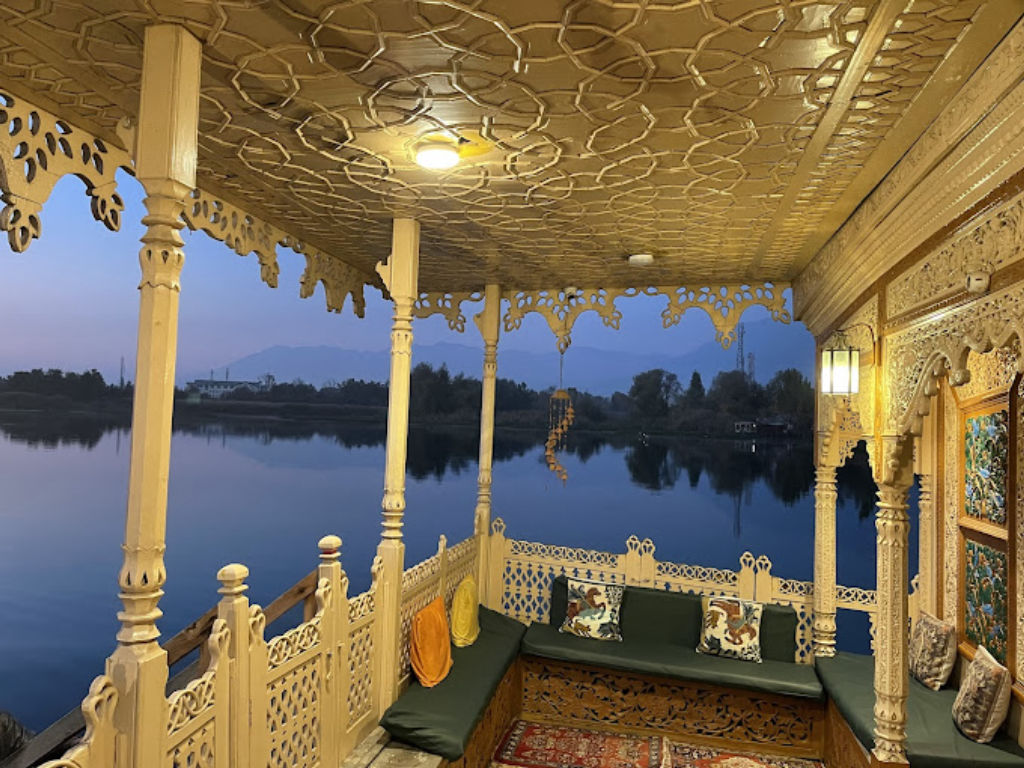
Inside the prayer spaces, visitors will immediately notice the ceiling adorned with Khatamband work. Khatamband is an intricate woodcraft tradition native to Kashmir where small, polygon-shaped pieces of deodar or walnut wood are assembled into elaborate geometric patterns without the use of nails. Complemented by delicate pinjrakari latticework on window openings, polished timber pillars, and carved cornices, the interior stands as an enduring showcase of the extraordinary dexterity of local carpenters and woodcarvers through the centuries.
Read more
Best Time to Visit Srinagar
Srinagar experiences four distinct seasons, each offering a noticeably different environment for visiting the old town and the shrine. Spring, spanning from late March through early May, brings pleasant breezes and vibrant blooms throughout the surrounding gardens and hills, making walks through the heritage quarters comfortable. Summer, from May to August, remains the most popular travel window for Kashmir, characterized by warm daytime temperatures that are well suited for extended sightseeing.
Autumn, lasting from September to November, is marked by crisp air, clear skies, and the golden transformation of Chinar leaves across the city. This season offers a quiet, contemplative atmosphere with moderate daytime temperatures. Winter, extending from December to February, transforms the valley with sub-zero temperatures and occasional snowfall. While winter requires heavy warm clothing and careful planning due to cold conditions, witnessing the snow-covered wooden roofs of the old city offers a memorable perspective.
How to Reach Naqshband Sahib Shrine
The shrine is situated in the historic downtown area of Srinagar, easily accessible from different parts of the city. If arriving by air, Srinagar International Airport connects the region with major Indian cities including Delhi, Mumbai, and Chandigarh. From the airport, pre-booked taxis and rental cabs provide direct transport to the city center and the old quarter.
Travellers arriving overland by train generally reach the railhead at Jammu Tawi or Udhampur before continuing onward to Srinagar via road along the national highway. Within Srinagar, local auto-rickshaws, shared cabs, and private taxis run routinely toward the downtown areas. Navigating the narrower lanes immediately surrounding the shrine is often easiest on foot, giving visitors an opportunity to take in the bustling street life, traditional bakeries, and heritage homes along the way.
Tips for Visiting the Shrine
Because Naqshband Sahib Shrine is an active place of daily prayer and religious gathering, visitors are encouraged to respect local customs and dress codes. Both men and women should wear modest clothing that covers shoulders and legs. It is customary to cover one's head before stepping inside the prayer hall and inner compound, so carrying a light scarf, shawl, or cap is recommended.
Footwear must be removed before entering the indoor spaces, with designated areas near the entrance where shoes can be kept safely. Maintain a quiet and respectful demeanor throughout the grounds, especially during prayer times when worshippers are gathered. Photography policies inside the prayer halls can vary, so it is best to ask for permission from the shrine attendants or local caretakers before taking photographs of the interior craftsmanship.
Places to Visit Near the Shrine
A trip to Naqshband Sahib Shrine naturally pairs with exploring the historic and cultural landmarks of Srinagar's downtown district. Located roughly one kilometre to the north is the prominent hill of Hari Parbat, crowned by the historic Durrani Fort. The hill is a vital cultural landmark home to shrines of different faiths and offers panoramic vantage points overlooking Srinagar, Dal Lake, and the encircling mountain ranges.
The lanes surrounding the shrine are lined with traditional craft workshops where artisans continue age-old Kashmiri traditions such as carpet weaving, copper beating, papier-mâché, and pashmina spinning. Exploring the local handicraft centers and heritage markets nearby provides a deeper understanding of the artistic heritage that defines Srinagar. A relaxed walk through these older neighbourhoods offers a genuine look at everyday life along the Jhelum River basin.
Where to Stay
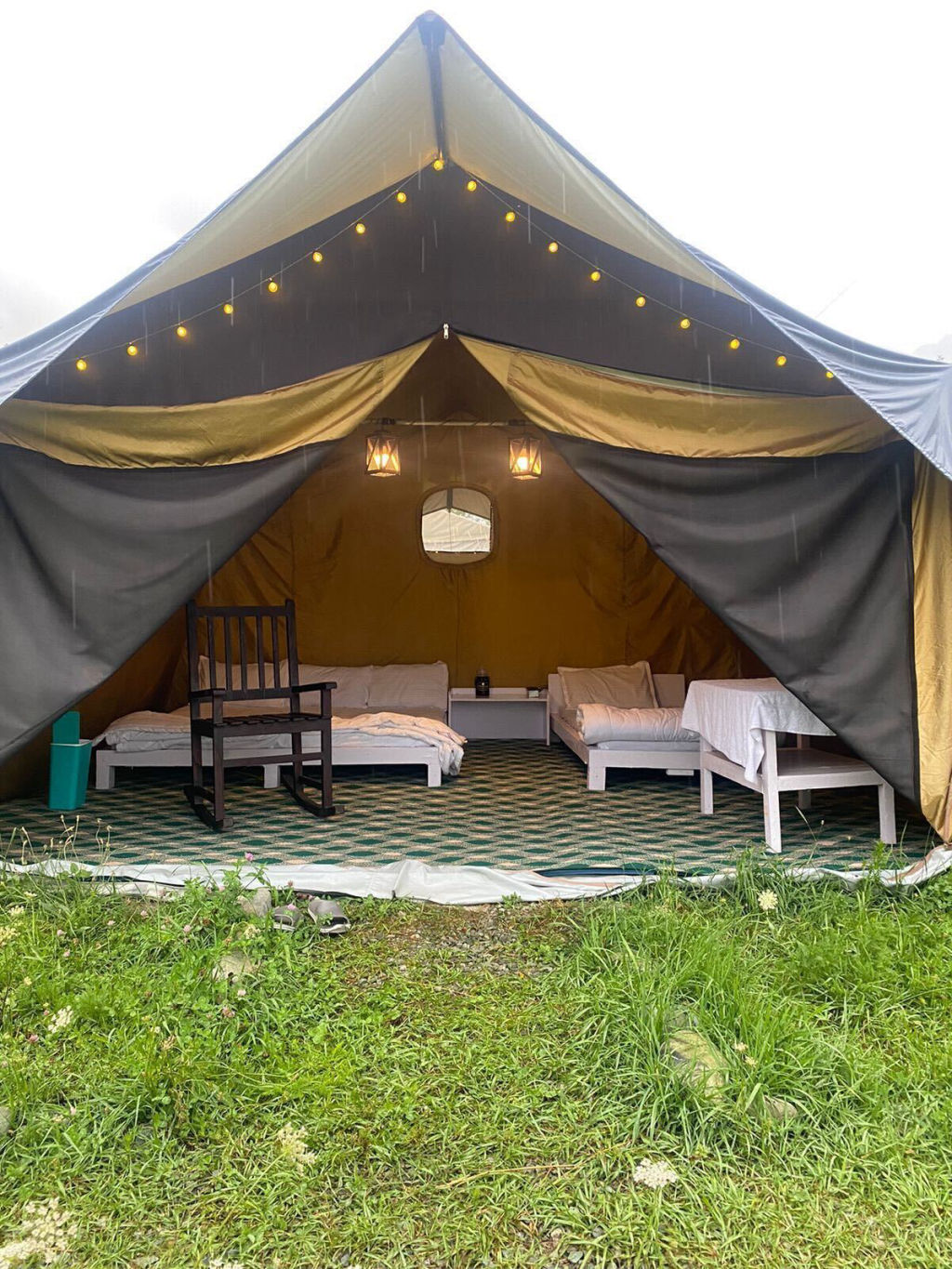
Travellers visiting Srinagar can choose from a wide range of stay options, from cozy residential homestays in traditional neighbourhoods to peaceful eco-camps and scenic retreats on the outskirts of town. Staying close to the historic district provides convenient access to ancient shrines, bustling bazaars, and local craft centers. Those looking for immersive, characterful stays in and around Srinagar can browse curated homestays, nature retreats, and camping experiences on HireACamp.
Frequently asked questions
What is Naqshband Sahib Shrine famous for?
The shrine is famous for its historical association with the Naqshbandi Sufi order and for its exceptional traditional Kashmiri wooden architecture, particularly its intricate Khatamband ceilings and carved deodar timber.
Is photography allowed inside Naqshband Sahib Shrine?
Photography is usually permitted in the outdoor courtyards, but restrictions may apply inside the sanctum and prayer halls. Visitors should check locally with the shrine caretakers before taking pictures.
What is the dress code for visiting the shrine?
Visitors should dress modestly with arms and legs covered. Both men and women are required to cover their heads when inside the shrine complex, so carrying a scarf or cap is advised.
How far is Hari Parbat from Naqshband Sahib Shrine?
Hari Parbat is located approximately one kilometre from the shrine, making it easy to visit both heritage sites within the same excursion in old Srinagar.
What is Khatamband woodwork seen in the shrine?
Khatamband is a heritage Kashmiri woodcraft where small, geometric wooden pieces are fitted together into ceilings without the use of nails, creating striking mosaic patterns.
Where you'll be
Srinagar · 2 stays nearby shown with prices
Stays near Naqshband Sahib Shrine
Book a place to stay close by
More places near Naqshband Sahib Shrine
Within 20 km
Built from 0 Instagram posts by 0 creators. Every tip links back to the post it came from, and where creators disagree we show both sides.






