
Dzongri
Destination in Sikkim
Dzongri is a high-altitude mountain settlement and trekking outpost set deep within the heart of West Sikkim in the Eastern Himalayas. Perched at an elevation of roughly 4,000 metres above sea level, it is celebrated among mountaineers and trekkers for its panoramic views of Mount Kangchenjunga and surrounding Himalayan peaks. Travellers venture here to immerse themselves in alpine meadows, dense rhododendron forests, and pristine wilderness that feels far removed from urban life.
Getting there
About Dzongri
Written with AI from map data and general knowledge. Check prices and timings locally before you go.
What Dzongri is known for
Dzongri is primarily known across the world as a premier acclimatisation halt and vantage point along the legendary Goecha La trekking route. Surrounded by the protected wilderness of Khangchendzonga National Park, the settlement is enclosed by rugged ridgelines, glacial valleys, and extensive alpine meadows. Unlike typical lowland towns, Dzongri does not have a permanent residential urban structure; instead, it serves as an atmospheric mountain waypoint used by trekkers, local yak herders, and wilderness guides.
The defining feature of Dzongri is its close-up panorama of several of the world's most dramatic Himalayan peaks. From vantage points around the area, travellers can take in clear lines of sight to Mount Kangchenjunga, Kabru, Simvo, Pandim, and Rathong. Beyond the snowy summits, the landscape itself is remarkable for its stark beauty, where dwarf rhododendrons, juniper bushes, and high-altitude grasses brave the freezing mountain winds.
Things to do in and around Dzongri
The signature activity in Dzongri is the pre-dawn hike up to Dzongri Top, also referred to as Dzongri Viewpoint. Trekking up this ridge before sunrise allows you to watch the first golden rays illuminate the snowfields of Mount Kangchenjunga and Mount Pandim. The sight of prayer flags fluttering against a 360-degree backdrop of towering granite and ice makes the steep morning climb well worth the exertion.
Exploring the expansive meadows of the Dzongri plateau is another highlight. Walking across the open ground gives visitors an intimate look at high-altitude ecology, including unique alpine flora, grazing yaks, and mountain bird species such as the Himalayan monal and blood pheasant. For those equipped and acclimatised for longer journeys, Dzongri serves as the base for continuing onwards towards Thansing, Lamuney, Samiti Lake, and the high pass at Goecha La.
Read more
Getaways and trails near Dzongri
Because Dzongri is situated deep within the wilderness corridor of West Sikkim, nearby getaways consist of alpine trails, mountain passes, and traditional valley villages. Further ahead on the trail lies the pristine Samiti Lake, a sacred high-altitude water body known for its crystalline reflection of Mount Pandim. Continuing past the lake leads adventurous trekkers to the Goecha La viewpoints, bringing them right to the edge of Kangchenjunga's southeastern face.
Down valley lies Yuksom, the historical first capital of Sikkim and the traditional trailhead for Dzongri. Yuksom offers a tranquil change of pace with its ancient monasteries, traditional Sikkimese wooden houses, and peaceful forest lakes. To the south along the Singalila Ridge sits Phalut, located approximately 31 kilometres away as the crow flies across dramatic border ridges. While reaching Phalut directly from Dzongri involves specialised long-distance ridge traverses, both share the same commanding outlook over the great Himalayan divide.
Best time to visit Dzongri
Dzongri experiences severe alpine weather, meaning travel is largely confined to two distinct trekking windows each year: spring and autumn. Spring, spanning from late March to mid-May, brings warming temperatures and the blooming of wild rhododendrons across the lower valleys. During these months, the slopes around Dzongri burst with pink, red, and white blossoms, though afternoon mist and clouds can occasionally obscure the highest peaks.
Autumn, running from late September through November, offers the clearest skies and the sharpest mountain views. Following the withdrawal of the summer monsoon, the air is crisp, dry, and exceptionally transparent, providing perfect conditions for photography and high-ridge walking. Winters from December to February bring deep snow, freezing temperatures, and closed trails, while the summer months of July and August receive heavy rainfall and landslips in the lower valleys.
How to reach Dzongri
Reaching Dzongri is an active multi-day undertaking combining road travel and sustained foot trekking. The first stage of the journey involves travelling by road to the town of Yuksom in West Sikkim. The nearest railway head is New Jalpaiguri in West Bengal, and the closest commercial airport is Bagdogra, near Siliguri. Shared jeeps, private taxis, and local transport connect these transit hubs with Yuksom, winding through the Teesta and Rangeet river valleys.
From Yuksom, vehicles can go no further, and the only way to reach Dzongri is on foot. The trail typically takes two to three days of uphill walking through dense subtropical forests, crossing suspension bridges over the Prek Chu river, and climbing through mossy oak and rhododendron woodlands via waypoints like Sachen, Bakhim, and Tshoka. Travellers must secure national park entry permissions locally before beginning the hike.
Where to stay near Dzongri
Within Dzongri itself, accommodation is rustic and oriented around wilderness trekking. Options on the plateau are restricted to basic government trekker huts or pitching your own self-supported expedition tents under the mountain sky. These facilities provide shelter against freezing winds, but travellers must be self-reliant with sub-zero sleeping gear, food rations, and purification supplies.
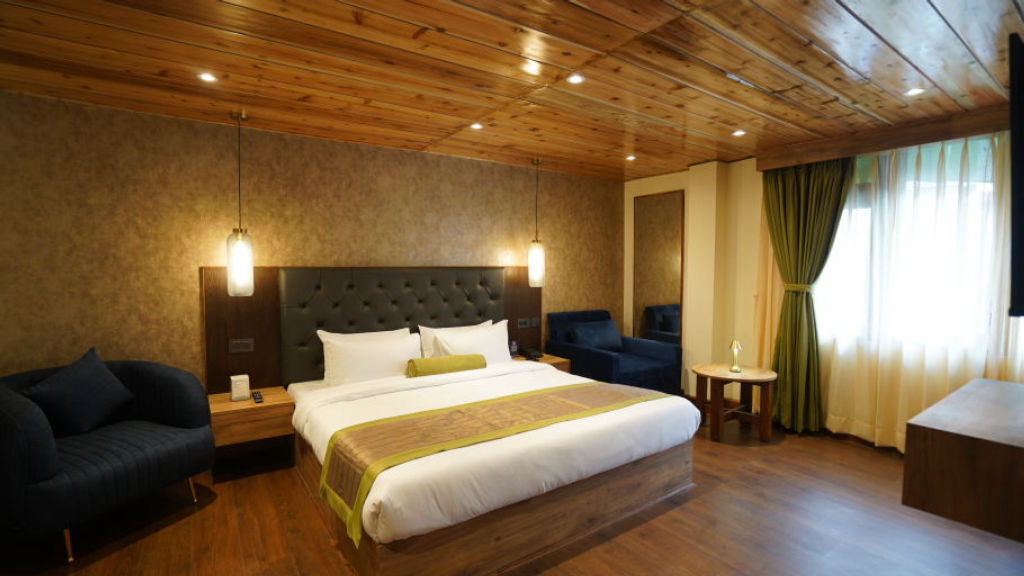
For travellers seeking comfortable homestays, traditional lodges, and cosy camps before or after the trek, the village of Yuksom and surrounding hamlets in West Sikkim provide a warm and hospitable base. A variety of rustic camps, local homestays, and boutique rural stays across West Sikkim can be discovered and reserved through HireACamp.
Tips for travelling to Dzongri
Given its elevation close to 4,000 metres, altitude sickness is a serious consideration when visiting Dzongri. Maintain a steady walking pace on the steep trail up from Tshoka, drink plenty of water, and dedicate time to acclimatise properly before venturing higher. Familiarise yourself with the symptoms of Acute Mountain Sickness and descend immediately if severe headaches or nausea persist.
Pack comprehensive multi-layered clothing, including windproof outer shells, thermal innerwear, down jackets, sturdy waterproof trekking boots, and woollen gloves. Dzongri has no mobile network coverage, no ATMs, and no commercial shops, so carry sufficient local currency, backup power banks, and necessary personal medication from Yuksom. Always practice responsible trekking by packing out all non-biodegradable waste and respecting the fragile alpine ecosystem.
Frequently asked questions
Can I reach Dzongri by car or motorbike?
No, Dzongri cannot be reached by road. The motorable road ends at the village of Yuksom, from which Dzongri is reached via a strenuous multi-day trek through Khangchendzonga National Park.
Do I need special permits to visit Dzongri?
Yes, because Dzongri is located inside a protected national park and border region in Sikkim, visitors must obtain environmental and trekking permits locally in Yuksom before starting their trek.
How cold does it get at Dzongri?
Even during the main trekking seasons in spring and autumn, night-time temperatures at Dzongri often hover around or drop below freezing. During winter, temperatures drop far into the negative range with heavy snowfall.
What peaks can be seen from Dzongri Top?
From Dzongri Top, you can see sweeping panoramic views of Mount Kangchenjunga, Mount Pandim, Kabru, Simvo, Rathong, and Koktang, among other prominent Himalayan summits.
Where you'll be
1 stay nearby shown with prices
Stays near Dzongri
Book a place to stay close by
Things to do in Dzongri
48 places creators recommend within 30 km
Built from 0 Instagram posts by 0 creators. Every tip links back to the post it came from, and where creators disagree we show both sides.






