
Lam Pokhri
Lake near Dzongri, Sikkim
6.2 km from Dzongri
The nearest town, for stays, food and fuel.
Lam Pokhri is an alpine lake nestled among the rugged high-altitude ridges of West Sikkim, accessible from the historic base town of Yuksom. Trekkers and wilderness enthusiasts venture here to experience the unspoiled scenery of the Eastern Himalayas, characterised by quiet waters, stark scree slopes, and sweeping mountain panoramas. Situated near prominent trekking routes like the Dzongri circuit, the lake represents one of the region's raw and undisturbed natural features.
Getting there
By road
- From DzongriNearest town3 min · 400 m
Typical drive times without traffic. Stations and airports from OLA Maps; distances and typical drive times from OpenStreetMap (© OpenStreetMap contributors); notes from creators' Reels.
About Lam Pokhri
Written with AI from map data and general knowledge. Check prices and timings locally before you go.
The Landscape of Lam Pokhri
Lam Pokhri rests in an elevated alpine cradle in West Sikkim, surrounded by the towering ridges of the Kangchenjunga range and Singalila ridge. The lake itself is a high-altitude water body fed by seasonal snowmelt and glacial runoff, sitting amidst rough boulder fields, dwarf rhododendron scrub, and open tundra.
The atmosphere around the lake is defined by extreme quiet, broken only by wind moving across the ridges. On clear mornings, the water reflects the deep blue of the mountain sky and the jagged silhouette of neighbouring peaks. Because of its remote setting, the area around Lam Pokhri remains free from permanent settlements, providing a habitat for alpine bird species and elusive high-altitude Himalayan wildlife.
Trekking to Lam Pokhri
Reaching Lam Pokhri is an expedition that requires multi-day trekking on foot. The trail begins at Yuksom, the historic settlement that serves as the gateway to the Kangchenjunga National Park. From Yuksom, the route climbs steadily through dense subtropical and temperate rainforests filled with magnolias, giant ferns, and moss-draped oaks before entering the sub-alpine belt of firs and rhododendrons.
As the trail gains substantial elevation toward Dzongri, the dense forest gives way to open terrain with expansive views across the valleys. Approaching the lake requires navigating steep paths, uneven stone trails, and rocky ridgelines. Because the terrain is demanding and sits well above the tree line, hikers should maintain a steady pace, allow ample time for acclimatisation, and be ready for rapid shifts in mountain weather.
Read more
Best Time to Visit Lam Pokhri
The high mountains of West Sikkim experience distinct seasonal phases, making careful timing essential for a journey to Lam Pokhri. The two primary trekking windows are the pre-monsoon spring and the post-monsoon autumn.
Spring, which spans from April to May, brings milder daytime temperatures and the blooming of wild rhododendrons across the lower and middle slopes. While daytime weather is generally pleasant, occasional afternoon mist and cloud cover are common.
Autumn, from October to late November, is widely regarded as the clearest time of year. Following the monsoon rains, the atmosphere is washed clean, offering crisp visibility and sharp views of snow-covered massifs. Nights during autumn are significantly colder, with temperatures frequently dropping below freezing. Winter brings heavy snowfall that makes the trail impassable for standard trekking, while the summer monsoon months from June to September bring torrential rain, leeches, and a high risk of mudslides along the approach roads.
How to Reach Lam Pokhri
The starting point for the trek to Lam Pokhri is Yuksom in West Sikkim. Travellers arriving by air generally land at Bagdogra Airport in West Bengal, while those arriving by train head to New Jalpaiguri Railway Station near Siliguri. Both transport hubs connect to Sikkim via winding hill roads that follow the Teesta and Rangit river valleys.
From Siliguri, travellers can take shared jeeps or hire private vehicles toward West Sikkim, passing through major transit points such as Jorethang, Legship, or Geyzing before reaching Yuksom. The drive covers challenging mountain terrain and takes the better part of a full day depending on road conditions.
Once in Yuksom, all onward travel into the mountains is strictly on foot. Trekkers should arrange their trail logistics, register their journey, and organise local guides and support teams in Yuksom before stepping onto the path.
Trekking Tips and Preparation
A trek into this part of West Sikkim demands physical fitness and deliberate preparation. Because the altitude increases rapidly between Yuksom and the ridges surrounding Lam Pokhri, pacing is vital. Travellers should spend adequate time acclimatising at intermediate camps to reduce the likelihood of acute mountain sickness.
Layered clothing is necessary throughout the year. You should carry thermal base layers, an insulating fleece or down jacket, and a dependable wind-and-waterproof outer shell. Sturdy, well-broken-in trekking boots with strong ankle support are crucial for handling rocky moraines and loose scree.
Because the lake is situated within a protected natural landscape, you must carry out all personal waste and avoid littering. Travellers must check locally in Yuksom regarding current environmental regulations, entry registrations, and guide requirements before entering the mountain trail.
Places to Visit Nearby
The region around Lam Pokhri and Yuksom contains some of the most celebrated cultural and natural attractions in Sikkim. Just a short distance from the upper trail lies Dzongri Peak, a famed high-altitude viewpoint that looks out over Kangchenjunga, Kabru, and Pandim. Further along the mountain routes are other alpine lakes such as Lachmi Pokhri and the high crest of the Singalila Range.
Down in the valley around Yuksom, travellers can immerse themselves in Sikkim's early history. Yuksom was the first capital of the Kingdom of Sikkim, established in the seventeenth century. Visitors can walk to the Norbugang Chorten, the stone throne where the first Chogyal was crowned, or climb the forested footpath to Dubdi Monastery, considered one of the oldest monasteries in the state.
Short road excursions from Yuksom lead to Kathok Lake, the cascading waters of Kanchenjunga Falls, and the revered Khecheopalri Lake, known across the region as a wish-fulfilling lake held sacred by both Buddhists and Hindus.
Where to Stay
Accommodation options vary greatly between the base village and the mountain trail. In Yuksom, travellers can find family-run homestays, simple lodges, and standard guesthouses that provide home-cooked Himalayan meals and comfortable beds before and after a trek.
Along the trail toward Lam Pokhri, accommodation is limited to designated wilderness campsites and basic trail shelters. You will need to camp in tents, carrying adequate four-season sleeping gear and provisions. Stays, rustic guesthouses, and homestays throughout Yuksom and West Sikkim can be explored and booked on HireACamp.
Frequently asked questions
Can I visit Lam Pokhri by car?
No, Lam Pokhri cannot be reached by road. It is an alpine lake accessible only by foot via multi-day trekking routes starting from the town of Yuksom.
Do I need a guide to trek to Lam Pokhri?
Yes, trekking into the high-altitude wilderness of West Sikkim requires hiring a certified local guide and registering at Yuksom before proceeding onto the trail.
What is the best season to trek to Lam Pokhri?
The best seasons are spring, from April to May, when rhododendrons bloom, and autumn, from October to November, when mountain skies are clear and visibility is highest.
How cold does it get near Lam Pokhri?
Temperatures at this altitude are cold year-round. Even during peak autumn and spring, night temperatures frequently fall close to or below freezing, requiring heavy thermal layers.
Is Lam Pokhri suitable for beginner hikers?
The trek to Lam Pokhri involves steep ascents, sustained high altitudes, and multi-day wilderness camping, making it best suited for individuals with good physical fitness and prior hiking experience.
Where you'll be
1 stay nearby shown with prices
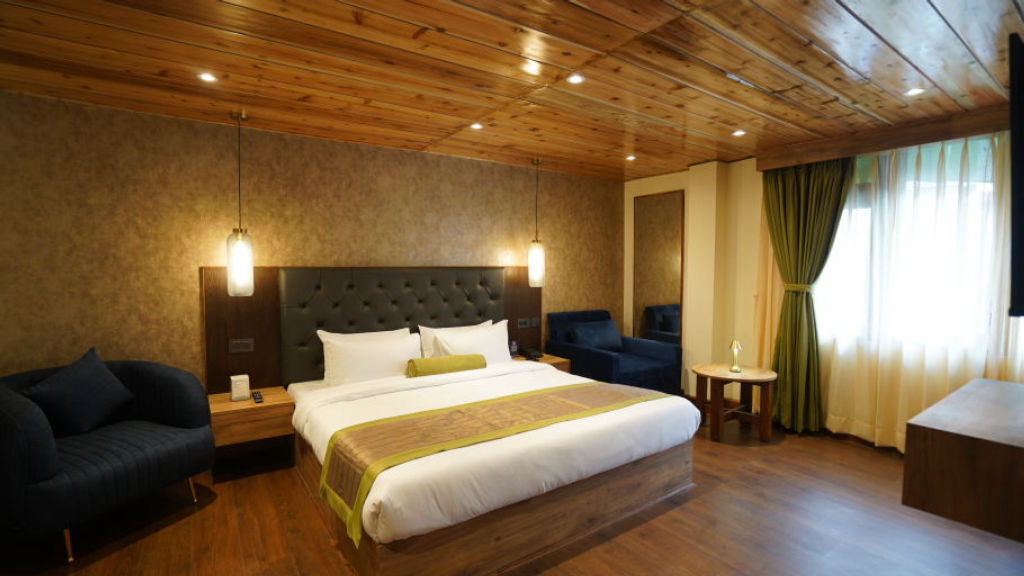
Stays near Lam Pokhri
Book a place to stay close by
More places near Lam Pokhri
Within 20 km
Built from 0 Instagram posts by 0 creators. Every tip links back to the post it came from, and where creators disagree we show both sides.






