
Singalila Range
Peak near Dzongri
8.5 km from Dzongri
The nearest town, for stays, food and fuel.
The Singalila Range is a dramatic high-altitude ridge running along the borderlands of West Bengal, Sikkim, and eastern Nepal. Renowned for commanding unbroken vistas of the world's highest Himalayan peaks, including Mount Everest and Kangchenjunga, it draws trekkers, birdwatchers, and nature lovers from around the world. Its slopes are blanketed with dense rhododendron groves, bamboo thickets, and sub-alpine meadows that change character with every season.
Getting there
About Singalila Range
Written with AI from map data and general knowledge. Check prices and timings locally before you go.
Landscape and Natural Beauty of Singalila Range
The Singalila Range forms a natural geographical spine separating the hills of northern West Bengal and western Sikkim from the highlands of eastern Nepal. Stretching across steep elevation changes, the terrain ranges from temperate mountain woodlands to windswept alpine ridges. Broad swathes of the range fall under protected biodiversity reserves, nurturing ancient forests of oak, magnolia, silver fir, and flowering rhododendrons.
What makes this ridge especially famous among outdoor enthusiasts is the sheer scale of the panoramas it offers. Walking along the crest of the Singalila Range allows visitors to gaze upon four of the five highest peaks on Earth: Mount Everest, Kangchenjunga, Lhotse, and Makalu. At sunrise, the massive snowfields of the Kangchenjunga massif, often referred to locally as the Sleeping Buddha due to its recumbent profile, catch the first golden rays of dawn in spectacular fashion.
Flora and Wildlife along the Ridge
The elevation gradient across the Singalila Range supports extraordinary botanical and zoological diversity. In the lower temperate zones, moss-draped branches and heavy ferns give way to thick bamboo clusters, which provide an essential habitat and food source for the elusive and endangered red panda. Himalayan black bears, leopard cats, barking deer, and serows also inhabit these dense forest canopies.
Birdlife throughout the range is exceptionally rich, making it an internationally recognized corridor for high-altitude birdwatching. Avian species such as the satyr tragopan, blood pheasant, kalij pheasant, fire-tailed myzornis, and numerous varieties of warblers and laughingthrushes frequent the undergrowth. In spring, the forests burst into vivid shades of crimson, pink, and white as dozens of rhododendron species come into full bloom across the hillsides.
Read more
Trekking and Outdoor Activities
Hiking along the spine of the Singalila Range is widely regarded as one of eastern India's classic outdoor journeys. Well-trodden high-ridge trails link remote border hamlets, quiet forest clearings, and panoramic vantage points. Hikers often follow routes that cross between ridge crests, moving through silent forests before emerging into open alpine meadows with uninterrupted views across the snow-capped Himalayan horizon.
Beyond multiday treks, the Singalila Range provides rich opportunities for landscape photography, forest trail walks, and stargazing. The absence of major urban settlements ensures pristine dark skies on clear nights, revealing a dense canopy of stars above the silhouetted peaks. Travellers who enjoy cultural immersion can also interact with warm mountain communities whose lives are woven into the rhythms of these high-altitude border highlands.
Best Time to Visit Singalila Range
The Singalila Range experiences distinct mountain seasons, with two prime windows for visiting. The spring season, extending from March to May, brings mild daytime temperatures and the magnificent blooming of rhododendrons and magnolias. While spring afternoons can occasionally bring low clouds or localized mist, the forest scenery is at its most vibrant during these months.
The second major window runs from October to December, following the retreat of the summer monsoons. This autumn and early winter period is widely considered the best time for clear, crisp views of the high peaks, with bright blue skies and deep visibility across the Himalayan chain. Winters from late December through February bring bitter cold and intermittent snowfall to the higher reaches, while the heavy monsoon rains from June to September make trails slippery, cause landslides, and lead to seasonal closures of protected park zones.
How to Reach the Singalila Range
Accessing the Singalila Range typically begins from major transport hubs in North Bengal. The closest railway station is New Jalpaiguri, while Bagdogra serves as the nearest operational commercial airport. Both hubs connect smoothly to principal transit points like Siliguri, Darjeeling, and Manebhanjan, which functions as the classic western gateway to the ridge trails.
From Sikkim, travellers can approach the range via scenic mountain roads leading through Soreng, Hee-Bermiok, and Uttarey in West Sikkim. High-clearance vehicles or four-wheel-drive taxis are recommended when navigating the steep, twisting mountain roads that lead up to the trailheads. Travel times vary significantly depending on road conditions, terrain, and local weather, so visitors should plan for relaxed transit schedules and verify local driving conditions ahead of departure.
Tips for Planning Your Visit
Given the high altitude and fluctuating weather along the Singalila Range, adequate physical preparation and proper gear are essential. Even during warm spring days, temperatures drop sharply once the sun dips behind the ridge, so dress in layers and carry windproof jackets, thermal base layers, sturdy waterproof hiking boots, and warm gloves.
Because the range closely tracks international and state boundaries and passes through ecologically sensitive national parks, visitors must follow environmental guidelines strictly. Always carry your personal litter back down to regional disposal points, stay on designated walking paths, and avoid disturbing local fauna. Check locally regarding current permit procedures, trail regulations, and administrative requirements before setting out on high-ridge routes.
Where to Stay around Singalila Range
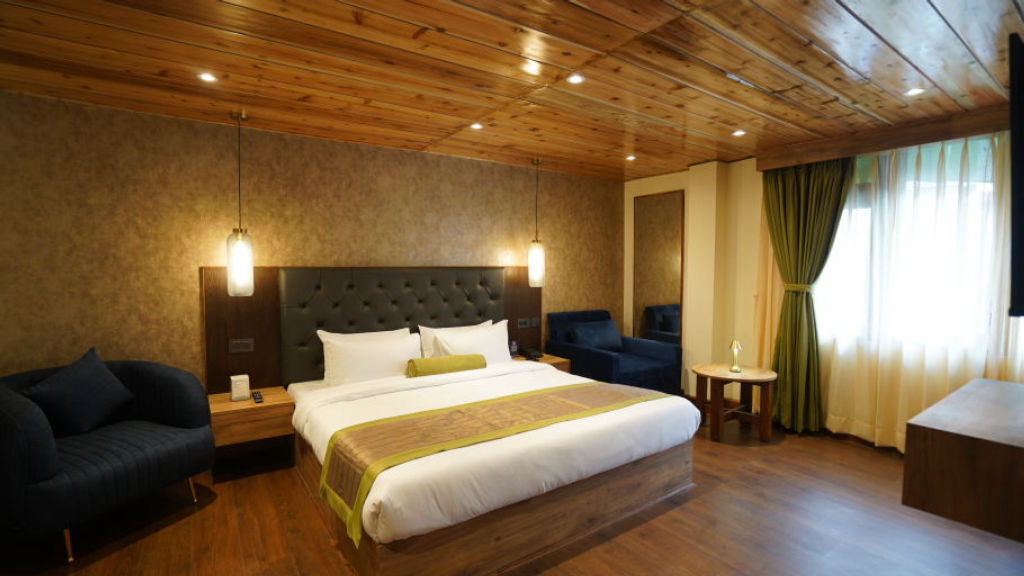
Accommodation options in the settlements flanking the Singalila Range consist primarily of rustic village homestays, basic mountain lodges, and designated eco-campsites. These community-run stays provide authentic local meals, warm tea, and cozy wood-warmed rooms that reflect genuine mountain hospitality.
Whether you are searching for a serene farmstay tucked into the terraced valleys of West Sikkim or an adventurous high-ridge campsite near scenic viewpoints, varied choices of camps, homestays, and outdoor getaways in the area can be found on HireACamp.
Frequently asked questions
Which high peaks can be seen from the Singalila Range?
The Singalila Range offers panoramic views of several of the world's highest mountains, most notably Kangchenjunga, Mount Everest, Lhotse, and Makalu, along with prominent surrounding peaks like Pandim and Kabru.
When is the best season to see rhododendrons in the Singalila Range?
Rhododendrons in the range typically bloom from late March through early May, transforming the mountainsides into vivid shades of red, pink, and white.
Can beginners trek along the Singalila Range?
Yes, many trail segments along the ridge have moderate gradients and well-defined paths suitable for active beginners with reasonable fitness, though proper acclimatization is recommended.
What kind of clothing is required for the Singalila Range?
Visitors should pack warm clothing in layers, including thermal wear, fleece jackets, a windproof and water-resistant outer shell, and sturdy hiking shoes, as temperatures drop considerably at night year-round.
Where can I book stays near the Singalila Range?
You can find and book homestays, nature lodges, and campsite options around the Singalila region directly on HireACamp.
Where you'll be
1 stay nearby shown with prices
Stays near Singalila Range
Book a place to stay close by
More places near Singalila Range
Within 20 km
Built from 0 Instagram posts by 0 creators. Every tip links back to the post it came from, and where creators disagree we show both sides.






