
Dzongri Peak
Viewpoint near Dzongri, Sikkim
1.9 km from Dzongri
The nearest town, for stays, food and fuel.
Dzongri Peak is an alpine viewpoint in the high mountains of West Sikkim, rising above the forested river valleys of the Gyalshing district. Reached via a multi-day wilderness trek from the village of Yuksom, the ridge is celebrated for panoramic sunrise vistas of Mount Kanchenjunga, Mount Pandim, and the surrounding Himalayan peaks. Nature enthusiasts and seasoned hikers journey here to experience the expansive sub-alpine meadows and the rugged grandeur of the Eastern Himalayas.
Getting there
About Dzongri Peak
Written with AI from map data and general knowledge. Check prices and timings locally before you go.
The High-Altitude Vantage of Dzongri Peak
Dzongri Peak sits high in the mountainous backbone of West Sikkim, overlooking deep river gorges, glaciers, and snowy massifs. Rising well over four thousand meters above sea level, the ridge acts as a broad natural terrace facing Mount Kanchenjunga, the world's third-highest mountain, along with towering companions such as Mount Pandim, Kabru, Simvo, and Rathong. For hikers undertaking the classic high-altitude route toward the Goechala pass, making the pre-dawn ascent to the crest of Dzongri is an unforgettable highlight.
From the top of the ridge, the scale of the Himalayan landscape is vast. As the first rays of morning light strike the icy crests, the peaks change from cold shades of violet and slate to brilliant tones of amber and gold. Strung prayer flags flutter on stone cairns across the open summit, framing a panorama of snowfields and glacial moraines. Down below, the broad Dzongri meadow provides a rare stretch of open grassland before the terrain drops off into wooded alpine valleys.
The Trekking Route to Dzongri Peak
Reaching Dzongri Peak requires a multi-day trek that sets out from Yuksom, an old historical settlement in the Gyalshing district. The trail immediately plunges into dense, temperate forests, tracing the course of the rushing Rathong Chu river. Walkers pass beneath moss-draped oak trees, giant magnolias, tall firs, and thickets of bamboo, crossing swaying suspension bridges stretched across mountain gorges.
Beyond intermediate resting points such as Sachen, the trail climbs steeply toward Bakhim and Tshoka. Tshoka, once a mountain settlement of Tibetan origin, is an essential staging post where trekkers pause to adjust to the rising elevation. From Tshoka onward, the route transitions through rich rhododendron woods that erupt in color in the spring months. Passing Phedang, the tree canopy thins out, giving way to dwarf juniper, alpine shrubs, and windswept meadows as you approach the Dzongri plateau.
Read more
Best Time to Visit Dzongri Peak
The trekking season at Dzongri Peak is determined by high-altitude Himalayan weather, creating two distinct windows during the year: spring and autumn. Spring, spanning from late March through May, brings gradually warmer daytime temperatures and the spectacular blooming of Sikkim's rhododendron forests. During these months, the slopes around Tshoka and Phedang are vibrant with pink, red, and white blossoms, though passing cloud cover often builds by late afternoon.
Autumn, from late September through November, offers the sharpest visibility and the most reliable weather. Following the retreat of the summer monsoons, the mountain air is crisp and clear, creating picture-perfect views of Kanchenjunga and its neighbouring spires against a deep blue sky. Nights during autumn are noticeably cold, with temperatures regularly dropping below freezing on the high plateau. The summer monsoon months from June to August bring heavy rainfall, muddy trails, and leeches, while the core winter months from December to February bring heavy snowfall and bitter cold.
What to Expect and Prepare for the Trek
Travelling to Dzongri Peak is an authentic wilderness trek that requires sound cardiovascular fitness, endurance, and careful preparation. Because of the rapid gain in elevation between Yuksom and the high ridge, altitude sickness is a genuine factor. Trekkers should acclimatize properly by pacing their ascent, including a rest day at intermediate elevations, and drinking plenty of fluids throughout the journey.
Mountain weather in Sikkim changes swiftly. Clear mornings can turn to dense fog, biting winds, or freezing sleet within an hour. Carrying a dependable multi-layer clothing system is essential, including moisture-wicking thermal base layers, fleece jackets, a wind-and-waterproof outer shell, and an insulated down coat for sub-zero mornings on the peak. Sturdy trekking boots with good ankle support, walking poles, headlamps, and a personal medical kit are indispensable for the trail.
How to Reach the Trailhead
The journey toward Dzongri Peak starts with travel to Yuksom in West Sikkim, which serves as the roadhead for the trail. The closest major railway hub is New Jalpaiguri, and the nearest commercial airport is Bagdogra in West Bengal. From either transport point, visitors can arrange private or shared vehicle transfers through the foothills via Siliguri, Melli, and Jorethang, travelling onward into Gyalshing and up to Yuksom.
Driving times through the hills can vary considerably based on seasonal weather, road repairs, and traffic, so it is best to allocate a full day for the overland drive. Once in Yuksom, vehicle roads end, and all onward travel must be done on foot. Because the route traverses protected national park territory close to border zones, entry formalities, local trekking registrations, and guide arrangements must be handled in Yuksom. Travellers should check local regulations and permit guidelines upon arrival.
Places to Visit Around West Sikkim
The Gyalshing district and adjacent parts of West Sikkim are rich in cultural landmarks and scenic spots that can be explored before or after hiking to Dzongri Peak. In Yuksom itself, Kartok Lake offers a peaceful stop, surrounded by fluttering prayer flags and historic heritage sites connected to Sikkim's founding monarchy.
Further across the region, visitors can travel to Rinchenpong Monastery, set atop a quiet pine-clad ridge with expansive mountain views, or explore the protected wilderness of Barsey Rhododendron Sanctuary along the Singalila range. Scenic lookout points and cascading waters, such as Tarebhir, Mangan View Point, and Butterfly Waterfall, provide additional opportunities to experience the rich biodiversity and mountain culture of West Sikkim.
Where to Stay Near Dzongri Peak
Along the hiking route between Yuksom and Dzongri Peak, accommodation is rudimentary and focused on the wilderness. Trekkers sleep either in designated timber trekking huts maintained along the trail or in tents pitched at high-altitude campsites such as Tshoka and Dzongri. Camping beneath the high Himalayan sky offers a peaceful, immersive outdoor experience far from urban life.
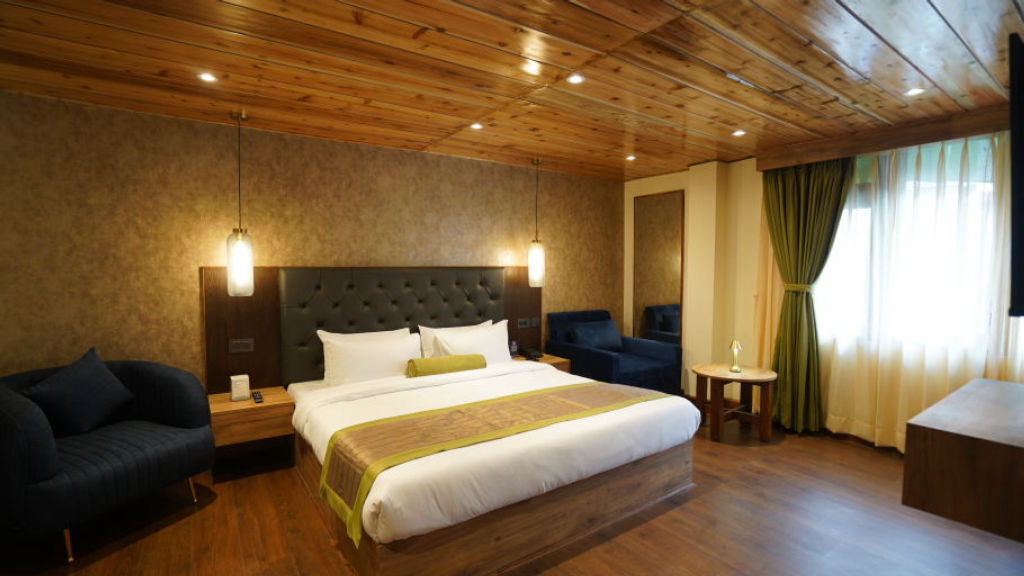
In Yuksom and nearby towns within the Gyalshing district, travellers can find guesthouses, lodges, and village homestays before and after the trek. Choosing a local homestay is an excellent way to enjoy home-cooked regional meals and learn about the local culture from resident families. Outdoor travellers looking for homestays, nature retreats, and camping spots across West Sikkim can explore and book their stays on HireACamp.
Frequently asked questions
Where does the trek to Dzongri Peak begin?
The trek to Dzongri Peak begins at the historical mountain village of Yuksom in the Gyalshing district of West Sikkim.
What peaks can be seen from Dzongri Peak?
On a clear morning, Dzongri Peak offers panoramic views of Mount Kanchenjunga, Mount Pandim, Kabru, Simvo, Rathong, and several other peaks of the Eastern Himalayas.
When is the best time of year to visit Dzongri Peak?
The two best seasons are spring, from late March to May for blooming rhododendrons, and autumn, from late September to November for clear skies and crisp mountain views.
How fit do you need to be to trek to Dzongri Peak?
The trek involves steep, sustained climbs and high altitudes above four thousand meters, requiring good cardiovascular fitness, endurance, and careful acclimatization.
Are permits required to visit Dzongri Peak?
Yes, permits are required because the trail passes through protected wilderness in West Sikkim, and trekkers should arrange these permits and local guides in Yuksom.
Where you'll be
Yuksom, West, Gyalshing, SK · 1 stay nearby shown with prices
Stays near Dzongri Peak
Book a place to stay close by
More places near Dzongri Peak
Within 20 km
Built from 0 Instagram posts by 0 creators. Every tip links back to the post it came from, and where creators disagree we show both sides.






