
Norbugang Chorten
Monument near Yuksom, Sikkim
500 m from Yuksom
The nearest town, for stays, food and fuel.
Norbugang Chorten is a deeply revered historical and spiritual monument located near Yuksom in the Gyalshing district of West Sikkim. Built in the seventeenth century, it marks the exact site where the first Chogyal, or king, of Sikkim was crowned, effectively founding the kingdom. Travellers and pilgrims visit to experience the serene forest setting, explore centuries-old Buddhist relics, and stand at the birthplace of Sikkim's recorded history.
Getting there
By road
- From YuksomNearest town2 min · 800 m
Typical drive times without traffic. Stations and airports from OLA Maps; distances and typical drive times from OpenStreetMap (© OpenStreetMap contributors); notes from creators' Reels.
About Norbugang Chorten
Written with AI from map data and general knowledge. Check prices and timings locally before you go.
History and significance of Norbugang Chorten
The historical narrative of Sikkim as an independent kingdom traces directly back to Norbugang. In the year 1642, three venerated Buddhist lamas journeyed from different directions across Tibet to fulfill an ancient prophecy attributed to Guru Padmasambhava. They met at Yuksom in present-day Gyalshing district to search for a fourth person of royal lineage destined to govern the land. That person was Phuntsog Namgyal, who was consecrated as the first Chogyal, or spiritual king, of Sikkim at this exact ground.
To commemorate this momentous coronation, a stupa was erected, known as the Norbugang Chorten. Earth, water, and stones from across the newly unified kingdom were brought together to build it, symbolising unity among the different indigenous communities. The coronation marked the founding of the Namgyal dynasty, which ruled Sikkim for over three centuries until the region merged with India in 1975. Visiting Norbugang allows travellers to connect with the very cradle of Sikkim's recorded history and political identity.
What to see at the Norbugang complex
The complex is defined by an understated, tranquil dignity rather than monumental scale. At the centre stands the Norbugang Chorten, a whitewashed stone stupa that houses relics and sacred offerings from the coronation ceremony. Facing the stupa is the stone coronation throne, known as the Norbugang Throne, where the three lamas and the Chogyal sat during the royal enthronement. The rough stone seats remain intact under the open sky, shaded by an enormous and ancient pine tree that is said to have stood witness to the event.
Adjacent to the stone throne, visitors can observe a rock bearing a distinct footprint, revered as the imprint of one of the high lamas left during the consecration rites. A large prayer wheel, lines of colourful prayer flags strung across the trees, and neatly maintained stone pathways complete the grounds. The gentle rustle of conifers and the steady rhythm of prayer wheels create an ideal environment for quiet reflection and contemplation away from busy tourist routes.
Read more
Best time to visit Norbugang Chorten
The climate of West Sikkim varies dramatically through the year, making seasonal planning essential for a comfortable visit. Spring, extending from March to May, is widely regarded as one of the best times to travel. During these months, the mountain air is pleasantly mild, and the slopes of the surrounding hills bloom with wild orchids and rhododendrons. The skies are generally clear in the mornings, offering glimpses of snow-clad Himalayan peaks beyond the valleys.
Autumn, spanning from late September through November, is another prime window. Post-monsoon atmospheric clarity reveals sharp mountain horizons, while days remain crisp, sunny, and dry. Winter brings cold nights and sharp drop-offs in temperature, particularly between December and February, though daytime exploration remains pleasant if you dress warmly. The monsoon months between June and August bring heavy rainfall to the Eastern Himalayas, which can lead to slippery trails and occasional road blockages, so travellers during this period should keep flexible itineraries.
How to reach Norbugang Chorten
Norbugang Chorten is situated near Yuksom within the Gyalshing district of West Sikkim. Travellers arriving by air generally land at Bagdogra Airport in West Bengal, while those arriving by train alight at New Jalpaiguri Railway Station. From either transport hub, the journey into West Sikkim proceeds by road, winding through the Teesta River basin and ascending steadily into the hills through towns such as Jorethang and Gyalshing.
Shared passenger jeeps and private taxis operate regularly between transport centres in North Bengal, Gangtok, and the hubs of West Sikkim. The drive takes you past terraced farms, river valleys, and dense subtropical forests. Because mountain roads can be narrow and winding, travel times depend on weather and traffic conditions, so it is advisable to begin your journey early in the day and confirm current road statuses locally before setting out.
Exploring the surrounding Yuksom and Gyalshing region
A visit to Norbugang Chorten pairs naturally with the broader cultural and natural landscape of western Sikkim. Yuksom itself is a sleepy hamlet rich in religious heritage and acts as the starting point for celebrated trekking routes into the Kangchenjunga National Park. Within walking distance from Norbugang lies Kathok Lake, a serene body of water considered holy by local communities, surrounded by prayer flags reflecting off the still surface.
Further uphill sits Dubdi Monastery, founded in 1701 and widely regarded as the oldest surviving monastery in Sikkim. A short drive away lies Khecheopalri Lake, deeply revered by both Buddhists and Hindus, nestled amidst pristine forests. Further south in the Gyalshing district, travellers can explore the dramatic hilltop ruins of Rabdentse, the second historic capital of Sikkim, alongside the historic Pemayangtse Monastery.
Tips for visiting Norbugang Chorten
Norbugang Chorten is a consecrated religious monument, and visitors are expected to maintain respect throughout their stay. Speak softly, refrain from littering, and follow the Buddhist tradition of walking around the stupa and sacred objects in a clockwise direction. If you wish to sit or meditate near the stone throne, do so unobtrusively and avoid climbing or sitting directly upon historic stone seats.
Wearing sturdy walking shoes is recommended, as the paths leading around the monument and connecting nearby trails can be uneven and occasionally damp. Layered clothing is advisable year-round, as mountain weather in Gyalshing can shift quickly from warm sunshine to chilly breezes. Check local guidelines regarding photography at the site, and always carry a reusable water bottle to reduce single-use plastic waste in the fragile Himalayan ecosystem.
Where to stay near Norbugang Chorten
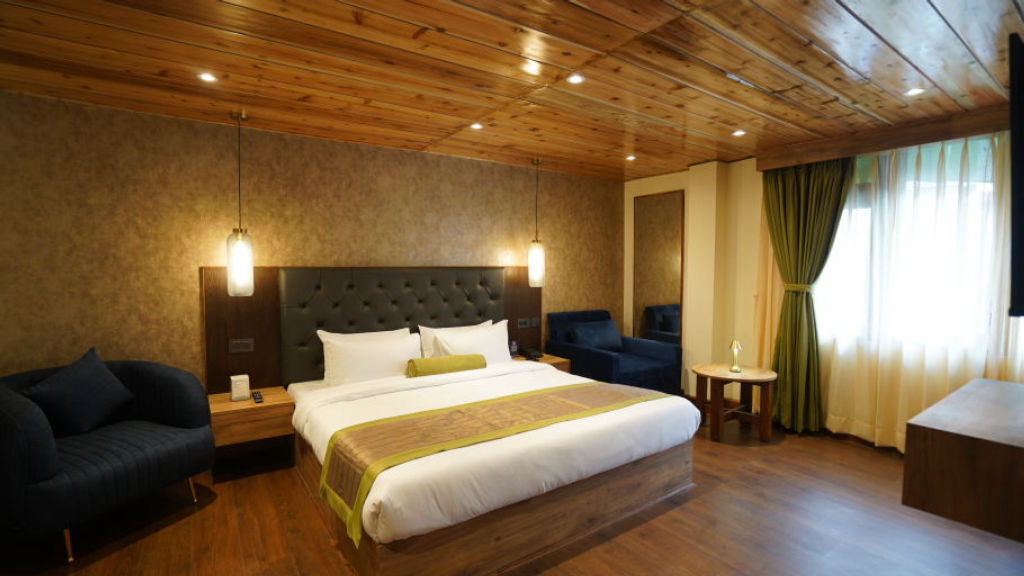
Accommodation choices in and around Yuksom and the wider Gyalshing area focus heavily on authentic local hospitality. Travellers can find traditional homestays run by Sikkimese families, offering home-cooked regional meals and a glimpse into daily mountain life. Rustic guesthouses and eco-friendly lodges are scattered through the village, providing peaceful retreats with views of forested ridges.
For outdoor enthusiasts who prefer sleeping close to nature, camping options and wilderness stays are also set up in scenic pockets of the valley. You can discover and book verified homestays, nature retreats, and campsites near Norbugang Chorten on HireACamp.
Frequently asked questions
Where is Norbugang Chorten located?
Norbugang Chorten is located near Yuksom in the Gyalshing district of West Sikkim, India, accessible by road from major regional hubs like Gyalshing and Pelling.
Why is Norbugang Chorten historically important?
It marks the site where Phuntsog Namgyal was crowned as the first Chogyal of Sikkim in 1642 by three revered Buddhist lamas, establishing the kingdom of Sikkim.
What should I wear when visiting Norbugang Chorten?
Dress modestly in clothing that covers your shoulders and knees out of respect for the religious site, and wear comfortable walking shoes suitable for stone pathways and damp mountain trails.
Is Norbugang Chorten accessible throughout the year?
Yes, the monument can be visited year-round, though the best conditions are found during spring from March to May and autumn from October to November when the weather is clear.
Can I visit Norbugang Chorten along with other sights in Yuksom?
Yes, Norbugang Chorten is situated close to Kathok Lake and Dubdi Monastery, making it easy to combine all three into a single day of gentle walking and cultural exploration.
Where you'll be
Gyalshing · 1 stay nearby shown with prices
Stays near Norbugang Chorten
Book a place to stay close by
More places near Norbugang Chorten
Within 20 km
Lists for this area
Ranked by how many creators recommend each place


Built from 0 Instagram posts by 0 creators. Every tip links back to the post it came from, and where creators disagree we show both sides.






