
Jiwa Nal Valley
National park near Sainj, Himachal Pradesh
400 m from Sainj
The nearest town, for stays, food and fuel.
Jiwa Nal Valley is an expansive alpine valley situated in the Sainj region of Kullu district, forming a vital wilderness corridor of the Great Himalayan National Park ecosystem. Renowned for its untouched river systems, dramatic gorges, and subalpine forests, the valley draws experienced trekkers, nature enthusiasts, and wildlife researchers. Visitors come here to witness raw Himalayan nature in its most undisturbed state, surrounded by towering ridges and high-altitude pastures.
Getting there
By road
- From SainjNearest town7 min · 2.3 km
- From Chandigarh4 hr 40 min · 201 km
- From Ludhiana5 hr 10 min · 242 km
- From Amritsar7 hr 15 min · 353 km
Typical drive times without traffic. Stations and airports from OLA Maps; distances and typical drive times from OpenStreetMap (© OpenStreetMap contributors); notes from creators' Reels.
About Jiwa Nal Valley
Written with AI from map data and general knowledge. Check prices and timings locally before you go.
About Jiwa Nal Valley
Jiwa Nal Valley is carved by the Jiwa Nal river, a major glacial tributary feeding into the Sainj River in Himachal Pradesh. The valley is characterized by steep, rugged rock faces, cascading streams, and deep valleys lined with ancient deodar, spruce, and fir trees. As elevation rises, dense woodlands give way to sprawling alpine meadows carpeted with wild herbs and vibrant flowering plants during warmer months.
Because of its challenging terrain and protected ecological status, Jiwa Nal has remained relatively secluded compared to more commercialized corners of Himachal Pradesh. It represents the quintessential trans-Himalayan wilderness, offering a rare sanctuary where natural processes continue largely unaffected by modern development.
Wildlife and Natural Heritage
Falling within the conservation sphere of the Great Himalayan National Park, Jiwa Nal Valley is home to remarkable biodiversity. The steep slopes and dense canopy offer shelter to endangered and elusive Himalayan fauna, including the snow leopard, Himalayan brown bear, Asiatic black bear, blue sheep, and musk deer. The undergrowth provides forage for herbivorous species that traverse between the lower valley floor and upper alpine scree.
Bird life throughout the valley is equally exceptional. The Jiwa Nal catchment is known as an important habitat for the rare Western Tragopan, Himachal Pradesh's state bird, alongside the colourful Himalayan Monal, Koklass pheasant, and various raptors circling the high crags. Protecting this fragile ecosystem is paramount, and travellers are expected to adhere strictly to conservation and non-disturbance guidelines while journeying through the area.
Read more
Trekking in Jiwa Nal Valley
Trekking is the primary way to explore Jiwa Nal Valley. A popular and rigorous high-altitude route connects Jiwa Nal to Parvati Valley over demanding mountain passes like Sartoo Pass and Kandi Dhar. These trails weave through dramatic river canyons, steep switchbacks, and isolated alpine meadows, challenging even seasoned mountaineers with unpredictable terrain and sharp elevation gains.
Because the valley lacks permanent human settlements deep inside, all expeditions must be entirely self-sufficient. Trekkers camp in designated clearings near water sources and carry all necessary rations, cold-weather shelters, and first-aid provisions. Walking the trails of Jiwa Nal delivers unmatched solitude, where hours pass without encountering anything other than grazing animals and high-altitude winds.
Best Time to Visit Jiwa Nal Valley
The optimal periods to visit Jiwa Nal Valley are during the late spring and early summer months of May and June, and again during the autumn season from mid-September through October. In early summer, melting winter snow opens up the lower forest paths, the rivers run full, and the meadows come to life with wildflowers.
Autumn is widely considered ideal for high-altitude passes because the weather tends to remain stable, rainfall is minimal, and the atmosphere is crisp, providing clear panoramic views of the surrounding snowy peaks. The monsoon months of July and August bring heavy rain, swollen streams, and frequent landslides, making deep valley travel risky. During winter, heavy snow blanket covers the trails, rendering passes impassable without specialized winter mountaineering experience.
How to Reach Jiwa Nal Valley
Reaching Jiwa Nal Valley requires travelling through the Kullu district of Himachal Pradesh. The nearest major transit hub is Kullu, which has regular road links to Mandi, Chandigarh, and Delhi. Long-distance buses and private vehicles travel north toward Manali along National Highway 3, turning off near Aut toward the Sainj Valley.
From Aut, a scenic mountain road winds past the Sainj River toward villages like Neuli and Siund, which serve as common trailheads for treks entering Jiwa Nal Valley. Beyond these roadheads, vehicular access ends, and travel continues exclusively on foot along established forest paths and shepherds' trails.
Tips for Your Visit
Entering the Jiwa Nal basin requires advance planning and thorough preparation. Since the valley is part of a protected ecological sanctuary, visitors must obtain necessary forestry and park permits from the local forest authorities before heading into the wild. Always verify entry conditions and permit requirements locally at the regional forest offices before embarking on your trip.
Given the isolated nature of the terrain, going with an experienced local guide and support team is strongly advised. There is no mobile cellular reception once you enter the upper reaches of the valley, and emergency rescue infrastructure is limited. Pack layered thermal clothing, sturdy waterproof trekking boots, dependable rain gear, and water filtration equipment. Follow strict leave-no-trace ethics by packing out all non-biodegradable waste to preserve the valley's pristine environment.
Places to Visit Nearby
Travel around the Jiwa Nal region can easily be combined with exploring nearby cultural and scenic destinations. The peaceful village of Shangarh, famous for its sprawling meadow and the historic wooden architecture of the Shangchul Mahadev Temple, is just a short drive away within the Sainj Valley.
Further south lies the picturesque Tirthan Valley, celebrated for its sparkling river, riverside hamlets, and access to Jalori Pass. For those interested in extended trekking, trails link nearby high-altitude ridges with Thachi Valley and the Parvati Valley system, allowing travellers to sample the diverse geography and heritage of Kullu.
Where to Stay around Jiwa Nal Valley
Within the core areas of Jiwa Nal Valley itself, there are no commercial accommodations, lodges, or hotels; accommodation is limited to wilderness camping that you must arrange independently or with local trekking outfits. Trekkers pitch self-carried tents along designated riverside clearings and alpine knolls.
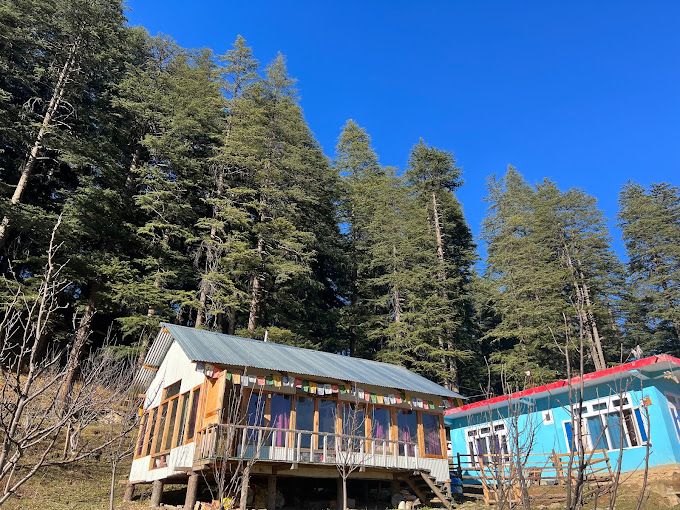
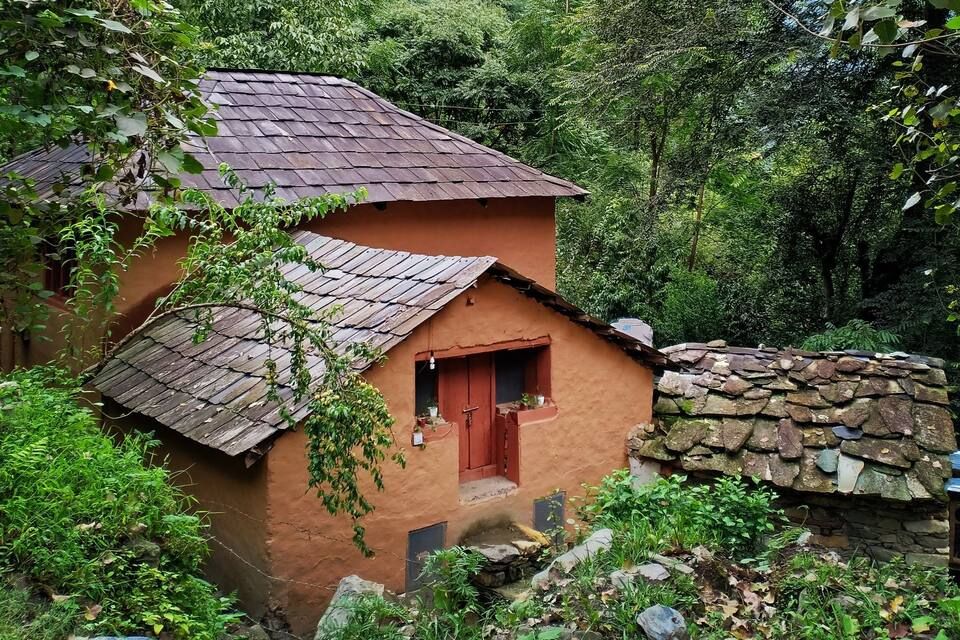
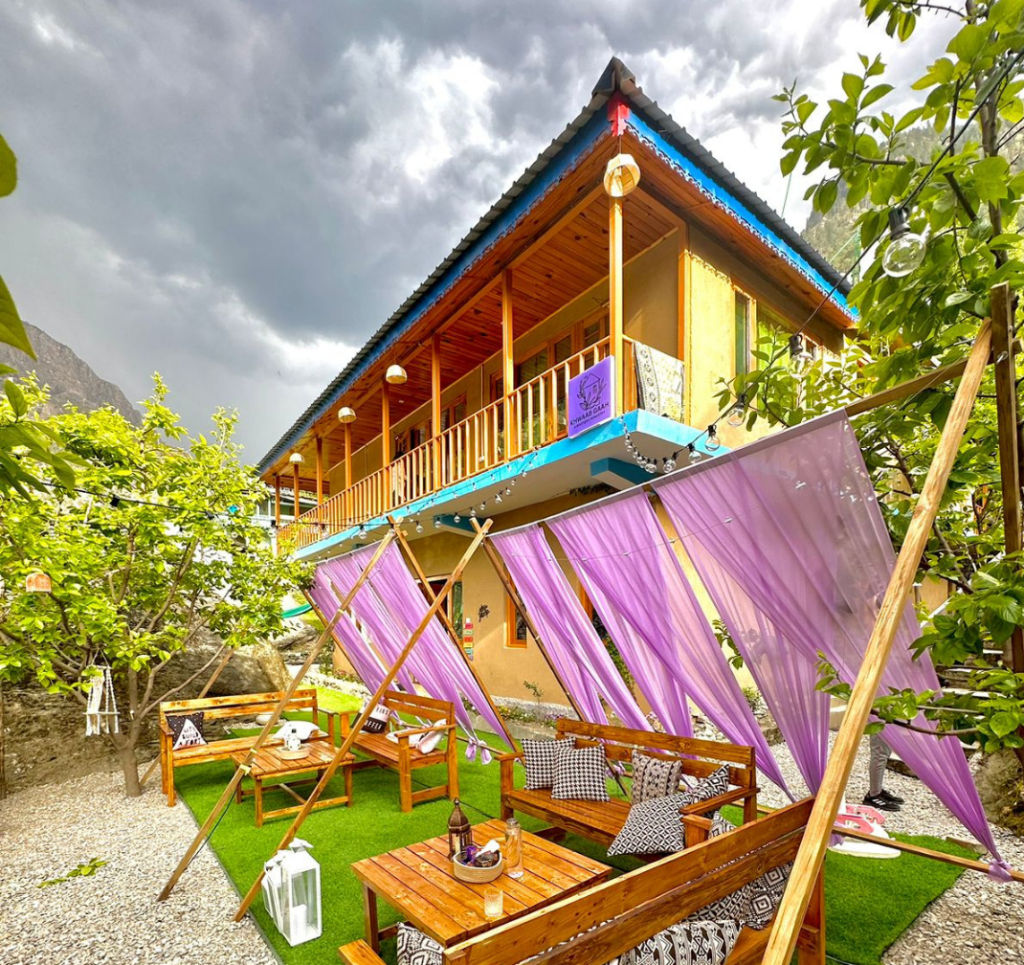
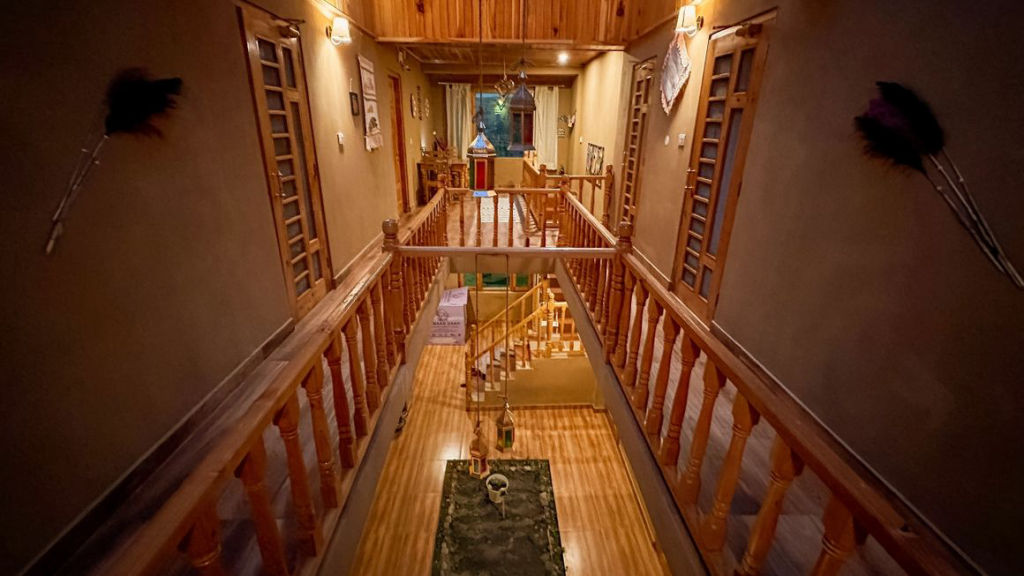
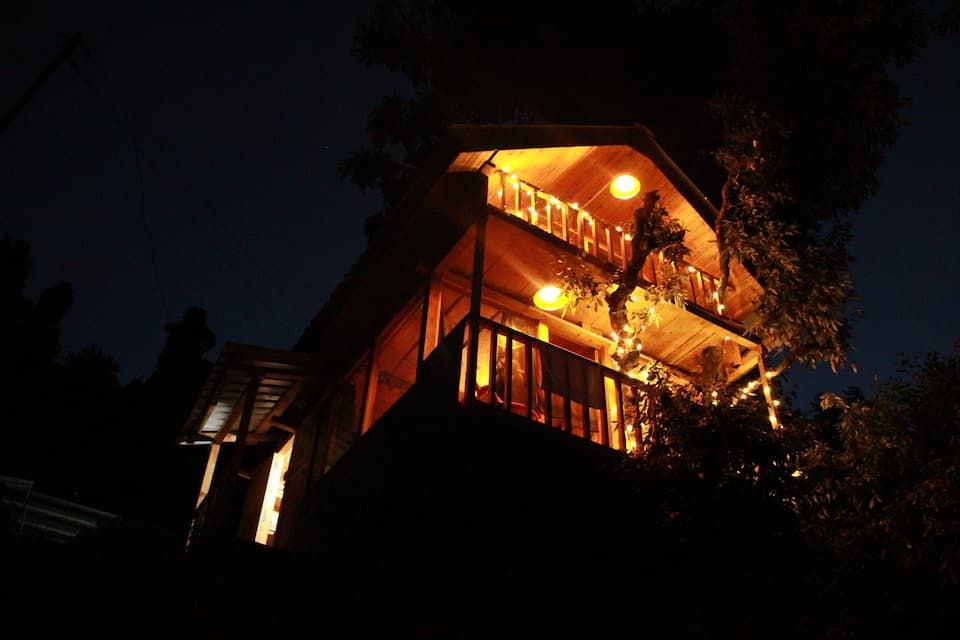
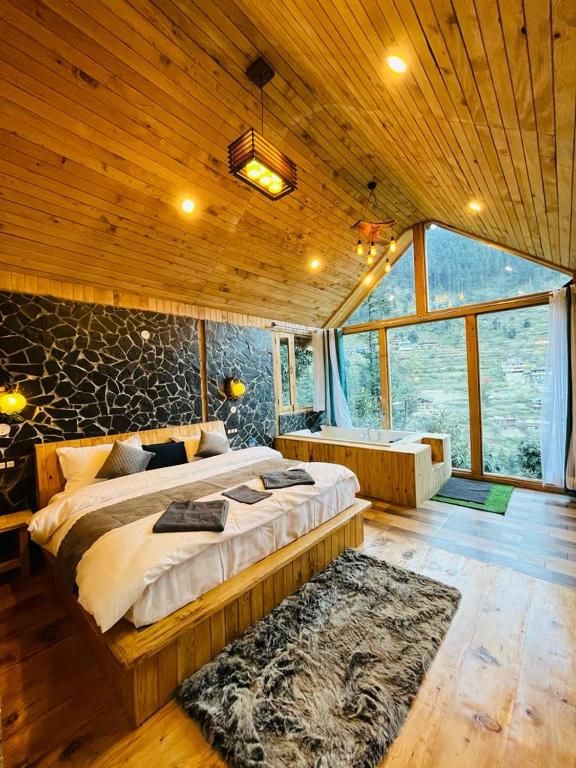
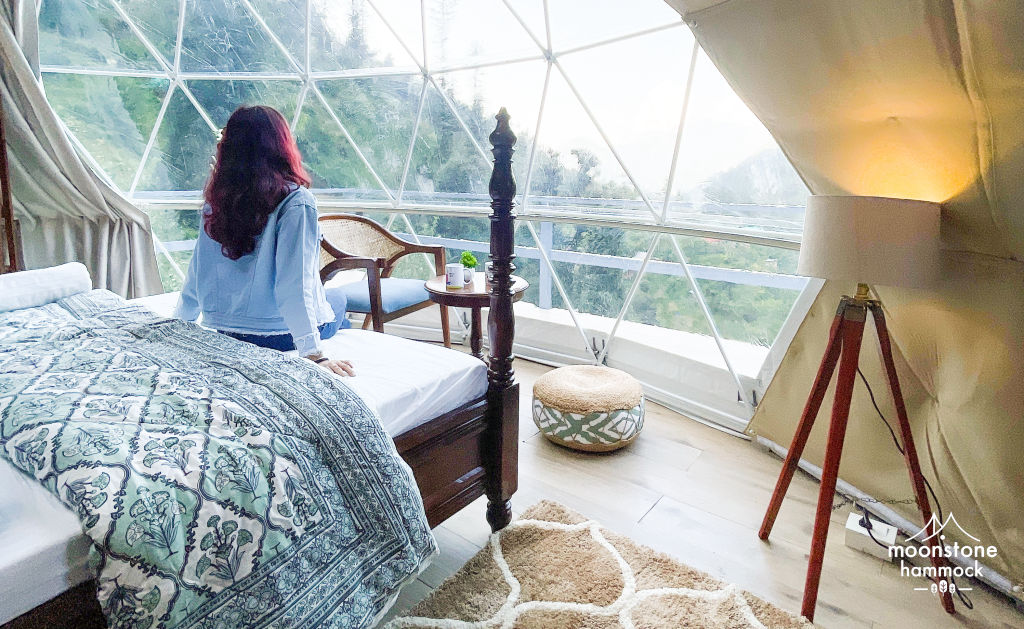
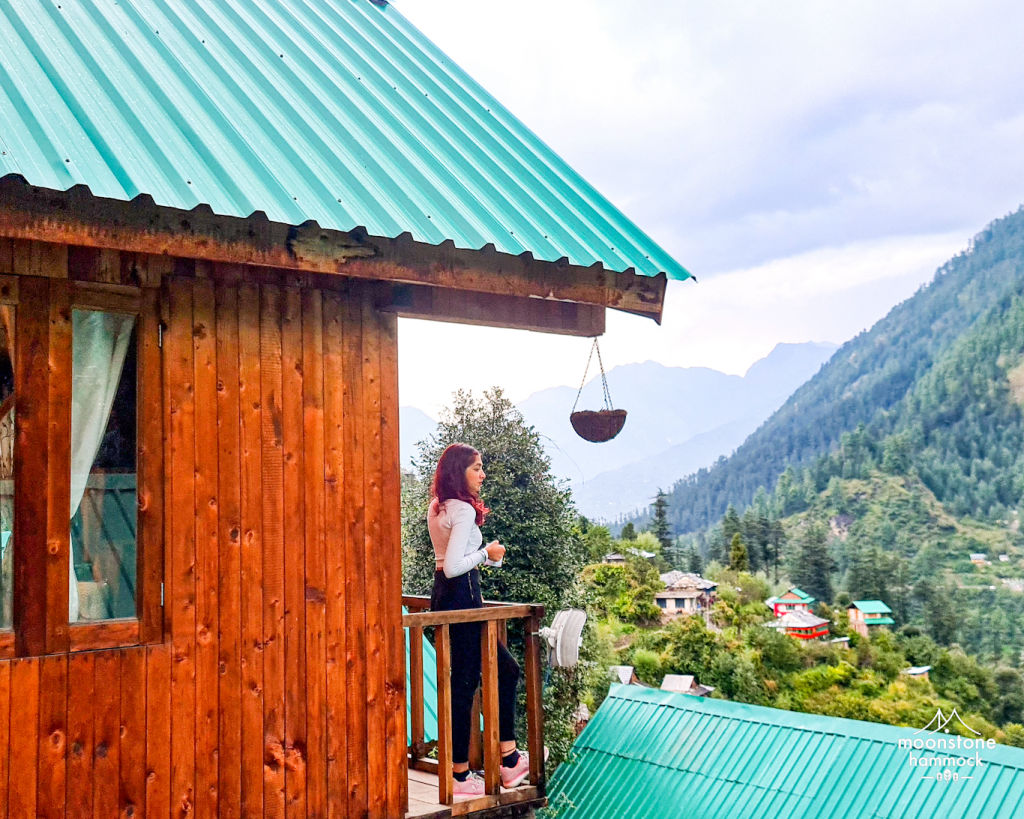
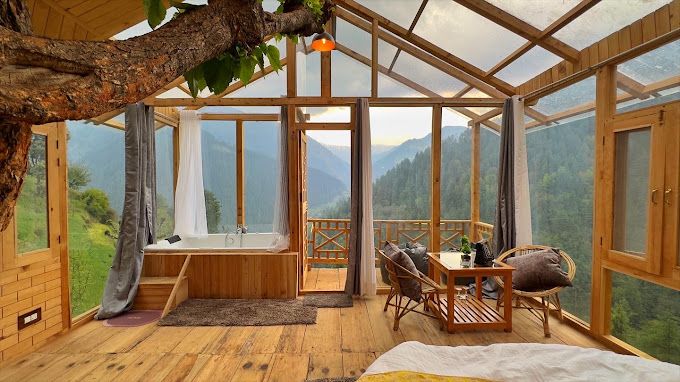
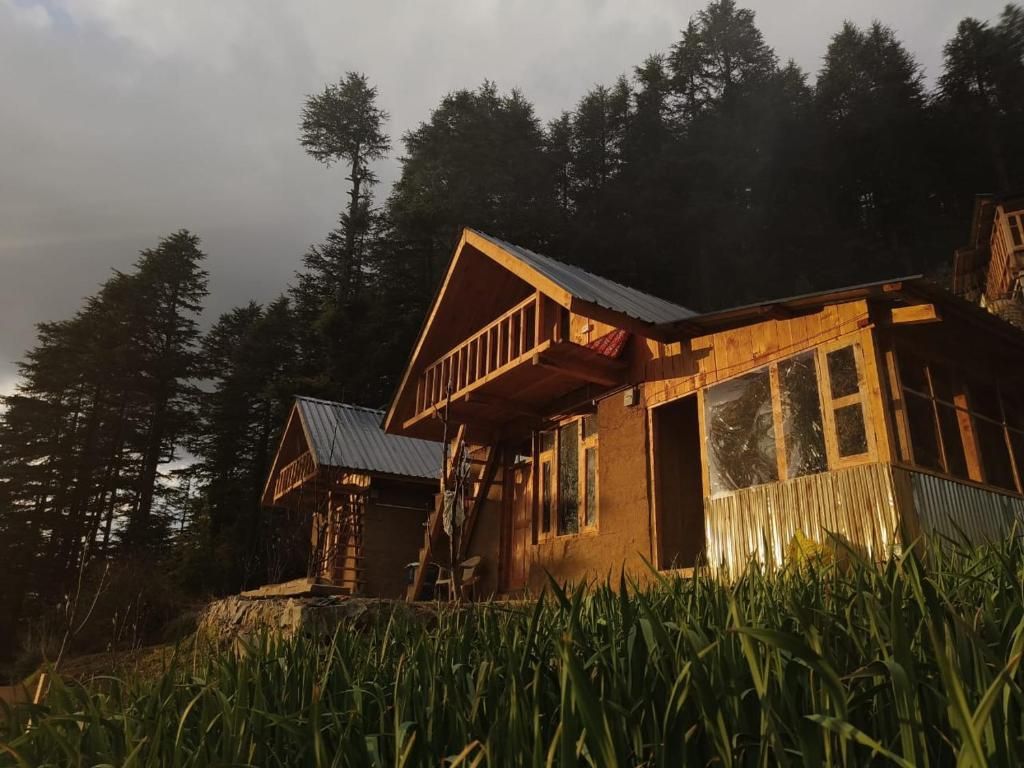
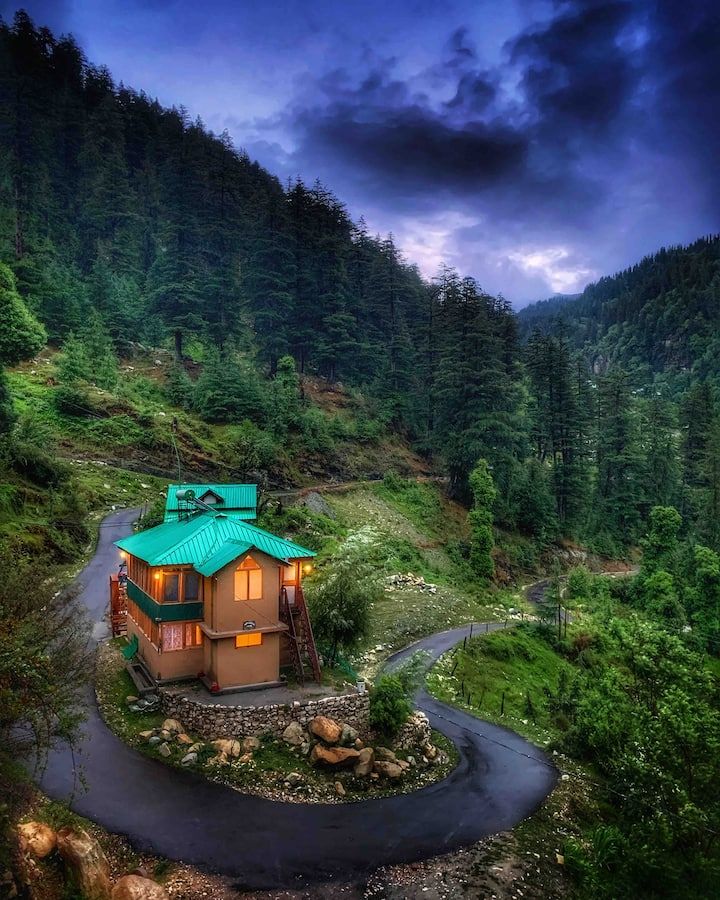
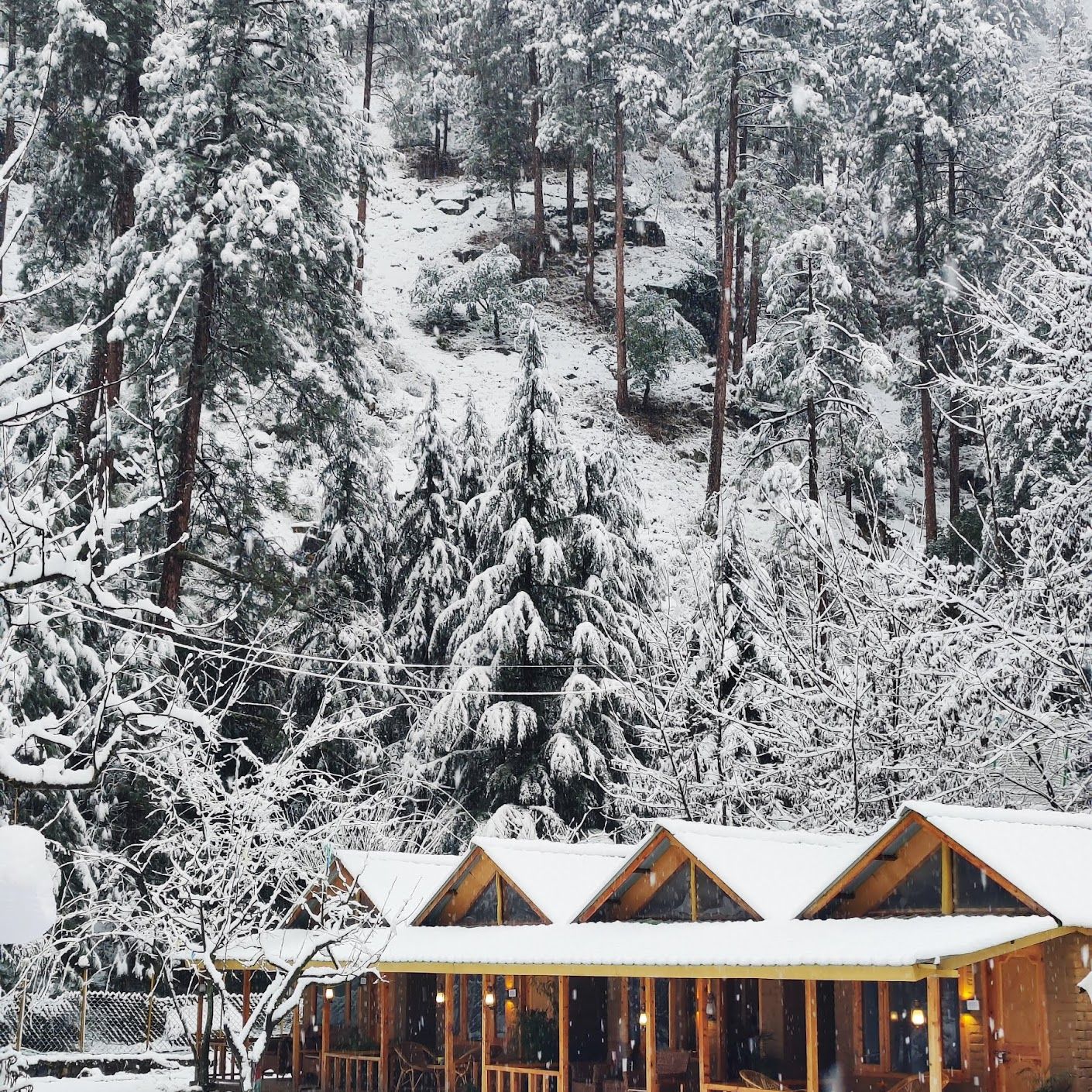
If you are looking for comfortable homestays, eco-cabins, and managed camps before or after your wilderness venture, the surrounding villages of Sainj, Shangarh, and Tirthan Valley offer peaceful retreats run by welcoming local families. A curated selection of camps, village homestays, and rustic cottages across the region can be found on HireACamp.
Frequently asked questions
Where is Jiwa Nal Valley located?
Jiwa Nal Valley is located within the Sainj region of Kullu district in Himachal Pradesh, India, forming part of the Great Himalayan National Park ecosystem.
Do I need a permit to enter Jiwa Nal Valley?
Yes, because Jiwa Nal Valley falls within a protected national park and eco-zone, visitors must obtain forestry and park entry permits from local forest department authorities before trekking.
How difficult is trekking in Jiwa Nal Valley?
Trekking in Jiwa Nal is generally considered moderate to strenuous, involving steep elevation changes, remote high-altitude passes, and trails that demand good physical endurance and self-sufficiency.
What is the best time to visit Jiwa Nal Valley?
The best times to visit are pre-monsoon from May to June and post-monsoon from September to October, when temperatures are manageable and trail conditions are most reliable.
Are there hotels or guesthouses inside Jiwa Nal Valley?
There are no hotels or permanent guesthouses inside the valley itself; travellers stay in self-pitched tents during treks, while homestays and camps can be booked in nearby villages like Shangarh and Sainj on HireACamp.
Where you'll be
sainj, Kullu · 12 stays nearby shown with prices
Stays near Jiwa Nal Valley
Book a place to stay close by
More places near Jiwa Nal Valley
Within 20 km


Built from 0 Instagram posts by 0 creators. Every tip links back to the post it came from, and where creators disagree we show both sides.






