
Shangchul Mahadev Temple
Temple near Sainj, Himachal Pradesh
4.2 km from Sainj
The nearest town, for stays, food and fuel.
Shangchul Mahadev Temple is an ancient wooden shrine located in the tranquil Sainj Valley of Himachal Pradesh. Surrounded by sweeping meadows and dense pine forests, the temple is dedicated to Lord Shiva and holds immense religious and cultural significance for the local community. Travellers visit to experience its remarkable Kathkuni architecture, the peaceful mountain setting, and the unique pastoral traditions of the region.
Getting there
By road
- From SainjNearest town26 min · 5.6 km
- From Chandigarh5 hr · 207 km
- From Ludhiana5 hr 35 min · 248 km
- From Amritsar7 hr 35 min · 358 km
Typical drive times without traffic. Stations and airports from OLA Maps; distances and typical drive times from OpenStreetMap (© OpenStreetMap contributors); notes from creators' Reels.
About Shangchul Mahadev Temple
Written with AI from map data and general knowledge. Check prices and timings locally before you go.
The Legend and Heritage of Shangchul Mahadev Temple
Shangchul Mahadev Temple serves as the spiritual heart of the Sainj Valley. Local lore deeply intertwines the shrine with the epic Mahabharata, believing that the Pandavas spent a period of their exile in these upper Himalayan valleys. According to local belief, Shangchul Mahadev provided refuge to the Pandavas and declared the surrounding lands a sanctuary where harmony must prevail.
To this day, the area surrounding the temple is revered as a peaceful haven. Custom holds that disputes, aggression, and conflicts must be left behind before entering the sacred boundary. The temple grounds are maintained with deep reverence by the village community, who adhere strictly to age-old rituals and governance systems dictated by the local deity.
Traditional Kathkuni Architecture
The temple is an exquisite example of indigenous Kathkuni architecture, a traditional building style developed in Himachal Pradesh to withstand earthquakes and harsh weather. This construction technique involves interlocking thick wooden beams with stones without using any mortar or metal nails. The resulting structure possesses both flexibility and robust stability.
Intricate wood carvings adorn the balconies, pillars, and eaves of the temple, featuring representations of local motifs, flora, and mythological figures. The pagoda-style slate roof slopes gracefully against the mountain backdrop, standing in harmony with the natural environment. Walking around the perimeter gives visitors a close look at the centuries of craftsmanship that have preserved this architectural gem through the ages.
Read more
The Sacred Meadow Setting
One of the most striking features of Shangchul Mahadev Temple is the vast, rolling green meadow in which it is nestled. Unlike many hill shrines perched precariously on steep cliffs, this temple sits amidst open pastures framed by majestic deodar and cedar trees. The snow-draped peaks of the Great Himalayan range rise in the distance, completing an idyllic pastoral landscape.
The meadow itself is considered holy ground. Local customs prohibit plucking flowers, running horses, or littering across the turf, ensuring the landscape remains clean and undisturbed. In spring and summer, the grasses turn a vivid green, providing a calm space for quiet contemplation, while in midwinter, the entire expanse is covered in a deep blanket of snow.
Best Time to Visit Shangchul Mahadev Temple
The climate in the Sainj Valley shapes the experience of visiting the temple across the year. The spring and summer months, from April to June, bring pleasant temperatures, blooming wildflowers, and easy road access. This is an ideal period for walking through the valley, enjoying the clear mountain air, and admiring the meadows in full daylight.
The monsoon season from July through September brings heavy rainfall to Himachal Pradesh. While the landscape turns lush and mist rolls through the valleys, road travel can be affected by landslides and delays. Autumn, especially October and November, is characterized by crisp air, sunny days, and golden light on the peaks. For those who want to witness snow, visiting between December and February transforms the meadows into a quiet, white landscape, though warm clothing and preparation for sub-zero temperatures are essential.
How to Reach Shangchul Mahadev Temple
Reaching Shangchul Mahadev Temple requires travelling through the picturesque Sainj Valley. The nearest major transport hub is Aut on the Chandigarh-Manali national highway. From Aut, a diversion leads into the Sainj Valley, where winding mountain roads trace the Sainj River toward the higher villages.
Travellers arriving by air can fly to the domestic airport at Bhuntar in Kullu, from where local buses and private taxis are available to continue toward Sainj. The nearest major railway stations are in Chandigarh and Kalka. The final stretch of the journey from Sainj up to the temple involves a narrow, steep mountain road with sharp turns, requiring careful driving or an experienced local driver.
Tips for Visiting the Temple Grounds
Visiting a traditional Himachali temple comes with an expectation of cultural sensitivity. Travellers should dress modestly and remove leather items, such as belts, wallets, and shoes, before stepping onto the wooden temple platform or inner sanctum. Footwear is strictly restricted on the temple floor, and signs usually mark where shoes should be left.
Photography may be restricted inside the inner sanctuary, so it is best to ask local caretakers before taking pictures of the idols or ritual spaces. Since the surrounding meadow is maintained by the village without formal sanitation crews, carrying all personal trash back with you is critical to keeping the ground pristine.
Exploring the Surrounding Valley
A visit to Shangchul Mahadev Temple is often paired with exploring the wider Sainj and Tirthan valleys. The entrance to the Great Himalayan National Park, a UNESCO World Heritage site known for its rich biodiversity and scenic trekking paths, is located within the wider region. Nature enthusiasts can arrange day walks or multi-day expeditions into the sanctuary's buffer zones.
Further south across the ridge lies the Jalori Pass, offering expansive views of the inner Himalayan ranges and access to high-altitude routes. The adjacent hamlets and forest trails provide endless opportunities for birdwatching, photography, and experiencing quiet village life away from high-traffic tourist corridors.
Where to Stay Near Shangchul Mahadev Temple
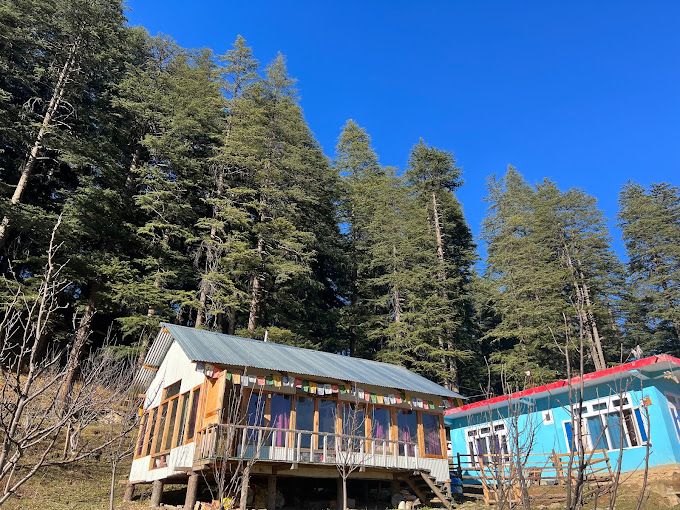
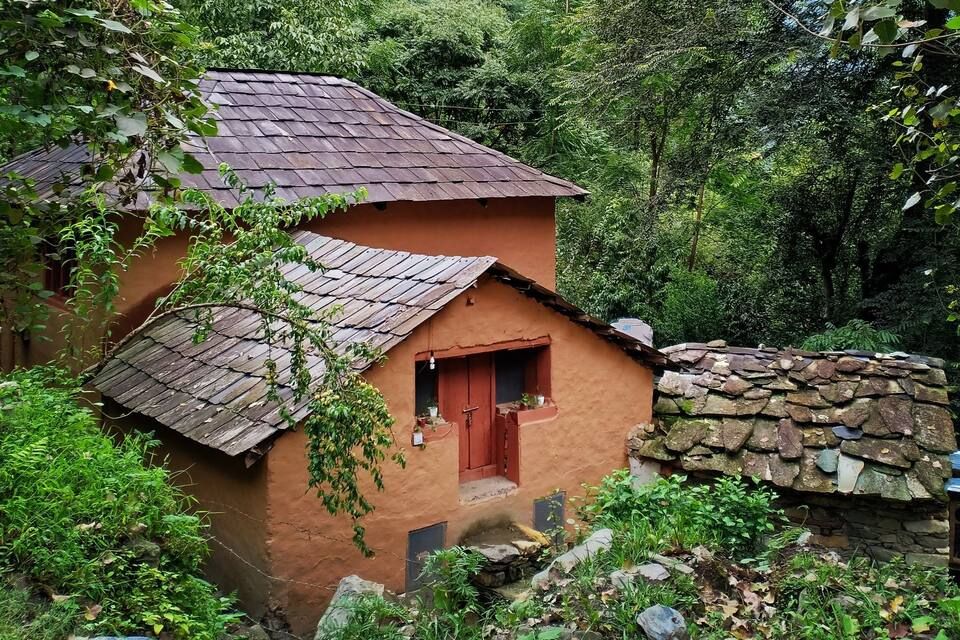
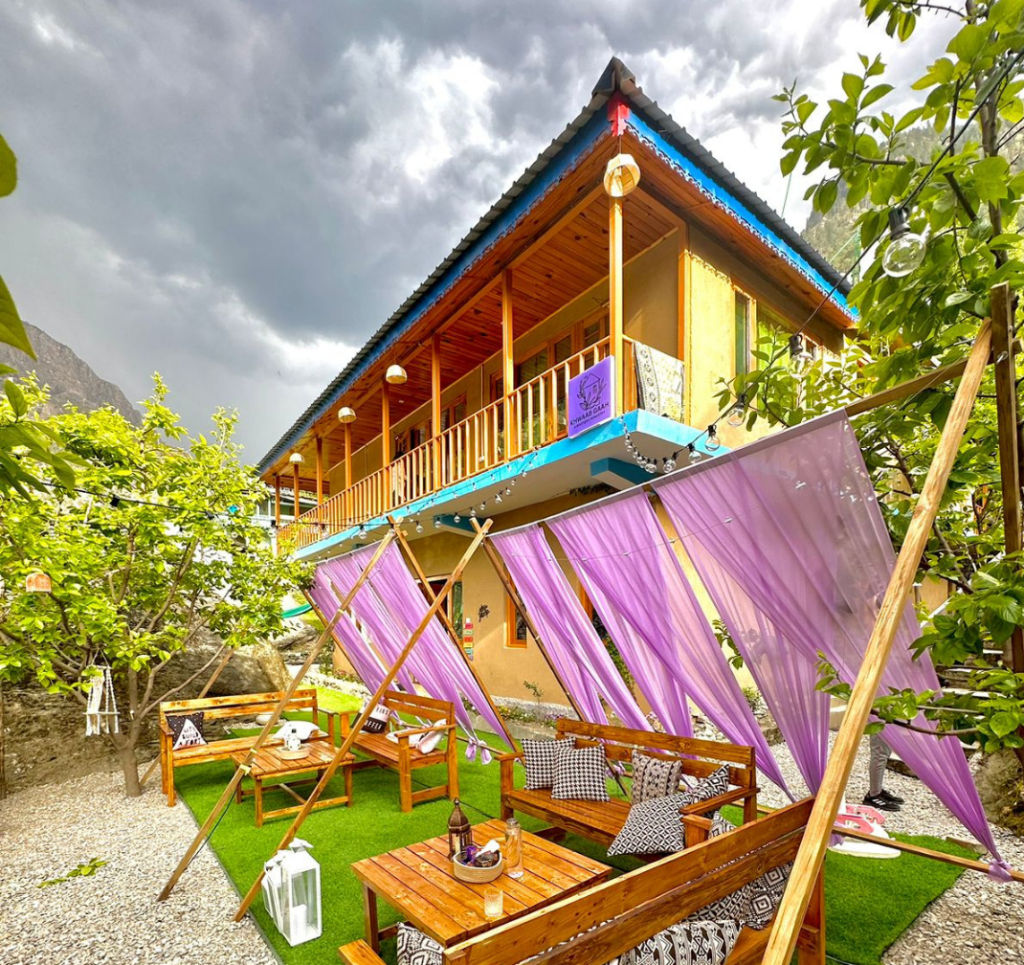
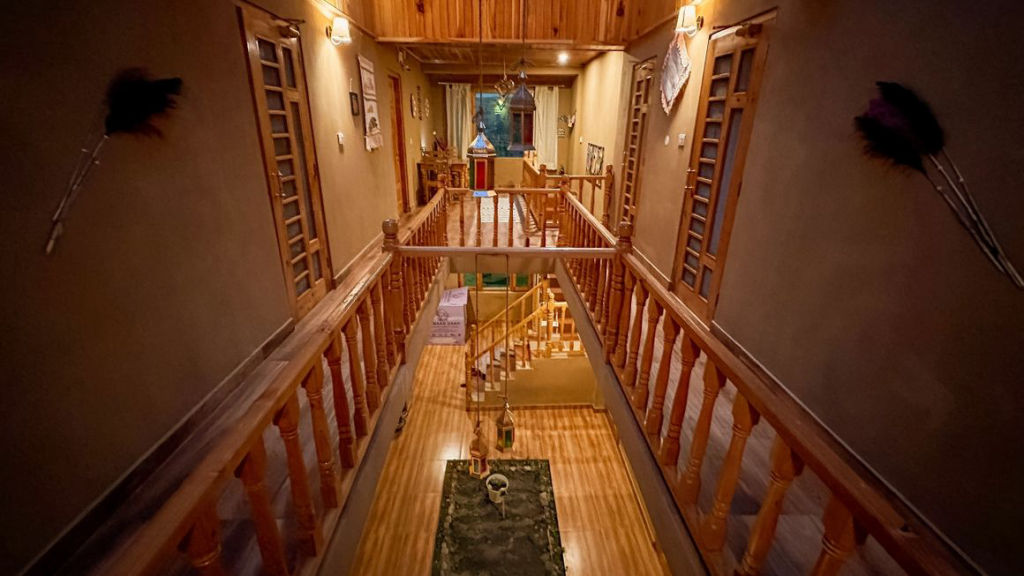
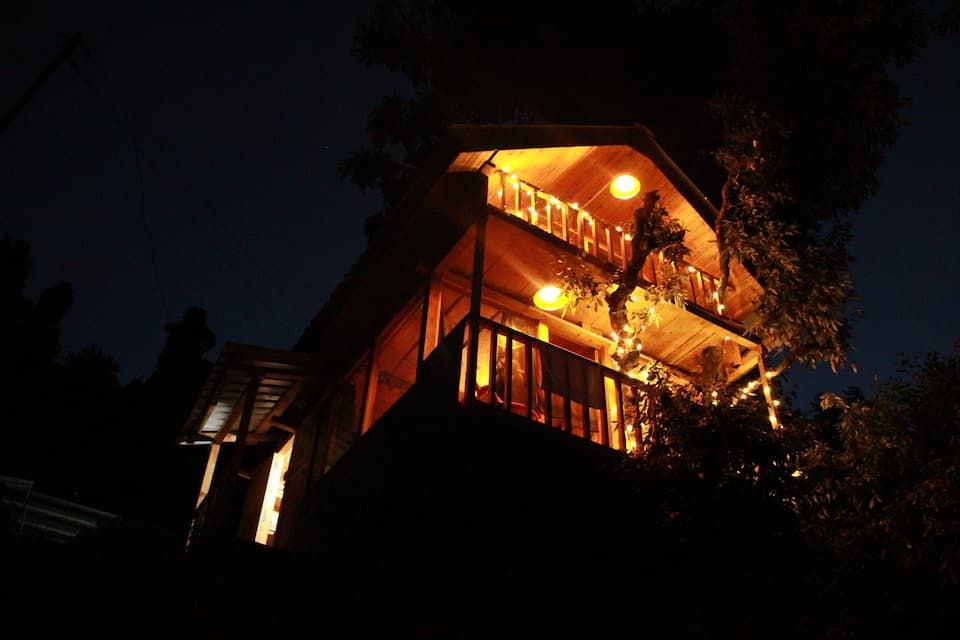
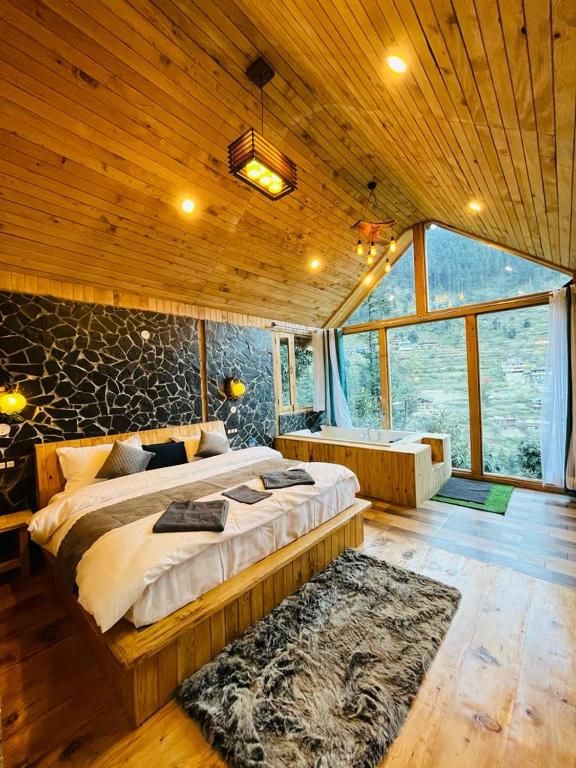
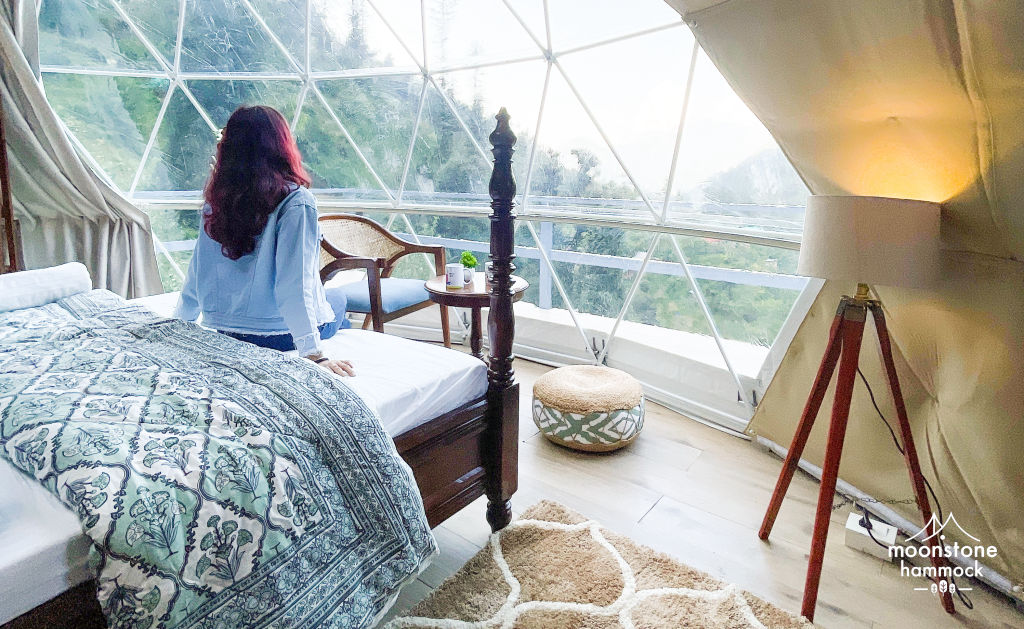
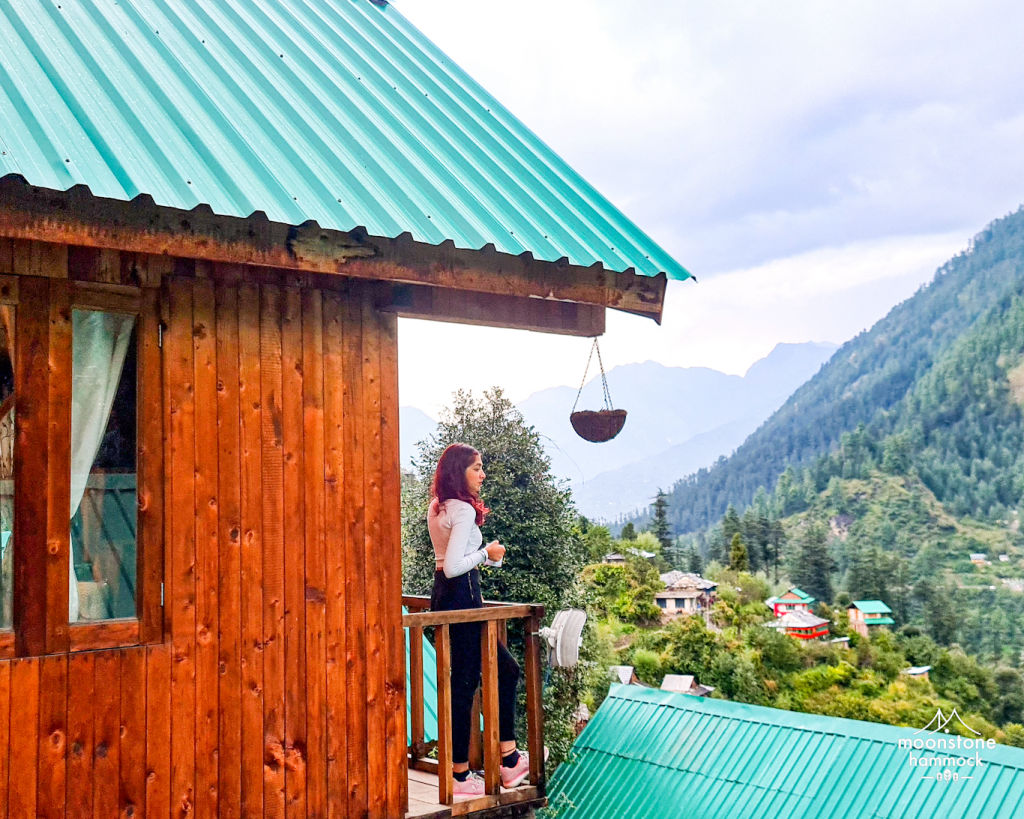
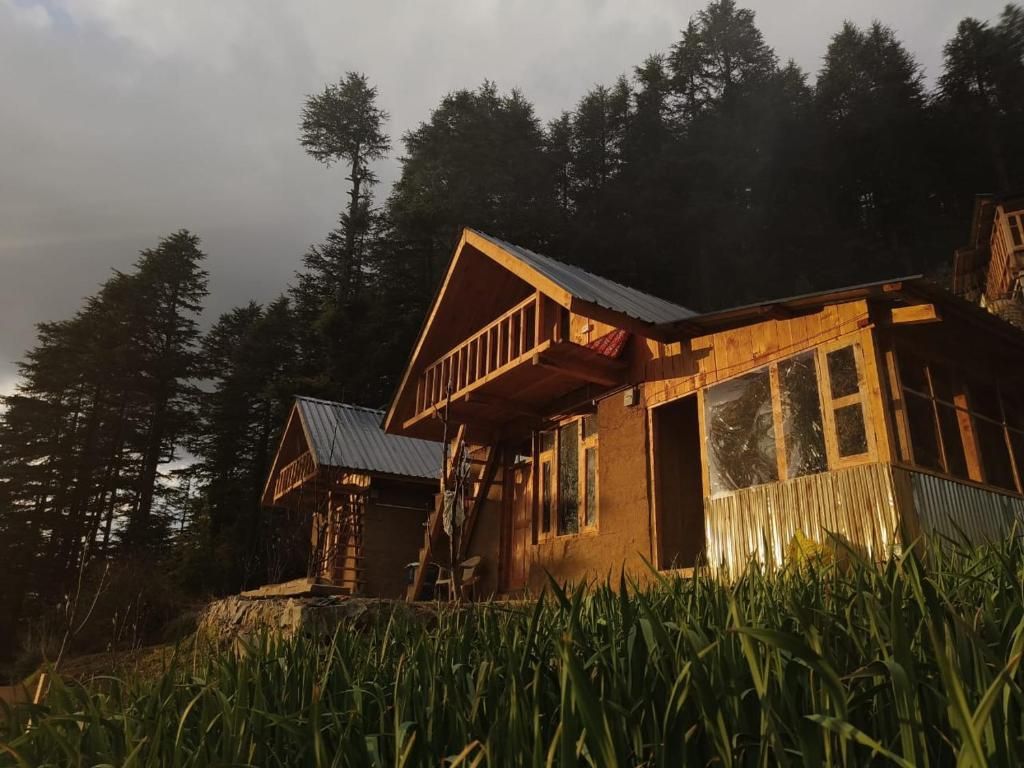
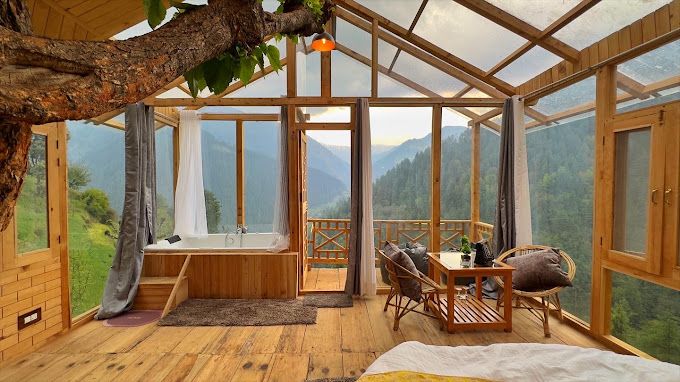
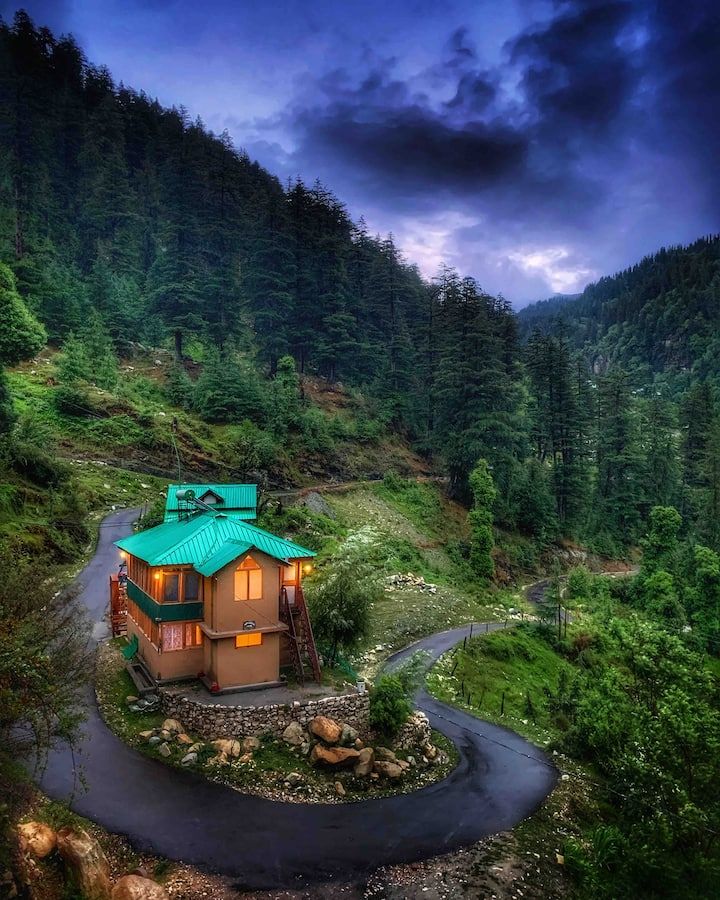
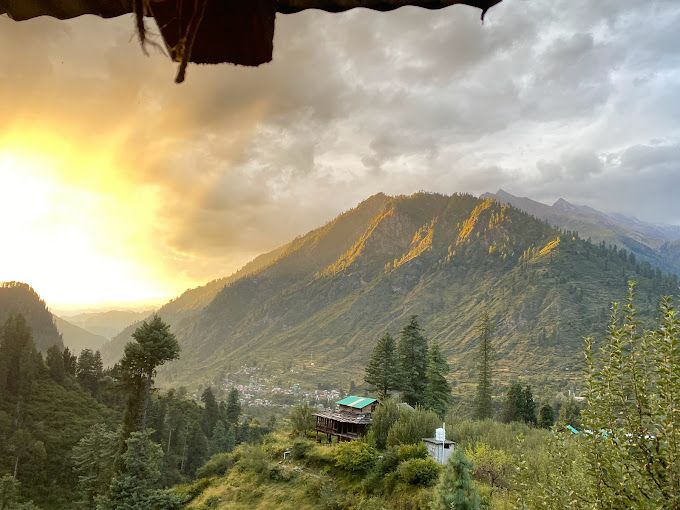
Accommodation options around the temple reflect the tranquil, rural nature of the valley. Traditional homestays managed by local families offer an authentic glimpse into Himachali hospitality, home-cooked food, and timber-lined rooms that remain warm in cool weather. There are also eco-camps and scenic campsites pitched amidst apple orchards and valley ridges.
Travellers planning an outdoor retreat can explore and book verified camps, homestays, and rustic cottages near the Sainj Valley on HireACamp. Booking in advance is recommended during peak summer months and festive periods when available village stays fill up quickly.
Frequently asked questions
Is photography allowed at Shangchul Mahadev Temple?
Photography is generally permitted in the open meadows and around the exterior of the temple. However, taking photos inside the inner sanctum is often restricted, so you should check with the temple priest or local villagers before using your camera.
Are shoes and leather items allowed inside the temple?
No, visitors are required to remove shoes before entering the temple complex. Leather accessories such as belts, wallets, and bags are also not permitted inside traditional Himachali temples as a mark of respect.
Does it snow at Shangchul Mahadev Temple?
Yes, the temple meadow receives snowfall during the peak winter months between late December and February, turning the whole landscape white.
Can I drive directly to Shangchul Mahadev Temple?
Roads connect Sainj and the nearby villages up toward the meadow area, though the final road stretch can be narrow and steep. Vehicles are parked near designated zones so that the sacred meadows remain completely vehicle-free.
Are there food and accommodation facilities right next to the temple?
Commercial development is strictly kept away from the immediate meadow to preserve its sacred atmosphere. However, traditional homestays, simple guesthouses, and village shops are available within a short walking or driving distance in nearby settlements.
Where you'll be
Sainj · 12 stays nearby shown with prices
Stays near Shangchul Mahadev Temple
Book a place to stay close by
More places near Shangchul Mahadev Temple
Within 20 km


Built from 0 Instagram posts by 0 creators. Every tip links back to the post it came from, and where creators disagree we show both sides.






