
Pundrik Rishi Temple
Temple near Sainj, Himachal Pradesh
3.7 km from Sainj
The nearest town, for stays, food and fuel.
Pundrik Rishi Temple is a revered Hindu shrine nestled along the quiet mountain routes near Banjar and the Sainj Valley in Himachal Pradesh. Dedicated to the ancient sage Pundrik Rishi, the shrine draws travellers and pilgrims who come to admire its classic mountain architecture and peaceful Himalayan setting. Surrounded by dense deodar groves and high-altitude slopes, it offers an authentic glimpse into the sacred heritage of Kullu district.
Getting there
By road
- From SainjNearest town30 min · 11 km
- From Chandigarh5 hr 5 min · 212 km
- From Ludhiana5 hr 40 min · 253 km
- From Amritsar7 hr 40 min · 364 km
Typical drive times without traffic. Stations and airports from OLA Maps; distances and typical drive times from OpenStreetMap (© OpenStreetMap contributors); notes from creators' Reels.
About Pundrik Rishi Temple
Written with AI from map data and general knowledge. Check prices and timings locally before you go.
About Pundrik Rishi Temple
Pundrik Rishi Temple sits amidst the lush, forested slopes of the Kullu region, easily accessible from the town of Banjar and the tranquil hamlet of Shangarh. The temple is consecrated to Maharishi Pundrik, a revered sage in regional folklore whose presence is believed to protect the surrounding hamlets and their agrarian way of life. The site holds immense spiritual significance for the local communities, who gather here during seasonal festivals and religious rituals.
Beyond its spiritual importance, the temple provides a striking setting for visitors looking to experience the quiet rhythms of rural Himachal Pradesh. Set against rolling hills, terraced fields, and stands of cedar, the temple complex feels completely removed from commercial tourist hubs. The atmosphere is defined by crisp mountain air, the sound of rustling pine needles, and the steady chime of temple bells during morning and evening prayers.
Architecture and Cultural Significance
The construction of Pundrik Rishi Temple reflects the indigenous Kath Kuni architectural style typical of the Himachal highlands. This indigenous building technique combines alternating layers of dry stone masonry and heavy timber beams, assembled without modern mortar. The structure is built to withstand seismic tremors while providing natural insulation against the bitter winter cold.
Intricate wood carvings embellish the temple pillars, eaves, and doorframes. These ornamental patterns depict scenes from local lore, mythical motifs, and protective symbols, showcasing the time-honoured craftsmanship of Himalayan woodworkers. Visitors will notice the tiered sloping slate roof, designed to shed winter snow and heavy monsoon rain. Like many village shrines in the valley, the temple maintains distinct customs regarding sacred sanctums and courtyard etiquette, reflecting the ancient traditions upheld by the resident villagers.
Read more
Best Time to Visit Pundrik Rishi Temple
The temple and its surrounding valley can be visited for most of the year, though each season brings a distinct atmosphere to the landscape. Spring and summer, stretching from April to June, offer comfortable daytime temperatures and clear skies. During these months, the surrounding valleys turn bright green, orchards blossom, and mountain trails become easy to walk, making it the most popular time for general sightseeing and leisurely village walks.
Autumn, from September to November, brings crisp weather and exceptionally clear visibility across the high mountain ridges. The foliage begins to turn warm shades of amber and gold, creating spectacular panoramas across the Sainj and Tirthan valleys. Winter, lasting from December to February, brings cold spells and occasional snowfall to the higher reaches. While the snow-dusted landscape is scenic, travellers during winter should be prepared for sub-zero night temperatures and check local road conditions before driving along high-altitude stretches. The monsoon season between July and August brings heavy rain and potential landslides, requiring extra caution on mountain roads.
How to Reach Pundrik Rishi Temple
Reaching Pundrik Rishi Temple typically involves travelling first towards the central gateway towns of the Kullu valley. Banjar serves as the primary regional market town and transport hub for visitors heading into this sector. From major cities such as Chandigarh or New Delhi, regular state transport buses and private vehicles travel via the national highway towards Mandi and Aut. Near the Aut tunnel, a branch road splits off towards Banjar, Sainj, and the surrounding hamlets along the Ropa road.
The final approach follows narrow mountain roads that wind through terraced farms, pine groves, and small settlements. The drive requires cautious driving along single-lane mountain stretches, especially around sharp hairpin bends. The nearest regional airport is at Bhuntar near Kullu, while the major broad-gauge railway stations are located down in the plains at Chandigarh and Kalka. From these hubs, visitors can hire private taxis or board local buses to reach Banjar, followed by local transport to the temple area.
Places to Visit Around Pundrik Rishi Temple
The region surrounding Pundrik Rishi Temple is rich with natural landmarks and traditional settlements. Just a short journey away lies the scenic Shangarh valley, famous for its expansive alpine meadow and the revered Shangchul Mahadev Temple. The wide grassland of Shangarh, surrounded by towering pines and wooden houses, is an ideal place to spend a quiet afternoon walking along village footpaths.
Outdoor enthusiasts can venture further towards the fringes of the Great Himalayan National Park, a UNESCO World Heritage site known for its pristine river valleys, temperate forests, and high biodiversity. The adjoining Tirthan Valley offers quiet riverside trails, apple orchards, and opportunities for gentle nature hikes. Those willing to drive higher into the ranges can plan an excursion towards Jalori Pass, a high mountain pass that connects the inner valleys with the Shimla district and serves as the starting point for panoramic ridgeline walks.
Tips for Visiting Pundrik Rishi Temple
Visitors to Pundrik Rishi Temple should respect local customs and traditional sanctum rules. In many Himachali village temples, leather goods such as belts, wallets, and bags are prohibited inside the sacred inner courtyard. It is always wise to ask local residents or temple caretakers before entering the inner sanctum or photographing religious ceremonies.
Dress modestly and remove your footwear before stepping onto the temple plinth. Because mountain weather can change suddenly, carrying a light windproof jacket or woollen layer is recommended even during warmer months. Sturdy walking shoes are essential for exploring the uneven stone paths and village steps leading up to the shrine. Mobile network coverage can be intermittent along the mountain roads, so downloading offline maps and carrying sufficient cash for small expenses is advisable.
Where to Stay Near Pundrik Rishi Temple
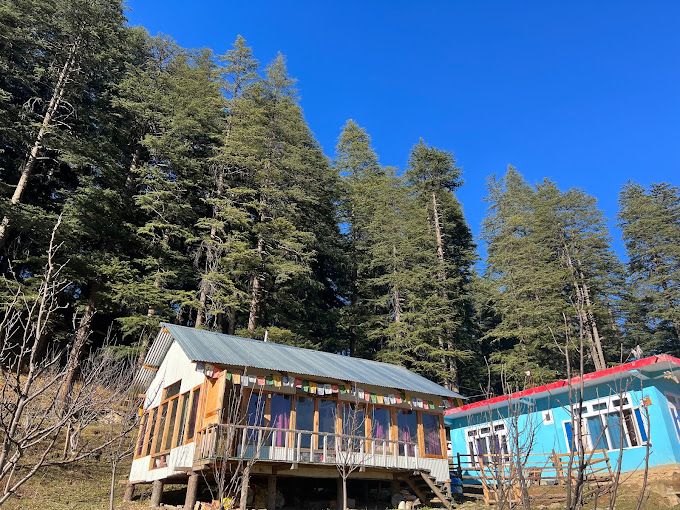
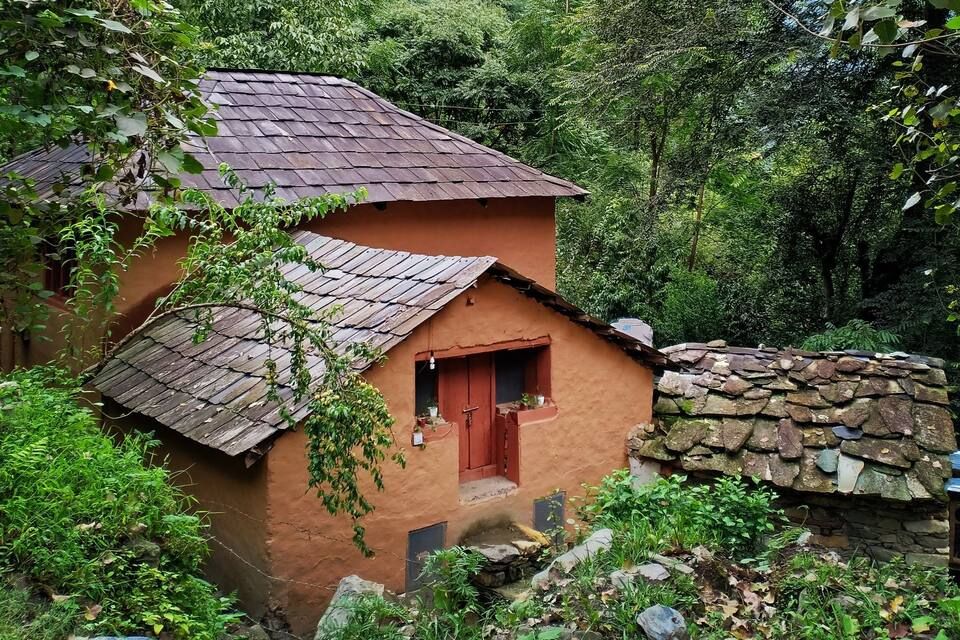
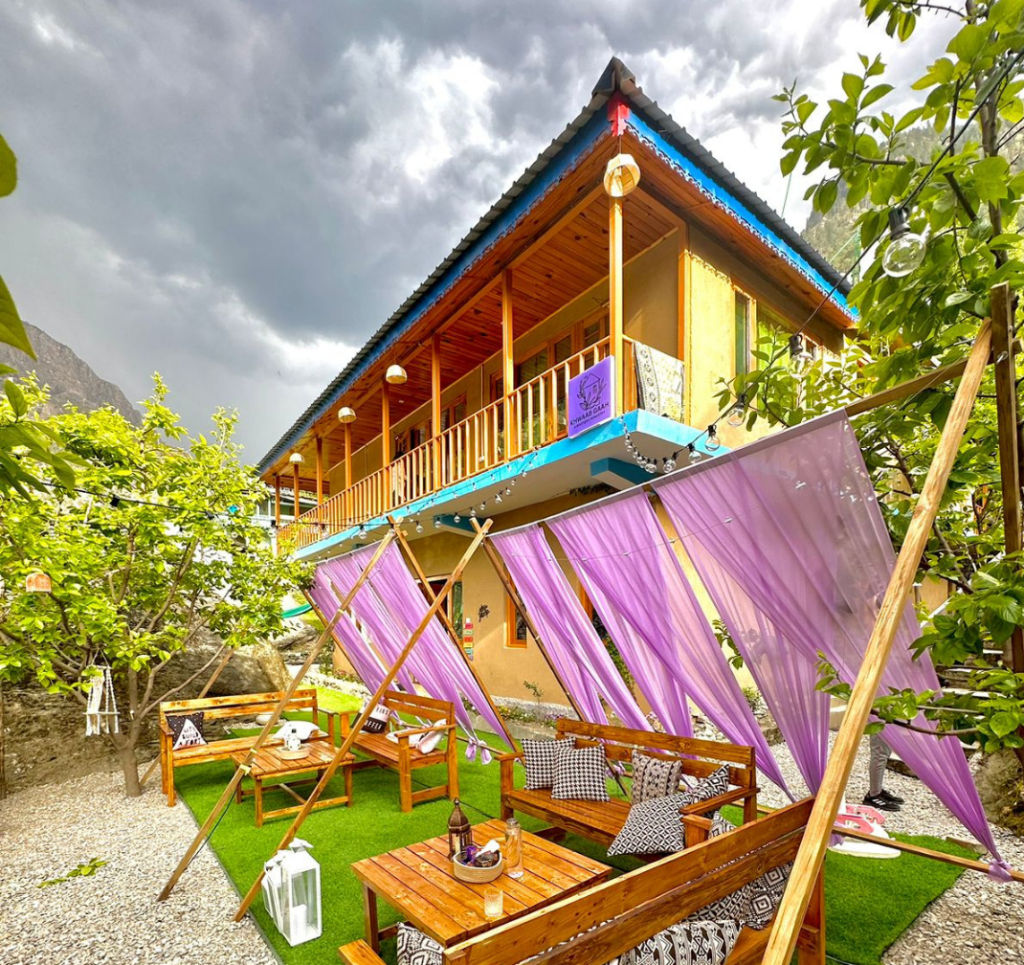
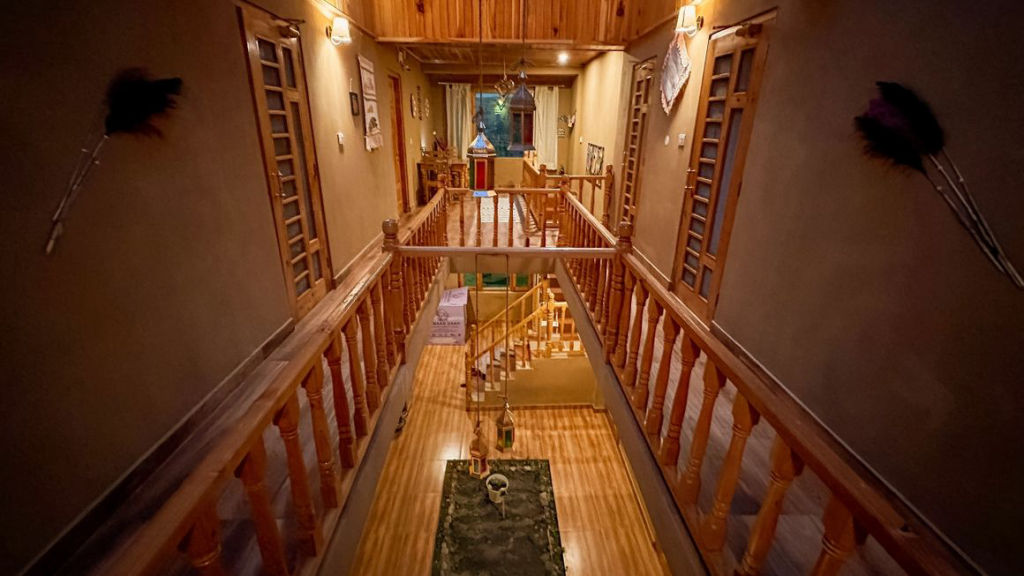
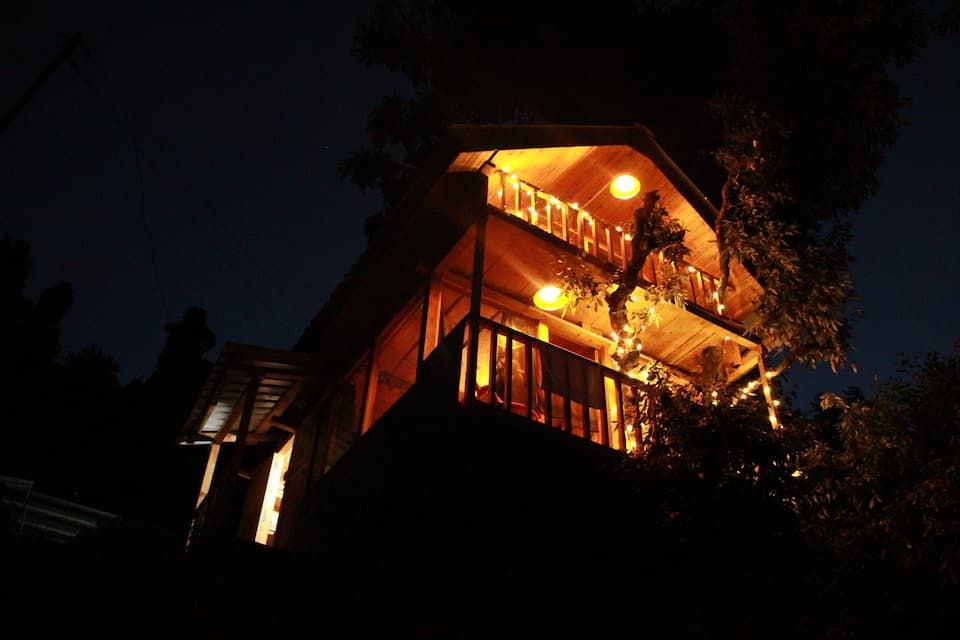
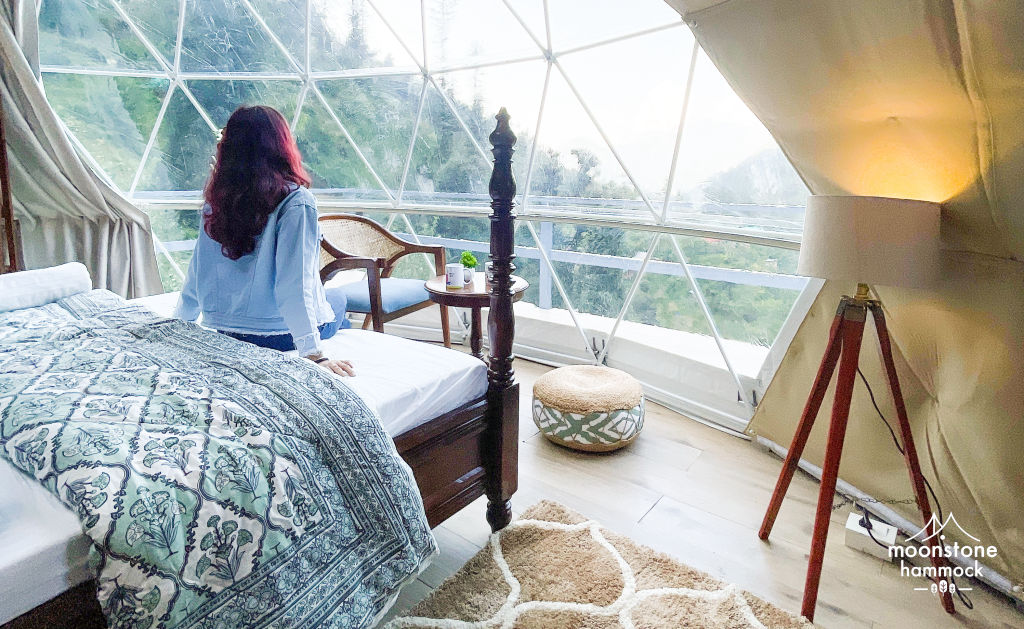
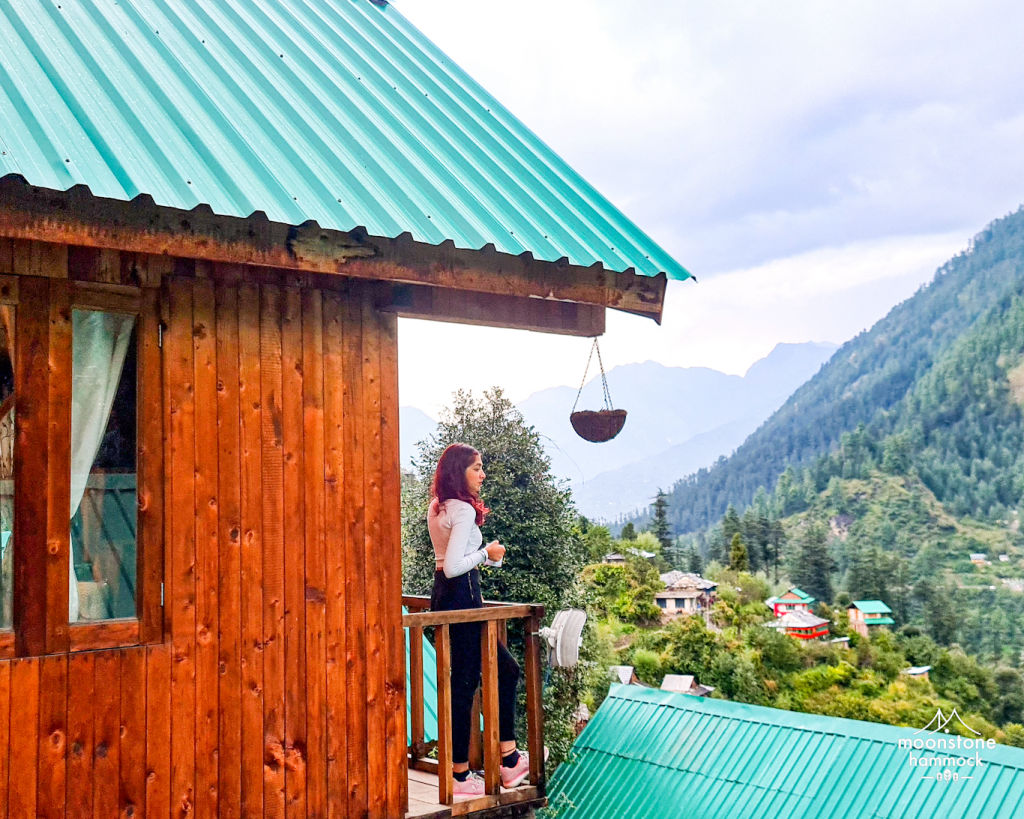
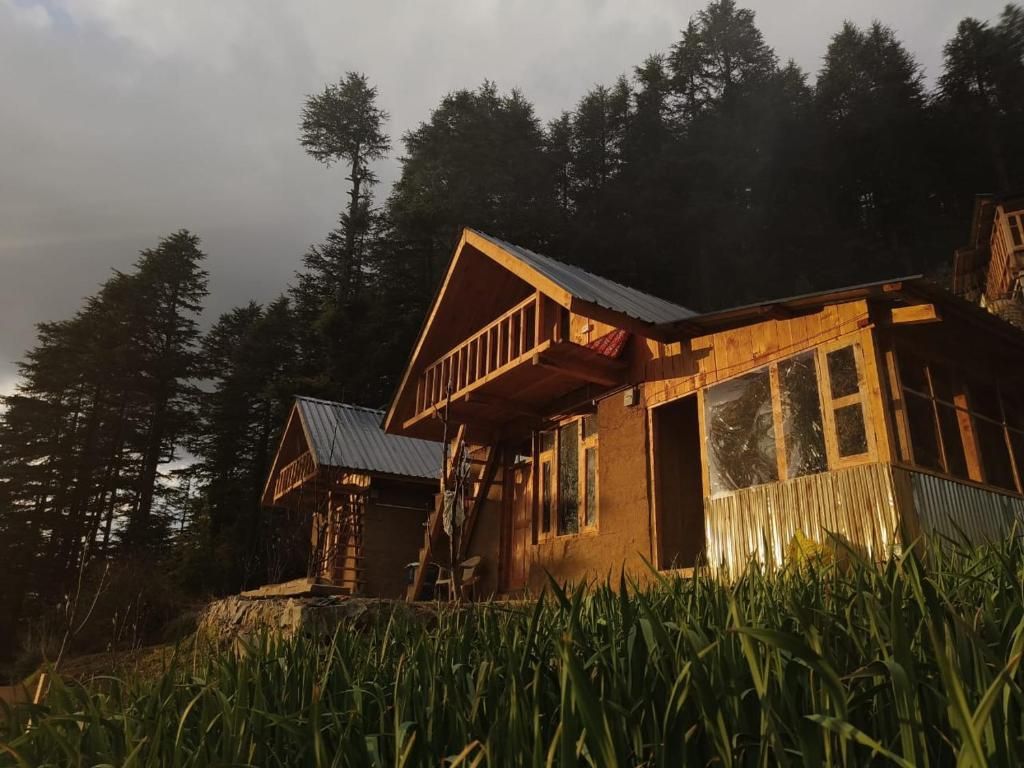
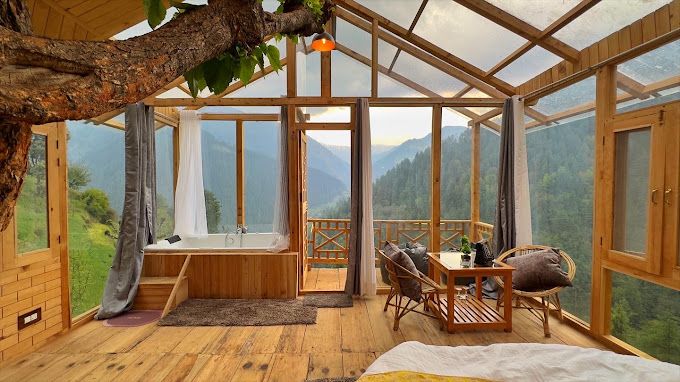
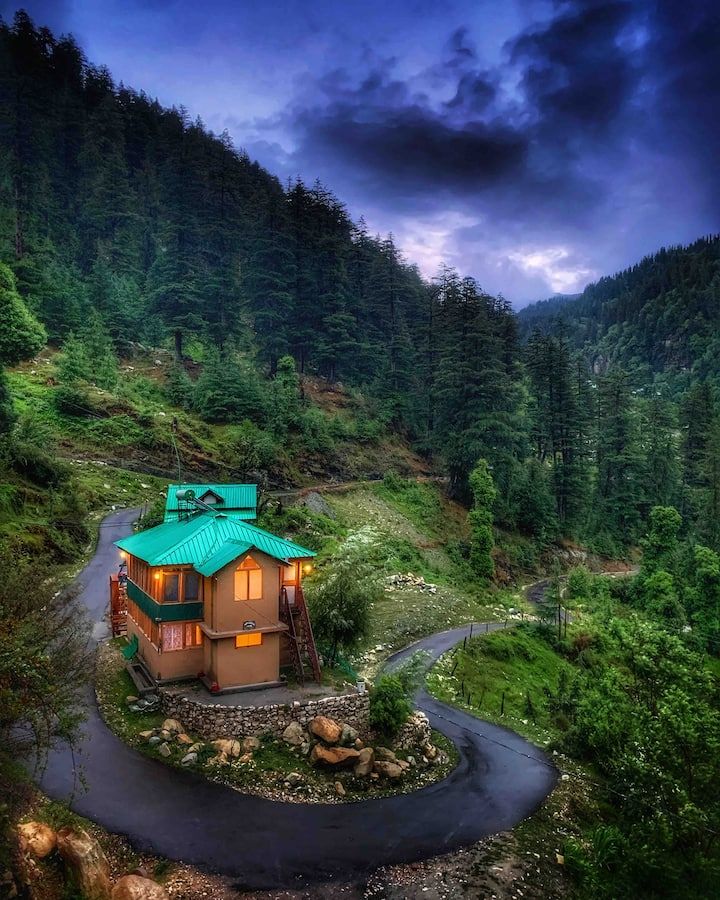
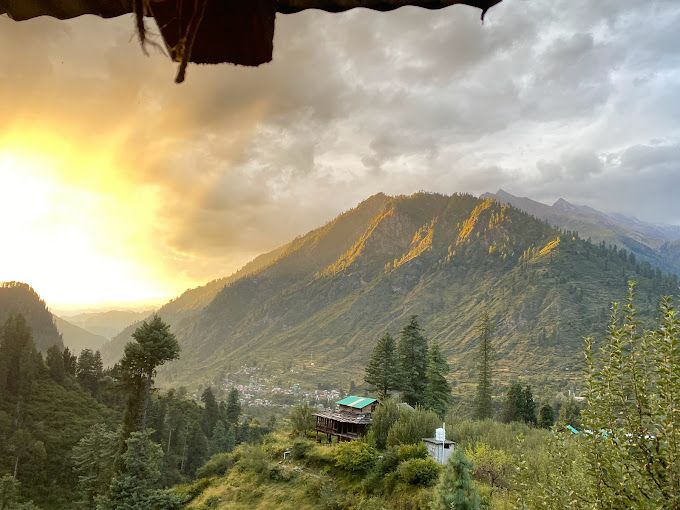
Travellers seeking accommodations near the temple will find a range of atmospheric options throughout the neighbouring villages. Homestays, scenic campsites, and rustic cottages are spread across the meadows of Shangarh, the riverbanks of Tirthan Valley, and the hillsides near Banjar. Staying in a local homestay offers travellers the opportunity to enjoy traditional wooden architecture, warm hospitality, and freshly prepared local dishes. You can easily find and book verified camps, homestays, and boutique stays in the area on HireACamp.
Frequently asked questions
Where is Pundrik Rishi Temple located?
Pundrik Rishi Temple is situated along the Ropa road near the Sainj and Shangarh valleys in the Kullu district of Himachal Pradesh, accessible via the town of Banjar.
What architectural style is used in Pundrik Rishi Temple?
The temple is constructed using the traditional Kath Kuni style, an indigenous Himachali technique featuring interlocking wooden beams and chiseled dry stones topped with slate roofing.
Can I visit Pundrik Rishi Temple during the winter season?
Yes, the temple can be visited during winter, though travellers should expect cold temperatures and occasional snowfall in the upper reaches. It is best to check local road conditions before travelling.
Are there specific rules to follow while visiting the temple?
Visitors must dress conservatively, remove shoes before entering the temple complex, and avoid carrying leather items into sacred areas. Always ask for permission before taking photographs inside the shrine.
What other places can I visit near Pundrik Rishi Temple?
Nearby attractions include the Shangchul Mahadev Temple and the meadow of Shangarh, the scenic Tirthan Valley, the borders of Great Himalayan National Park, and Jalori Pass.
Where you'll be
ropa road, Himachal Pradesh, HP · 12 stays nearby shown with prices
Stays near Pundrik Rishi Temple
Book a place to stay close by

More places near Pundrik Rishi Temple
Within 20 km


Built from 0 Instagram posts by 0 creators. Every tip links back to the post it came from, and where creators disagree we show both sides.






