
Rupi Raila Waterfall
Waterfall near Sainj, Himachal Pradesh
4.1 km from Sainj
The nearest town, for stays, food and fuel.
Rupi Raila Waterfall is a cascading mountain fall tucked near Raila village in the scenic Sainj Valley of Himachal Pradesh. Flowing through forested hills and terraced farmland, it offers an unhurried day walk through traditional Himachali hamlets. Travelers visit the falls for its crisp mountain water, peaceful rural surroundings, and proximity to the Great Himalayan National Park region.
Getting there
By road
- From SainjNearest town21 min · 7 km
- From Chandigarh4 hr 55 min · 208 km
- From Ludhiana5 hr 30 min · 249 km
- From Amritsar7 hr 30 min · 360 km
Typical drive times without traffic. Stations and airports from OLA Maps; distances and typical drive times from OpenStreetMap (© OpenStreetMap contributors); notes from creators' Reels.
About Rupi Raila Waterfall
Written with AI from map data and general knowledge. Check prices and timings locally before you go.
About Rupi Raila Waterfall
Rupi Raila Waterfall is situated near Village Shran in the Raila post office circle of Sainj Valley, Himachal Pradesh. Unlike commercial tourist hubs in the broader Kullu district, this waterfall offers a quiet encounter with the rural landscapes of the lower Himalayas. The falls tumble down rocky tiers amidst thick deodar, pine, and mixed broadleaf woodlands, creating a cool microclimate that provides a refreshing break on sunny days.
The mountain stream feeding the waterfall originates in the higher catchment ridges before flowing down toward the Sainj River, one of the primary tributaries defining the region. The surrounding countryside is dotted with classic kath-kuni style stone-and-timber houses, stepped agricultural terraces, and small fruit orchards. People visit Rupi Raila Waterfall to enjoy a gentle walk through nature, observe village life, and sit by the clean mountain spray.
The walk to Rupi Raila Waterfall
Reaching Rupi Raila Waterfall involves an accessible walk starting from the road head near Raila village. The route meanders past village homesteads, apple orchards, and terraced plots before continuing along hillside dirt tracks. Walking through this landscape offers a direct look at the agrarian routines of Sainj Valley, where residents cultivate maize, vegetables, and fruit while grazing cattle on surrounding slopes.
The final approach to the base of the waterfall leads over stone steps, dirt paths, and riverside boulders that can become slick with mist. As you near the cascade, the sound of falling water echoes across the narrow ravine. While the walk is manageable for people of average fitness, it is advisable to watch your footing on wet rock surfaces and uneven terrain near the pool.
Read more
Best time to visit Rupi Raila Waterfall
The most favorable period to visit Rupi Raila Waterfall is between March and June, and again from late September through November. During spring and early summer, temperatures throughout Sainj Valley remain moderate, making daytime walking comfortable. Melting winter snow upstream keeps the waterfall flowing briskly, while the footpaths are dry and easy to walk.
Monsoon arrives between July and early September, bringing substantial rainfall to the Western Himalayas. While the waterfall swells dramatically in volume during these months, hillside trails become slick and vulnerable to mud. Mountain roads in the region can also face rain-induced closures or rockfalls, so visitors traveling in the monsoon season should consult local weather and road updates prior to leaving. Autumn brings clear blue skies, crisp air, and stable trail conditions, whereas winter brings sharp cold and frosty patches along the path.
How to reach Rupi Raila Waterfall
Travelers reaching Rupi Raila Waterfall generally travel through the Sainj Valley, which branches off from the Chandigarh-Manali Highway (NH 21) near the Aut tunnel. From Aut, a scenic mountain road traces the Sainj River eastward toward Sainj town. From Sainj, a narrower link road winds uphill toward Raila and Village Shran. The drive from the Aut junction to the Raila area takes approximately one to two hours depending on local road conditions.
Public transport operates along the main route, with ordinary buses connecting Aut and Kullu to Sainj market. From Sainj, local shared vehicles or private taxis can be hired to reach Raila village. Travelers arriving by air can fly to Bhuntar Airport, situated approximately 45 to 50 kilometers from Sainj, and continue onward by road. The closest major broad-gauge railway stations are Chandigarh and Kalka, both connected to Himachal Pradesh via road transport.
Places to explore near Raila and Sainj
A visit to Rupi Raila Waterfall pairs naturally with exploring the rest of Sainj Valley. Nearby Shangarh, situated a short drive away, is renowned for its vast alpine meadow and the ancient Shangchul Mahadev Temple. The temple is celebrated for its multi-tiered wooden tower architecture and rich mythological significance in the local community.
The Sainj Valley also serves as an entry corridor for the Great Himalayan National Park, an internationally recognized conservation zone harboring dense temperate forests and diverse alpine fauna. Across the mountain ridge lies the Tirthan Valley and the road leading toward Jalori Pass, offering additional trekking trails, trout streams, and vantage points across the inner Himalayan ranges.
Tips for your visit
Sturdy shoes with good grip are recommended for the walk to Rupi Raila Waterfall, as the trail transitions from packed village soil to loose gravel and wet rock near the water. Bringing your own drinking water and light refreshments is a sensible precaution, as commercial stalls are not available at the waterfall itself.
Because the path winds through a rural community, visitors should respect local residents, their farmland, and their traditions. Keep noise levels low, stay on designated walking paths to avoid damaging crops, and take all rubbish, including food wrappers and plastic bottles, back with you. It is also wise to finish your visit well before dusk, as the trail is not illuminated.
Where to stay near Rupi Raila Waterfall
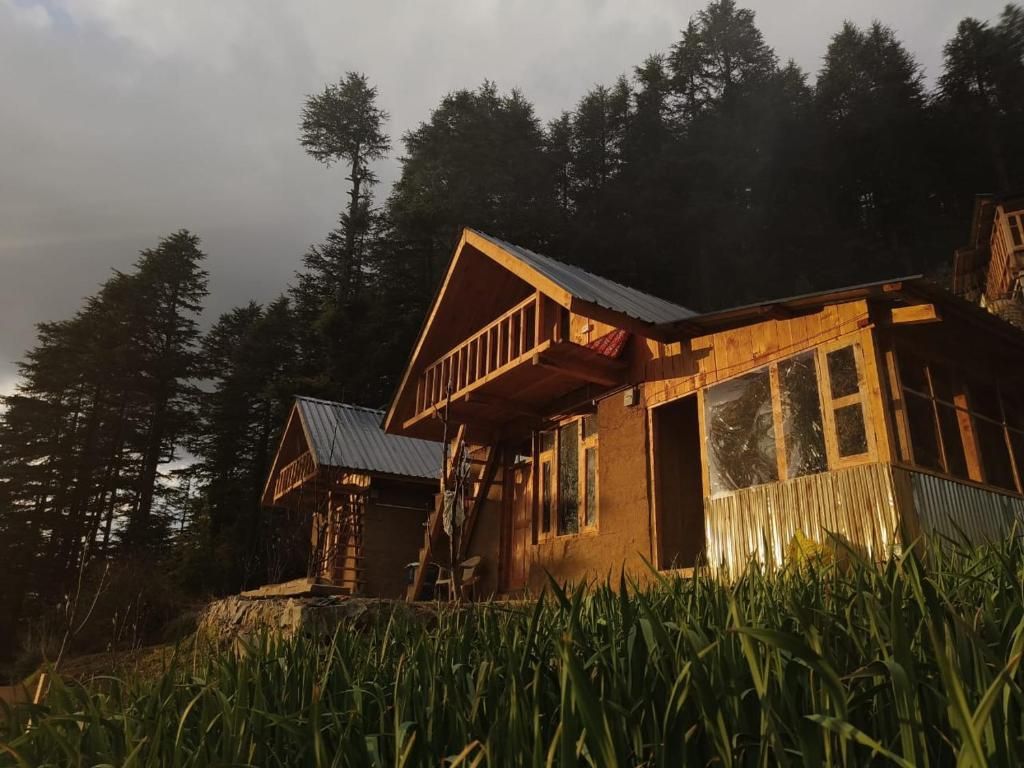
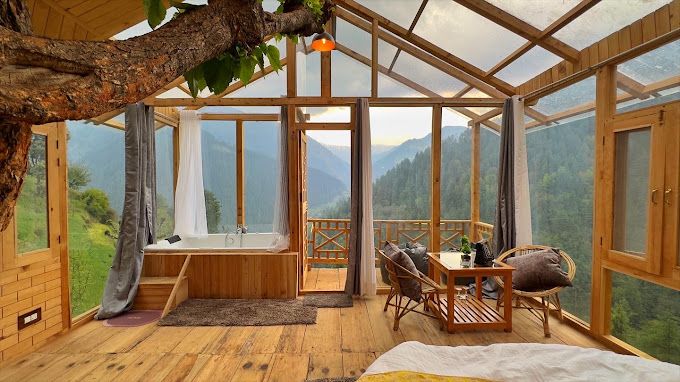
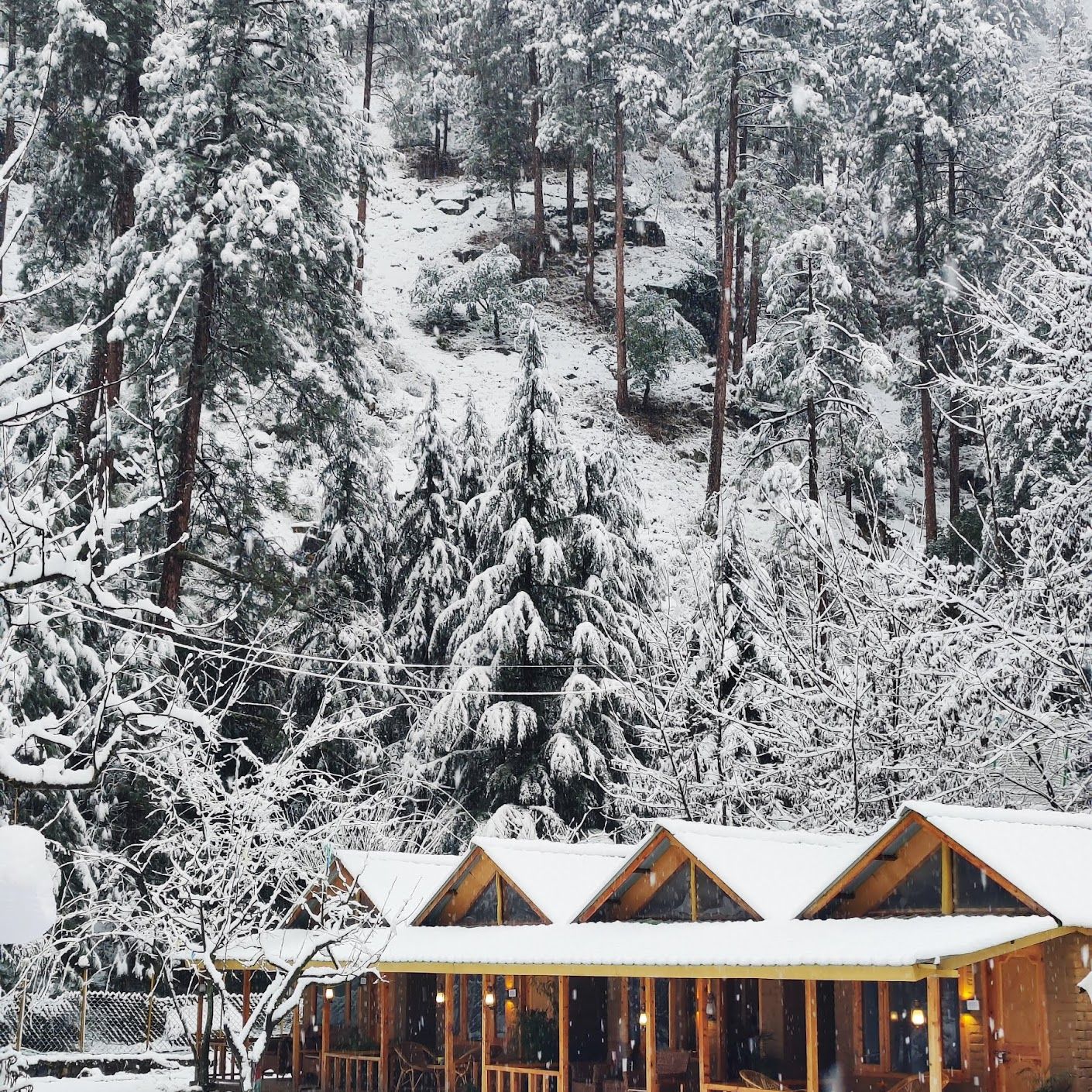
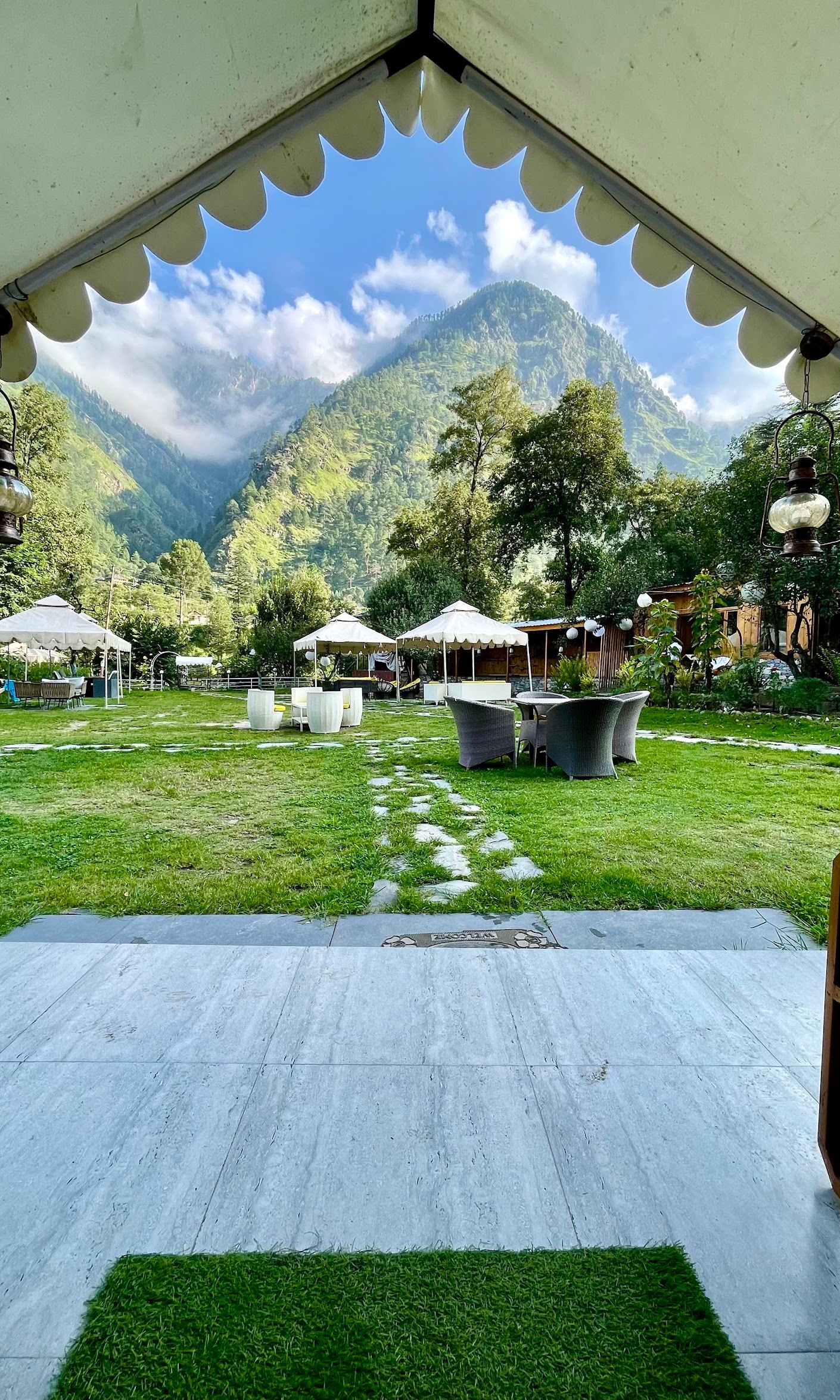
Sainj Valley offers a variety of base options that emphasize quiet surroundings and village culture over large commercial developments. Staying in traditional homestays in villages like Raila or Shangarh gives visitors an authentic look at local life, home-cooked regional food, and classic timber architecture.
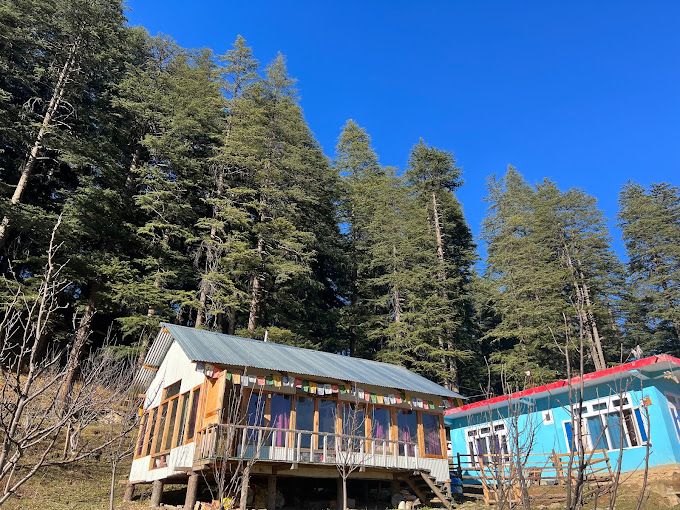
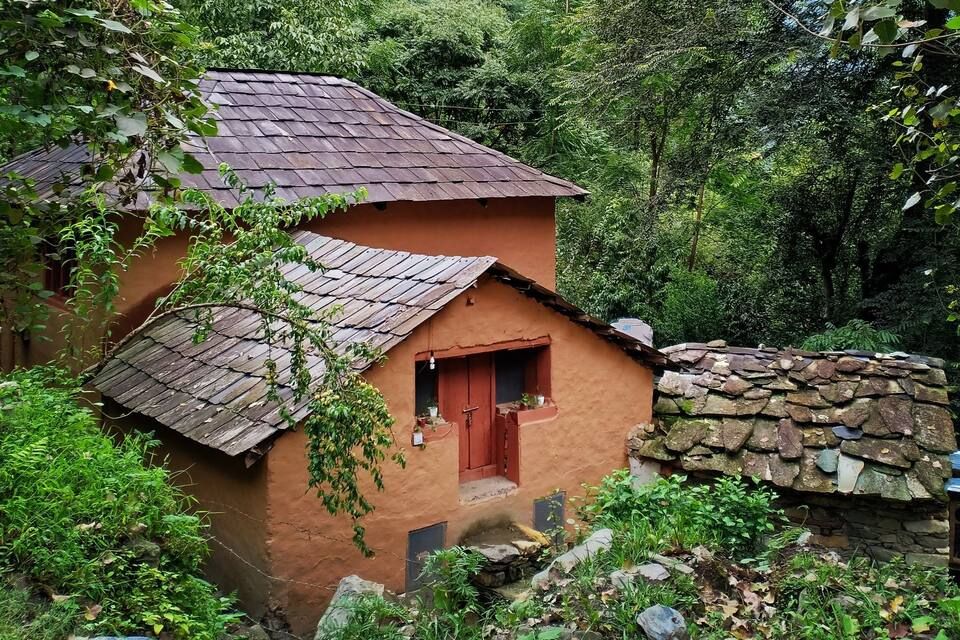
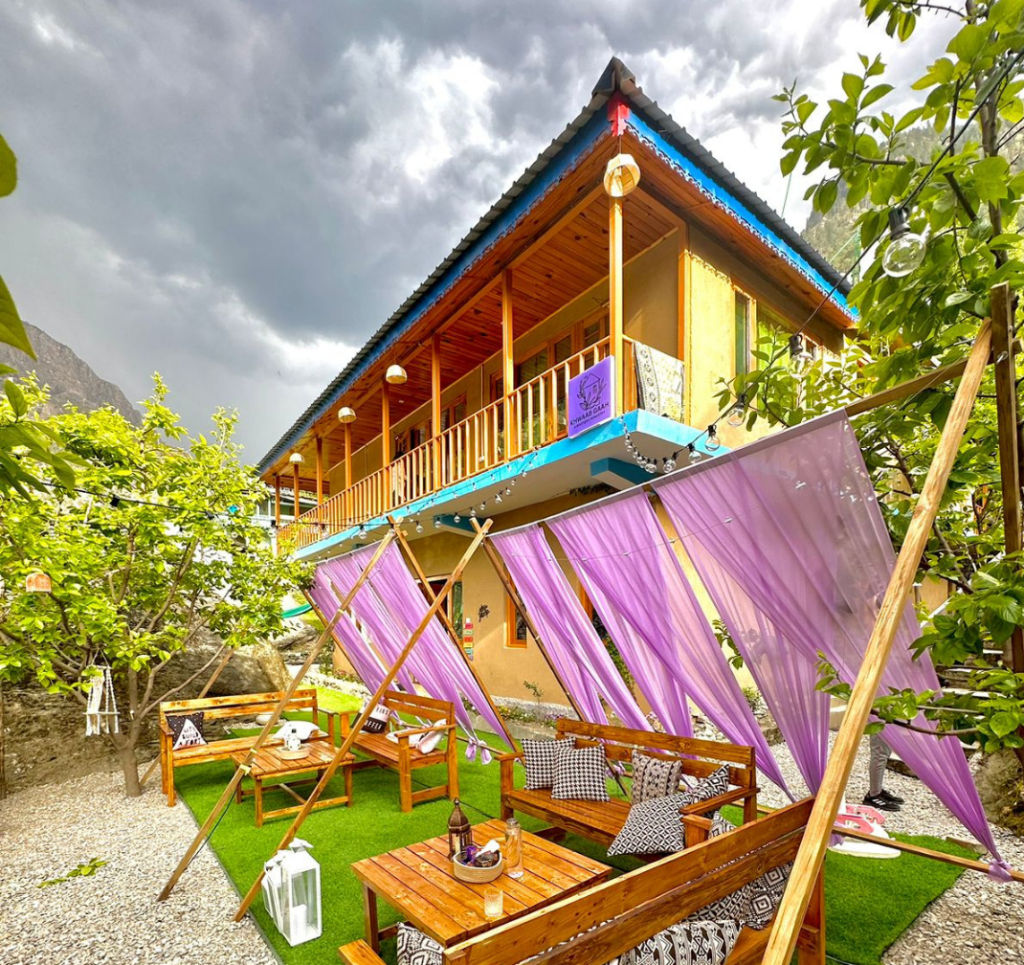
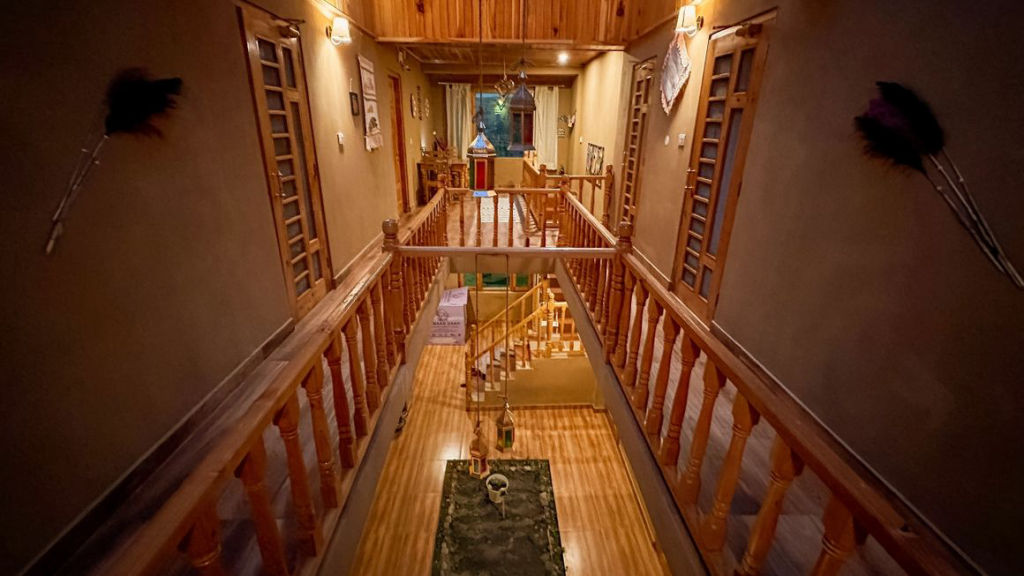
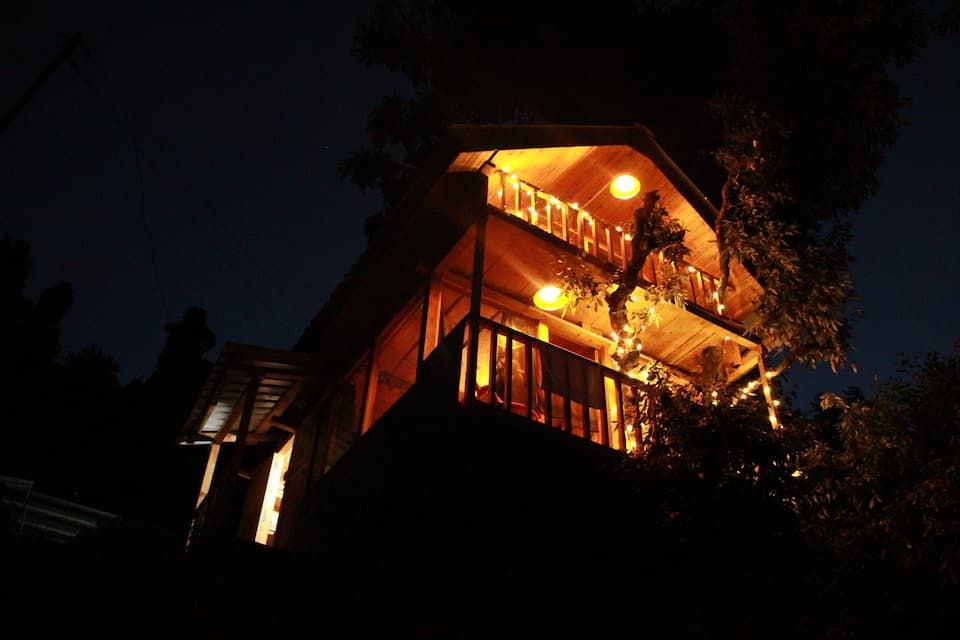
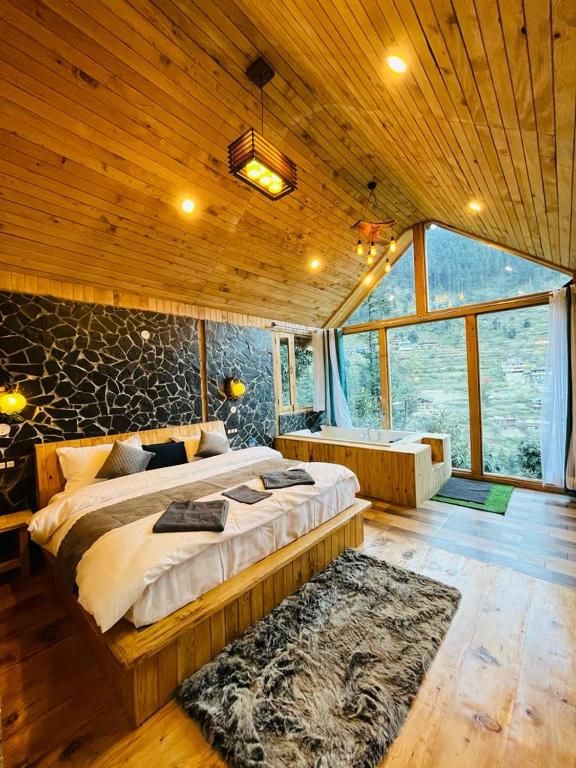
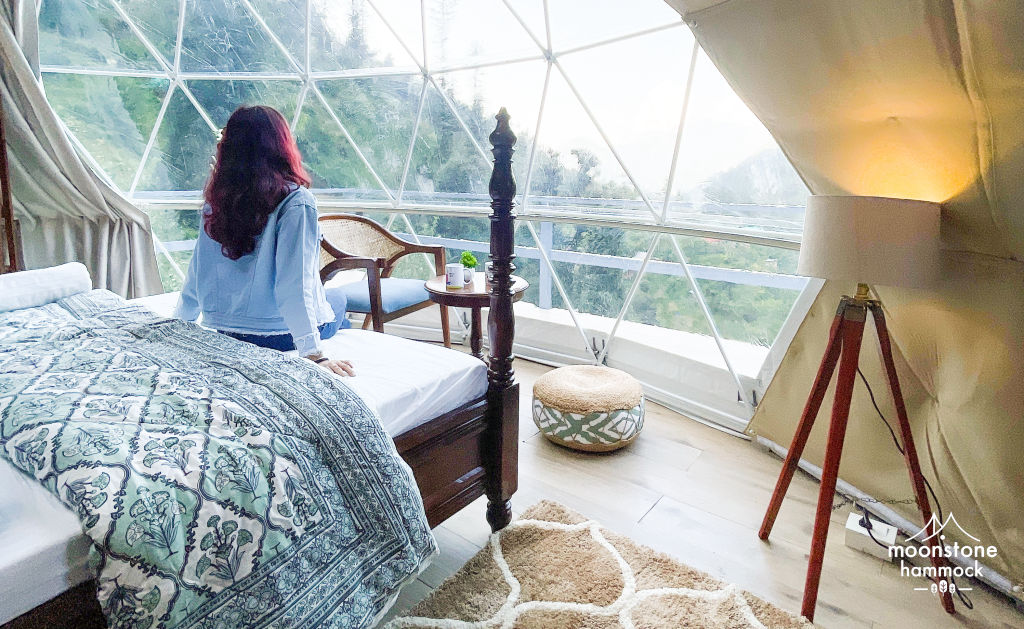
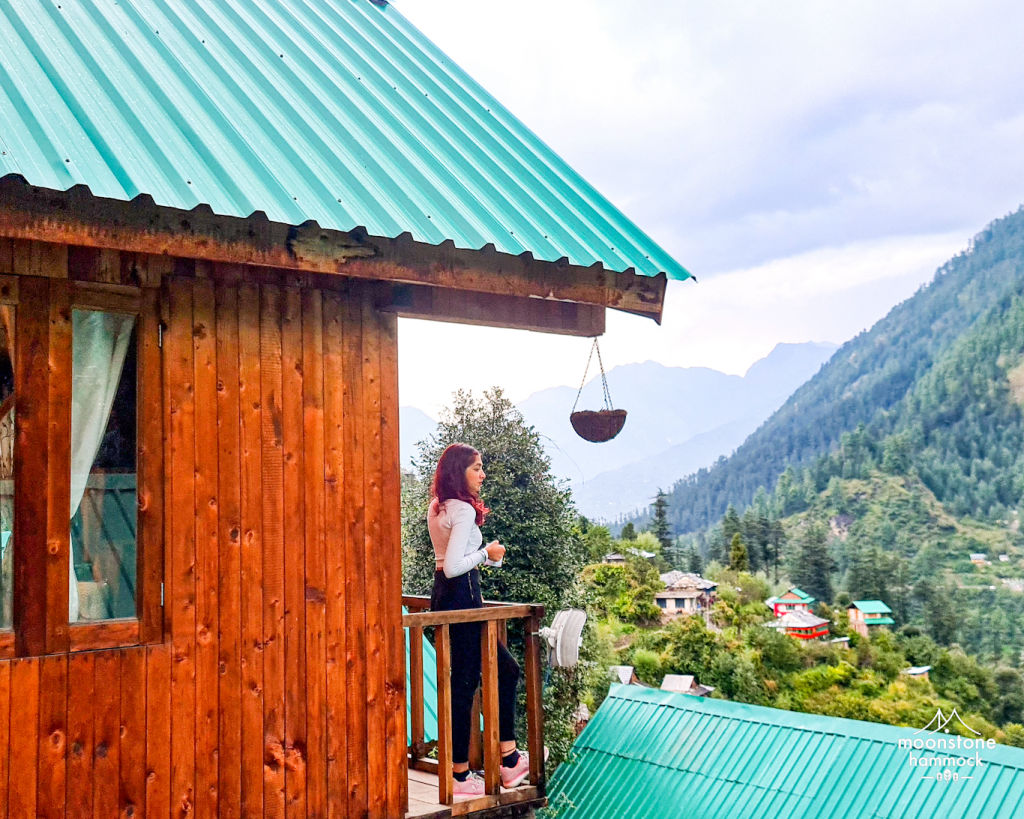
Travelers seeking nature-focused stays can find camps, homestays, and other stays nearby on HireACamp. Basing yourself in the valley allows for early morning visits to the waterfall before day-trippers arrive, as well as easy access to nearby meadows, riverbanks, and forest paths.
Frequently asked questions
Where is Rupi Raila Waterfall located?
Rupi Raila Waterfall is located near Village Shran in the Raila post office area of Sainj Valley, within the Kullu district of Himachal Pradesh.
How long does it take to walk to Rupi Raila Waterfall?
The walk from the nearest road point in Raila village takes approximately 20 to 45 minutes, depending on your walking pace and trail conditions.
Can I visit Rupi Raila Waterfall during the monsoon?
While the waterfall can be visited during the monsoon, heavy rains make the trail slick and muddy, and mountain roads in the area are prone to landslides. Always check regional weather forecasts before visiting between July and September.
Are there food stalls or facilities at Rupi Raila Waterfall?
There are no formal facilities or shops directly at the waterfall. Visitors should carry their own drinking water and snacks, or purchase supplies in Sainj market or Raila village.
Is Rupi Raila Waterfall suitable for children and older adults?
The walk is relatively short and manageable for most people of moderate fitness, but the final section over boulders and wet rocks requires care and steady footing.
Where you'll be
Village Shran P.O.Raila, Sainj · 12 stays nearby shown with prices
Stays near Rupi Raila Waterfall
Book a place to stay close by
More places near Rupi Raila Waterfall
Within 20 km


Built from 0 Instagram posts by 0 creators. Every tip links back to the post it came from, and where creators disagree we show both sides.






