
Sainj
Destination in Himachal Pradesh
Sainj is a tranquil settlement situated along the rushing Sainj River in the Kullu district of Himachal Pradesh. Surrounded by dense pine forests, apple orchards, and terraced fields, the town serves as a prominent gateway to the UNESCO-listed Great Himalayan National Park and nearby highland villages. Travellers visit Sainj to experience slow-paced village life, walk along peaceful alpine trails, and explore some of the lesser-crowded pockets of the Western Himalayas.
Getting there
By road
- From Chandigarh4 hr 40 min · 209 km
- From Ludhiana5 hr 15 min · 239 km
- From Amritsar6 hr 45 min · 352 km
- From Dehradun8 hr 15 min · 381 km
By train, bus or air
- Inter State Bus Terminal Sarvari KulluNearest bus stand1 hr 5 min · 49 km
- Bhuntar AirportNearest airport51 min · 38 km
Typical drive times without traffic. Places, distances and typical drive times from OLA Maps; notes from creators' Reels.
Sainj Travel Itinerary
A practical travel plan exploring the Sainj Valley and neighboring Tirthan Valley and Jalori Pass, featuring scenic mountain roads and quieter highland villages.
Sainj Valley to Jalori Pass
Best for travelers seeking scenic valley drives and highland viewpoints
Day 1
Valleys and High Mountain Pass
morning
Shangarh valleyAbout 2 hr
Explore the peaceful surroundings of Shangarh, known as an offbeat destination that sees fewer visitors.
midday
Tirthan Valley RoadAbout 1 hr 30 min · 14 km from the last stop
Drive along Tirthan Valley Road connecting the Sainj area to nearby mountain routes.
afternoon
Jalori PassAbout 1 hr 30 min · 12 km from the last stop
Ascend to Jalori Pass for high-altitude mountain views.
- Shangarh is an offbeat destination in the valley with relatively few visitors.
- Travel from Chandigarh to Tirthan Valley covers around 280 km and takes roughly 6 to 7 hours by road.
- Jalori Pass is situated about 295 km from Chandigarh, taking approximately 7 to 8 hours of driving.
Visit lengths are suggestions; distances are straight-line between stops.
About Sainj
Written with AI from map data and general knowledge. Check prices and timings locally before you go.
About Sainj and the Valley
Sainj sits in a verdant mountain valley carved by the Sainj River, one of the primary tributaries that feeds into the Beas River basin in Himachal Pradesh. The town acts as the commercial and administrative heart of the valley, while its surrounding slopes are scattered with small farming hamlets, traditional Kathkuni wooden houses, and terraced agricultural plots. The region retains an unhurried, pastoral character that sets it apart from busier commercial hubs in the Kullu Valley. Steep forested ridges rise sharply from the riverbanks, covered in Himalayan cedar, blue pine, and oak trees that frame views of the distant snow-capped peaks. Because of its location adjacent to protected ecological reserves, the valley maintains rich biodiversity, offering sightings of diverse birdlife, mountain streams, and undisturbed woodland paths.
Things to do in and around Sainj
Exploring the outdoors is the primary attraction in Sainj. Walking through the surrounding hamlets allows visitors to observe traditional Himalayan village customs and the intricate wood-and-stone architecture native to the region. Forest trails lead out from the main settlements into quiet pine groves and alongside the river, making it ideal for walking, photography, and birdwatching. A short excursion up the valley takes travellers to the ancient Shangchul Mahadev Temple, famous for its expansive open meadow where local customs maintain a peaceful atmosphere. Nature enthusiasts can also spend time sitting beside the clear mountain waters of the river or trekking up connecting ridgelines that offer expansive views over the valley basin. For those who enjoy active days followed by quiet evenings, the trails around Sainj provide plenty of opportunities to explore without requiring technical climbing skills.
Read more
Places to visit near Sainj
Sainj serves as an excellent base for exploring several notable destinations in the region. Just 7 kilometres away lies the Shangarh valley, known for its sprawling green meadow and the revered Shangchul Mahadev Temple. Around 20 kilometres from Sainj is the western entry zone of the Great Himalayan National Park, which offers guided nature walks, dense temperate forests, and access to rich alpine biodiversity. Also situated 20 kilometres away is the village of Gadagushaini, a serene rural outpost popular for its riverside scenery. Heading southward towards the Tirthan Valley Road, located about 19 kilometres away, leads travellers towards angling spots, scenic river bends, and the approach to Jalori Pass, situated 27 kilometres away. For those interested in extended mountain explorations, the Parvati Valley settlements of Pulga, located 28 kilometres away, and the trailheads for the Kheerganga Trek, approximately 31 kilometres away, are within driving range across the higher ridges.
Best time to visit Sainj
Sainj can be visited throughout the year, with each season offering a distinctly different landscape and atmosphere. Spring and summer, stretching from March to June, bring mild temperatures, blooming wild flora, and clear skies, making it the most comfortable time for day hiking, walking village trails, and sightseeing. The monsoon months of July and August transform the hillsides into deep shades of green and fill the mountain streams, though heavy rainfall can cause occasional roadblocks and landslides along the approach roads, requiring caution and flexible plans. Autumn arrives by mid-September and continues through November, bringing dry weather, exceptionally crisp mountain air, and golden sunlight across the valley. Winter spans from December through February, bringing cold temperatures, frost, and occasional snowfall to the upper elevations and neighbouring ridges, ideal for travellers seeking solitude and winter scenery.
How to reach Sainj
Sainj is accessible by road from major cities in northern India via the Chandigarh-Manali national highway network. From Chandigarh, the journey covers roughly 209 kilometres and takes about 4 hours and 40 minutes under traffic-free conditions. Travellers driving from Ludhiana cover approximately 239 kilometres in about 5 hours and 10 minutes, while the route from Amritsar is about 352 kilometres and takes around 6 hours and 50 minutes. If you are starting from Dehradun, the road journey spans about 381 kilometres and takes approximately 8 hours and 10 minutes. From New Delhi, the distance is around 467 kilometres, requiring about 8 hours and 50 minutes of driving time. Most road routes pass through Mandi before turning off near the Aut tunnel onto the regional road that winds along the Sainj River directly into the town. Public and private buses running between Delhi or Chandigarh and Kullu or Manali drop passengers near the Aut junction, where local buses and shared taxis connect to Sainj.
Tips for your visit to Sainj
Because Sainj is a mountain destination with limited commercial infrastructure, sensible planning ensures a smooth journey. Always carry sufficient cash, as automated teller machines in the valley may occasionally run out of cash or face intermittent connectivity. Pack layered clothing regardless of the season, because mountain temperatures can drop quickly after sundown even in the warmer months. Sturdy walking shoes or hiking boots with good grip are essential for navigating unpaved trails and rocky riverbanks. When visiting traditional settlements and village shrines, particularly in sensitive cultural spots like Shangarh, dress modestly and respect local rules regarding temple boundaries and community customs. If you plan to drive, be prepared for narrow mountain curves and check local weather and road conditions ahead of time, especially during the rainy season.
Where to stay in Sainj
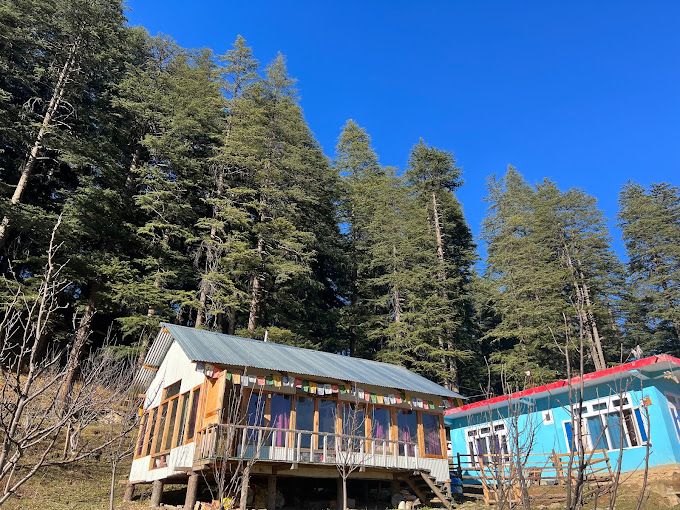
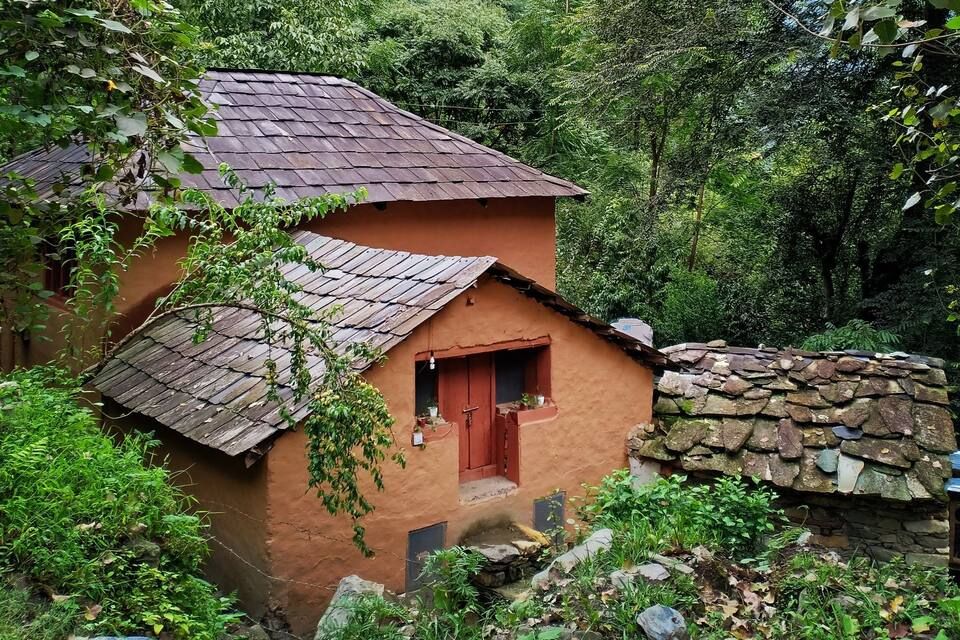
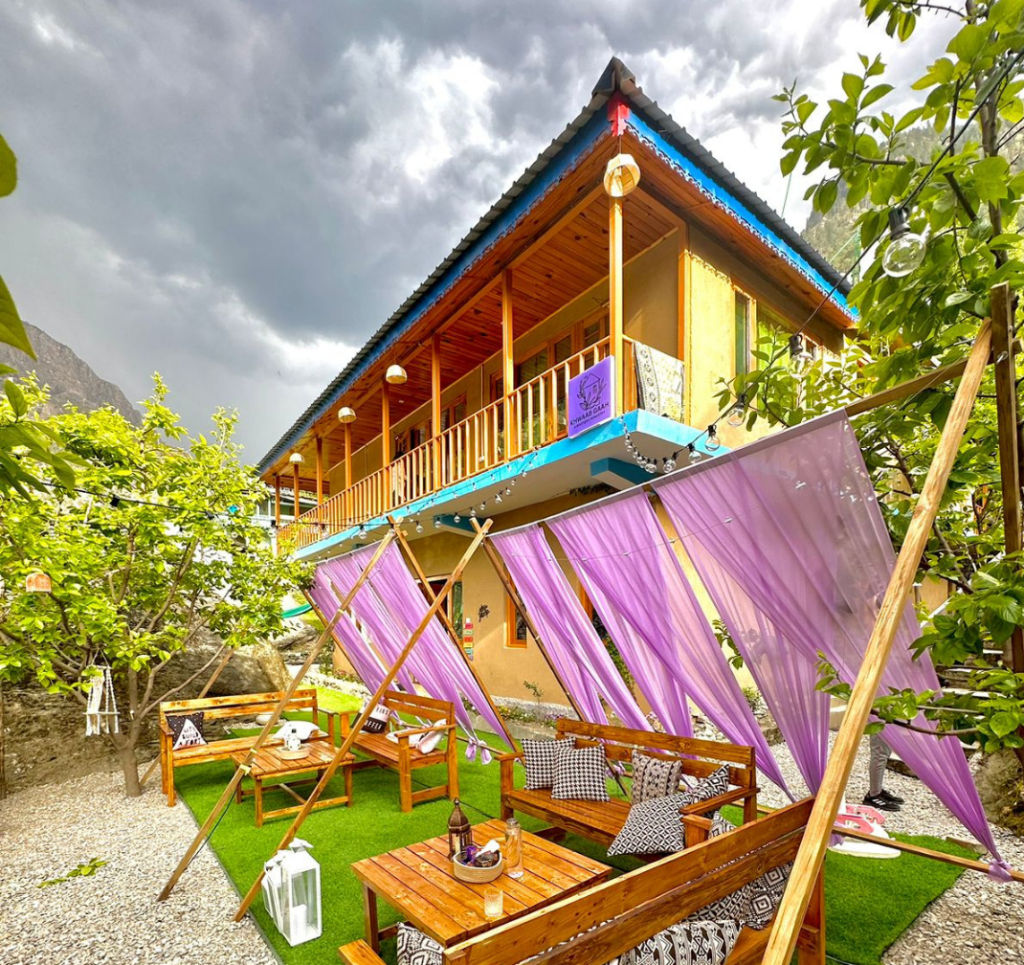
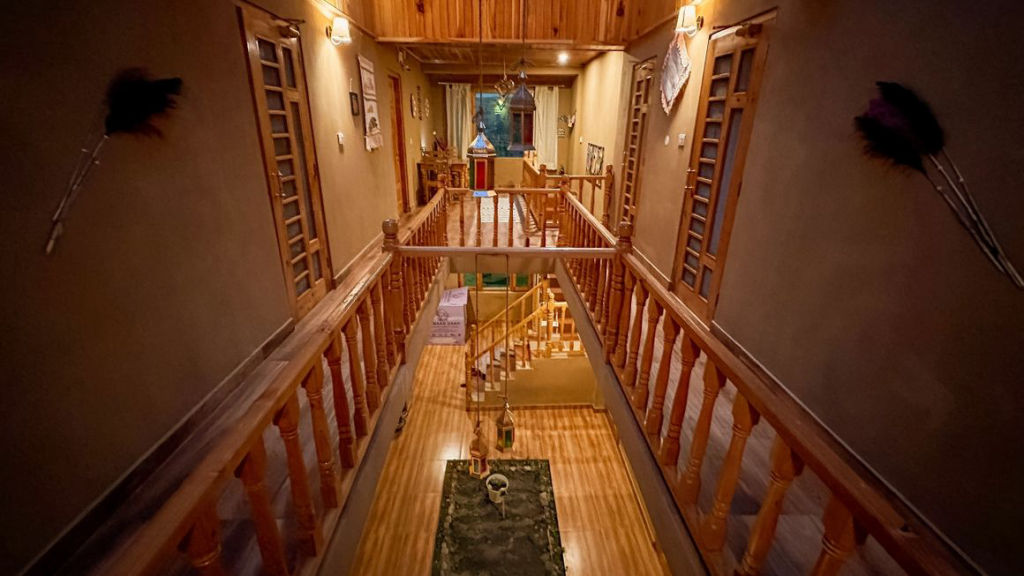
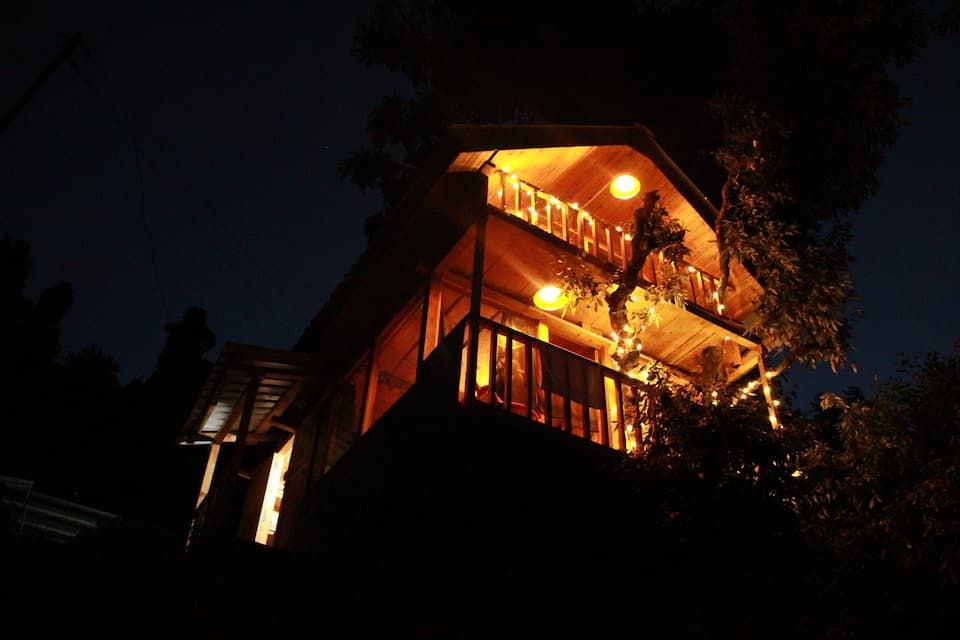
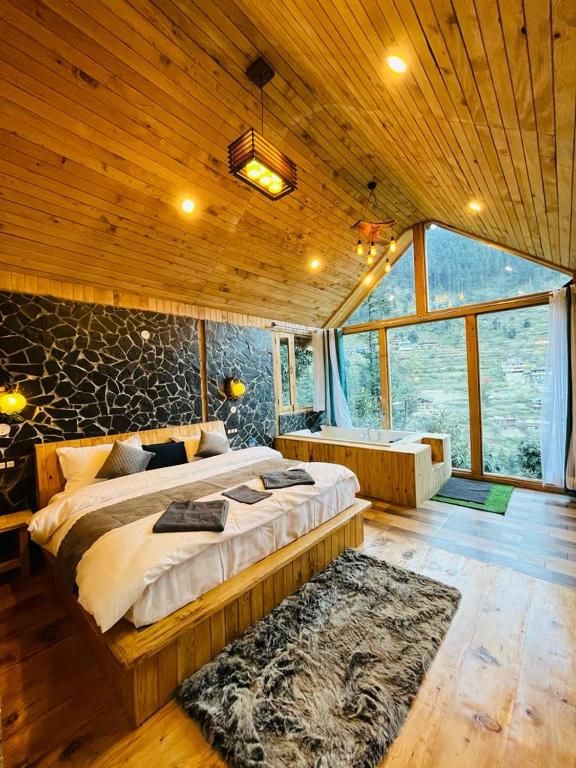
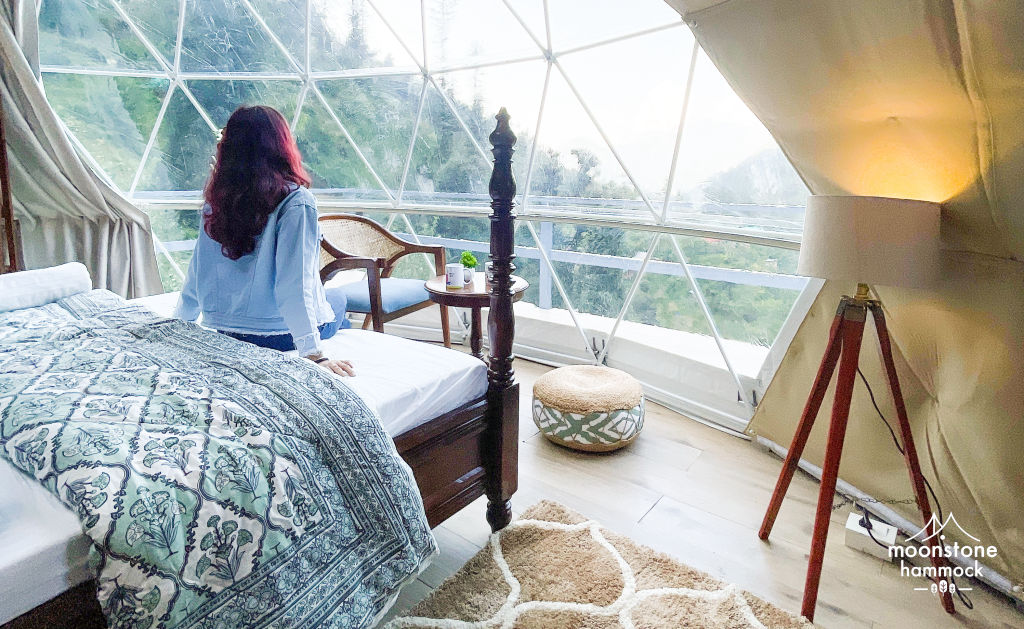
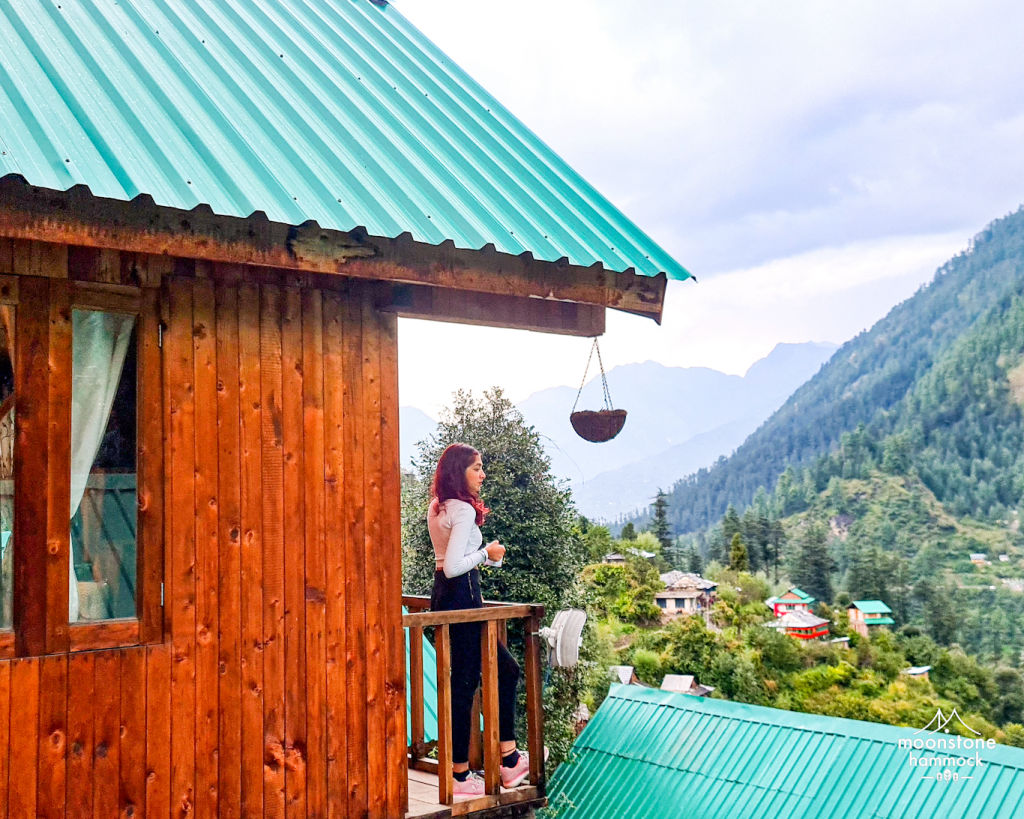
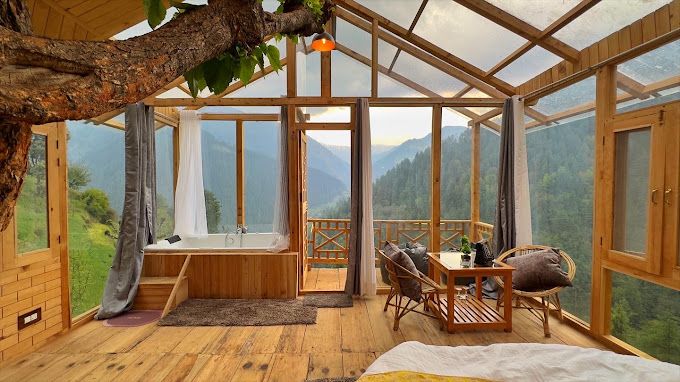
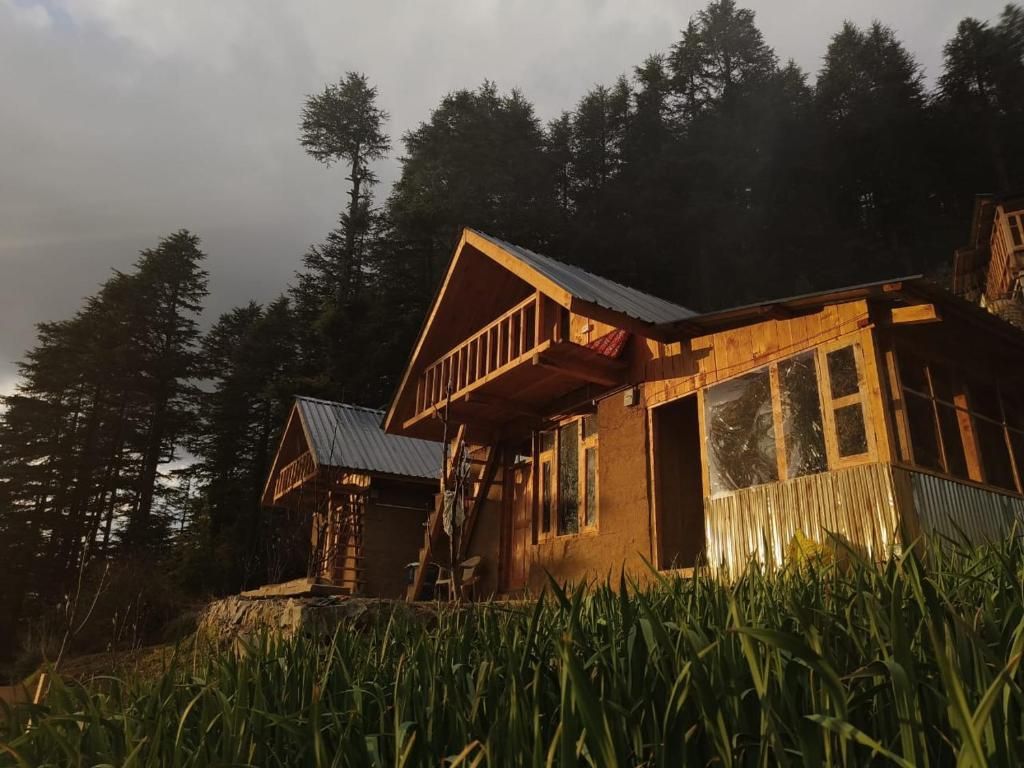
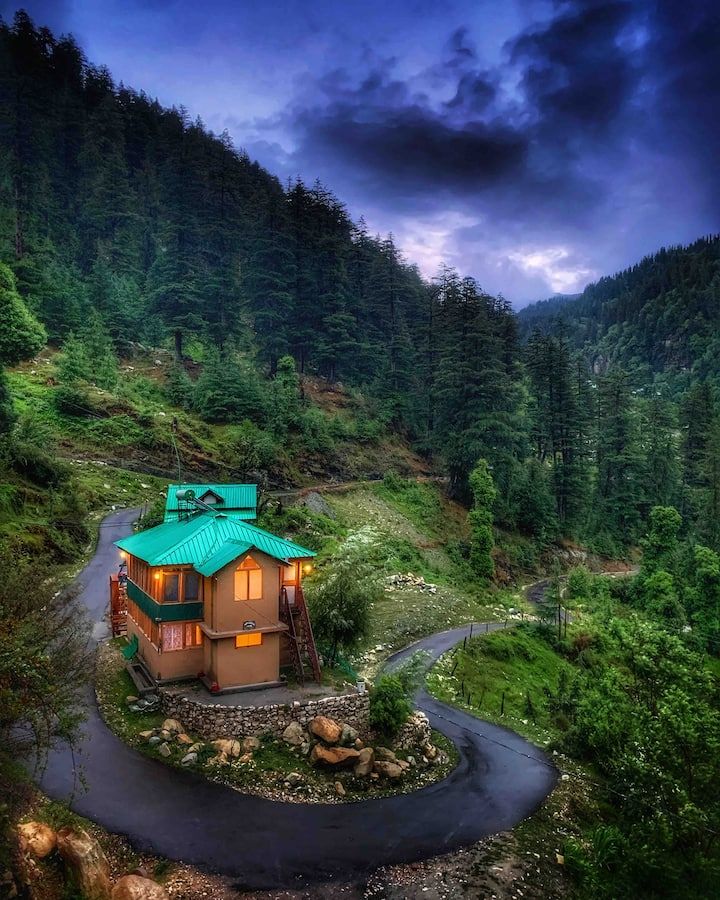
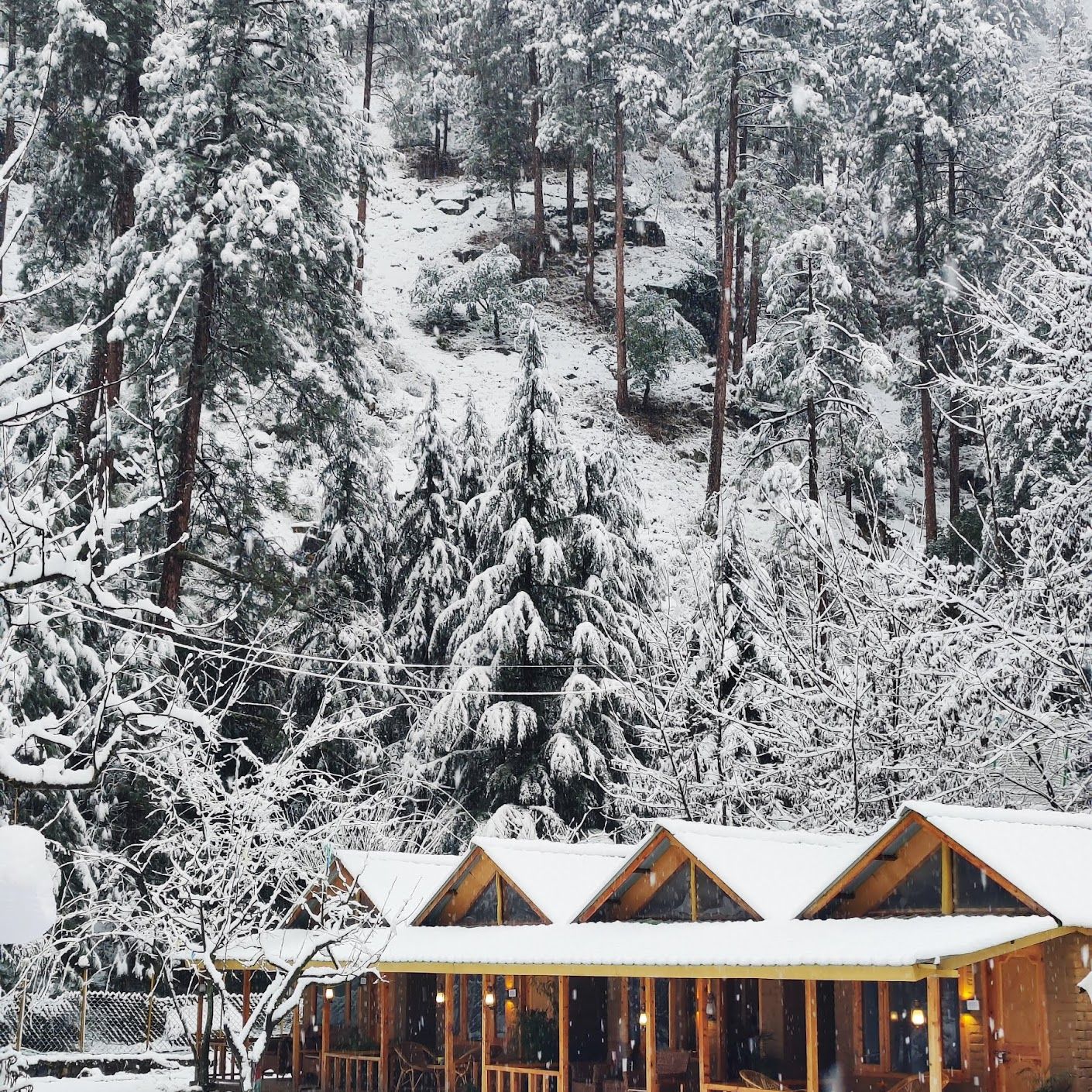
Accommodation options in and around Sainj reflect the rural and natural setting of the valley. Rather than large commercial resorts, visitors will primarily find cosy family-run homestays, traditional wooden cottages, and scenic outdoor campsites scattered across the valley floor and neighbouring hillsides. Staying in a village homestay gives travellers an authentic taste of Himachali hospitality and home-cooked regional meals, while riverside and meadow campsites offer direct access to open skies and pine-scented mountain air. You can explore and book verified camps, homestays, and unique outdoor stays in Sainj on HireACamp to suit your travel style.
Frequently asked questions
Where is Sainj located?
Sainj is a mountain town located along the Sainj River in the Kullu district of Himachal Pradesh, situated near the boundary of the Great Himalayan National Park.
How far is Sainj from Delhi and Chandigarh?
Sainj is approximately 209 kilometres from Chandigarh, taking about 4 hours and 40 minutes of driving time, and around 467 kilometres from New Delhi, which typically takes about 8 hours and 50 minutes by road under normal traffic conditions.
Is Sainj close to Shangarh?
Yes, the village of Shangarh and the Shangchul Mahadev Temple are located just about 7 kilometres from Sainj, making it an easy short trip by local road.
Can I visit the Great Himalayan National Park from Sainj?
Yes, Sainj serves as one of the key entry points and buffer areas for the Great Himalayan National Park, which is situated about 20 kilometres away.
What kind of clothing should I pack for Sainj?
Pack lightweight breathable layers for daytime exploration in summer, alongside a light jacket for cooler evenings. For visits between autumn and early spring, warm woollens, thermals, and an insulated jacket are necessary.
Where you'll be
12 stays nearby shown with prices
Stays near Sainj
Book a place to stay close by
Things to do in Sainj
48 places creators recommend within 30 km


Built from 0 Instagram posts by 0 creators. Every tip links back to the post it came from, and where creators disagree we show both sides.






