
Manu Rishi Temple
Temple near Shangarh, Himachal Pradesh
4.4 km from Shangarh
The nearest town, for stays, food and fuel.
Manu Rishi Temple is a historic shrine dedicated to Sage Manu, located near the quiet mountain hamlets of the Sainj Valley in Himachal Pradesh. Set amidst alpine forests, terraced fields, and traditional Himachali architecture, it draws travellers looking for spiritual peace, heritage, and serene mountain landscapes. Visitors journey here to appreciate the ancient wooden craftsmanship and experience the slower pace of life in this lesser-frequented valley.
Getting there
By road
- From ShangarhNearest town51 min · 18 km
- From Chandigarh5 hr 20 min · 220 km
- From Ludhiana5 hr 55 min · 260 km
- From Amritsar7 hr 55 min · 371 km
Typical drive times without traffic. Stations and airports from OLA Maps; distances and typical drive times from OpenStreetMap (© OpenStreetMap contributors); notes from creators' Reels.
About Manu Rishi Temple
Written with AI from map data and general knowledge. Check prices and timings locally before you go.
About Manu Rishi Temple
Manu Rishi Temple sits in the pristine terrain of the Sainj Valley in Himachal Pradesh, not far from the village of Shangarh. Dedicated to Sage Manu, who holds a foundational place in ancient Indian lore as the progenitor of mankind, the temple reflects the deep-rooted faith of the region's mountain communities. In Himachal Pradesh, temples serve not merely as places of daily worship but as central gathering places for local village councils, festivals, and cultural events.
The temple is constructed in the traditional Kath Kuni architectural style native to the western Himalayas. This construction technique uses interlocking wooden beams layered with stone without mortar, allowing the structure to withstand extreme weather and seasonal seismic tremors. Intricate wood carvings adorn the doorway, gables, and pillars, depicting mythological figures, floral motifs, and local folklore. The structure blends into the surrounding landscape of deodar and pine forests, offering a quiet environment for contemplation.
Cultural and Spiritual Significance
In the Kullu and Sainj valleys, local deities or devtas govern daily life and community traditions. Manu Rishi is revered across the region as a protector and patron sage. During auspicious dates on the Hindu calendar and local fairs, the deity is carried in a ceremonial palanquin accompanied by traditional brass horns, drums, and villagers dressed in festive attire.
Visitors to the temple will notice the distinct social rules that govern mountain shrines in Himachal Pradesh. The sanctum and inner courtyards are carefully preserved spaces where centuries of ritual purity are observed. Entering the precinct offers a window into living heritage that has survived modern changes, with villagers still relying on the sage's guidance for agricultural seasons and community well-being.
Read more
Best Time to Visit Manu Rishi Temple
The Sainj Valley experiences four distinct seasons, each offering a different atmosphere around Manu Rishi Temple. Spring and summer, stretching from April to June, bring mild temperatures, blooming apple orchards, and clear skies. This period is the most comfortable for exploring the temple, taking walks around the surrounding meadows, and enjoying the green scenery of the lower Himalayan ranges.
The monsoon season spans July and August, bringing heavy rainfall to the valley. While the hills turn vibrant green and streams flow with vigor, landslides and road blockages can occur in the mountainous terrain. Travellers planning a monsoon trip should monitor local weather reports carefully.
Autumn arrives in September and October, offering crisp mountain air, brilliant clarity across the ranges, and warm daytime sunshine. By late November, winter sets in, bringing cold conditions and occasional snowfall to the higher reaches of the valley. Those who visit in winter get to see the temple and surrounding deodars dusted in snow, though it is necessary to carry adequate cold-weather layers.
How to Reach Manu Rishi Temple
Manu Rishi Temple is accessible via the Sainj Valley, branching off the primary route connecting Mandi and Kullu. Travellers typically arrive from major northern cities by taking buses or driving along the Chandigarh-Manali national highway up to Aut, where a diversion road heads eastward into the Sainj Valley.
From the town of Sainj, local roads and mountain tracks wind up toward the upper villages and Shangarh. Public buses and shared taxis run on limited schedules between Aut, Sainj, and the outlying villages, while private vehicles provide greater flexibility on the narrow mountain roads. The nearest broad-gauge railway stations are located in the plains at Chandigarh and Kalka, from where you can continue by road into Himachal Pradesh. Flights operate into the regional airport at Bhuntar near Kullu, from where travellers can reach Sainj by road.
Places to Visit Around Manu Rishi Temple
A visit to Manu Rishi Temple can easily be paired with other scenic and cultural spots in the region. The expansive meadow of Shangarh valley is only a short distance away, known for its wide open sward of green turf surrounded by towering pine trees. Close to the meadow stands the Shangchul Mahadev Temple, another striking example of indigenous wooden temple design with its multi-tiered roof and intricate facades.
Nature lovers and hikers will appreciate the proximity to the Great Himalayan National Park, a UNESCO World Heritage site known for its rich biodiversity, dense forests, and high alpine trails. For those willing to travel further along scenic mountain roads, destinations like Jalori Pass, Tirthan Valley, Gadagushaini, and Lambhri Top offer sweeping panoramic viewpoints, trout streams, and trekking routes through pristine cedar wilderness.
Tips for Visiting Manu Rishi Temple
Because Manu Rishi Temple is an active place of worship with strong community rules, visitors are expected to maintain silence and follow traditional decorum. Remove your footwear outside the temple complex, and avoid touching sacred structures or wood carvings unless explicitly allowed by the temple caretakers. In some local temples, leather items such as belts or wallets are not permitted inside; be prepared to leave them behind if asked.
Dress modestly and cover your shoulders and knees out of respect for local customs. Photography may be restricted within the inner sanctum, so always seek permission before capturing images of the temple interior or local residents. It is also wise to carry cash, as automated teller machines are sparse beyond the main highway, and mobile network connectivity can be erratic in the higher sections of the valley.
Where to Stay near Manu Rishi Temple
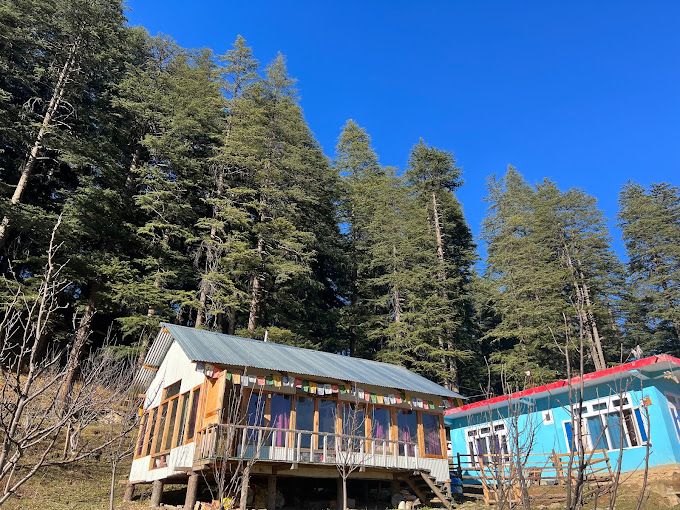
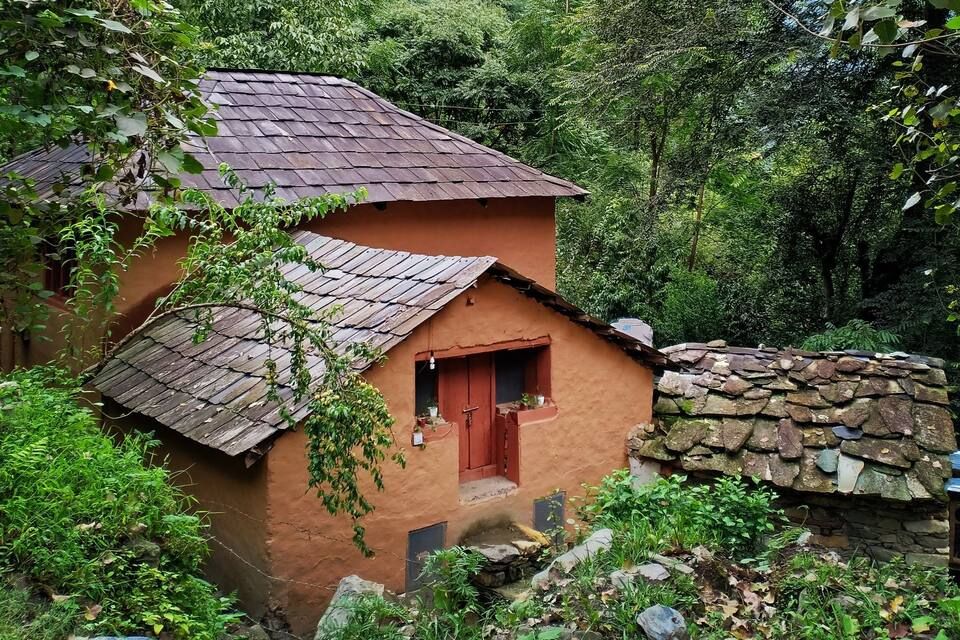
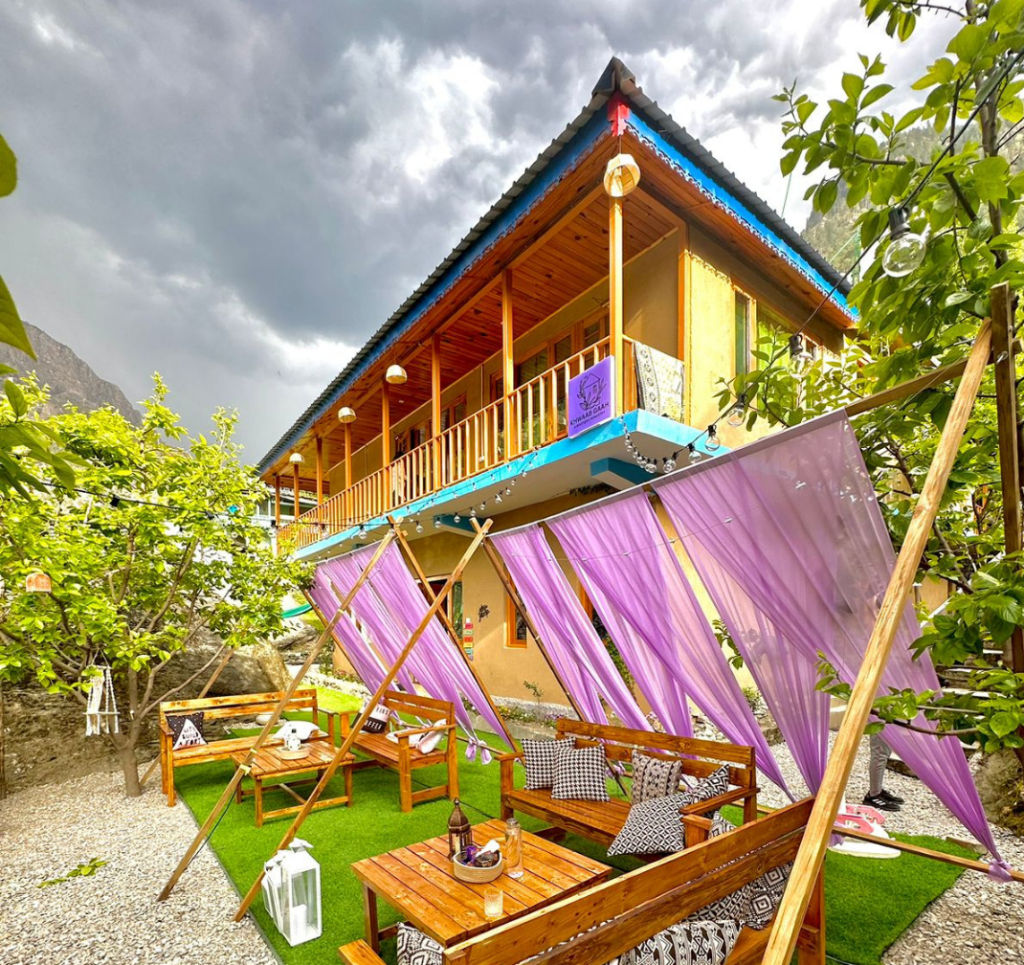
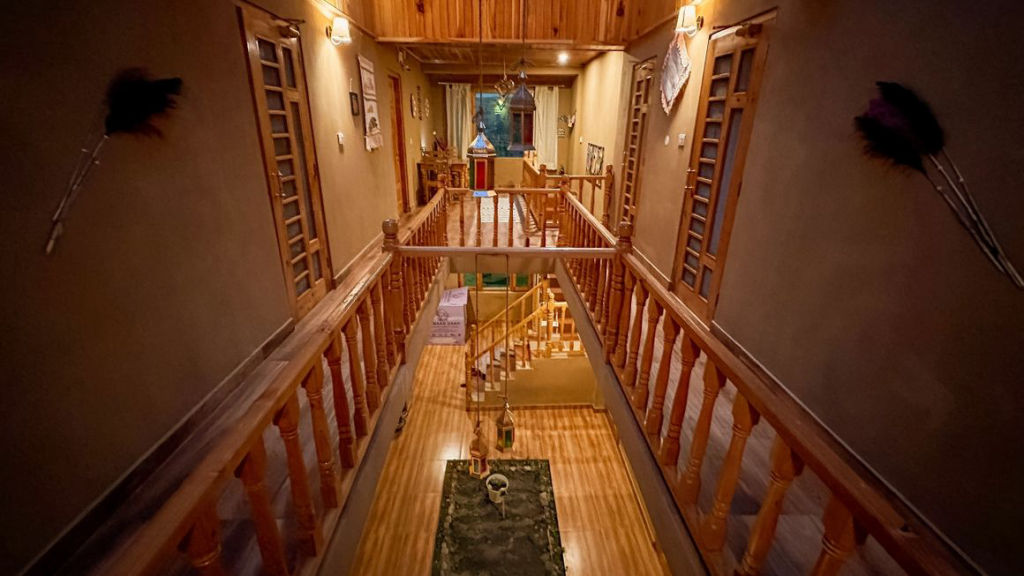
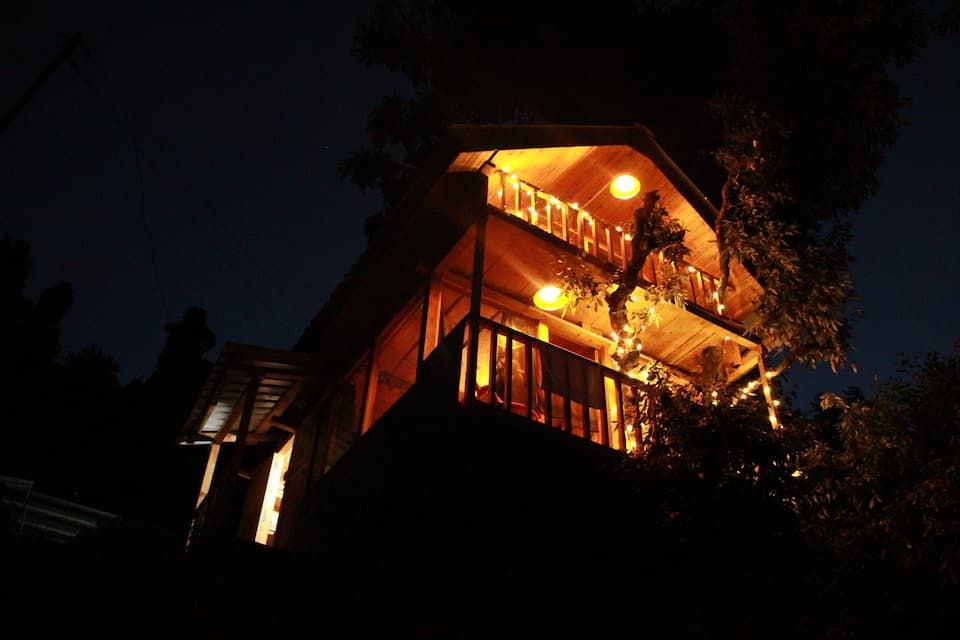
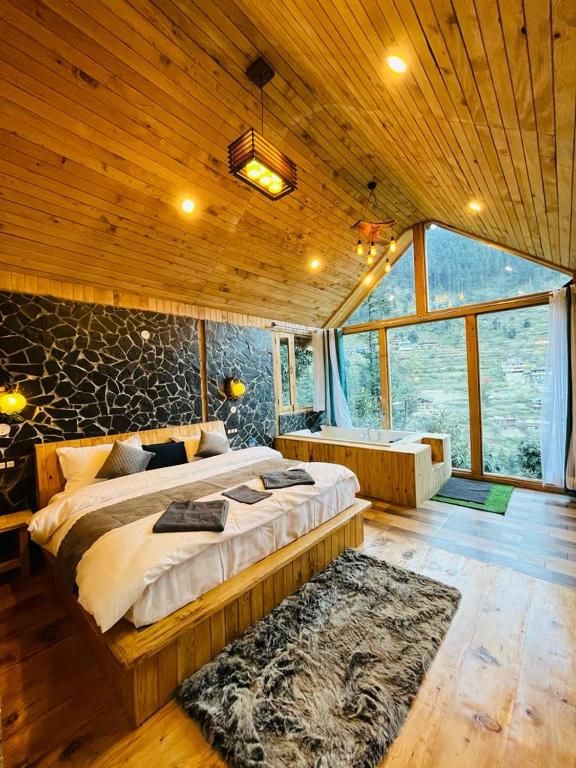
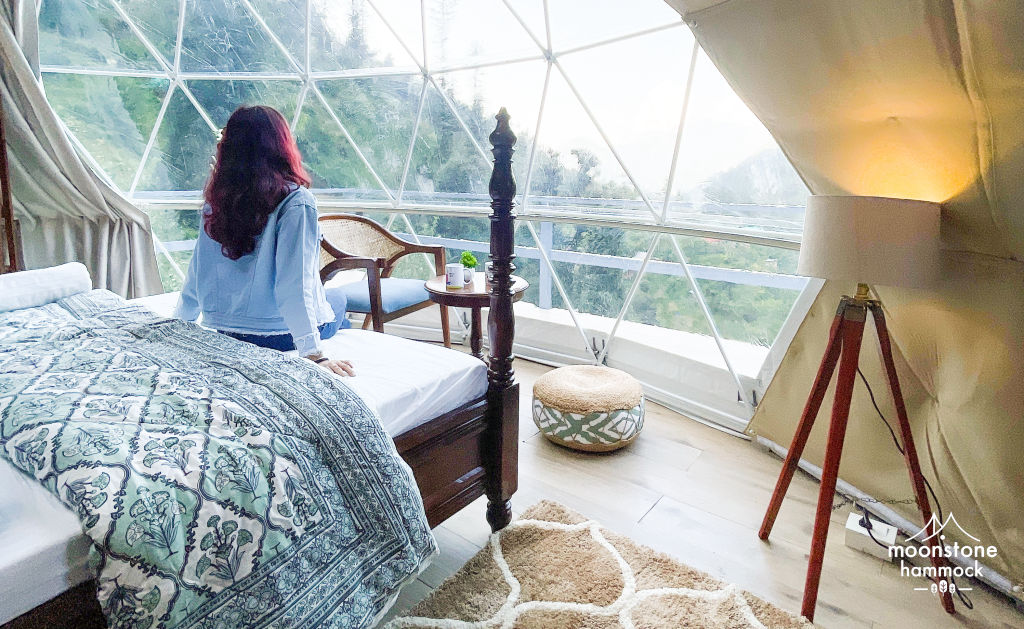
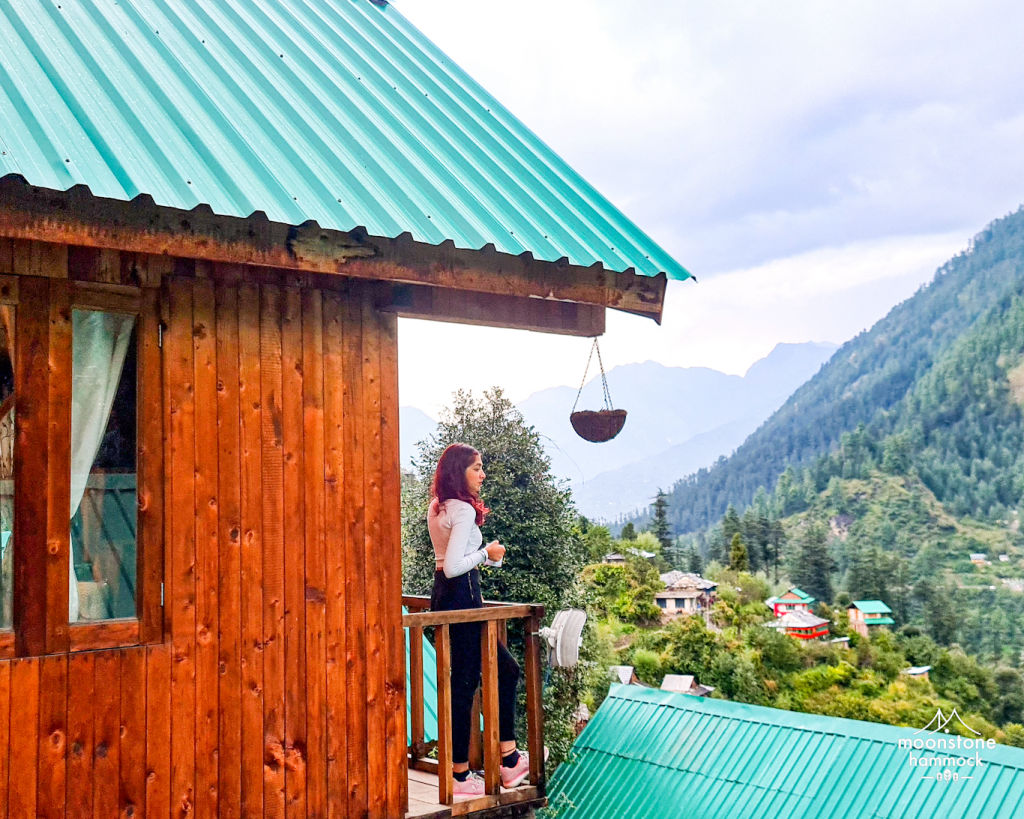
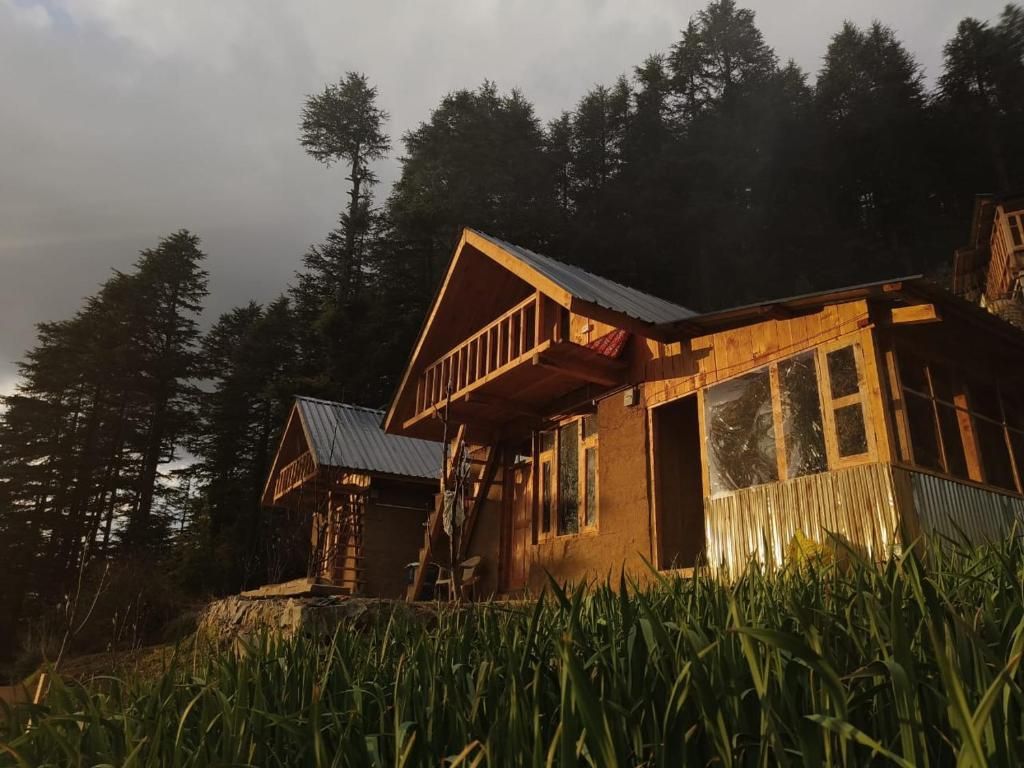
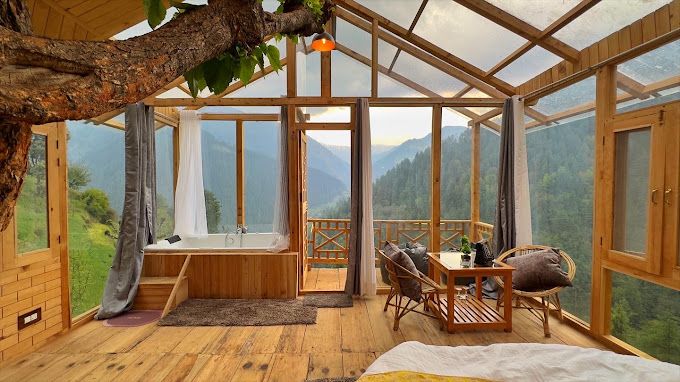
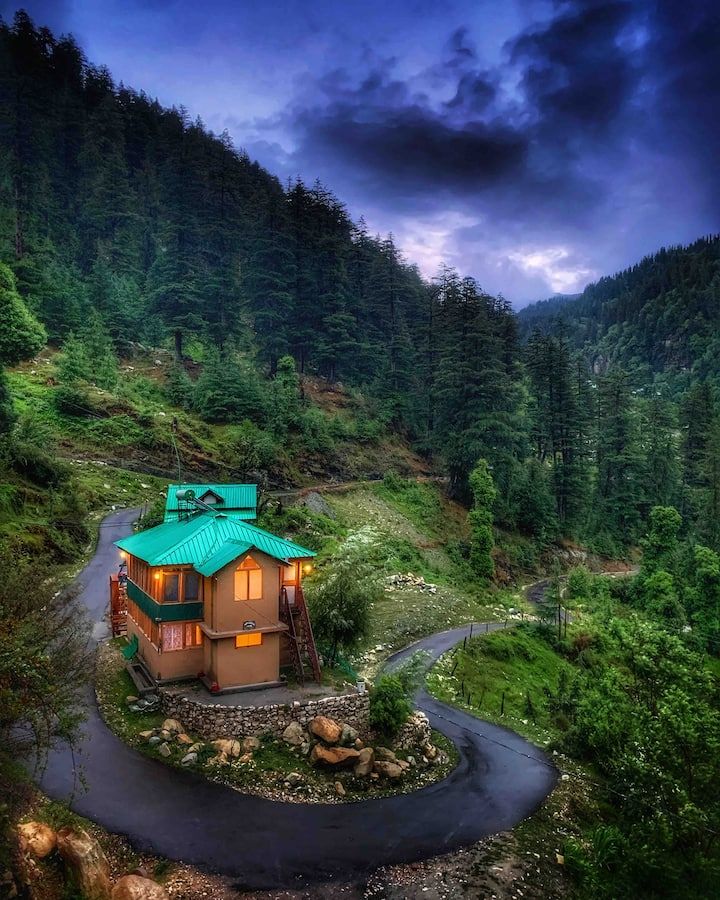
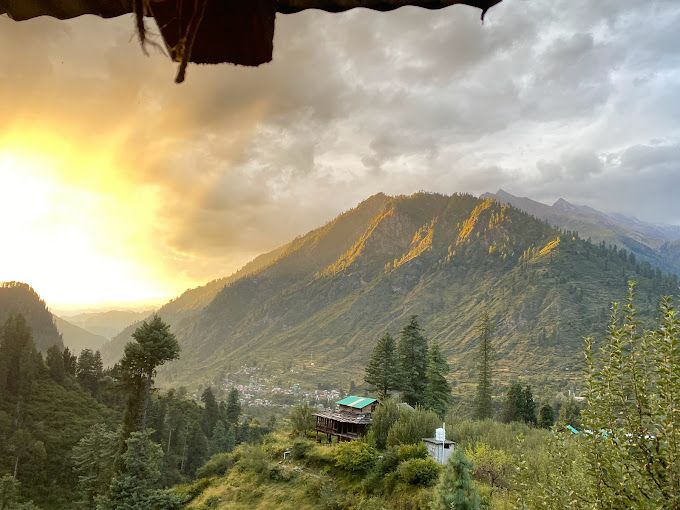
Travellers exploring the Sainj Valley will find accommodation options scattered across Sainj, Shangarh, and neighbouring villages. Homestays run by local families are the most authentic way to experience Himachali hospitality, offering home-cooked regional meals and a glimpse into daily village life. Riverside campsites and scenic mountain cottages are also popular choices for those seeking closer proximity to nature.
You can explore and book verified stays, including quiet homestays and outdoor camps near Manu Rishi Temple, directly on HireACamp. Booking in advance is recommended during peak summer months and regional festival periods.
Frequently asked questions
Where is Manu Rishi Temple located?
Manu Rishi Temple is located in the Sainj Valley region of Himachal Pradesh, near the town of Sainj and the village of Shangarh.
What is the architectural style of Manu Rishi Temple?
The temple is built in the traditional Kath Kuni style of Himachal Pradesh, featuring alternating layers of wood and stone with hand-carved decorative motifs.
What other attractions can I visit near Manu Rishi Temple?
Nearby highlights include the Shangchul Mahadev Temple, the open meadows of Shangarh valley, and the surrounding trails leading toward the Great Himalayan National Park.
Is it possible to visit Manu Rishi Temple during winter?
Yes, the temple can be visited during winter, but temperatures drop significantly and snowfall is common, requiring heavy woollens and warm clothing.
Where can I find accommodation near the temple?
You can find local homestays, cottages, and scenic campsites across the Sainj Valley on HireACamp.
Where you'll be
Sainj · 12 stays nearby shown with prices
Stays near Manu Rishi Temple
Book a place to stay close by
More places near Manu Rishi Temple
Within 20 km


Built from 0 Instagram posts by 0 creators. Every tip links back to the post it came from, and where creators disagree we show both sides.






