
Kalimath
Destination in Uttarakhand
Kalimath is a serene temple village situated in the Rudraprayag district of Uttarakhand, nestled in the scenic Kedarnath valley along the banks of the Saraswati River. Renowned across the Garhwal Himalayas as a revered Shakti Peeth dedicated to Goddess Kali, it attracts pilgrims, trekkers, and nature lovers seeking spiritual solace. Visitors come to experience its quiet mountain setting, rich local folklore, and proximity to high-altitude Himalayan routes.
Getting there
By road
- From Dehradun6 hr 35 min · 275 km
- From New Delhi9 hr 15 min · 454 km
- From Chandigarh9 hr 35 min · 411 km
Typical drive times without traffic. Stations and airports from OLA Maps; distances and typical drive times from OpenStreetMap (© OpenStreetMap contributors); notes from creators' Reels.
About Kalimath
Written with AI from map data and general knowledge. Check prices and timings locally before you go.
The spiritual heritage of Kalimath
Kalimath holds a unique place in the religious geography of Uttarakhand. Located at an elevation of roughly 1,800 metres above sea level, it is considered one of the primary Siddh Peeths in India dedicated to the divine feminine. According to local belief, this is the ground where the goddess vanquished the demon Raktavija before disappearing beneath the earth. Unlike conventional Hindu temples, the primary sanctum at Kalimath contains no stone idol. Worship is instead directed toward a sacred silver plate, known as the Sri Yantra, which covers a small underground pit or kund.
Surrounding the central shrine are smaller temples dedicated to Lakshmi, Saraswati, and Bhairav. The temple complex stays rooted in centuries of rituals, drawing devotees throughout the year. The sacred pit is traditionally uncovered only on specific nights during the autumn Navratri festival, making that one of the most auspicious periods for pilgrims. The steady rhythm of evening prayers, the clanging of temple bells, and the sound of the rushing Saraswati River give the village a distinct, meditative atmosphere that feels removed from busier pilgrimage junctions.
Things to do in Kalimath
Spending time in Kalimath allows visitors to slow down and immerse themselves in the rhythm of a traditional Garhwali settlement. Visiting the temple complex is naturally the central activity. Spending time by the riverbank adjoining the shrine offers a calm space for meditation, reading, or quiet reflection away from the highway traffic of the Kedarnath route.
Beyond temple rituals, walking through the village lanes provides a look at local mountain life. Traditional slate-roofed houses, terraced fields growing seasonal hill grains, and stone footpaths define the landscape. Short walks up the surrounding hillside ridges reward walkers with open viewpoints across the Mandakini and Saraswati river valleys. Birdwatchers will find varied Himalayan species flitting through the surrounding oak, rhododendron, and pine groves, especially during the quiet morning hours.
Read more
Places to visit around Kalimath
Kalimath is ideally located for exploring the broader Kedarnath valley and the alpine regions of Rudraprayag. Further up the valley lies Triyuginarayan Temple, a historic wooden and stone shrine celebrated as the venue of the celestial wedding of Lord Shiva and Goddess Parvati, complete with an eternal flame that has burned for generations. The village is also a common halt for travellers making their way toward the sacred shrine of Kedarnath Dham, located further north past Gaurikund.
Nature enthusiasts can head toward Chopta Valley, situated a moderate drive away. Often used as the base for treks to the Tungnath temple and Chandrashila summit, Chopta is known for sweeping alpine meadows and panoramic vistas of peaks like Trishul, Nanda Devi, and Chaukhamba. Trekkers can also explore routes leading toward high-altitude lakes such as Vasuki Tal and Badhani Tal. Downstream, where the Mandakini River joins the Alaknanda, the town of Rudraprayag offers ancient riverside temples, including Koteshwar Mahadev and the historic sangam confluence point.
Best time to visit Kalimath
Kalimath can be visited for most of the year, though each season brings a distinct mountain environment. The summer months from April to June are the most pleasant, with clear skies, comfortable daytime temperatures, and easy road access. This period coincides with the opening of the Char Dham pilgrimage season, so you can expect more fellow travellers in the broader valley.
The monsoon months of July and August bring heavy rainfall to the Garhwal Himalayas. While the hills turn lush green and mountain streams roar with water, road connectivity can be interrupted by landslides and falling rocks. Travellers visiting during this window should build extra buffer days into their itineraries and monitor weather alerts closely.
Autumn, from September to November, brings crisp air, brilliant visibility, and dry weather, making it one of the finest periods for photography and walking around the valley. Navratri in autumn is particularly vibrant in Kalimath. Winter sets in from December to February, bringing cold temperatures and occasional snowfall to higher ridges nearby. While the village remains accessible during winter, nights can be frosty, requiring warm layered clothing.
How to reach Kalimath
Kalimath is situated off the main highway route connecting Rudraprayag to Kedarnath. The nearest major railway stations are Rishikesh, Haridwar, and Dehradun, which connect to rail routes across India. Dehradun also hosts the closest commercial airport, Jolly Grant Airport, with daily flights connecting to major Indian cities.
From Rishikesh or Dehradun, travel proceeds by road along the National Highway following the course of the Alaknanda and Mandakini rivers through Devprayag and Rudraprayag before reaching Kund or Guptkashi. From the Guptkashi or Kund junction, a branch road winds down and across the river to reach Kalimath. Public buses and shared mountain taxis operate regularly from Rishikesh and Rudraprayag toward Guptkashi, from where local jeeps and private taxis can be hired to cover the final stretch to the village.
Where to stay near Kalimath
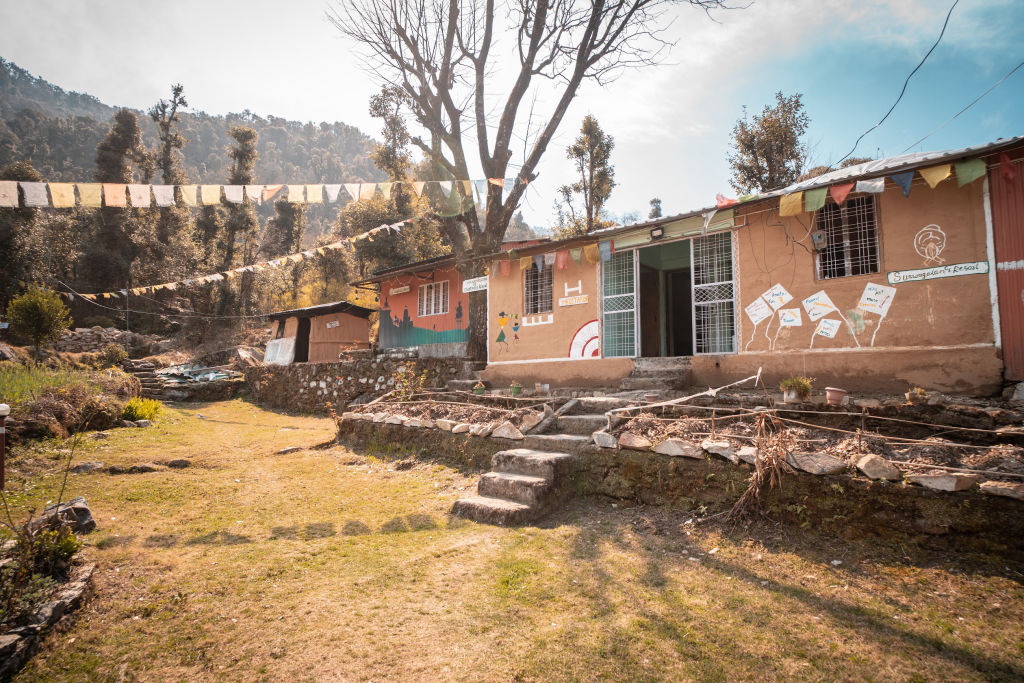
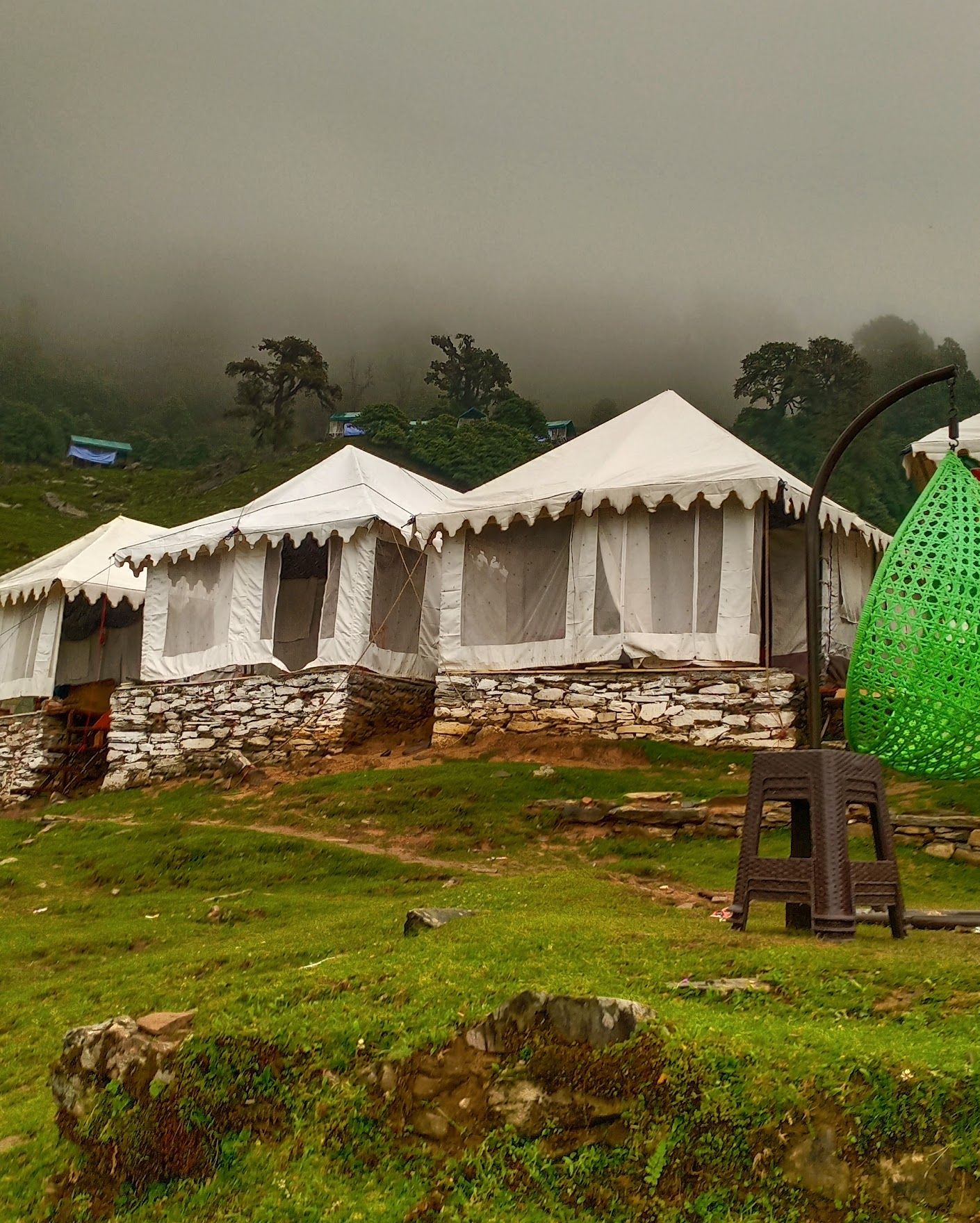
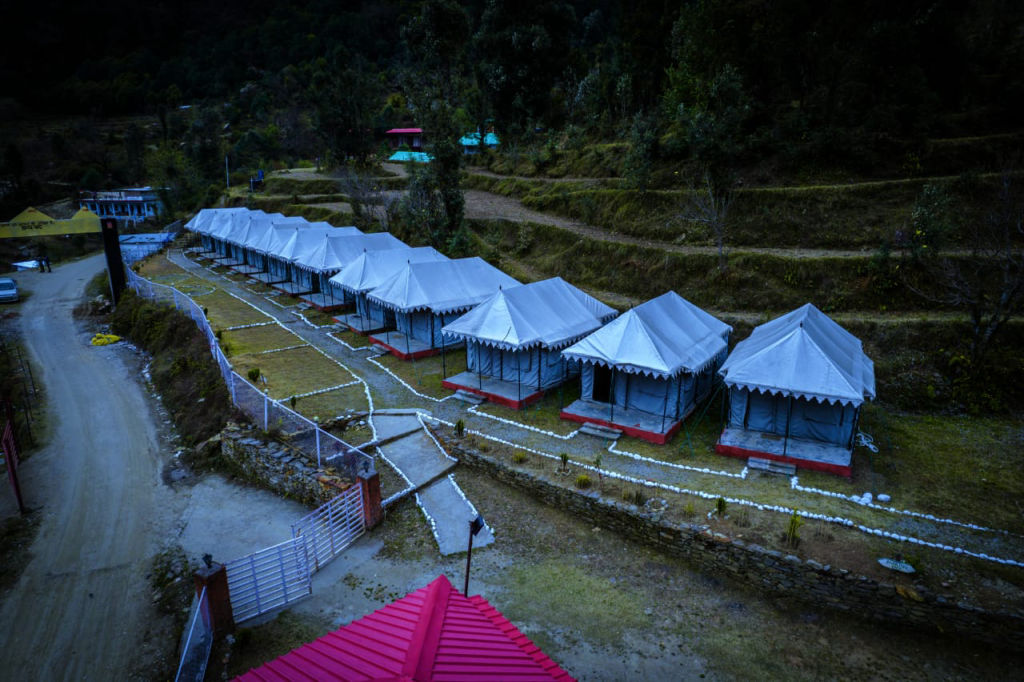
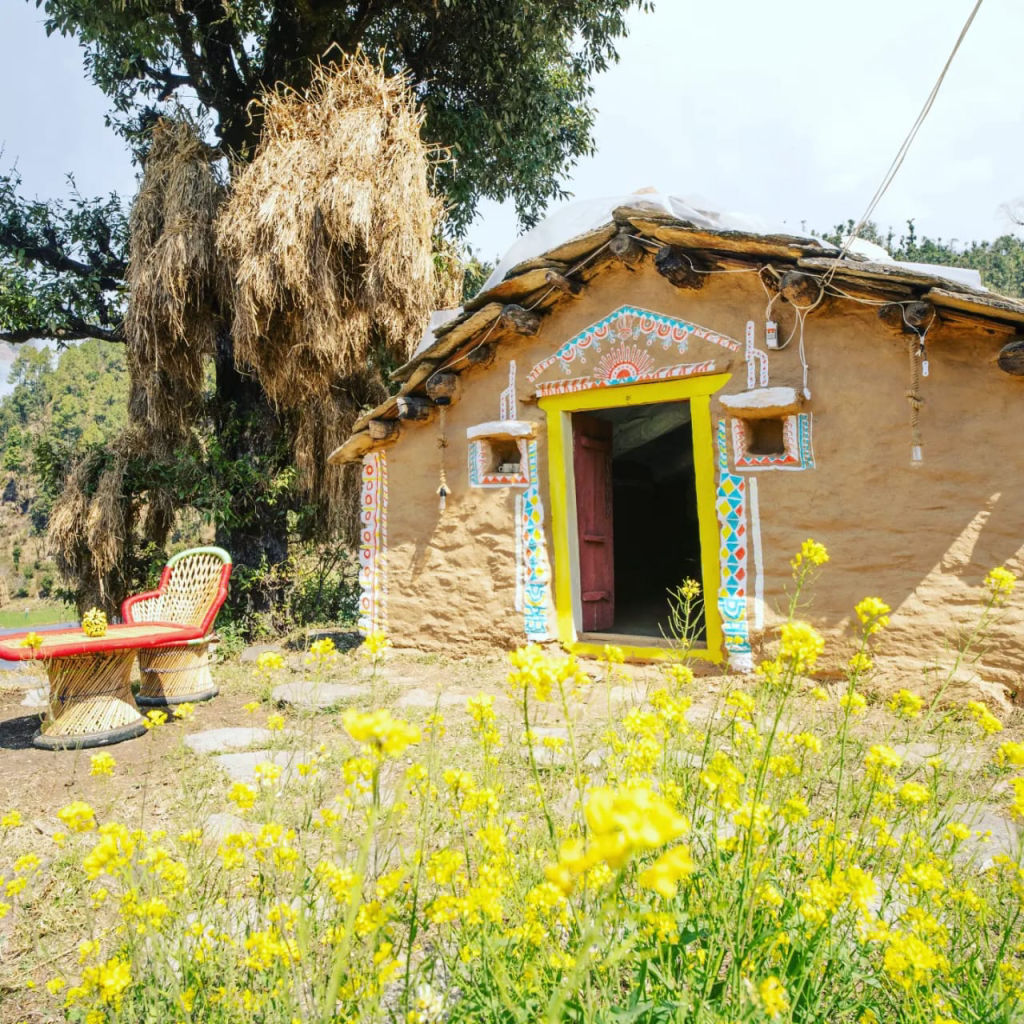
Accommodations directly in Kalimath are simple and geared toward travellers looking for quiet, unpretentious hospitality. The village features traditional guesthouses, small pilgrim lodges, and family-run homestays where guests can experience authentic local Garhwali meals and warm hospitality.
For those seeking experiential stays such as riverside camps, apple-orchard homestays, or hillside retreats with mountain views, the surrounding valley around Guptkashi, Ukhimath, and the Chopta corridor offers varied choices. You can explore and book camps, rustic homestays, and outdoor stays near Kalimath directly on HireACamp to match your travel style.
Tips for your visit to Kalimath
Because Kalimath is a living place of worship, modest attire is customary when entering the temple precincts. Removing leather items before entering inner temple courtyards is expected, and visitors should seek permission before photographing ceremonies or local residents.
Facilities in the village are modest compared to major transit towns. It is practical to carry sufficient cash, as automated teller machines in high mountain valleys are prone to running out of notes or losing network connection. Mobile networks perform well in most open parts of the valley, though data speeds can vary. If you plan to hike along rural tracks or explore neighboring lakes, sturdy walking footwear and a refillable water bottle are essential items to pack.
Frequently asked questions
Why is the Kalimath temple unusual?
Kalimath is rare among Indian shrines because there is no traditional stone idol in the sanctum. Devotees instead revere a sacred silver plate called the Sri Yantra that covers an underground pit where the goddess is believed to have entered the earth.
How far is Kalimath from Guptkashi?
Kalimath is situated just across the valley from Guptkashi, accessible by a winding mountain road that takes roughly thirty to forty minutes to drive under normal conditions.
Can Kalimath be visited during the winter?
Yes, Kalimath remains open and accessible throughout the winter months. While temperatures drop significantly and warm woollens are necessary, the temple stays open for worship year-round.
Is Kalimath suitable for a day trip from Chopta?
Kalimath can easily be visited as a day trip from Chopta or Ukhimath, allowing you to pay respects at the temple and enjoy a walk by the Saraswati River before returning.
Where you'll be
4 stays nearby shown with prices
Stays near Kalimath
Book a place to stay close by
Things to do in Kalimath
48 places creators recommend within 30 km

Built from 0 Instagram posts by 0 creators. Every tip links back to the post it came from, and where creators disagree we show both sides.






