
Diur Tal
Lake near Sari, Uttarakhand
1000 m from Sari
The nearest town, for stays, food and fuel.
Diur Tal is a serene high-altitude lake set within the forested ridges of the Garhwal Himalayas near Ukhimath, Uttarakhand. Tucked away close to the high meadows of Chopta and the protected wilderness of the Kedarnath Musk Deer Sanctuary, it offers tranquil surroundings and sweeping mountain views. Nature lovers and trekkers visit Diur Tal to experience quiet hiking paths, alpine woodlands, and pristine Himalayan scenery.
Getting there
By road
- From Dehradun5 hr 35 min · 276 km
- From New Delhi8 hr 15 min · 455 km
- From Chandigarh8 hr 40 min · 412 km
Typical drive times without traffic. Stations and airports from OLA Maps; distances and typical drive times from OpenStreetMap (© OpenStreetMap contributors); notes from creators' Reels.
About Diur Tal
Written with AI from map data and general knowledge. Check prices and timings locally before you go.
About Diur Tal and Its Landscape
Diur Tal is an alpine lake nestled in the upper reaches of the Garhwal Himalayas in Uttarakhand, set close to the temple town of Ukhimath and the highland meadows of Chopta. Surrounded by thick woodlands of oak, deodar, and rhododendron, the lake occupies a quiet natural hollow framed by rising ridges and glimpses of towering Himalayan peaks. The waterbody mirrors the changing mountain sky, shifting from crisp clear reflections in the morning to deep emerald tones beneath the afternoon sun.
Unlike more heavily frequented destinations in the district, Diur Tal retains an undisturbed character. The walking route to the water takes travelers across traditional mountain terrain where alpine meadows roll across the slopes and moss clings to old-growth trees. Visitors who journey here typically seek quiet trails, crisp air, and an authentic look at the high-elevation ecosystems that define the Rudraprayag region.
Best Time to Visit Diur Tal
The most favorable months to visit Diur Tal are from April to June and from September to November. During spring, temperatures begin to warm, and the surrounding slopes burst with blossoming rhododendrons, creating a vibrant palette of red and pink along the forest paths. Summer maintains pleasant daylight conditions, making it an appealing escape from the heat of the plains and a comfortable time to traverse the higher trails.
Autumn, running from September through November, brings crystal-clear skies and crisp air following the retreat of the monsoon. Mountain visibility peaks during this window, offering striking views of the distant snow-crested summits across the horizon. Winter sets in from December to February, often blanketing the lake and its approach paths in thick snow. Hiking in deep winter requires specialized cold-weather gear, careful navigation, and up-to-date information on local trail conditions.
Read more
Trekking and Exploring Diur Tal
Visiting Diur Tal is primarily an on-foot experience, requiring a modest level of physical fitness to navigate the mountain trails. The hike winds through temperate broadleaf forests and climbs along gentle gradients that periodically open out onto scenic overlooks above the valley floor. Moving quietly along the trail offers chances to hear mountain birds, rushing hillside streams, and the wind through the pines.
At the lake itself, spending unhurried time along the shoreline allows visitors to take in the silence of the high-altitude landscape. The banks provide a restful environment to sit, observe the reflections across the water, or capture landscape photographs. Because the lake is part of a delicate alpine ecosystem, visitors should practice responsible trekking by remaining on existing paths, packing out all waste, and leaving the natural vegetation undisturbed.
Flora and Wildlife Around the Lake
Diur Tal lies in close proximity to the Kedarnath Musk Deer Sanctuary, an expansive conservation zone known for its rich temperate and sub-alpine biodiversity. The immediate surroundings feature dense stands of oak, Himalayan birch, and silver fir, while the undergrowth hosts a variety of flowering shrubs and herbs that flourish after the rains. In the higher sections, the forest gives way to open patches of alpine turf.
This forested pocket serves as habitat for diverse Himalayan wildlife. Bird enthusiasts frequently encounter regional species such as the Himalayan monal, kalij pheasant, rufous-bellied woodpecker, and various songbirds foraging in the canopy. Mammalian residents of the area include barking deer, yellow-throated martens, and the elusive musk deer. While wildlife sightings can never be guaranteed, the intact natural environment adds a wild and peaceful aura to the entire excursion.
How to Reach Diur Tal
To reach Diur Tal, travelers make their way toward Ukhimath or the Chopta corridor in the Rudraprayag district. The nearest major railheads are located at Rishikesh and Haridwar, while the closest domestic airport is Jolly Grant Airport in Dehradun. From these hubs, the route follows the well-traveled mountain highways passing through Devprayag, Srinagar, and Rudraprayag before ascending toward Ukhimath.
From Ukhimath, local roads lead higher into the hills toward trail access points. Public buses and shared jeeps connect major valley settlements, while private taxis offer the most convenient option for reaching trailheads along mountain roads. The final portion of the trip to Diur Tal is completed on foot. Travelers are advised to consult local residents or mountain guides regarding current path conditions and starting points before embarking on the walk.
Places to Visit Near Diur Tal
The area around Diur Tal is surrounded by significant cultural and natural landmarks. Just a short journey away is Chopta Valley, a scenic high-elevation base known for its expansive rolling meadows. From Chopta, a popular trail leads upward to Tungnath Temple, recognized as the highest of the Panch Kedar shrines, and continues further to Chandrashila Peak, which presents a panoramic outlook over peaks like Nanda Devi, Trishul, and Chaukhamba.
Travelers interested in spiritual heritage can explore other regional shrines, including Basukedar, Jakh Devta Temple, and the remote trail toward Rudranath Temple. Across the Mandakini valley, the ridge-top shrine of Kartik Swami offers dramatic cliff walks and broad mountain horizons. Combining a visit to Diur Tal with these nearby attractions provides a well-rounded journey through the sacred geography and highland scenery of Garhwal.
Where to Stay and Travel Tips
Preparing properly is vital for any mountain trip in Uttarakhand. Mountain weather can change swiftly, so it is important to pack warm layers, a windproof outer jacket, dependable rain gear, and comfortable walking shoes with good traction. Carrying sufficient drinking water, energy-rich food, and personal medications is essential, as there are no commercial stalls or facilities located at the lake.
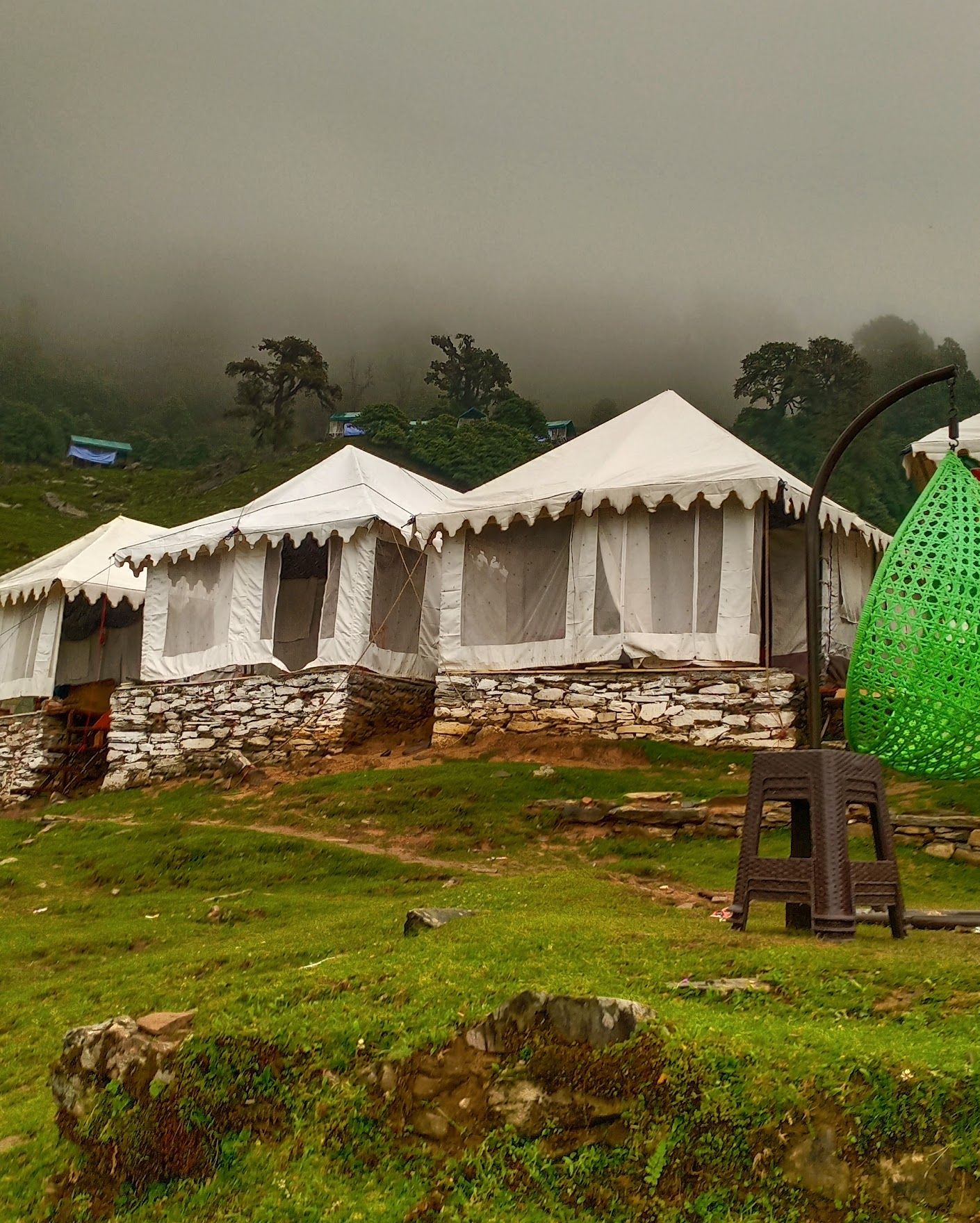
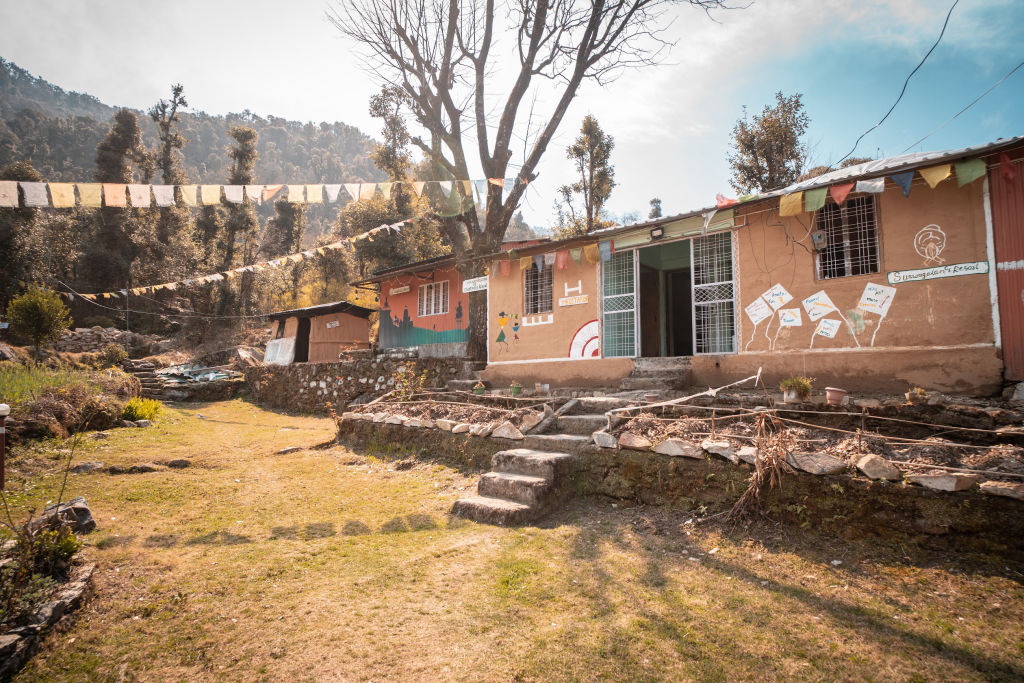
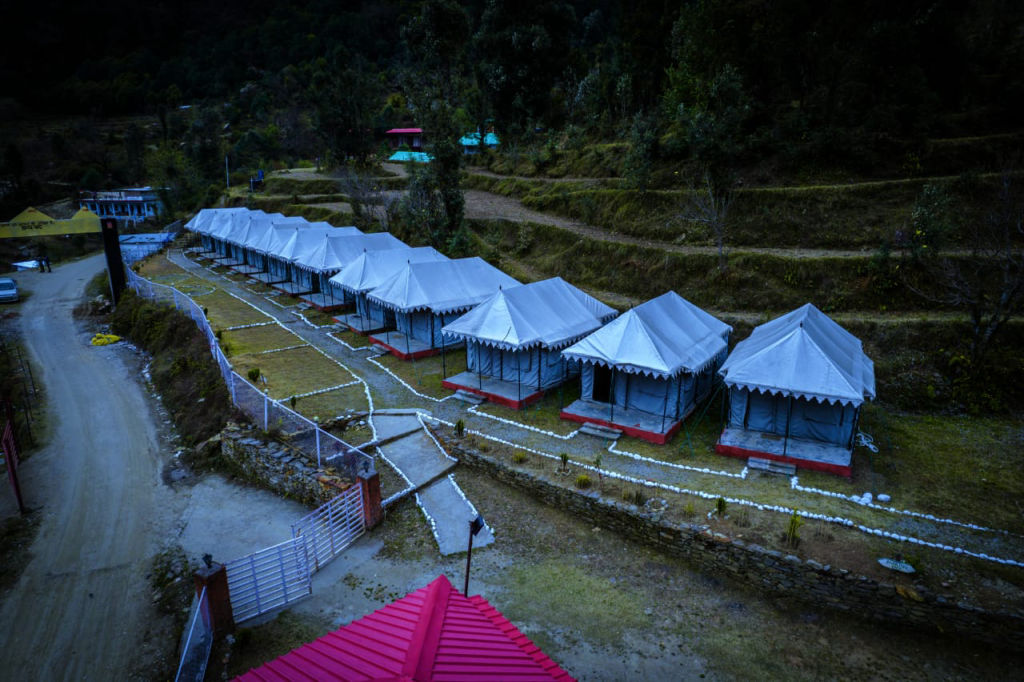
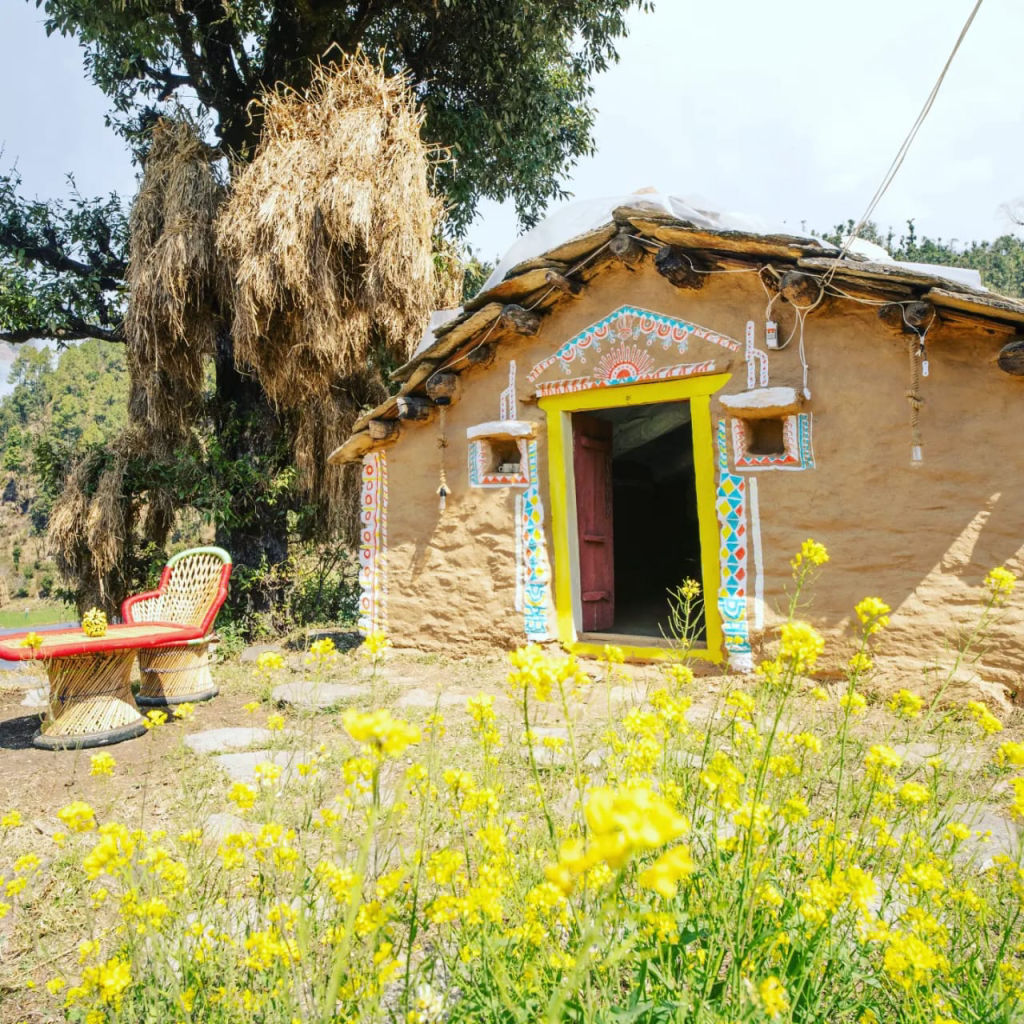
Start your hike early in the day to allow plenty of time to enjoy the lake and return well before sunset. Mobile network coverage can be spotty or absent in forested sections, so downloading offline navigation resources in advance is helpful. For lodging, camps, homestays and other stays nearby can be found on HireACamp, giving travelers a comfortable base in the surrounding valleys from which to set out and explore Diur Tal.
Frequently asked questions
Where is Diur Tal located?
Diur Tal is an alpine lake located in the Rudraprayag district of Uttarakhand, near the town of Ukhimath and the meadows of Chopta.
How difficult is the hike to Diur Tal?
The trek to Diur Tal is of moderate difficulty, following mountain trails and forest paths that are manageable for anyone with basic fitness.
What is the best time of year to visit Diur Tal?
The best seasons are spring and early summer from April to June, and autumn from September to November, when weather conditions are stable and mountain views are clear.
Are there food stalls or shops at Diur Tal?
No, there are no commercial shops or eateries at Diur Tal. Hikers should carry adequate drinking water, snacks, and all essential supplies from nearby towns.
Can I camp near Diur Tal?
Camping directly along the lake shores may be restricted to protect the local sanctuary and water source. Travelers should check local guidelines and book established campsites or homestays in the neighboring valleys.
Where you'll be
Uttarakhand · 4 stays nearby shown with prices
Stays near Diur Tal
Book a place to stay close by
More places near Diur Tal
Within 20 km
Built from 0 Instagram posts by 0 creators. Every tip links back to the post it came from, and where creators disagree we show both sides.






