
Madhyamaheshwar Temple
Temple near Ransi, Uttarakhand
9 km from Ransi
The nearest town, for stays, food and fuel.
Madhyamaheshwar Temple is a revered Hindu shrine nestled in the Garhwal Himalayas near Ukhimath in Uttarakhand. Counted as the fourth temple of the sacred Panch Kedar pilgrimage, it is dedicated to Lord Shiva and sits in a lush alpine meadow framed by towering snow peaks. Pilgrims and trekkers journey here to experience its timeless stone architecture, deep spiritual quiet, and raw mountain wilderness.
Getting there
By road
- From RansiNearest town17 min · 2.2 km
- From Dehradun6 hr 35 min · 275 km
- From New Delhi9 hr 15 min · 454 km
- From Chandigarh9 hr 35 min · 411 km
Typical drive times without traffic. Stations and airports from OLA Maps; distances and typical drive times from OpenStreetMap (© OpenStreetMap contributors); notes from creators' Reels.
About Madhyamaheshwar Temple
Written with AI from map data and general knowledge. Check prices and timings locally before you go.
About Madhyamaheshwar Temple
Madhyamaheshwar Temple, also commonly known as Madhmaheshwar, is set at an altitude of roughly 3,497 metres above sea level in the Rudraprayag district of Uttarakhand. According to regional legend and the epic Mahabharata, the Pandavas sought redemption from Lord Shiva after the Kurukshetra war. Shiva disguised himself as a bull and dove into the earth, with various parts of his body reappearing at five distinct locations across the Garhwal Himalayas, collectively venerated as the Panch Kedar. At Madhyamaheshwar, the navel or middle part of the deity is believed to have surfaced.
The temple is built in classic North Indian Nagara-influenced stone architecture, weathered by centuries of rain, wind, and heavy winter snow. Inside the sanctum sanctorum, a black stone lingam shaped like a navel is enshrined. Adjacent to the main shrine stands a smaller temple dedicated to Goddess Parvati, along with shrines dedicated to Saraswati and Ardhanarishwara. The surrounding meadow, bordered by stands of rhododendron and alpine birch, offers unobstructed vistas of the Chaukhamba massifs and neighbouring Himalayan peaks.
The Trek to Madhyamaheshwar
Reaching Madhyamaheshwar requires a rewarding foot journey through deep river valleys and dense temperate forests. The roadhead typically ends around Ransi village, which is accessible by road from Ukhimath. From Ransi, the trail winds alongside the Madhyamaheshwar Ganga and Markanga rivers, passing small hamlets such as Goundar, Bantoli, and Nanu before ascending steeply toward the high meadow where the temple rests.
The initial stretch of the trek leads hikers through terraced fields, crossing wooden and iron suspension bridges over rushing mountain streams. As the path climbs past Bantoli, the gradient stiffens noticeably. The trail cuts through thick woodlands of oak, maple, and rhododendron, where the air grows noticeably cooler and birdlife thrives. The final ridge climb breaks through the tree line into open meadows, revealing the temple complex backed by the sweeping ridgeline of Chaukhamba.
Read more
Best Time to Visit
The pilgrimage season to Madhyamaheshwar is tied closely to mountain weather and the traditional opening and closing ceremonies of the temple. The temple doors generally open in May, following the festival of Akshaya Tritiya, and close for the winter months around November after Diwali. During the winter, the symbolic idol of Lord Shiva is brought down to the Omkareshwar Temple in Ukhimath, where worship continues.
Late May to June provides pleasant daytime temperatures, clear mornings, and vibrant green hillsides, making it one of the most comfortable windows for trekking. The monsoon months of July and August bring heavy rainfall, mist, and heightened risk of landslides along mountain roads and trails, requiring extra caution. Autumn, extending from September through October, is widely considered the most scenic period. The skies turn crisp and clear, the mountain views are sharp, and the surrounding foliage takes on warm autumnal hues before the onset of heavy winter snow.
Tips for Your Visit
Preparation and physical stamina are essential for the journey to Madhyamaheshwar. Because the trek involves sustained uphill walking and significant elevation gain, completing basic endurance and cardiovascular conditioning beforehand helps make the walk far more manageable. Give yourself enough time along the trail to acclimatise naturally and avoid pushing too quickly up the steeper sections.
Weather in the high Himalayas changes rapidly, so dressing in layers is recommended. Carry moisture-wicking inner wear, warm fleece layers, a reliable windproof and waterproof outer jacket, and a pair of broken-in trekking shoes with good grip. Packing essentials include a rain poncho, sturdy trekking poles, a water bottle or hydration pack, a first-aid kit with personal medicines, and a dependable torch or headlamp with extra batteries. Mobile network coverage becomes sparse or absent past the roadhead, and electricity in trailside hamlets can be limited. Bring sufficient cash for daily expenses, as automated teller machines are not available along the trekking path.
Budha Madhyamaheshwar and Surroundings
For travellers who make the journey to the temple, a short and steep walk above the main shrine leads to Budha Madhyamaheshwar. Located roughly two kilometres higher along the grassy ridge, this elevated point features a simple stone platform surrounded by small tarns and vernal pools. On clear mornings, the calm waters of these pools reflect the massive peaks of Chaukhamba, Mandani, and Kedarnath.
The meadows around the temple are also an excellent vantage point for birdwatching and landscape photography. The quiet atmosphere allows visitors to sit in contemplative silence away from the busier pilgrimage corridors of the state, surrounded by grazing livestock and wide alpine skies.
How to Reach Madhyamaheshwar
The gateway town for Madhyamaheshwar is Ukhimath in the Rudraprayag district. Ukhimath is well linked by motorable roads to major transit hubs in Uttarakhand, including Rishikesh, Haridwar, and Dehradun. Travellers arriving by train can disembark at Haridwar or Rishikesh, while the nearest airport is Jolly Grant Airport near Dehradun.
From Rishikesh or Haridwar, vehicles travel along the Badrinath and Kedarnath highway corridors through Devprayag, Srinagar, and Rudraprayag before turning toward Ukhimath. From Ukhimath, a local road heads deeper into the valley toward Ransi, passing through villages like Mansuna. Public buses, shared jeeps, and private taxis run regularly up to Ukhimath, though local transit from Ukhimath to Ransi is less frequent, so starting early in the day is recommended.
Places to Visit Nearby
The wider Ukhimath and Rudraprayag region is packed with iconic natural and spiritual landmarks. Tungnath Temple, the highest of the Panch Kedar shrines, sits perched on the slopes of Chandrashila Peak above the meadows of Chopta Valley, both of which are accessible by road from Ukhimath. The Kedarnath Musk Deer Sanctuary encompasses vast tracts of forest in this belt, protecting dense alpine woods and endangered fauna.
Further along the Mandakini valley lies Kedarnath Dham, one of the foremost Chardham destinations, alongside the glacial waters of Vasuki Tal. Travelers can also visit Triyuginarayan Temple, renowned for its eternal flame, and the ancient stone shrine of Basukedar, adding rich historical and cultural context to any extended journey through this valley.
Where to Stay
During the pilgrimage season, basic accommodation is available along the trekking route in villages such as Ransi, Goundar, and near the temple grounds. These options are typically rustic village homestays and community rest houses offering warm bedding, simple home-cooked vegetarian meals, and basic shelter.
For travellers seeking greater comfort before or after the trek, the broader area around Ukhimath and Chopta offers a diverse range of accommodations. Homestays, rustic camps, and nature retreats situated amid apple orchards and pine forests can be easily found and reserved on HireACamp. Staying near Ukhimath allows you to rest thoroughly before embarking on the trail or unwind after your descent.
Frequently asked questions
How long is the trek to Madhyamaheshwar Temple?
The trek from the roadhead at Ransi village to Madhyamaheshwar Temple spans approximately 16 to 18 kilometres one way. Most hikers complete the ascent over one to two days with an overnight halt at intermediate hamlets like Goundar or Bantoli.
When does Madhyamaheshwar Temple remain open?
The temple opens around May following Akshaya Tritiya and closes for winter around early November after Diwali. During the winter months, the temple's presiding deity is worshipped at the Omkareshwar Temple in Ukhimath.
What is the significance of Madhyamaheshwar in Panch Kedar?
Madhyamaheshwar is considered the fourth temple of the Panch Kedar circuit. It is venerated as the spot where the middle part, specifically the navel or belly of Lord Shiva, appeared in bull form.
Is the Madhyamaheshwar trek suitable for beginners?
The trek involves sustained steep ascents and uneven mountain paths, making it moderately challenging. Beginners with good physical stamina and basic fitness can complete it comfortably by pacing themselves and acclimatising.
Where you'll be
Ukhimath · 4 stays nearby shown with prices
Stays near Madhyamaheshwar Temple
Book a place to stay close by
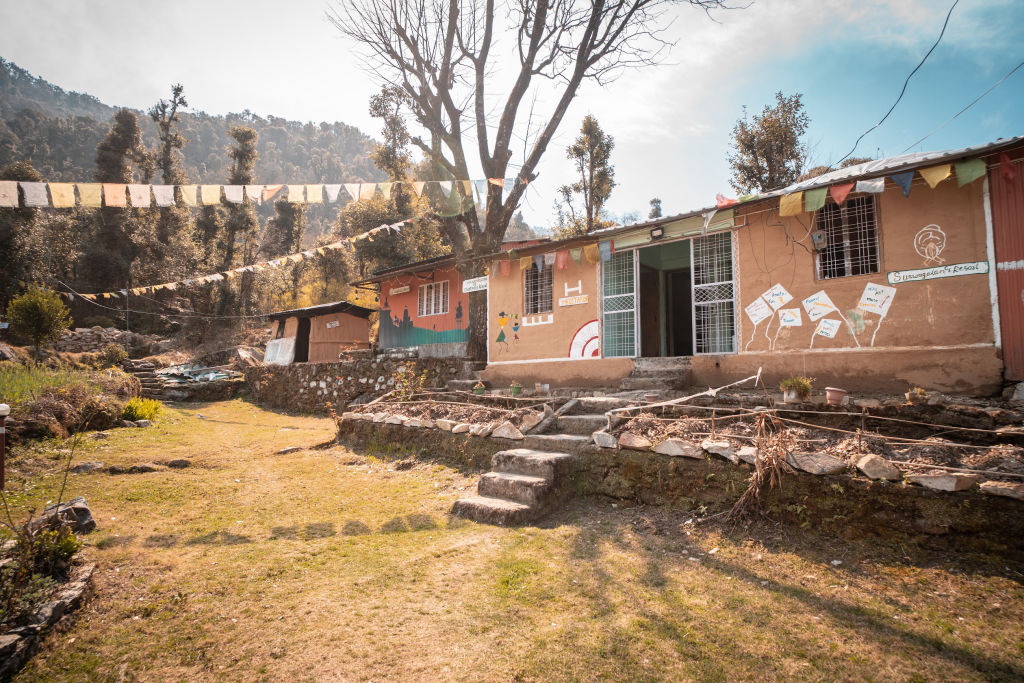
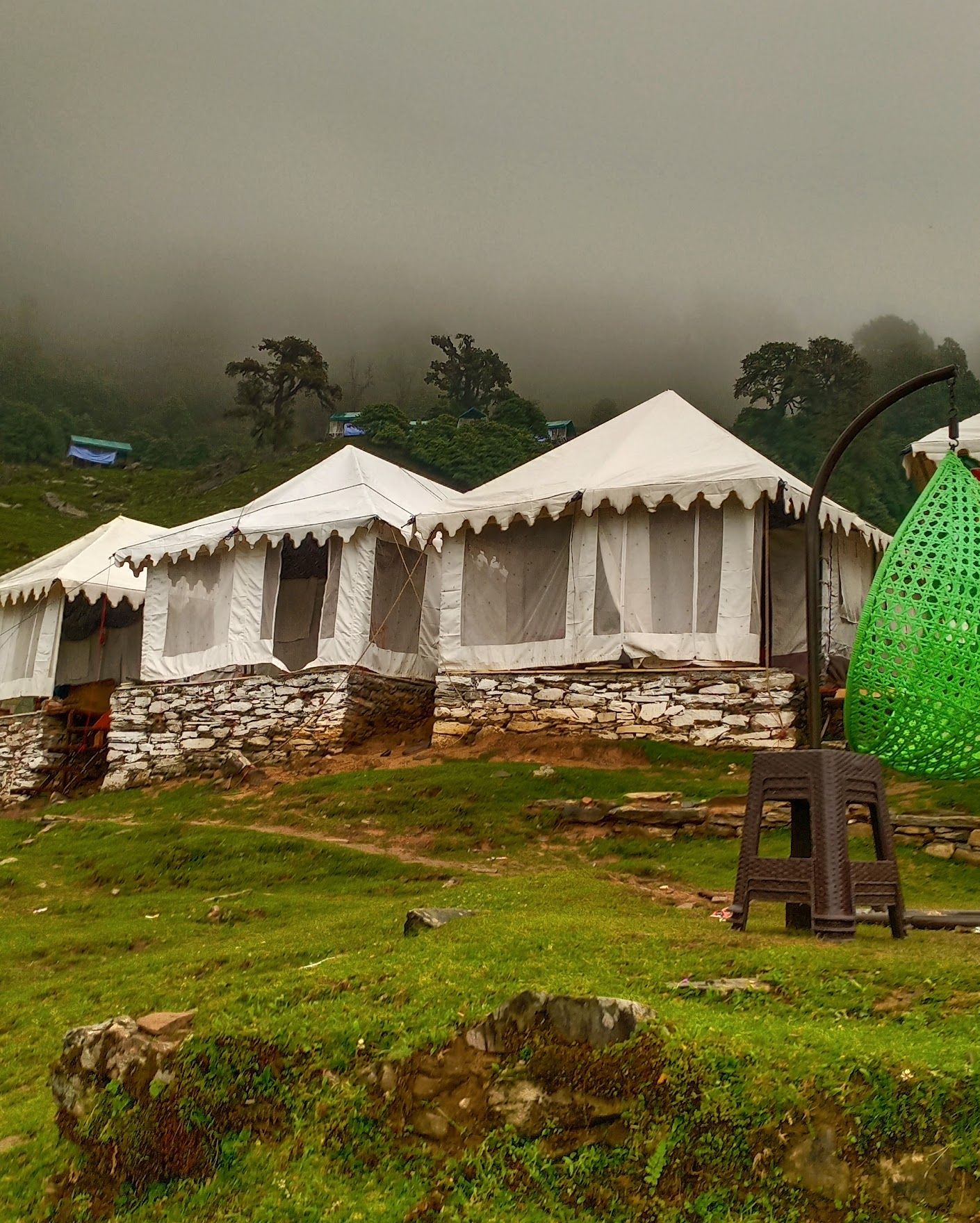
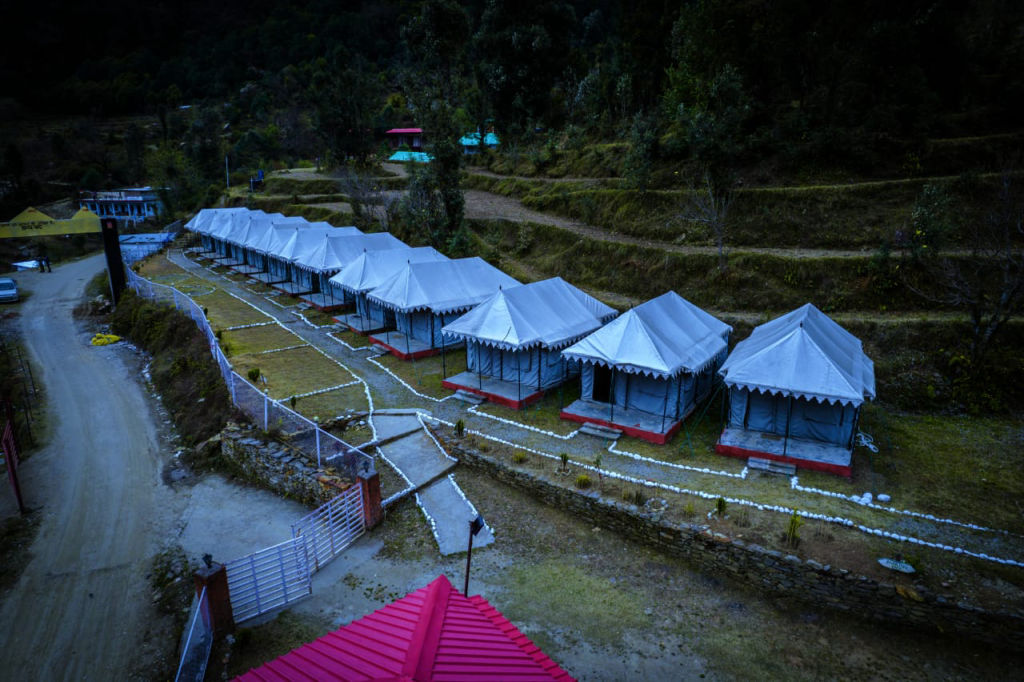
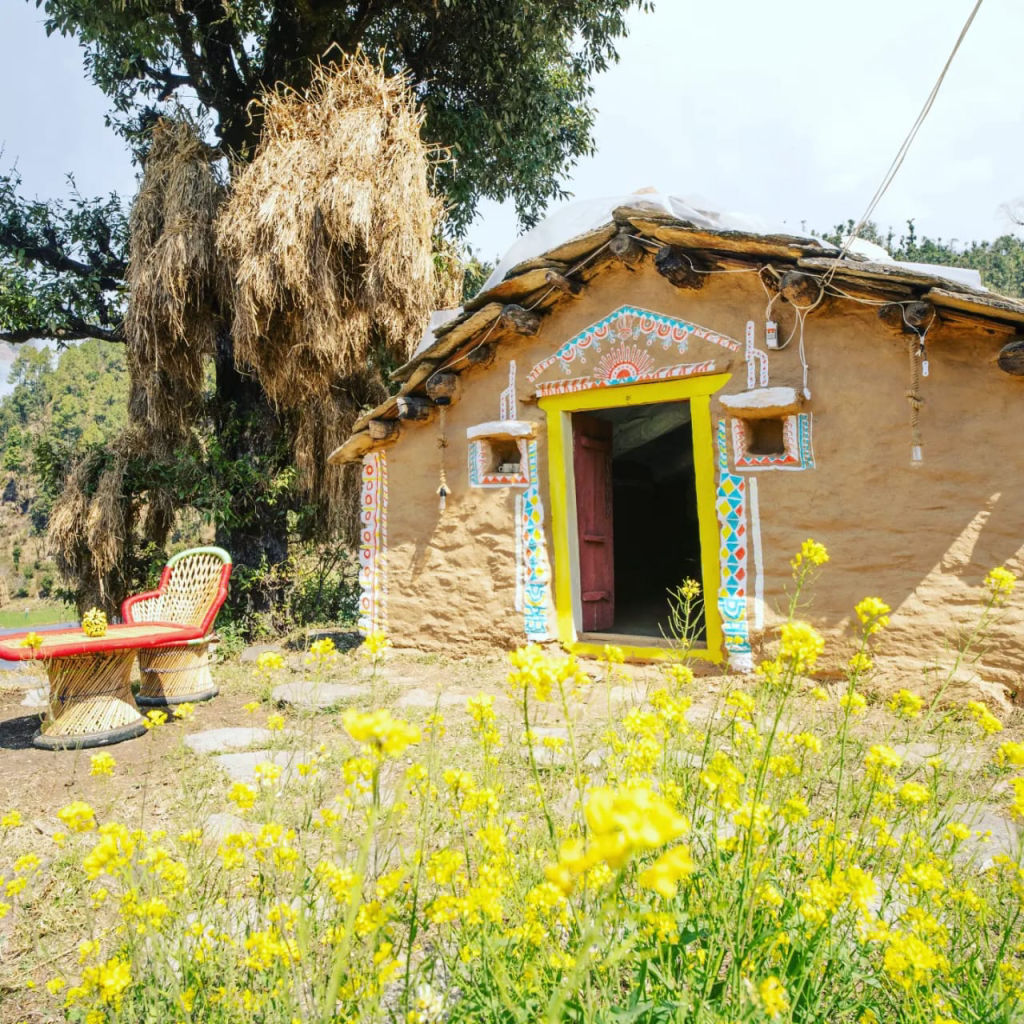
More places near Madhyamaheshwar Temple
Within 20 km

Built from 0 Instagram posts by 0 creators. Every tip links back to the post it came from, and where creators disagree we show both sides.






