
Tungnath Temple
Temple near Tungnath, Uttarakhand
100 m from Tungnath
The nearest town, for stays, food and fuel.
Tungnath Temple is an ancient stone shrine perched high in the Garhwal Himalayas of Uttarakhand, situated in the mountains above Ukhimath. Revered as the highest Shiva temple in the world and the third shrine in the sacred Panch Kedar circuit, it draws pilgrims and mountain trekkers from across the country. Visitors make the scenic uphill trek from Chopta to pay homage at the sanctum and take in uninterrupted panoramas of snow-draped Himalayan peaks.
Getting there
By road
- From Dehradun5 hr 5 min · 246 km
- From New Delhi8 hr 20 min · 458 km
- From Chandigarh8 hr 45 min · 415 km
Typical drive times without traffic. Stations and airports from OLA Maps; distances and typical drive times from OpenStreetMap (© OpenStreetMap contributors); notes from creators' Reels.
About Tungnath Temple
Written with AI from map data and general knowledge. Check prices and timings locally before you go.
About Tungnath Temple
Tungnath Temple stands at an elevation of more than twelve thousand feet above sea level, making it the highest known shrine dedicated to Lord Shiva anywhere on earth. Located in the Rudraprayag district of Uttarakhand near Ukhimath, the temple occupies a central place in Himalayan mythology and history. In the epic tradition of the Mahabharata, the Pandavas set out to seek forgiveness from Lord Shiva for the bloodshed of the Kurukshetra war. The deity assumed the form of a bull to elude them, and parts of his physical form later appeared at five distinct high-altitude sites known collectively as the Panch Kedar. Tungnath is revered as the sanctified place where the arms, or bahu, of the deity manifested.
Architecturally, the temple reflects the classical North Indian Katyuri design, constructed from weathered, heavy grey stone blocks engineered to withstand sub-zero winters and deep snowdrifts. Inside the dimly lit sanctum sits a low black stone lingam representing the divine form. The outer courtyard features smaller subsidiary shrines dedicated to Goddess Parvati, Sage Vyasa, and the Pandava brothers, creating a quiet space for worship against a dramatic backdrop of mountain summits including Chaukhamba, Nanda Devi, and Trishul.
The Trek to Tungnath
The trek to Tungnath begins at Chopta, a base village framed by rhododendron forests and undulating subalpine meadows known locally as bugyals. The walking path spans approximately three and a half kilometres on a defined, paved trail that winds steadily uphill. In the opening kilometre, walkers move under the shaded canopy of deodar, pine, and oak trees. As the path gains altitude, the forest thins out abruptly, revealing sweeping grasslands that stretch toward the rocky ridges above.
While the trail is paved and relatively clear of loose scree, the sustained uphill gradient combined with the thinner mountain air makes it a moderately demanding walk. Switchbacks ease the steepest portions, and simple stone resting benches are positioned along the way, giving hikers ample opportunities to pause, catch their breath, and admire the sweeping valleys below. For those with stamina remaining after paying homage at the temple, an additional steep trail of around one and a half kilometres climbs further up to Chandrashila peak, which offers an even wider panoramic viewpoint.
Read more
Best Time to Visit Tungnath
Due to its high altitude, Tungnath Temple is accessible for roughly six months of the year. The shrine typically opens its doors in late April or early May and closes in early November, when severe blizzards envelop the ridge and the idol is ceremonially relocated down to its winter home in Ukhimath. The best time to plan a visit depends largely on your weather preferences and trekking style.
Spring and early summer, from May to June, provide comfortable daytime temperatures, clear footpaths, and pleasant mountain breezes. This is also when the upper slopes are often still adorned with the last blooms of pink and scarlet rhododendrons. The monsoon season across July and August brings persistent rain, mist, and slick flagstones, alongside an increased likelihood of road disruptions lower in the valley, though the meadows turn vibrant green. Autumn, spanning September and October, is considered the prime window for mountain clarity, offering bright sunshine, minimal cloud cover, and sharp views of the Greater Himalayan peaks.
How to Reach Tungnath Temple
Reaching Tungnath involves travelling by road to Chopta, where the motorable highway ends and the pedestrian trail begins. The nearest major rail connections are at Rishikesh and Haridwar, while Dehradun hosts the closest domestic airport. From these foothill gateways, the route journeys north along the Alaknanda and Mandakini river valleys, passing through towns such as Devprayag, Srinagar, and Rudraprayag before ascending toward Ukhimath.
Public buses and shared mountain vehicles operate regularly along the main highways up to Ukhimath and nearby transit points. From Ukhimath, local taxis or personal vehicles can be used to cover the final mountain road leading to Chopta. Because driving through the Garhwal hills involves winding switchbacks and variable road conditions, it is best to plan your drive during daylight hours and account for generous travel times.
Essential Tips for Your Trek
Because the trail reaches well above three thousand metres, altitude can challenge travellers arriving straight from the plains. Spending an acclimatisation night at a lower elevation such as Ukhimath or Chopta before tackling the ascent helps your body adjust to the thinner air. On the trail, keep a steady, measured pace rather than rushing, and stay hydrated by taking small, frequent sips of water.
High-altitude weather is notoriously changeable, and bright sunny mornings can give way to chilly gusts or sudden rain showers by early afternoon. Dressing in breathable layers is essential, along with packing a lightweight rain poncho and windproof outer layer. Sturdy walking shoes with reliable traction will help you navigate paved stones that can become slick when wet. Keep in mind that high-altitude ecosystems are fragile; carry all personal trash and plastic food wrappers back down to Chopta for proper disposal.
Places to Visit Nearby
A trip to Tungnath can easily be combined with exploring the surrounding natural and cultural landmarks of Rudraprayag district. Directly above the temple stands Chandrashila summit, which rewards hikers with an expansive 360-degree viewpoint encompassing the Garhwal range. Below the ridge lies the broader Chopta Valley, a quiet haven of meadows and woodlands suited for peaceful nature walks and birdwatching.
In the lower valley, Ukhimath holds immense spiritual significance as the site of Omkareshwar Temple, where the presiding deities of both Tungnath and Kedarnath are worshipped during the cold winter months. Adventure enthusiasts often venture toward pristine glacial lakes such as Vasuki Tal and Badhani Tal, while pilgrims can visit the sacred wedding site of Triyuginarayan Temple or connect with the historic route leading to Kedarnath Dham. Along the valley floor, the Mandakini River offers tranquil riverside resting spots throughout the drive.
Where to Stay near Tungnath
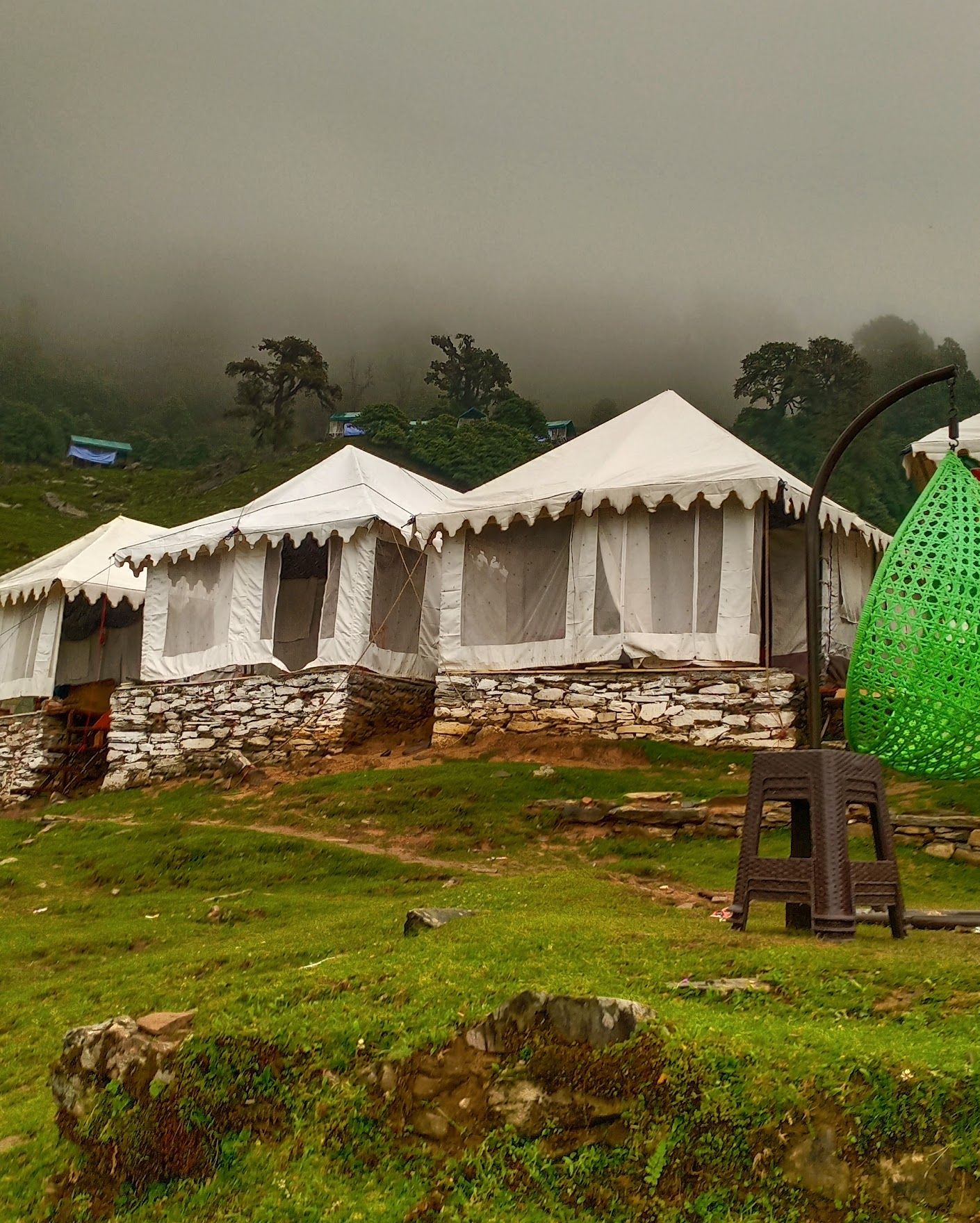
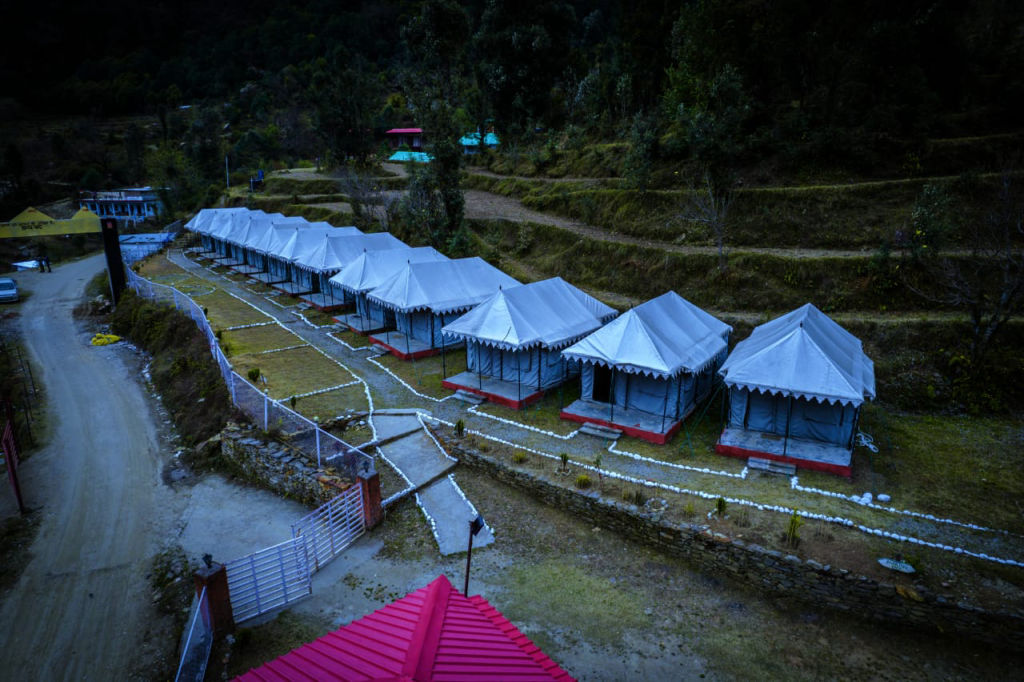
Accommodation directly at Tungnath Temple is restricted due to its fragile alpine environment and harsh night temperatures. Most trekkers and pilgrims base themselves around Chopta or further down in the town of Ukhimath. Chopta offers seasonal camping sites and eco-friendly mountain cottages on the doorstep of the meadows, making it easy to start an early morning trek.
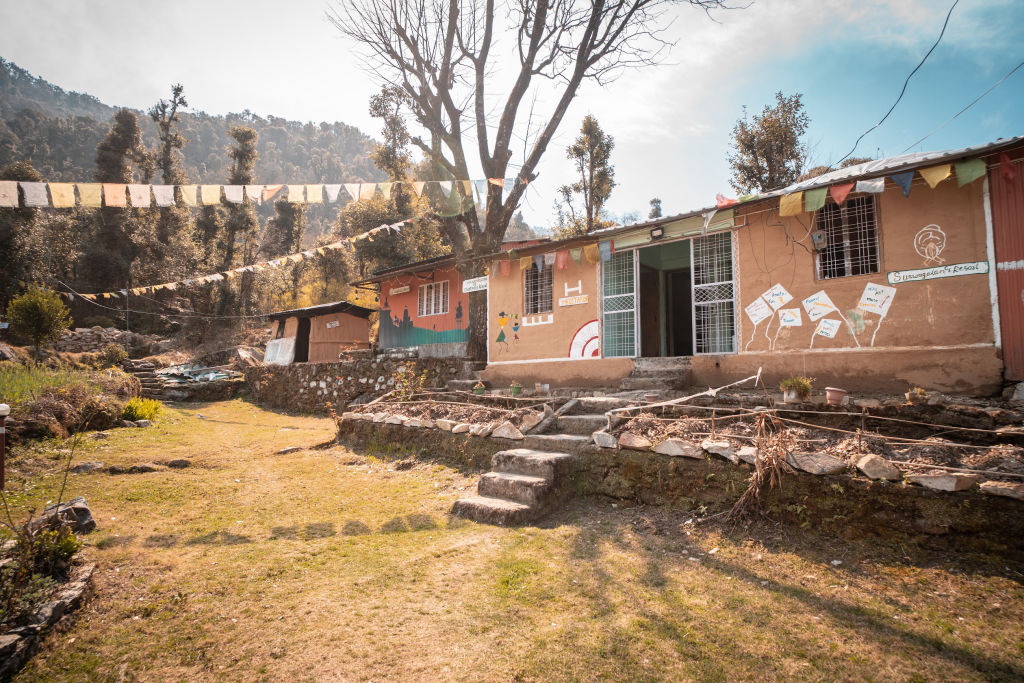
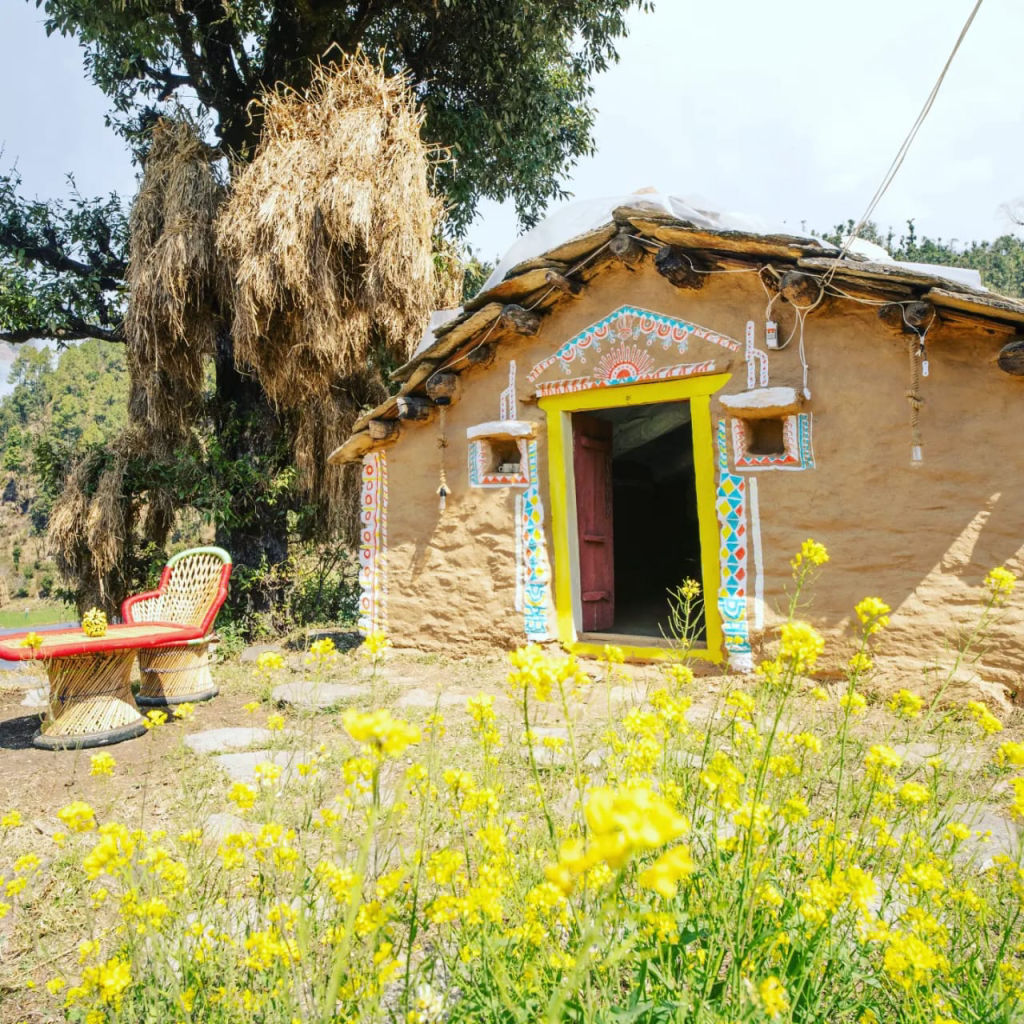
Ukhimath provides a wider selection of traditional homestays and family-run guesthouses, providing a warmer environment and easy access to local markets. Travellers seeking a peaceful stay can explore HireACamp to find verified campsites, scenic cabins, and welcoming homestays spread across Chopta and Ukhimath. Booking your accommodation ahead of time is recommended during the summer pilgrimage rush and the popular autumn trekking weeks.
Frequently asked questions
Where does the trek to Tungnath Temple start?
The trek to Tungnath Temple begins at the mountain hamlet of Chopta in Uttarakhand. From Chopta, a paved uphill path leads approximately three and a half kilometres directly to the temple.
How difficult is the trek to Tungnath Temple?
The trek is considered easy to moderate in difficulty. While the path is clearly marked and paved, the continuous uphill incline and thinning air at high altitude require basic physical fitness and a steady pace.
Can I visit Tungnath Temple during winter?
The main temple doors close in early November due to heavy snowfall, and the deity is moved to Ukhimath for the winter months. Winter trekking to the ridge is possible only when conditions permit, but the temple itself remains closed until late spring.
What is the significance of Tungnath among the Panch Kedar?
Tungnath is the third temple in the sacred Panch Kedar pilgrimage. According to legend, it is the divine spot where the arms of Lord Shiva appeared after he took the form of a bull.
How much further is Chandrashila from Tungnath?
Chandrashila peak is located approximately one and a half kilometres beyond Tungnath Temple. The trail continues steadily uphill from behind the temple complex to reach the summit.
Where you'll be
Ukhimath · 4 stays nearby shown with prices
Stays near Tungnath Temple
Book a place to stay close by
More places near Tungnath Temple
Within 20 km

Built from 0 Instagram posts by 0 creators. Every tip links back to the post it came from, and where creators disagree we show both sides.






