
Makhdoom Sahib Shrine
Heritage & Culture near Nowhatta, Jammu and Kashmir
700 m from Nowhatta
The nearest town, for stays, food and fuel.
Makhdoom Sahib Shrine is an esteemed Sufi shrine situated on the southern slopes of Hari Parbat hill in Srinagar, Jammu and Kashmir. Dedicated to the revered sixteenth-century mystic Sheikh Hamza Makhdoom, fondly called Sultan-ul-Arifeen, the shrine is an enduring centre of faith and communal harmony in the Kashmir Valley. Travellers and pilgrims visit to experience its spiritual atmosphere, distinctive Kashmiri wooden architecture, and wide views across the old city of Srinagar.
Getting there
By road
- From NowhattaNearest town4 min · 900 m
Typical drive times without traffic. Stations and airports from OLA Maps; distances and typical drive times from OpenStreetMap (© OpenStreetMap contributors); notes from creators' Reels.
About Makhdoom Sahib Shrine
Written with AI from map data and general knowledge. Check prices and timings locally before you go.
History and significance of Makhdoom Sahib Shrine
Makhdoom Sahib Shrine is dedicated to Hazrat Sheikh Hamza Makhdoom, one of the most venerated Sufi saints in Kashmiri history. Born in the late fifteenth century in Tujar Sharif, Sheikh Hamza Makhdoom played a central role in guiding spiritual and social life across the valley. He was bestowed with the title Sultan-ul-Arifeen, meaning the king among mystics, for his scholarship, spiritual devotion, and service to society.
Over the centuries, the shrine has remained an integral pillar of Srinagar's cultural fabric. People of all backgrounds and faiths visit the sanctuary throughout the year, seeking blessings, peace, and solace. The shrine complex reflects profound traditions of tolerance and spiritual reflection that have defined the Kashmir Valley for generations.
Architecture and spiritual setting
Perched gracefully along the slopes of Hari Parbat, the Makhdoom Sahib Shrine stands out for its traditional Kashmiri shrine architecture. The complex is constructed using stone, brick, and seasoned deodar wood, characterized by elaborate pillars, carved ceilings, and multistoried pillared verandahs. Unlike conventional domed shrines found in other parts of India, historic Kashmiri shrines often incorporate layered pyramidical wooden roofs that harmonize with the mountainous environment.
The shrine is accessible via stone steps winding up the hillside, as well as by a ropeway service that connects the foothills to the complex. The elevated position offers expansive panoramic vistas of Srinagar's heritage neighbourhoods, ancient rooftops, and surrounding water bodies. Inside the prayer halls, the tranquil ambiance invites contemplation, with the subtle fragrance of incense and the quiet murmur of prayers drifting through the halls.
Read more
Best time to visit Makhdoom Sahib Shrine
Srinagar experiences four distinct seasons, each offering a unique backdrop for visiting Makhdoom Sahib Shrine. The months from April to June present mild weather and pleasant breezes, with daytime temperatures comfortable for walking up the steps and exploring the hillside. During this period, the valley is lush with blooming gardens and green canopies.
Autumn, from September to November, brings crisp air and golden hues as the famous chinar trees throughout Srinagar change colour. This season is particularly serene for heritage walks and spiritual visits. Winter, from December to February, transforms the shrine and the surrounding slopes with dusting or heavy falls of snow. While moving around in winter requires warm layering and care on icy stairs, the snow-covered roofs and misty views of Dal Lake and Hari Parbat create a quiet, meditative atmosphere.
How to reach Makhdoom Sahib Shrine
Makhdoom Sahib Shrine is located within the old city district of Srinagar, Jammu and Kashmir. Srinagar is connected by air through Sheikh ul-Alam International Airport, which operates regular flights to major Indian cities. The nearest major railway hub is Jammu Tawi, while the Udhampur-Srinagar-Baramulla rail link provides rail access into sections of the Kashmir Valley. By road, Srinagar is reachable via the National Highway 44 connecting Jammu and the plains of northern India.
From central areas of Srinagar, the shrine can be reached by local taxi, auto-rickshaw, or private vehicle. Taxis drop visitors near the base of the hill, from where one can walk up the heritage stone stairs or use the ropeway system operating on Hari Parbat. Local transport is easily arranged throughout the day across Srinagar.
Tips for your visit
When visiting Makhdoom Sahib Shrine, dress modestly and comfortably, ensuring your arms and legs are covered in accordance with local cultural traditions. Visitors are required to remove their footwear before entering the interior prayer chambers and courtyards, so wearing easily removable shoes is convenient. Carrying a scarf or head covering is recommended, as covering one's head is customary upon entering the shrine.
The walk up the hillside involves navigating flights of stairs, so comfortable walking shoes with good grip are advised. Keep your belongings secure in a small daypack and respect the peaceful atmosphere inside the sanctum by maintaining silence and asking for permission before taking photographs. Local weather can shift rapidly in Kashmir, so keeping a light jacket or shawl handy is helpful even during warmer months.
Places to visit nearby
A visit to Makhdoom Sahib Shrine can easily be combined with exploring the historic Hari Parbat hill, which is crowned by an ancient fort and holds places of worship representing multiple faiths. Just down the slopes lies Badamwari Park, an expansive garden famous for its almond blossoms during early spring, where paths wind beneath fragrant fruit trees.
A short drive away lies Nigeen Lake, known for its tranquil waters and willow-lined shores, offering an unhurried perspective compared to larger water bodies in the valley. Nehru Park and the banks of Dal Lake are also close by, providing opportunities for scenic evening strolls. Visitors can explore local handicraft emporiums and old city bazaars nearby to view intricate Kashmiri woodcarving, papier-mâché, and woven shawls.
Where to stay around Srinagar
Srinagar offers a wide range of stay choices that allow you to explore Makhdoom Sahib Shrine and the broader valley with ease. Staying near the old quarter or along the lakesides gives you quick access to historic streets, gardens, and spiritual sites.
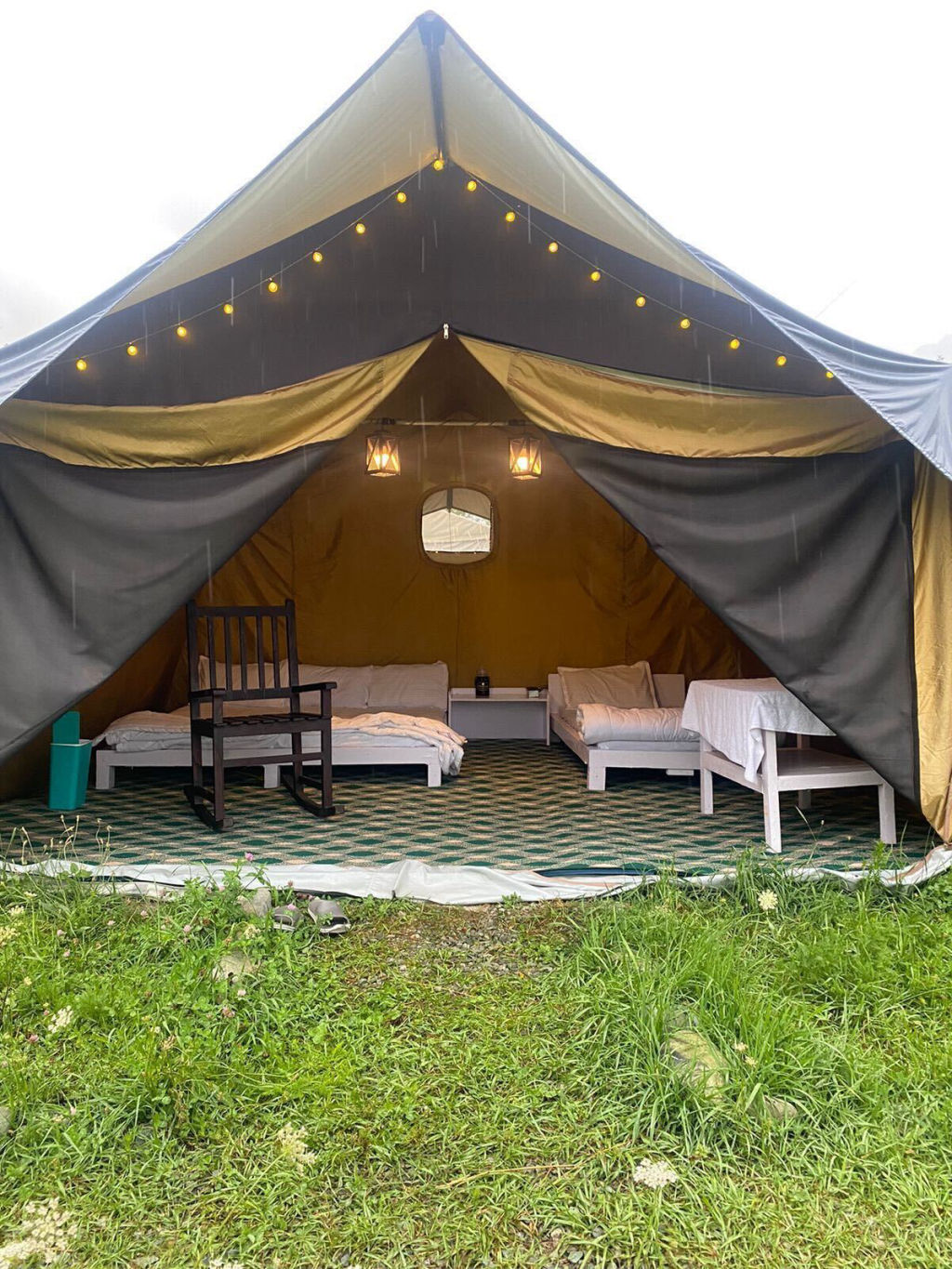
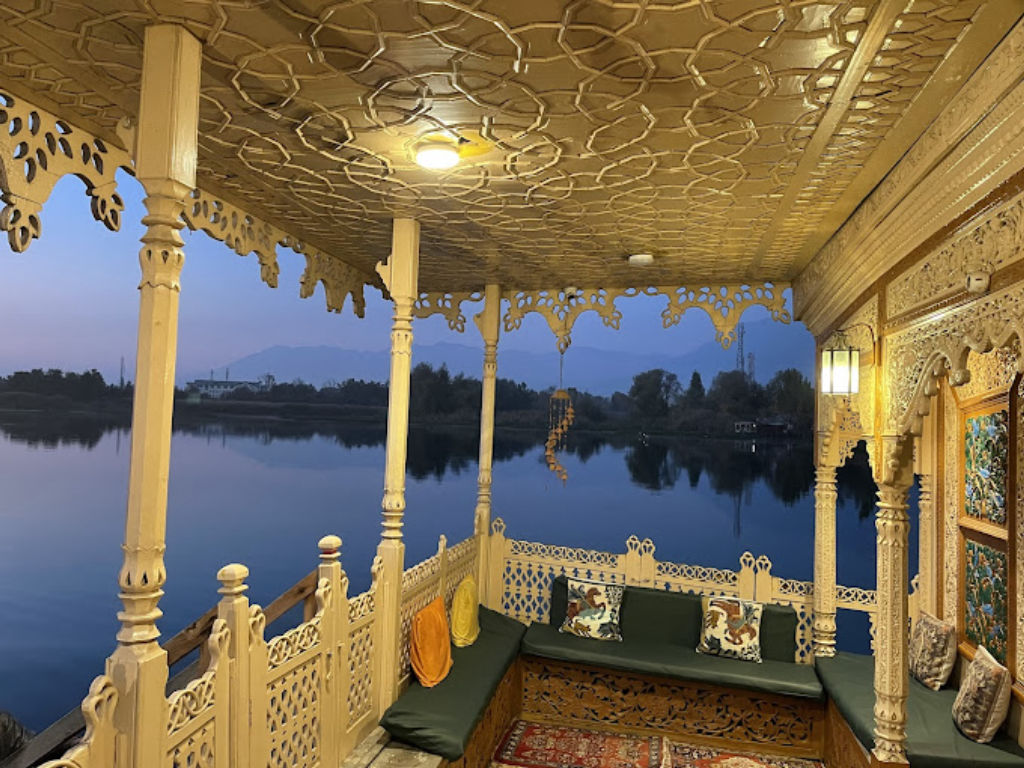
Travellers interested in outdoor surroundings, scenic homestays, and riverside stays around Srinagar and neighbouring valleys can browse and book accommodations on HireACamp. Staying in local homestays offers a deeper look into traditional Kashmiri hospitality, warm hearths, and regional cuisine.
Frequently asked questions
Where is Makhdoom Sahib Shrine located?
Makhdoom Sahib Shrine is situated on the slopes of Hari Parbat hill in the historic old town area of Srinagar, Jammu and Kashmir.
Is there a dress code for visiting Makhdoom Sahib Shrine?
Visitors should dress modestly with covered shoulders and legs. Footwear must be removed before entering the inner halls, and it is customary for both men and women to cover their heads.
How do you reach the shrine from the base of the hill?
Visitors can walk up the hillside along a series of stone steps or use the ropeway cable car service connecting the foothill base directly to the shrine complex.
What is the best time of year to visit?
The shrine can be visited year-round, with spring from April to June and autumn from September to November offering the most comfortable weather for exploring the area.
Are photography and filming allowed inside the shrine?
Photography may be restricted within the main inner prayer sanctum out of respect for worshippers. Check locally and seek permission from shrine attendants before taking photos.
Where you'll be
Jammu and Kashmir · 2 stays nearby shown with prices
Stays near Makhdoom Sahib Shrine
Book a place to stay close by
More places near Makhdoom Sahib Shrine
Within 20 km
Built from 0 Instagram posts by 0 creators. Every tip links back to the post it came from, and where creators disagree we show both sides.






