
Khokhan Wildlife Sanctuary
Wildlife sanctuary near Lapas, Himachal Pradesh
7 km from Lapas
The nearest town, for stays, food and fuel.
Khokhan Wildlife Sanctuary is a protected forested reserve situated near Jogindarnagar in Himachal Pradesh. Set amidst high-altitude cedar ridges and steep valleys, it offers travellers quiet mountain trails and a glimpse into Himalayan flora and fauna. Visitors come here to experience unspoilt forest paths, observe birdlife, and take in panoramic views of the surrounding Himalayan ranges.
Getting there
By road
- From LapasNearest town37 min · 15 km
- From Chandigarh5 hr · 213 km
- From Ludhiana5 hr 35 min · 254 km
- From Amritsar6 hr 25 min · 296 km
Typical drive times without traffic. Stations and airports from OLA Maps; distances and typical drive times from OpenStreetMap (© OpenStreetMap contributors); notes from creators' Reels.
About Khokhan Wildlife Sanctuary
Written with AI from map data and general knowledge. Check prices and timings locally before you go.
About Khokhan Wildlife Sanctuary
Khokhan Wildlife Sanctuary lies tucked away in the rugged hills of Himachal Pradesh, not far from the valley town of Jogindarnagar. Established to safeguard the fragile Western Himalayan ecosystem, this sanctuary spans a diverse landscape of dense coniferous woodlands, sub-alpine meadows, and steep crags. It serves as an important corridor and protected refuge for diverse montane species that thrive in the cold temperate climate of the outer Himalayas.
Unlike heavily commercialized tourist spots in the state, Khokhan retains an undisturbed, wild character. The sanctuary appeals particularly to nature lovers, trekkers, and birdwatchers who appreciate silence, solitary trails, and wilderness over crowded sight-seeing. Walking along its forest fringes, visitors can observe the interplay between dense canopy cover and high mountain ridges that catch the shifting light across the valleys.
Landscape and Wildlife
The terrain across Khokhan Wildlife Sanctuary rises across steep elevations, creating multiple forest zones and distinct microclimates. The lower slopes are dominated by towering deodar trees, Himalayan pine, and oak forests, interspersed with thickets of rhododendron that bloom with vibrant red and pink petals during the early spring. As elevation increases, the forest canopy opens up to grassy clearings and rocky precipices that provide sanctuary to high-altitude wildlife.
The sanctuary provides shelter to several notable Himalayan mammals and birds. Travellers with a quiet footing and patient observation may encounter species such as the Himalayan black bear, barking deer, musk deer, and leopards that roam these temperate slopes. The sanctuary is equally rewarding for birders, sheltering species like the Western tragopan, koklass pheasant, Himalayan monal, and various birds of prey that soar on the thermals rising from the deep valleys below.
Read more
Best Time to Visit Khokhan Wildlife Sanctuary
The ideal period to visit Khokhan Wildlife Sanctuary is during the spring and autumn months, spanning from April to June and then from September to November. During spring and early summer, daytime temperatures are mild and pleasant, making forest hikes comfortable while wildflowers and rhododendrons bring color to the forest floor. Visibility during these months is typically clear, offering broad vistas across the neighboring Himalayan ridges.
Autumn, from late September through November, offers crisp mountain air, stable dry weather, and golden foliage. Forest tracks are generally dry and safe for walking during this season. Winters, extending from December to February, can be severe, bringing freezing temperatures and significant snowfall at higher elevations. The monsoon months between July and August are prone to heavy rainfall, muddy trails, and potential landslides along regional mountain roads, making extensive trekking less advisable during this window.
How to Reach Khokhan Wildlife Sanctuary
Khokhan Wildlife Sanctuary is accessible from Jogindarnagar, a well-known transit town connected to the broader road and transport network of Himachal Pradesh. Jogindarnagar is linked by road to regional hubs such as Mandi, Dharamshala, and Pathankot. Regular bus services and private taxis operate along these state highways, providing straightforward access to the foothills. Jogindarnagar is also the terminus of the historic narrow-gauge railway running from Pathankot, which offers a scenic and leisurely journey into the region.
From Jogindarnagar, local mountain roads wind toward the perimeter of the sanctuary. Because mountain tracks in this belt can be narrow and rough, visitors often rely on high-clearance vehicles or local taxis familiar with the steep terrain. Approaching the interior paths of the sanctuary typically requires on-foot trekking, making sturdy footwear and an early start essential for day trips originating in nearby valley settlements.
Places to Visit Near Khokhan
The region surrounding Khokhan Wildlife Sanctuary is rich in natural landmarks and cultural heritage. Close to the sanctuary perimeter lies Bhubbu Pass, a historic mountain pass that connects the Kangra and Kullu valleys. The route toward Bhubbu Pass offers rewarding day treks, panoramic alpine views, and an opportunity to explore traditional high-altitude trails used for generations by locals and shepherds.
For those seeking water bodies and natural cascades, Lapas Waterfalls provides an attractive forest stop where mountain streams cascade down rocky ledges. Further down toward the valley floor, Macchial Lake is a revered freshwater pond where holy carp fish are protected and fed by local devotees. The surrounding landscape is also dotted with ancient shrines including Dev Pashakot Mandir, Simsa Mata Temple, Mata Banderi Temple, and Shri Machhindra Nath Temple, alongside spiritual sites like Zabsang Choekhor Ling Monastery. These sites reflect the spiritual traditions and vernacular stone-and-timber architecture characteristic of Himachal Pradesh.
Tips for Visiting Khokhan
A visit to Khokhan Wildlife Sanctuary requires self-reliance and thoughtful planning, as there are no commercial tourist amenities within the reserve boundaries. Visitors should carry sufficient drinking water in reusable bottles and pack enough food or snacks for their time on the trails. It is crucial to practice Leave No Trace principles by bringing back all wrappers, plastics, and waste to maintain the pristine state of the forest.
Dressing in layers is recommended throughout the year, as mountain temperatures can drop suddenly when cloud cover moves in or winds pick up. Sturdy, broken-in trekking shoes with good grip are essential for negotiating uneven forest paths and steep inclines. Because wildlife encounters can happen, it is best to hike in small groups, remain on established trails, and avoid loud noises. Travelers should also check locally for current trail conditions, weather updates, and any applicable forestry permissions before entering reserve paths.
Where to Stay
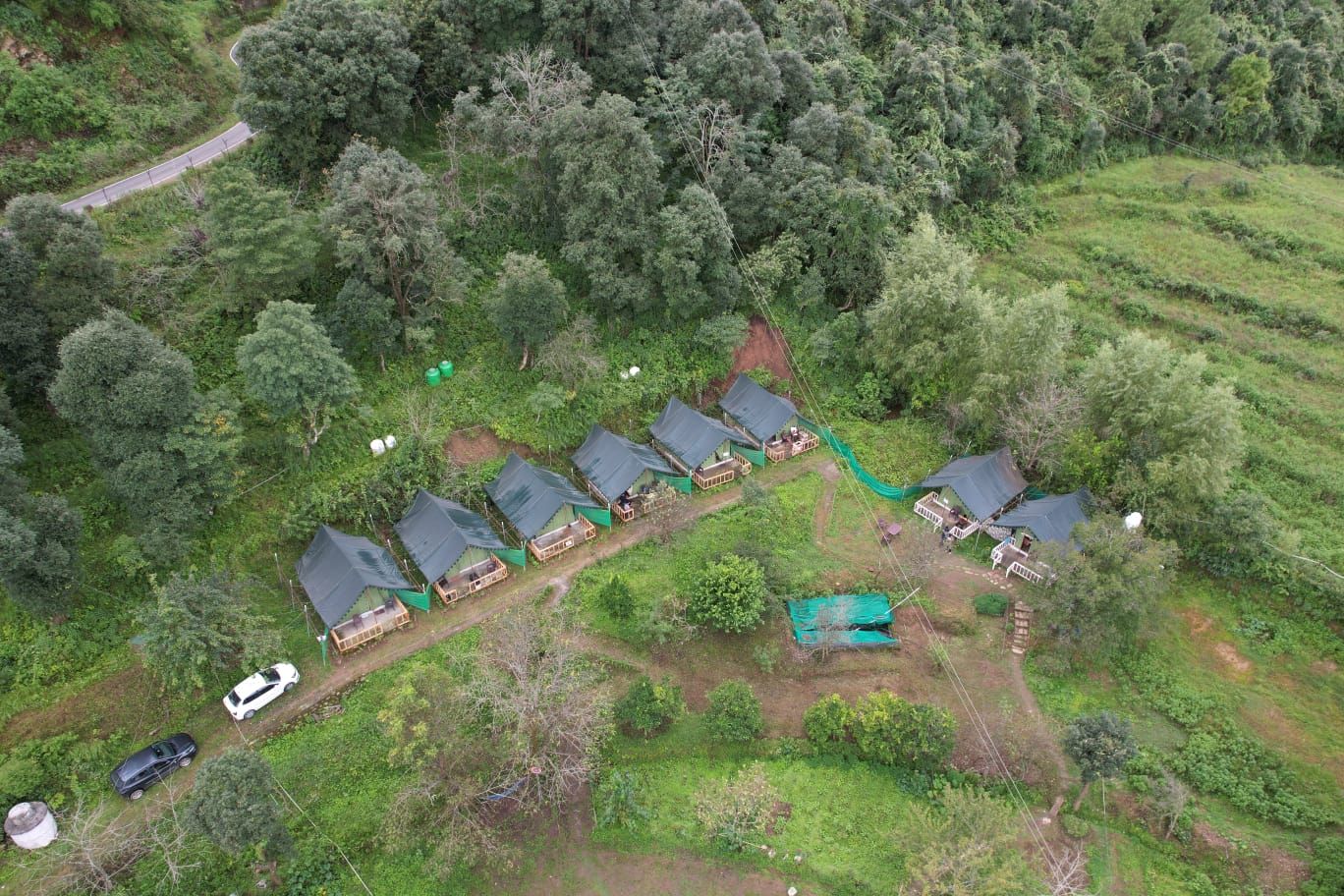
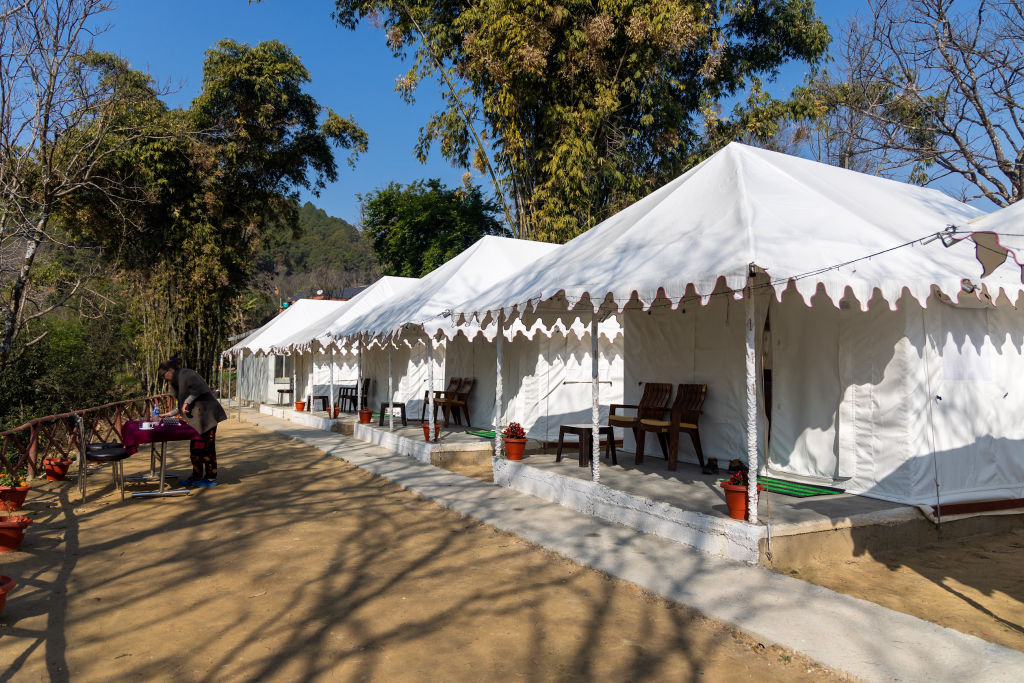
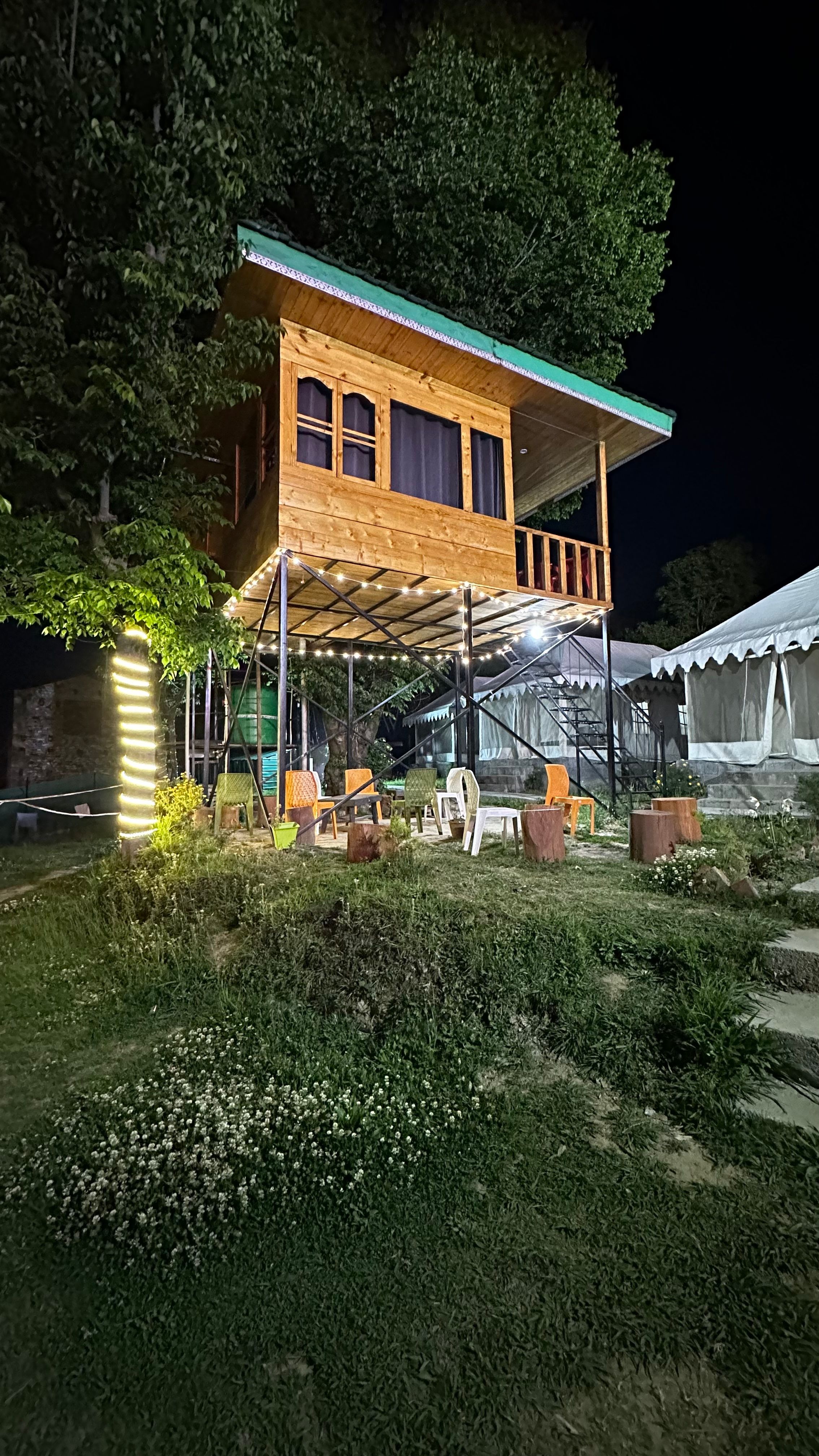
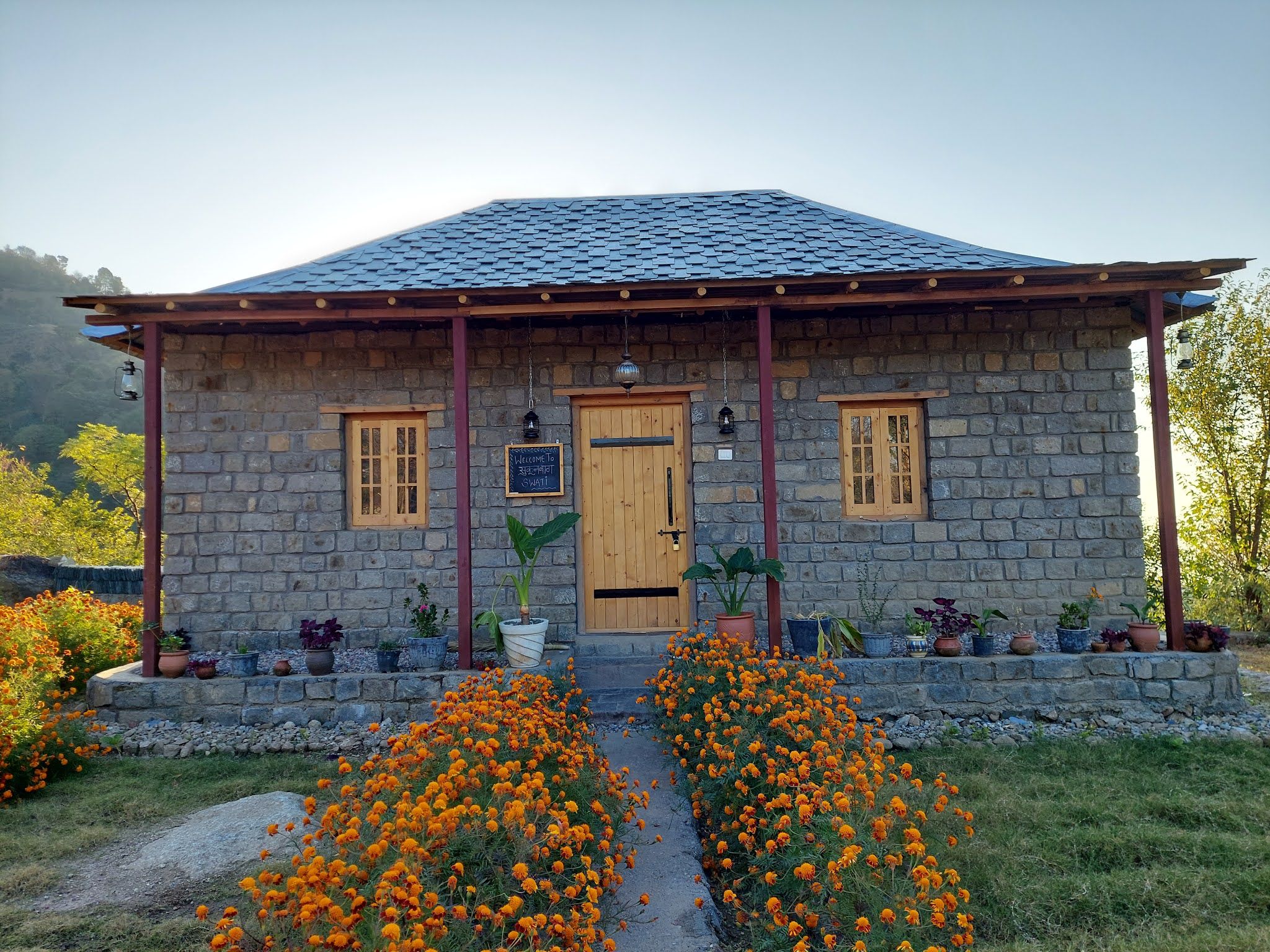
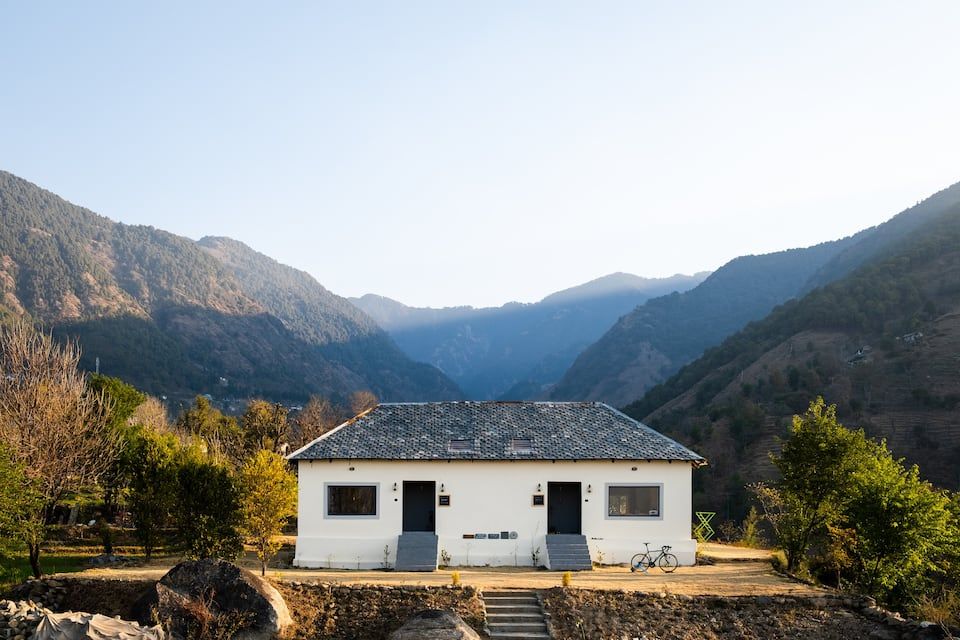
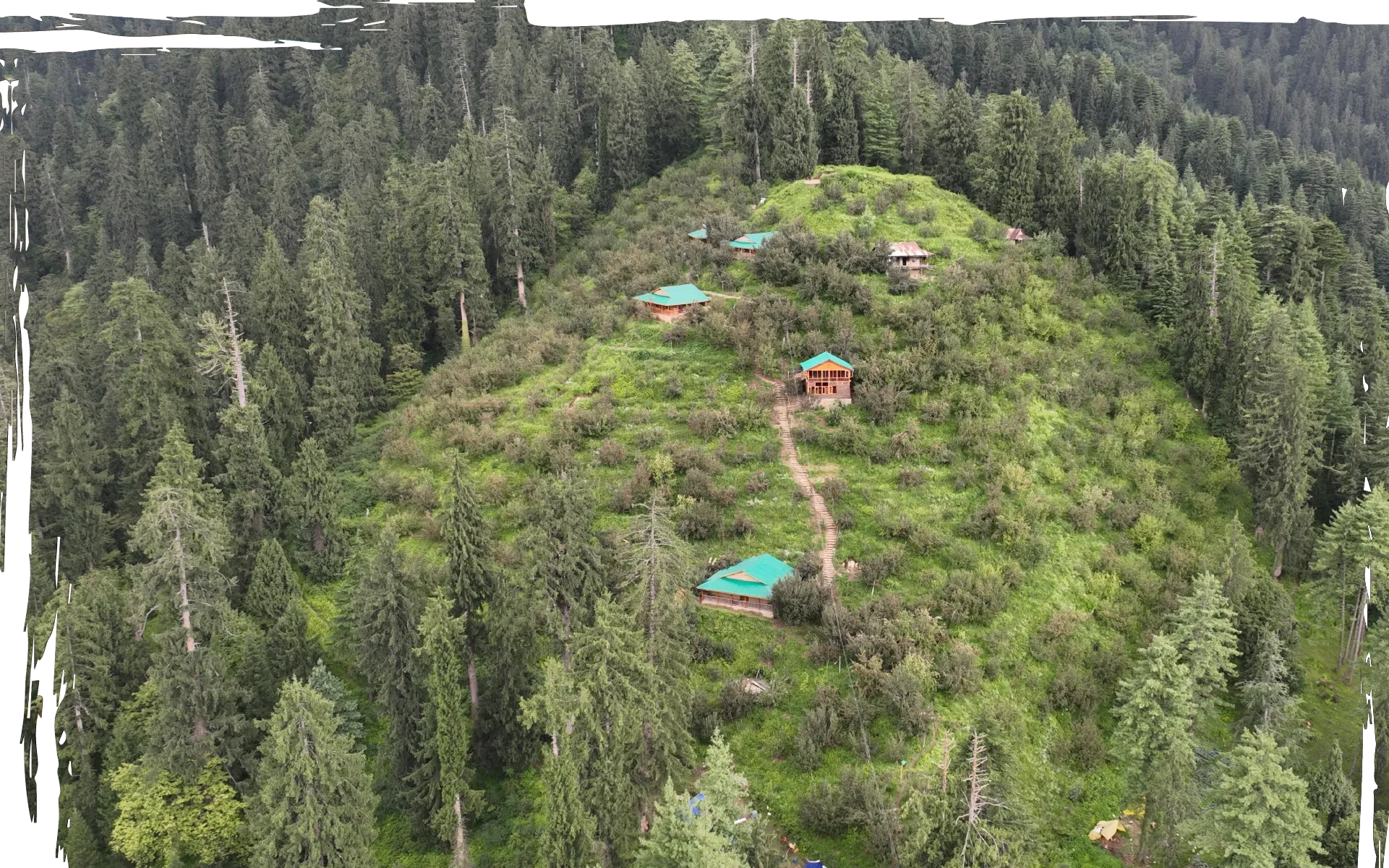
There are no commercial accommodation options inside the protected core of Khokhan Wildlife Sanctuary, which helps preserve its natural environment. Most travelers base themselves in Jogindarnagar or in nearby valley hamlets and villages where traditional mountain hospitality is available. Staying in these surrounding settlements allows you to explore the sanctuary during daytime hours while having comfortable lodgings to return to each evening.
A wide variety of riverside campsites, rustic cottages, and traditional village homestays in the area can be found on HireACamp. Booking through HireACamp offers the opportunity to connect with local hosts, enjoy home-cooked regional meals, and immerse yourself in the gentle rhythm of rural life in Himachal Pradesh while remaining close to the sanctuary trails.
Frequently asked questions
Where is Khokhan Wildlife Sanctuary located?
Khokhan Wildlife Sanctuary is situated in the rugged mountain terrain near Jogindarnagar in Himachal Pradesh, India.
What animals can be spotted in Khokhan Wildlife Sanctuary?
The sanctuary is home to Himalayan black bears, barking deer, musk deer, leopards, and diverse montane birds including the Himalayan monal and pheasants.
When is the best time to visit the sanctuary?
The best time to visit is during spring from April to June and autumn from September to November, when weather conditions are dry and pleasant for walking.
Are permits required to enter Khokhan Wildlife Sanctuary?
Permit requirements can vary based on the specific trails you intend to take, so it is recommended to check with local forest department authorities or local guides prior to setting out.
Can visitors stay overnight inside Khokhan Wildlife Sanctuary?
Overnight stays are generally not permitted within the sanctuary core to protect wildlife habitat, but camps, homestays, and guesthouses are accessible in nearby towns and villages on HireACamp.
Where you'll be
Jogindarnagar · 6 stays nearby shown with prices
Stays near Khokhan Wildlife Sanctuary
Book a place to stay close by
More places near Khokhan Wildlife Sanctuary
Within 20 km

Built from 0 Instagram posts by 0 creators. Every tip links back to the post it came from, and where creators disagree we show both sides.






