
Dehnasar Lake
Lake near Multhan, Himachal Pradesh
10 km from Multhan
The nearest town, for stays, food and fuel.
Dehnasar Lake is a high-altitude alpine lake resting at over four thousand metres in the Dhauladhar mountain range of Himachal Pradesh. Revered by local villagers and mountain pilgrims, the glacial lake is celebrated for its spiritual significance, stark ridgelines, and untouched alpine pastures. Hikers and nature lovers make the demanding trek to experience its pristine glacial waters and panoramic views of snow-bound peaks.
Getting there
By road
- From MulthanNearest town13 min · 5.7 km
- From Chandigarh5 hr 25 min · 226 km
- From Ludhiana5 hr 55 min · 266 km
- From Amritsar6 hr 45 min · 308 km
Typical drive times without traffic. Stations and airports from OLA Maps; distances and typical drive times from OpenStreetMap (© OpenStreetMap contributors); notes from creators' Reels.
About Dehnasar Lake
Written with AI from map data and general knowledge. Check prices and timings locally before you go.
About Dehnasar Lake
Dehnasar Lake, also called Dainasar Lake, is a sacred glacial body of water perched at an elevation of approximately 4,280 metres above sea level along the crest of the Dhauladhar range. Geographically positioned near the boundary of the Kangra and Mandi districts in Himachal Pradesh, the lake remains frozen beneath thick snow for the greater part of the year. During the late summer and monsoon months, the ice melts away to reveal a clear, deep-water expanse enclosed by towering stone ridges, scree slopes, and wildflower-strewn meadows.
The lake holds deep religious importance for the communities residing in the Chhota Bhangal and Uhl river valleys. Local devotees associate Dehnasar Lake with Lord Shiva and regional snake deities, believing that the waters possess sacred healing and purifying energies. Every year, around the auspicious festival of Bhadrapada in late August or September, pilgrims undertake the arduous climb across steep ridges to offer prayers and take a holy bath along the chilly stone banks of the lake.
The Trek to Dehnasar Lake
Reaching Dehnasar Lake requires a multi-day high-altitude trek that tests stamina, endurance, and navigation skills. The traditional and most popular trail begins from the village of Luhardi, which lies at the roadhead past Barot in the Uhl valley. From Luhardi, the path follows surging glacial streams, winding upward through dense forests of oak, pine, and deodar before climbing past shepherd encampments and open meadows known as thachs. Over the course of the ascent, the tree line recedes, giving way to rocky gullies, boulder fields, and steep alpine ridgelines.
Because the elevation gain is substantial, trekkers typically split the journey into stages, setting up intermediate wilderness camps along the way to acclimatise properly. The terrain demands constant care, especially across shifting moraine, exposed ledges, and remnant snow bridges that linger well into mid-summer. The sense of isolation along the trail is profound, offering uninterrupted views across the Dhauladhar and Pir Panjal ranges as you approach the final crest shielding the lake basin.
Read more
Best Time to Visit Dehnasar Lake
The window for undertaking the Dehnasar Lake trek is limited due to the harsh mountain weather and heavy winter snowfall. The ideal months to visit are between late July and early October. During late July and August, the snow retreats from the higher paths, and the alpine slopes burst into vibrant blooms of gentians, potentillas, and Himalayan wildflowers. Devotees also make their pilgrimage during August and September, bringing a sense of traditional festivity to the otherwise secluded trail.
By late September and October, monsoon clouds disperse completely, bringing crisp, clear days with sharp visibility across the surrounding peaks and deep blue skies overhead. However, night temperatures drop significantly below freezing during autumn, and the risk of early seasonal blizzards increases. Winter and spring are unsuitable for regular trekking, as the entire route is submerged under deep snow drifts, and high mountain passes remain closed.
How to Reach Dehnasar Lake
The journey to Dehnasar Lake generally starts by travelling to Barot or the neighbouring settlement of Luhardi in Mandi district. To reach Barot by air, travellers can fly into Kangra Airport near Gaggal in Dharamshala, from where road transport connects toward Palampur, Joginder Nagar, and the Uhl valley. The nearest major railway hub on the broad-gauge network is Pathankot, which links to northern cities across India, while the narrow-gauge heritage train connects Pathankot to Joginder Nagar.
From Delhi or Chandigarh, long-distance buses and private vehicles travel north toward Mandi or Joginder Nagar. From the Mandi or Palampur highways, secondary mountain roads divert into the scenic Uhl valley toward Barot and Luhardi. Once at the roadhead in Luhardi, all further movement toward the lake is strictly on foot. Travellers should check local mountain conditions and road access prior to departure, especially during the monsoon season when rains can disrupt rural hill routes.
Tips for Your Visit
Trekking to Dehnasar Lake requires thorough physical conditioning and careful preparation. Because you will be sleeping at high altitudes above four thousand metres, allowing adequate time for acclimatisation is critical to prevent acute mountain sickness. Drink plenty of water throughout the hike, climb at a steady pace, and never ascend aggressively without spending intermediate nights at lower camps.
Weather in the Dhauladhar range can shift rapidly from sunshine to thick mist, rain, or hail within an hour. Trekkers should carry high-grade windproof and waterproof outer layers, thermal innerwear, sturdy trekking boots with strong ankle support, and warm sleeping gear suitable for sub-zero temperatures. Because there are no commercial shops or permanent shelters above the last shepherd outposts, you must be entirely self-sufficient, carrying reliable tents, cooking stoves, basic first-aid supplies, and all required rations. Respect the sanctity of this high-altitude shrine by carrying back all plastic and waste, leaving the fragile alpine ecology unharmed.
Places to Visit Nearby
The valleys surrounding Dehnasar Lake offer an array of natural beauty and cultural heritage. Downstream in the Uhl valley, the quiet hamlet of Barot is well known for its riverside trails and angling waters along the Uhl river. Near the valley villages, scenic waterfalls such as Lapas Waterfalls cascade down forested granite cliffs, providing refreshing day walks for visitors.
Further south and west, the high ridgelines lead toward historic walking routes like Bhubbu Pass, which historically linked the Kangra and Kullu valleys. The surrounding lower hills house ancient places of worship, including the Dev Pashakot Mandir, Simsa Mata Temple, Mata Banderi Temple, and Baba Balakrupi Mandir. Crossing over the ridge toward the Kangra side brings travellers to the serene settlement of Bir, renowned for paragliding take-off sites at Billing, the peaceful Zabsang Choekhor Ling Monastery, and relaxed hillside cafes serving locally sourced mountain meals.
Where to Stay
On the mountain trail to Dehnasar Lake itself, there are no built guest houses or hotels; overnight accommodation is limited to self-supported wilderness camping beneath the open sky. Trekkers must pitch their own all-season tents at designated clearings used by shepherds along the route.
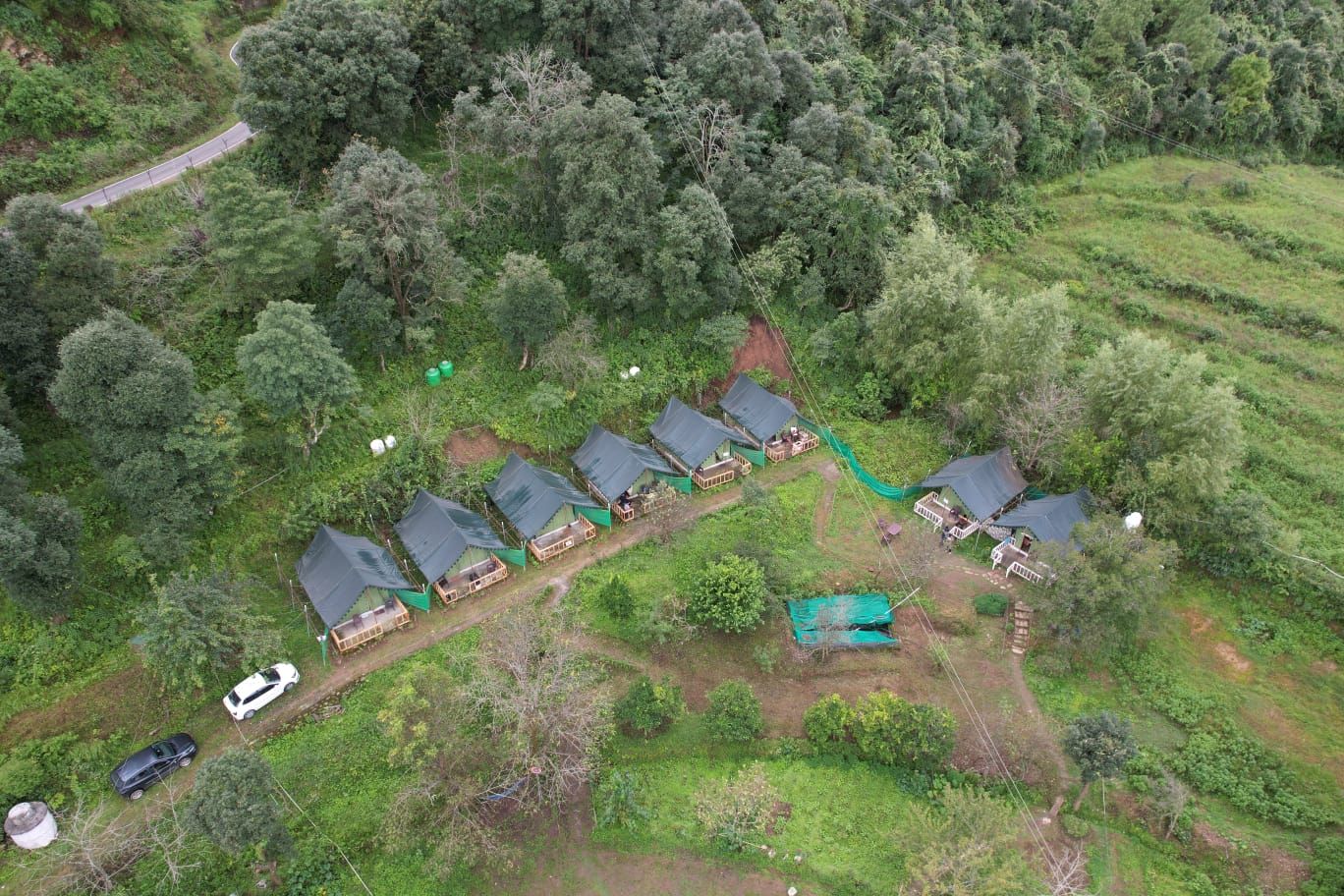
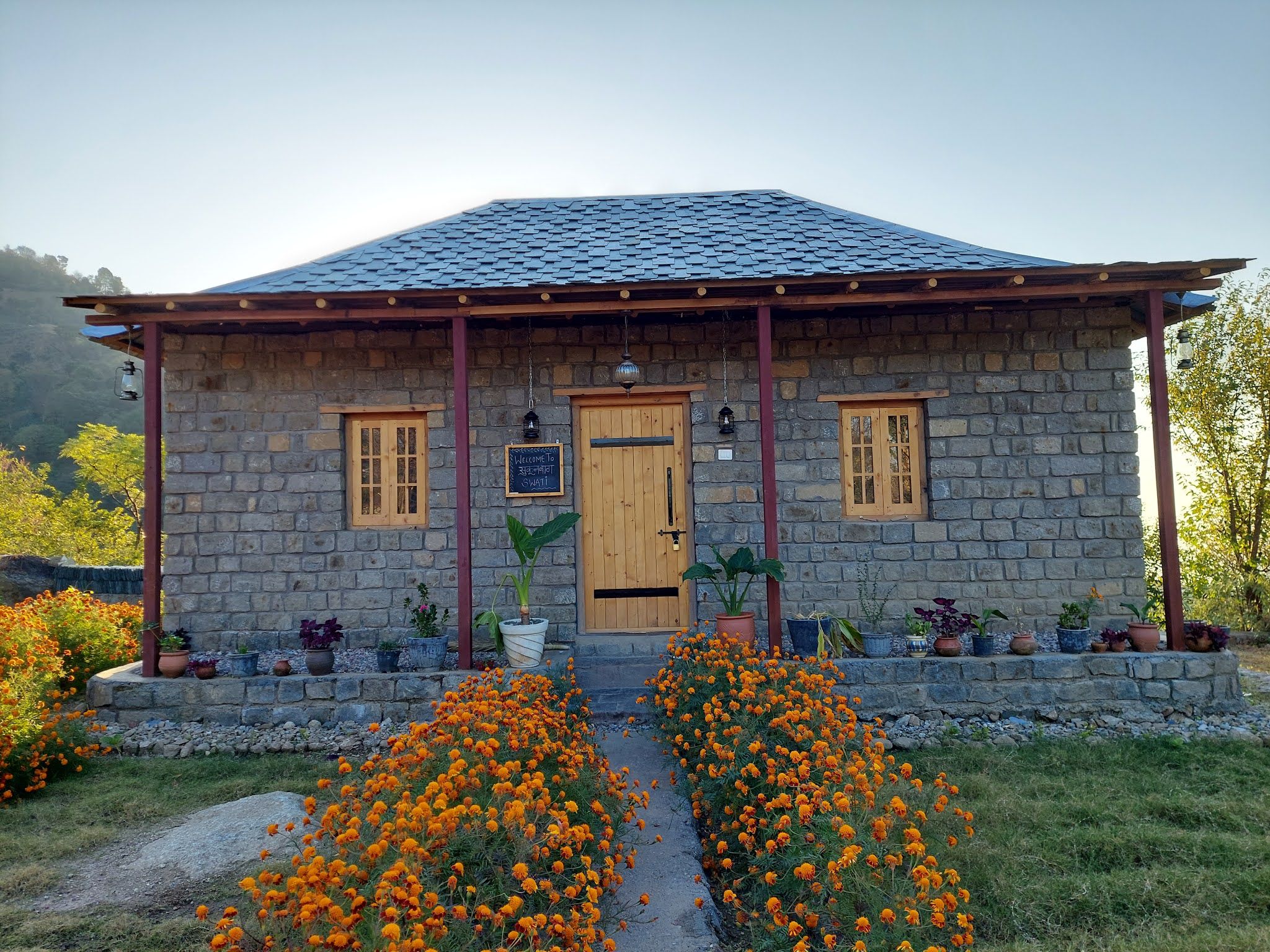
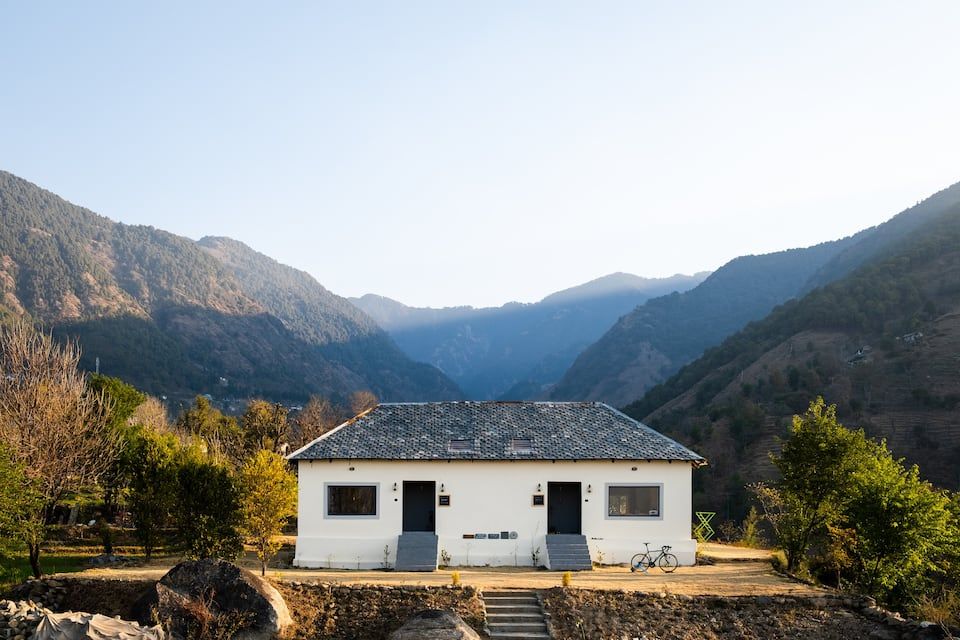
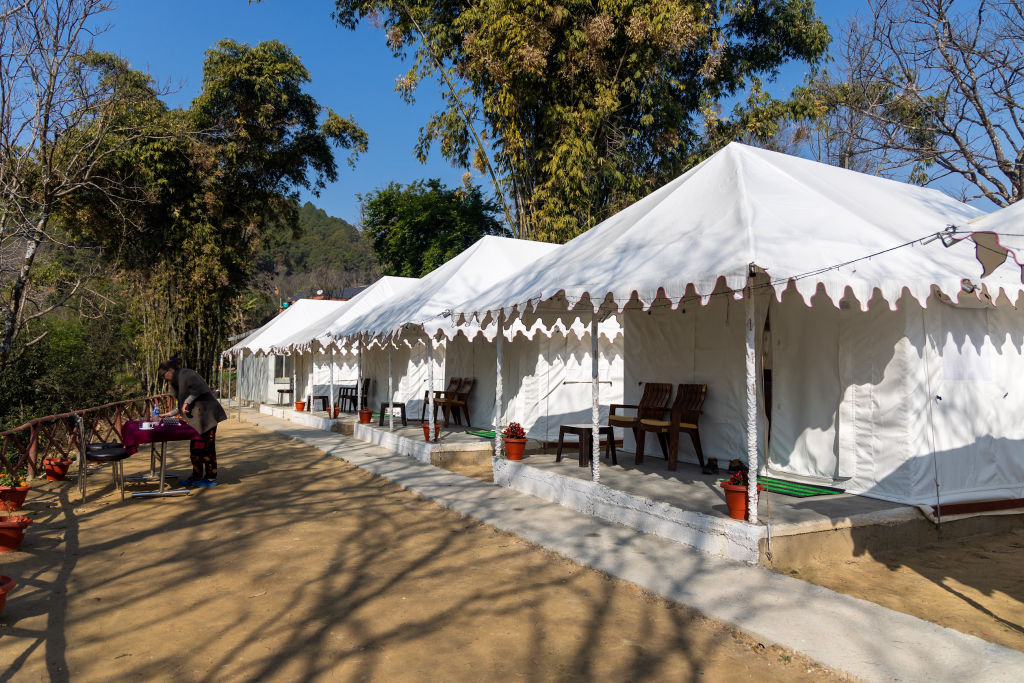
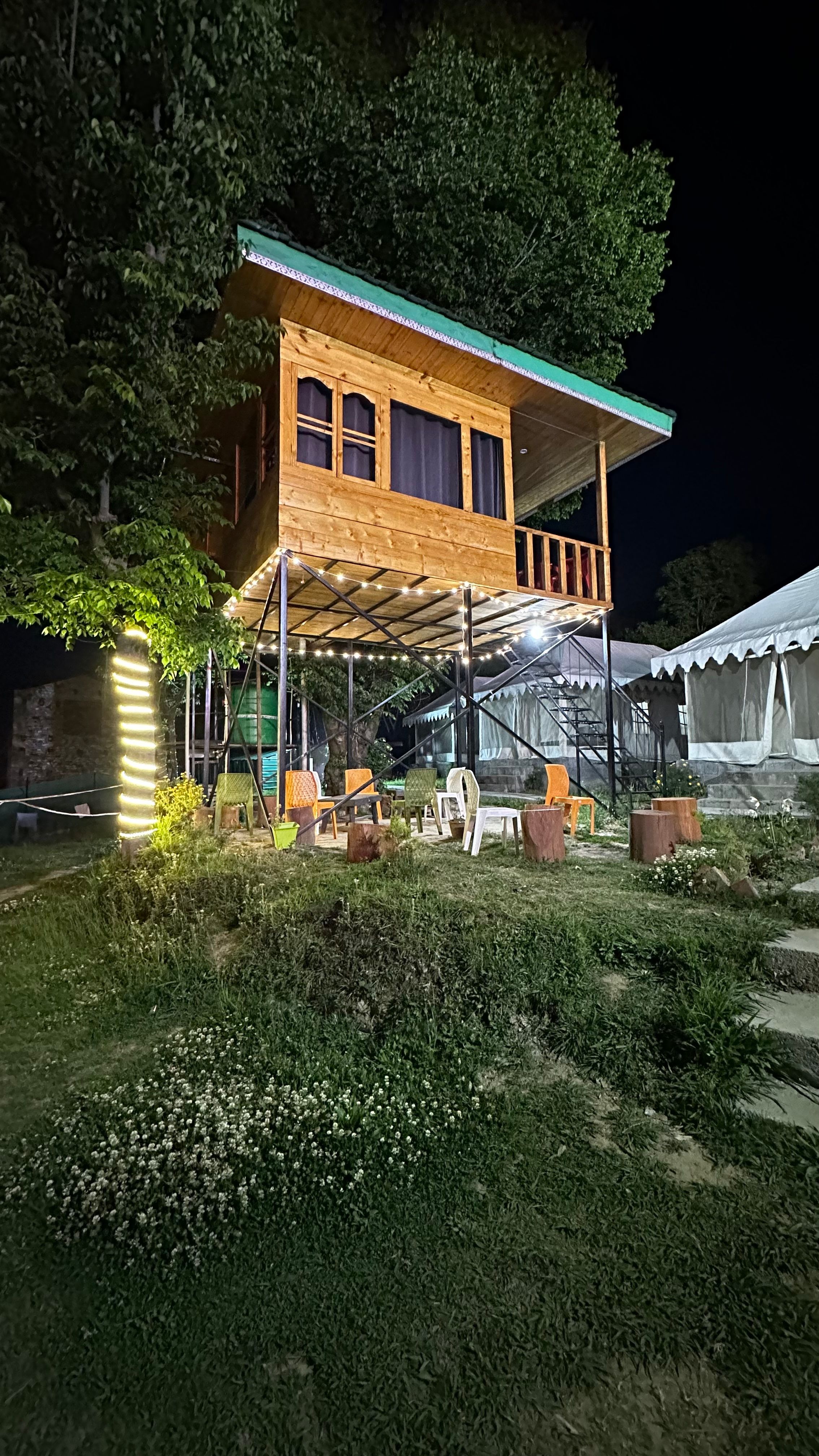
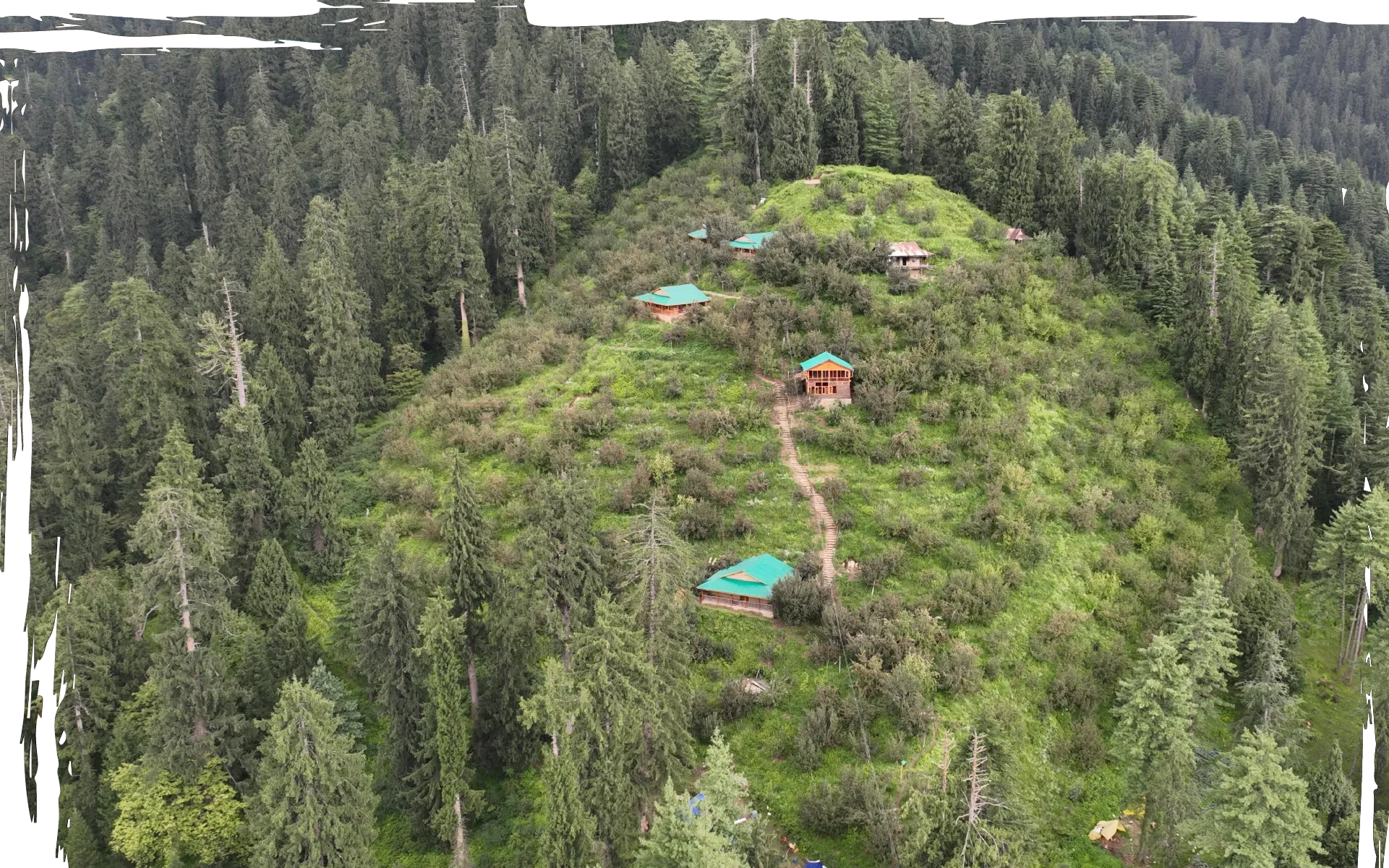
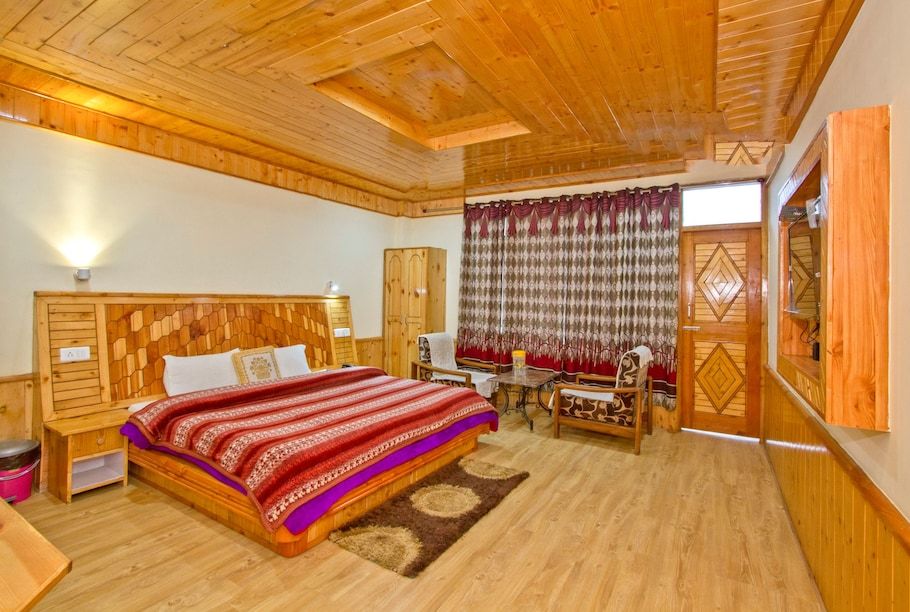
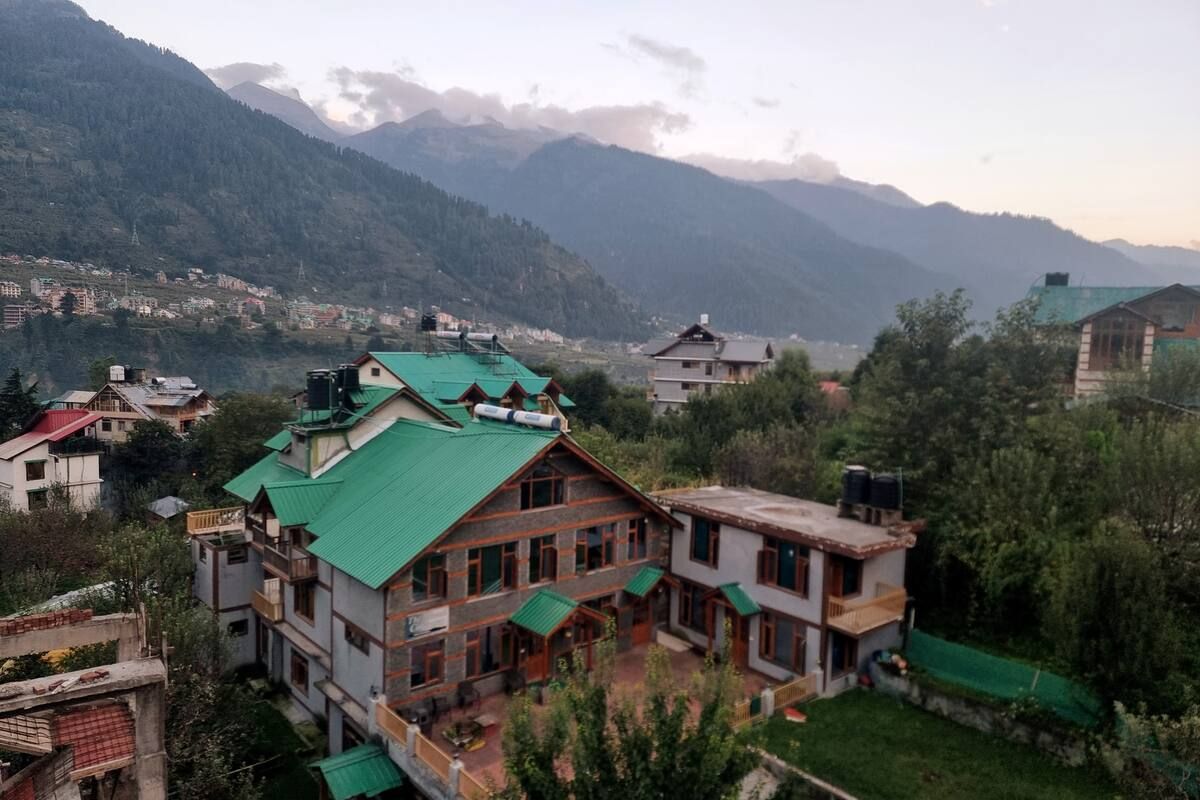
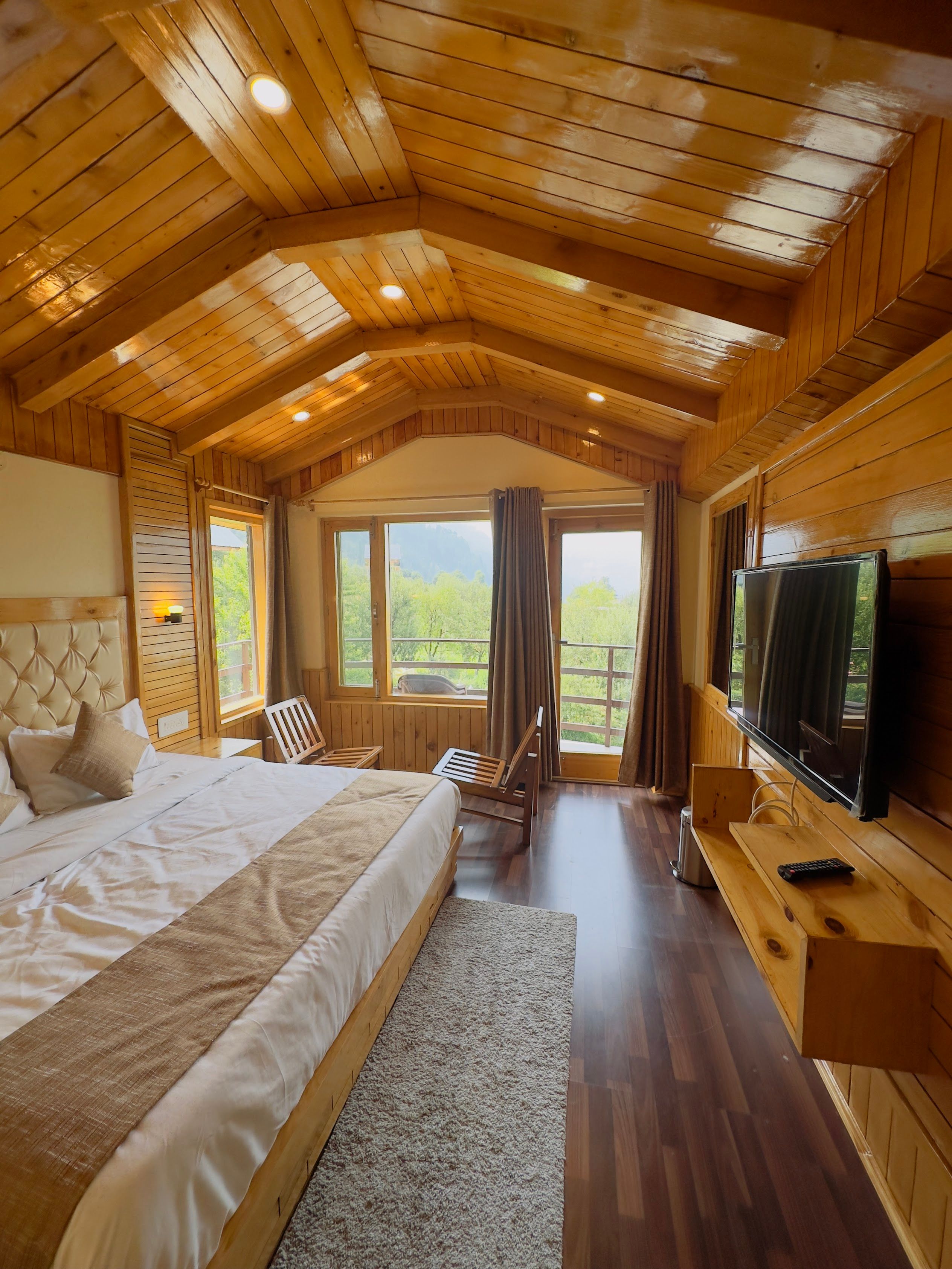
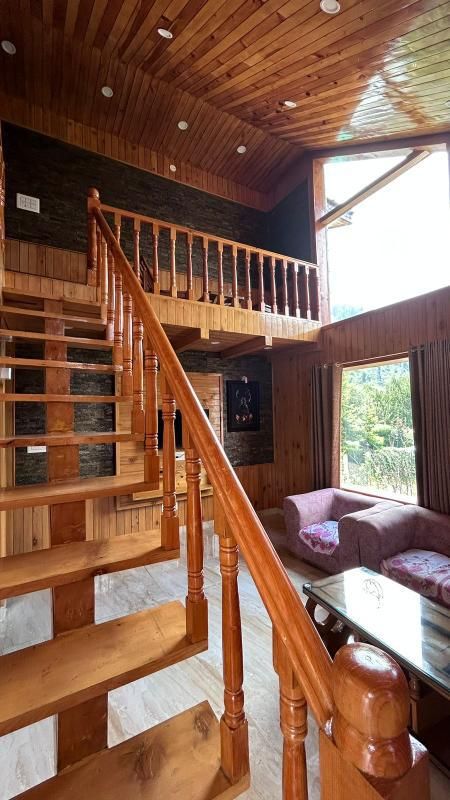
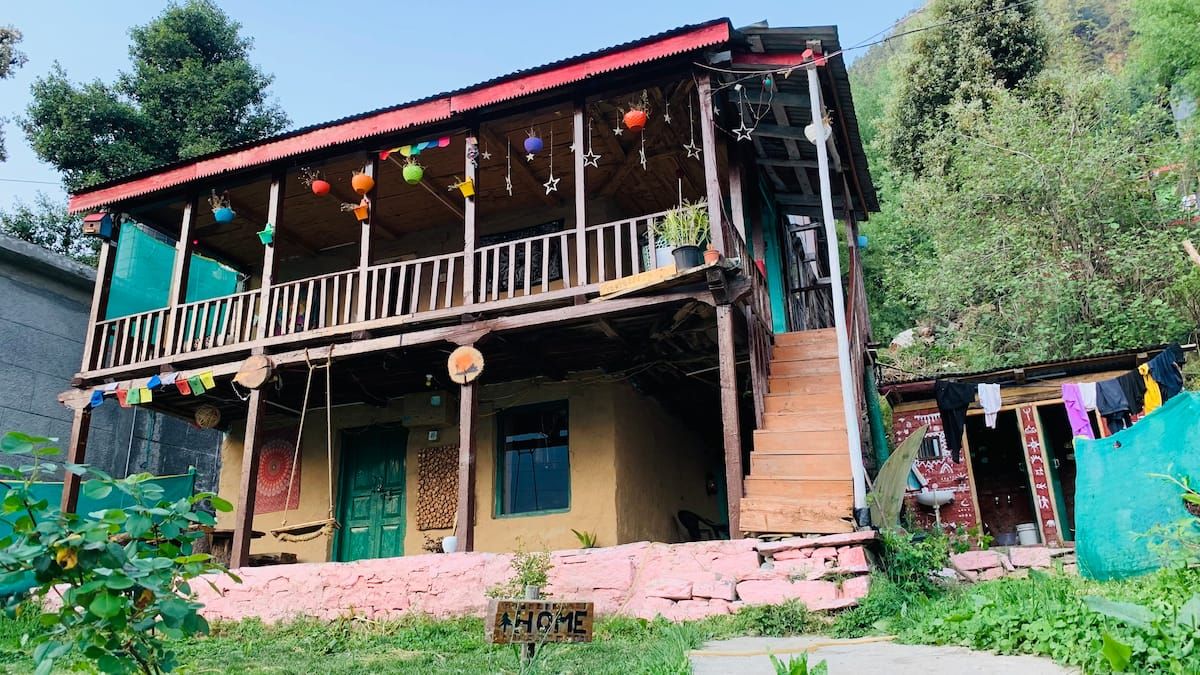
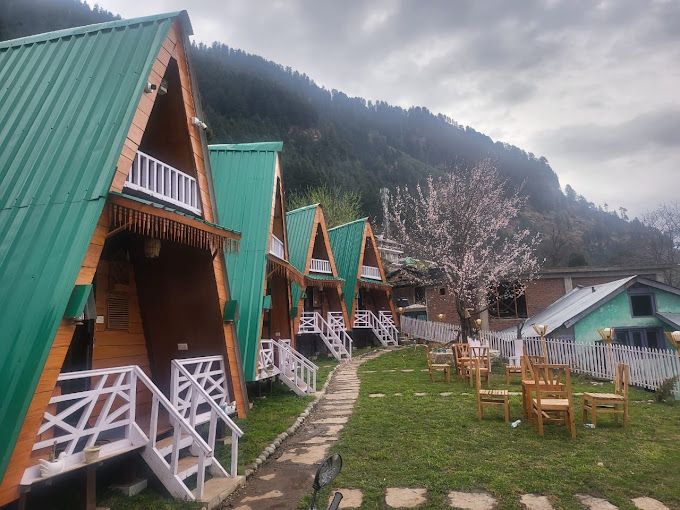
Before beginning the ascent or after returning from the trail, travellers typically stay in the settlements of Barot, Luhardi, or the broader Bir and Billing region. A wide variety of riverside campsites, rustic village homestays, and mountain cottages can be discovered and reserved through HireACamp. Staying with local hosts in these mountain hamlets offers comfortable hospitality, home-cooked regional food, and valuable first-hand advice on current route conditions.
Frequently asked questions
Where is Dehnasar Lake located?
Dehnasar Lake is situated high on the Dhauladhar range near the border of Kangra and Mandi districts in Himachal Pradesh, at an elevation of around 4,280 metres.
How difficult is the trek to Dehnasar Lake?
The trek is considered moderately difficult to strenuous due to the steep elevation gain, rugged rocky terrain, and the need for self-sufficient wilderness camping.
What is the best time of year to visit Dehnasar Lake?
The optimal period to visit is from late July to early October, when snow along the mountain passes has melted and the weather remains relatively stable.
Is Dehnasar Lake considered a holy site?
Yes, Dehnasar Lake is regarded as a sacred pilgrimage destination associated with Lord Shiva and local deities, where mountain devotees gather each year to offer prayers and take ritual baths.
Are there food stalls or accommodations along the Dehnasar Lake trail?
No, there are no commercial shops, eateries, or permanent guest houses on the upper trail, meaning trekkers must carry all their own camping equipment, food supplies, and warm gear.
Where you'll be
12 stays nearby shown with prices
Stays near Dehnasar Lake
Book a place to stay close by
More places near Dehnasar Lake
Within 20 km

Built from 0 Instagram posts by 0 creators. Every tip links back to the post it came from, and where creators disagree we show both sides.






