
Sari Pass
Peak near Multhan, Himachal Pradesh
9.7 km from Multhan
The nearest town, for stays, food and fuel.
Sari Pass is a rugged high-altitude mountain pass in Himachal Pradesh that links the lush valleys of the Kangra and Mandi regions with the Kullu Valley. Perched amidst the dramatic ridges of the Dhauladhar and Pir Panjal ranges, the pass attracts trekkers and nature enthusiasts seeking remote Himalayan wilderness. Crossing through dense alpine woodlands, sparkling streams, and sweeping high-altitude meadows, a journey to Sari Pass offers an authentic outdoor adventure far from crowded tourist trails.
Getting there
By road
- From MulthanNearest town3 hr 50 min · 155 km
- From Chandigarh5 hr 40 min · 250 km
- From Ludhiana6 hr 5 min · 279 km
- From Amritsar8 hr 10 min · 390 km
Typical drive times without traffic. Stations and airports from OLA Maps; distances and typical drive times from OpenStreetMap (© OpenStreetMap contributors); notes from creators' Reels.
About Sari Pass
Written with AI from map data and general knowledge. Check prices and timings locally before you go.
About Sari Pass
Sari Pass stands as a majestic mountain crossing nestled in the higher reaches of Himachal Pradesh, marking a natural transition between diverse Himalayan microclimates and cultural zones. The pass historically served as a high-altitude footpath connecting remote hamlets across adjoining valleys before modern highways altered mountain transit. Today, it remains an unspoiled sanctuary for avid trekkers who appreciate pristine mountain ecology and quiet trailheads.
Flanked by towering crags and the wilderness of the nearby Nargu Wildlife Sanctuary, the geographical setting of Sari Pass is both dramatic and tranquil. The higher ridges surrounding the pass offer expansive vantage points overlooking snow-dusted Himalayan peaks, deep river gorges, and expansive cedar forests that tumble down into the valleys below.
Trekking route and landscape of Sari Pass
The ascent to Sari Pass takes travellers through an ever-changing canvas of sub-alpine and alpine habitats. Lower sections of the trail wind through tranquil forests dominated by tall deodar, blue pine, and vibrant rhododendron trees that burst into shades of crimson and pink during springtime. Rushing mountain streams and hidden glades provide quiet resting spots for hikers as the gradient steadily increases.
As the trail climbs above the tree line, the dense canopy yields to rolling alpine meadows carpeted with wild grasses, seasonal herbs, and delicate alpine blooms. Closer to the summit ridge of Sari Pass, the landscape turns windswept and rocky, characterized by moraine deposits, patches of hard-packed snow, and jagged granite outcrops. Standing atop the pass, trekkers are rewarded with unobstructed 360-degree views across layered mountain ridges stretching to the distant horizon.
Read more
Best time to visit Sari Pass
The optimal period to trek to Sari Pass is during the pre-monsoon and post-monsoon months, specifically from mid-May through June and from September through late October. During late spring and early summer, the winter snows melt away to reveal flourishing green meadows, and daytime temperatures remain comfortable for walking under clear blue skies.
The monsoon months of July and August typically bring heavy rainfall to the outer ranges of Himachal Pradesh, creating hazards such as slippery trails, leeches, and the risk of landslides in the approach valleys. Trekking is generally discouraged during peak rains. Autumn arrives in September with crisp mountain air, stable atmospheric conditions, and exceptionally clear views of the distant peaks. By late November, winter sets in firmly, blanketing Sari Pass in deep snow and rendering the trail inaccessible to all except experienced mountaineers with specialized equipment.
How to reach Sari Pass
Sari Pass is accessed via trailheads located in the valley villages of Mandi and Kangra or from the adjacent Kullu district. Depending on the chosen route, trekkers usually establish base camps in nearby rural settlements or valley outposts before commencing the trek. The access roads to these starting villages connect to broader state highways leading from major transit hubs in Himachal Pradesh.
Travellers arriving by air can fly into Kangra Airport at Gaggal or Kullu-Manali Airport at Bhuntar, both of which serve regional domestic flights. From the airports, private taxis and local buses travel toward the base villages. If travelling by rail, the closest broad-gauge railway stations are located in Pathankot and Una, connected by road to Himachal's interior. Regular long-distance state transport buses and private coaches also operate between Delhi, Chandigarh, and gateway towns such as Mandi, Palampur, and Kullu.
Places to visit around Sari Pass
The region surrounding Sari Pass is filled with natural wonders and sacred mountain landmarks. Just a short straight-line distance away lies the Nargu Wildlife Sanctuary, an ecologically diverse reserve known for its dense temperate broadleaf forests and indigenous Himalayan wildlife, including monals, barking deer, and black bears. Nature lovers often combine trips to the area with a visit to the cascading Lapas Waterfalls nestled in the neighbouring forested glen.
Another renowned crossing in the vicinity is Bhubbu Pass, an ancient ridge route rich in local legend and historical lore. The lower valleys are dotted with revered spiritual sites that reflect the region's deep temple traditions, such as Dev Pashakot Mandir, Baba Balakrupi Mandir, Mata Banderi Temple, and Simsa Mata Temple. Down in the valley settlements, travellers can also explore peaceful Buddhist sanctuaries like Zabsang Choekhor Ling Monastery and historic village shrines like Bhekhli Mata Mandir.
Tips for trekking Sari Pass
Trekking up to Sari Pass involves substantial elevation gain, so proper physical fitness and gradual acclimatization are essential for an enjoyable journey. Hikers should ensure they spend adequate time at intermediate altitudes before attempting the final ascent over the pass. Sturdy, broken-in trekking boots with good ankle support and gripping soles are indispensable for the uneven trails and rocky scree.
Mountain weather is notoriously fickle, meaning warm layered clothing, a windproof and waterproof outer shell, and sun protection are mandatory regardless of the season. Because this is an undeveloped backcountry route without permanent supply shops along the higher ridges, carry sufficient drinking water, high-energy snacks, a comprehensive first-aid kit, and dependable navigation tools. Employing a local guide is strongly recommended to assist with route finding and understanding changing local weather patterns.
Where to stay near Sari Pass
Because Sari Pass sits along a remote mountain trail, high-altitude accommodation along the route itself consists strictly of wilderness tent camping on designated clearings and pasture grounds. Trekkers venturing across the pass must carry self-sufficient camping equipment or trek with an organised party that manages tents, sleeping systems, and camp cooking.
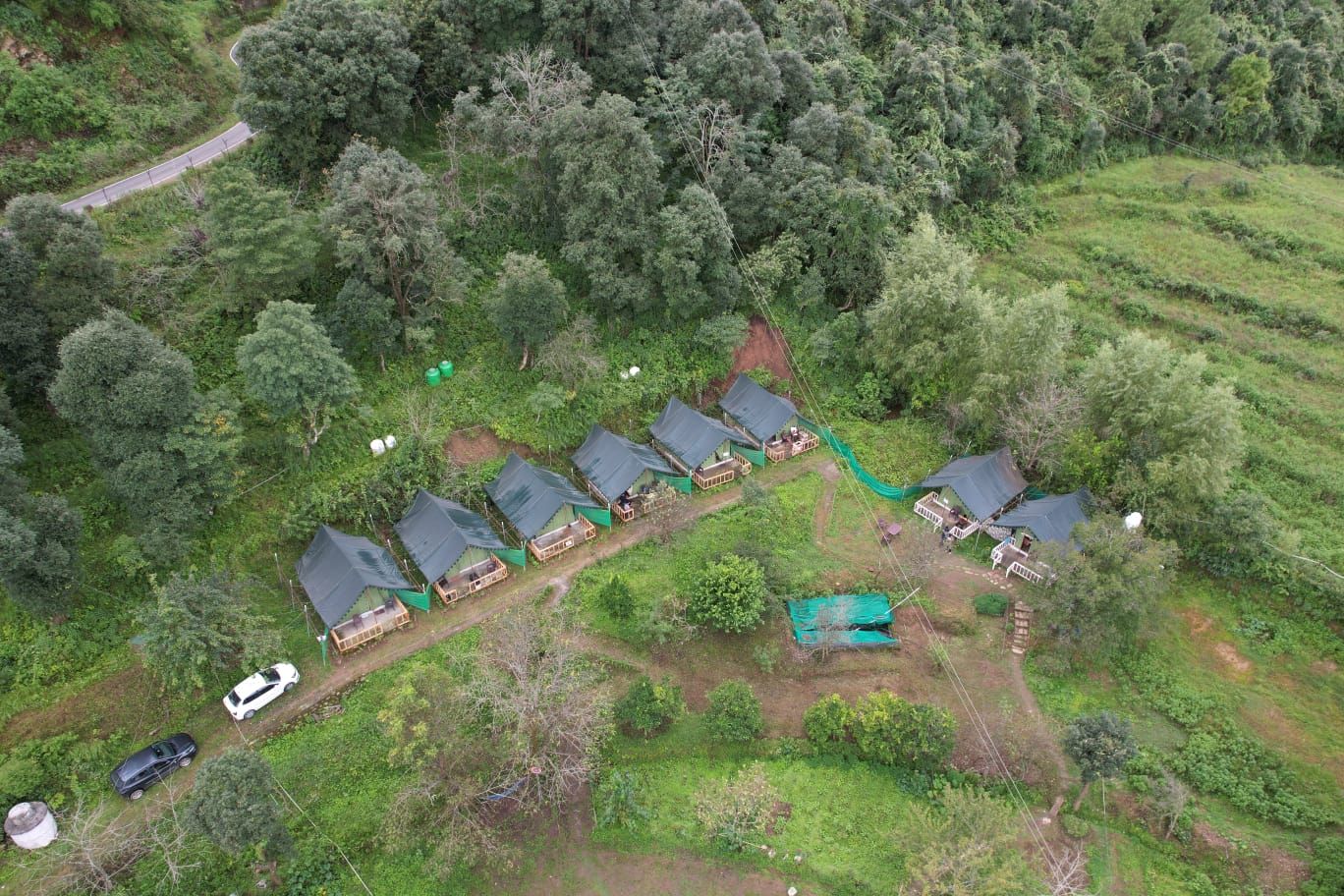
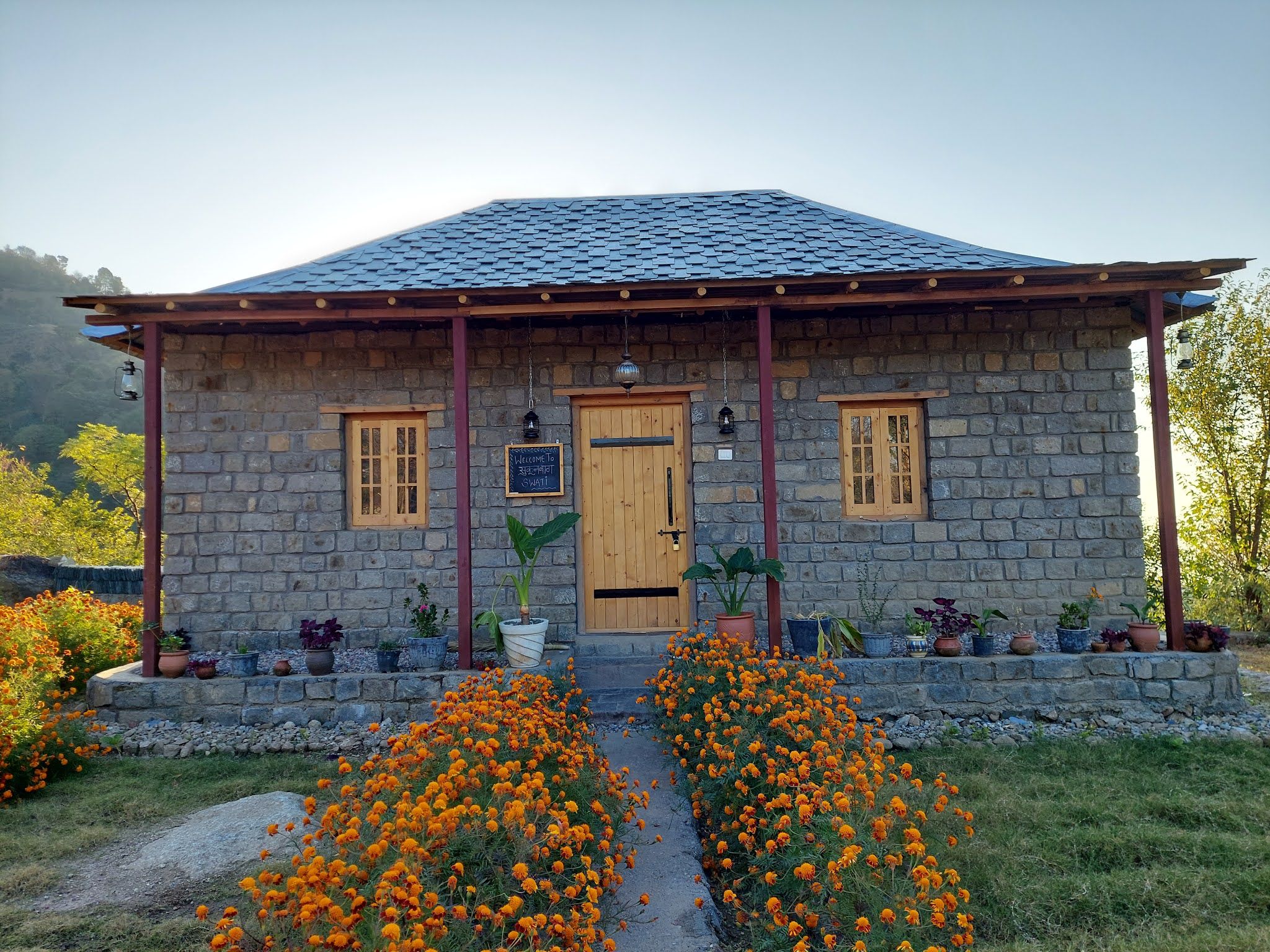
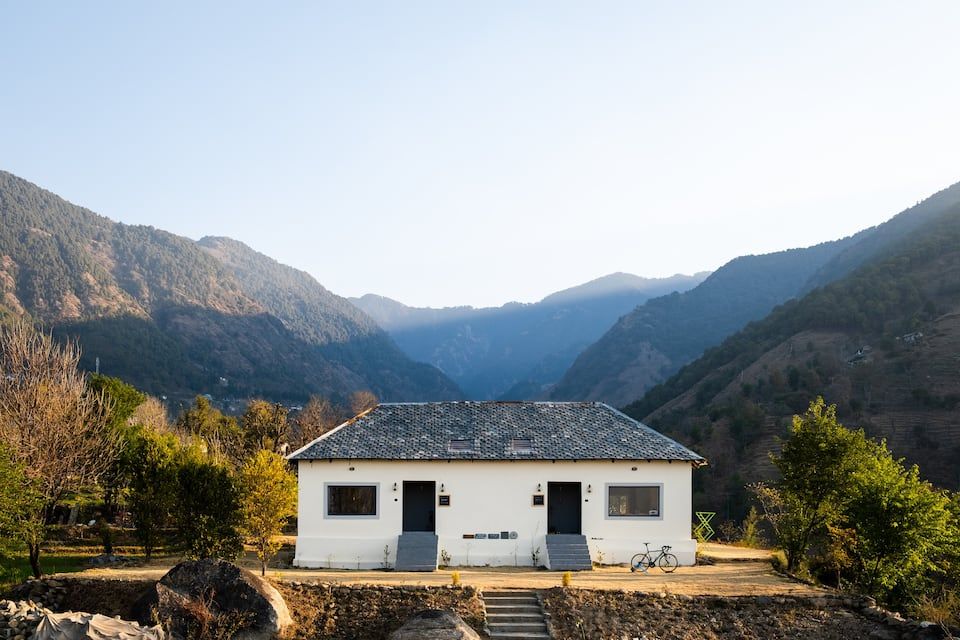
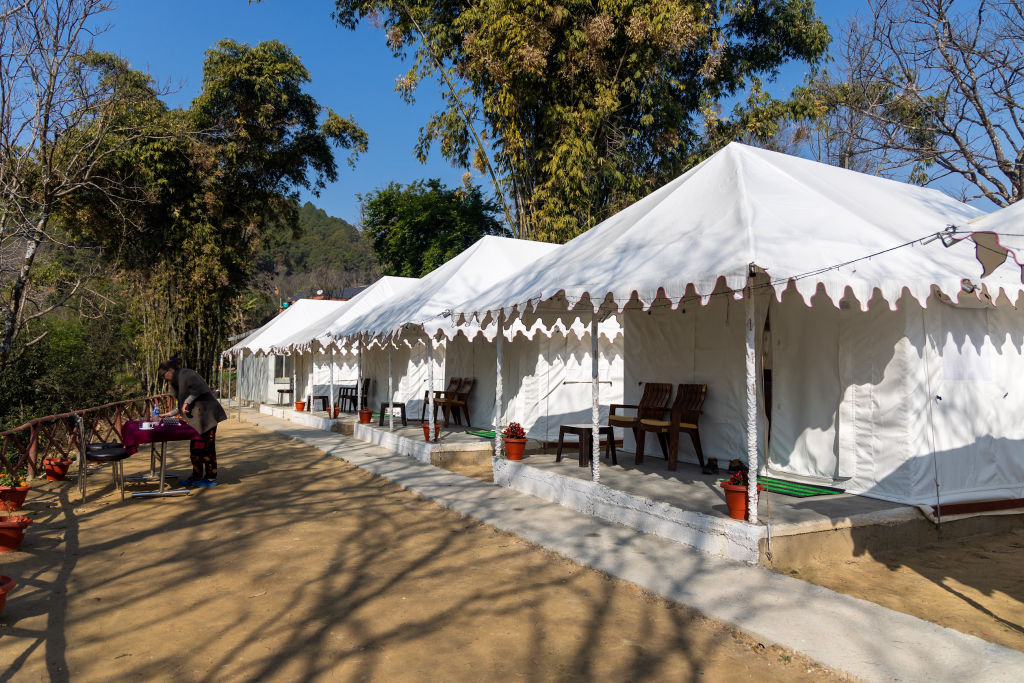
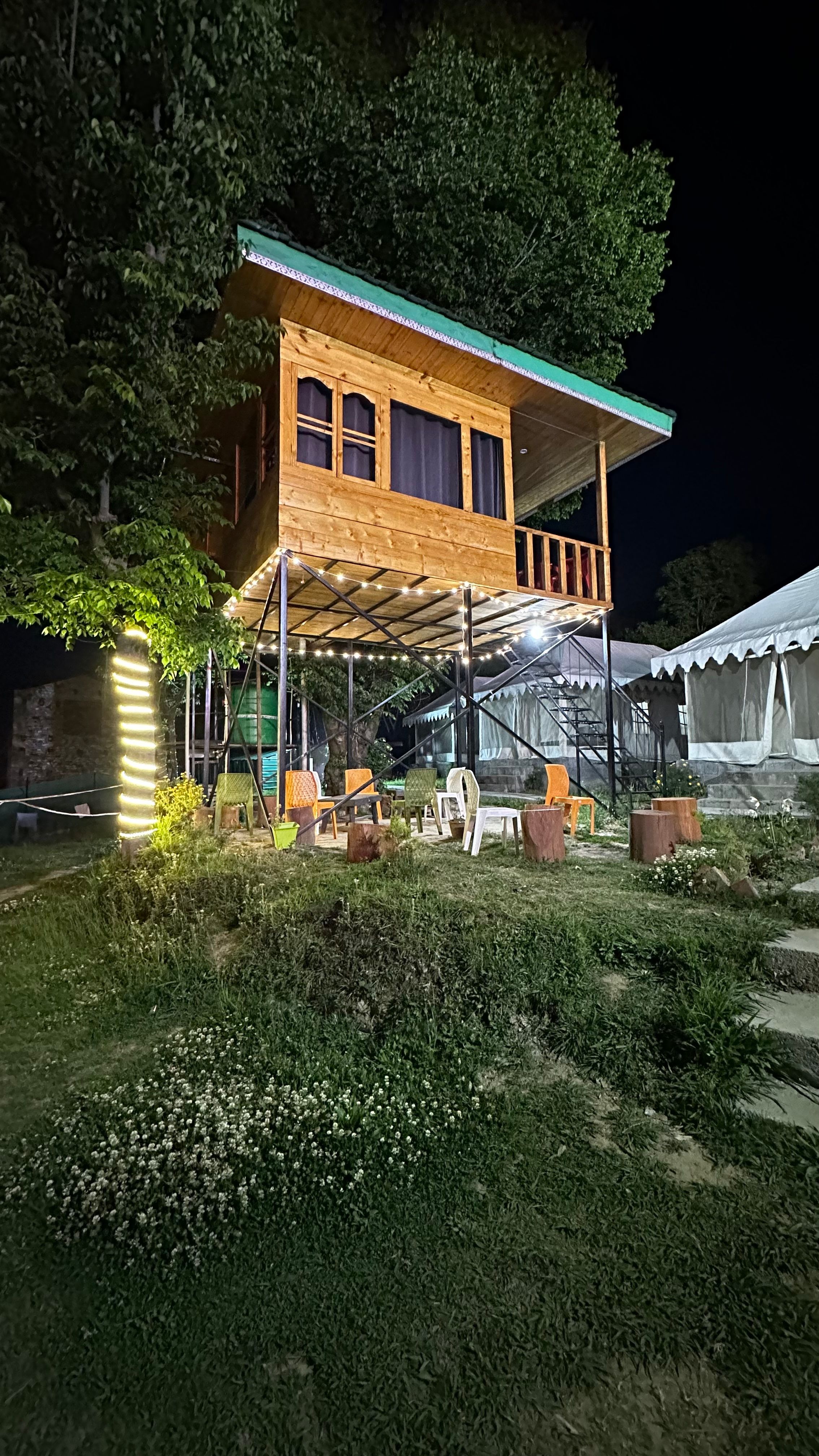
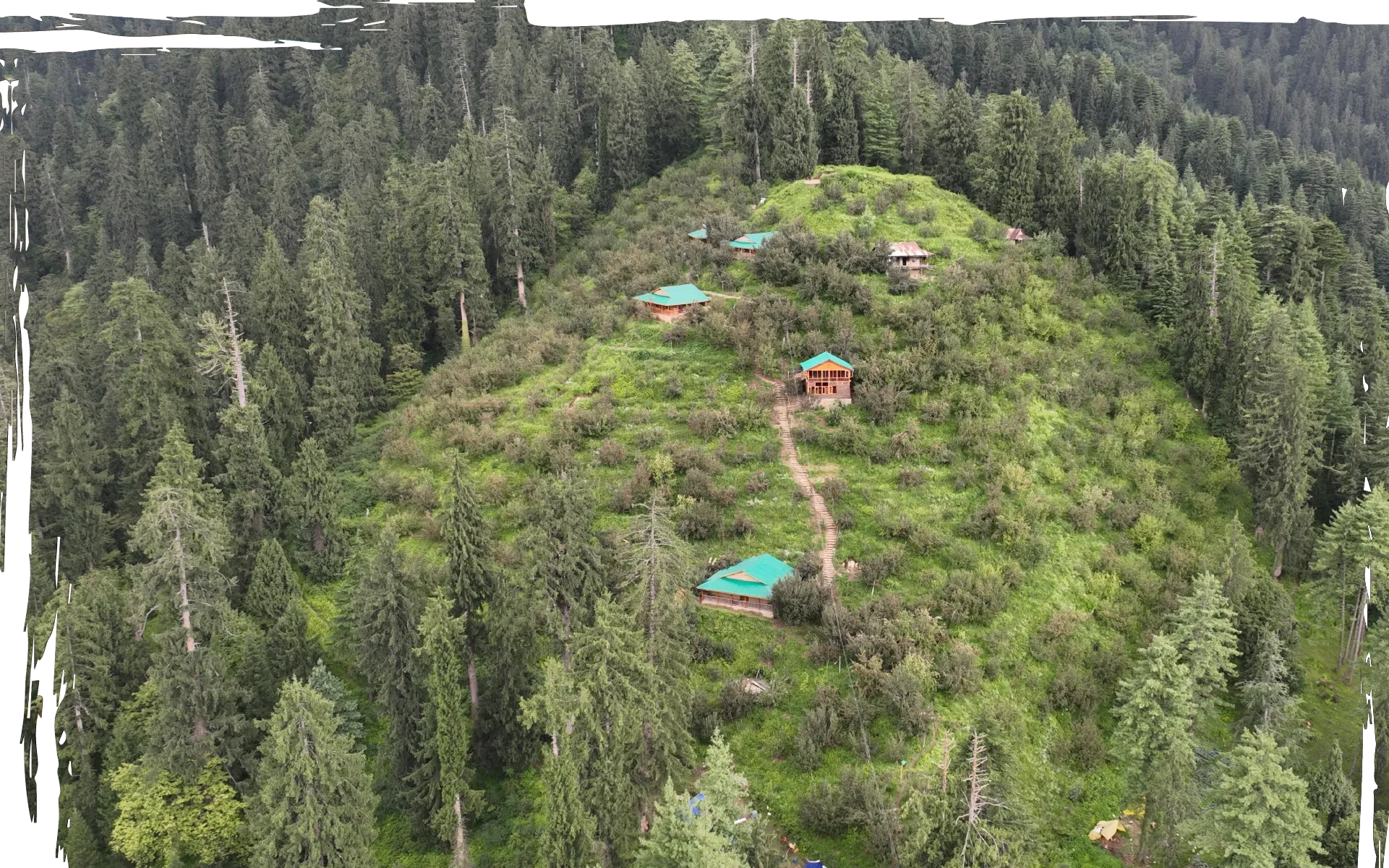
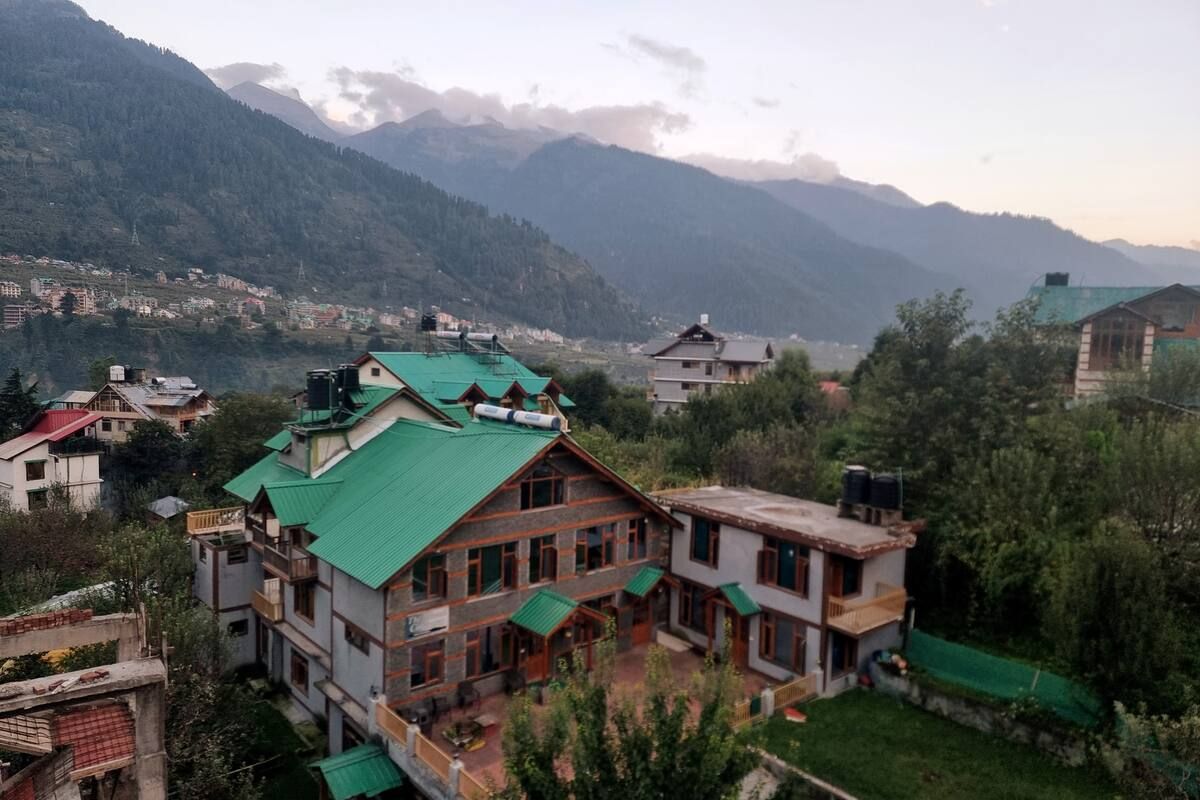
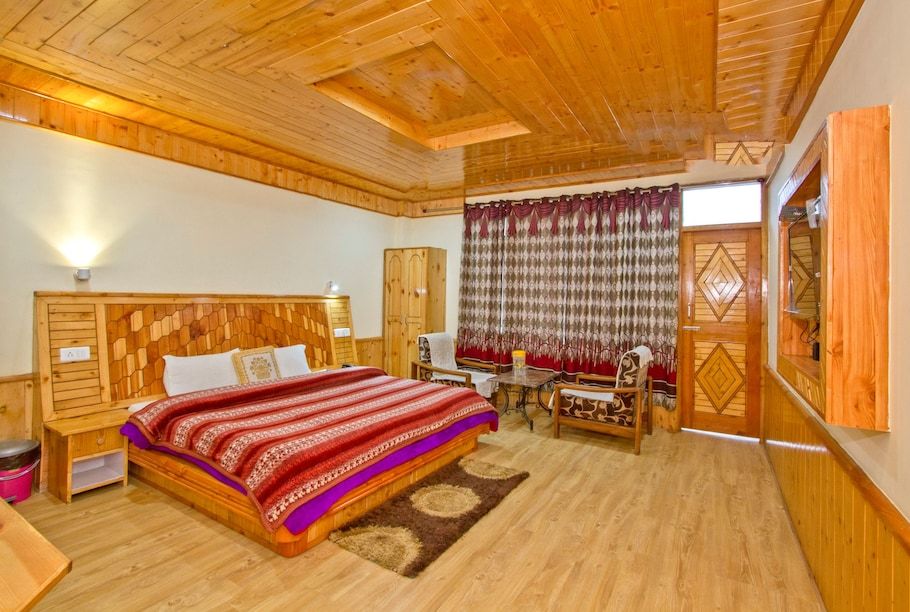
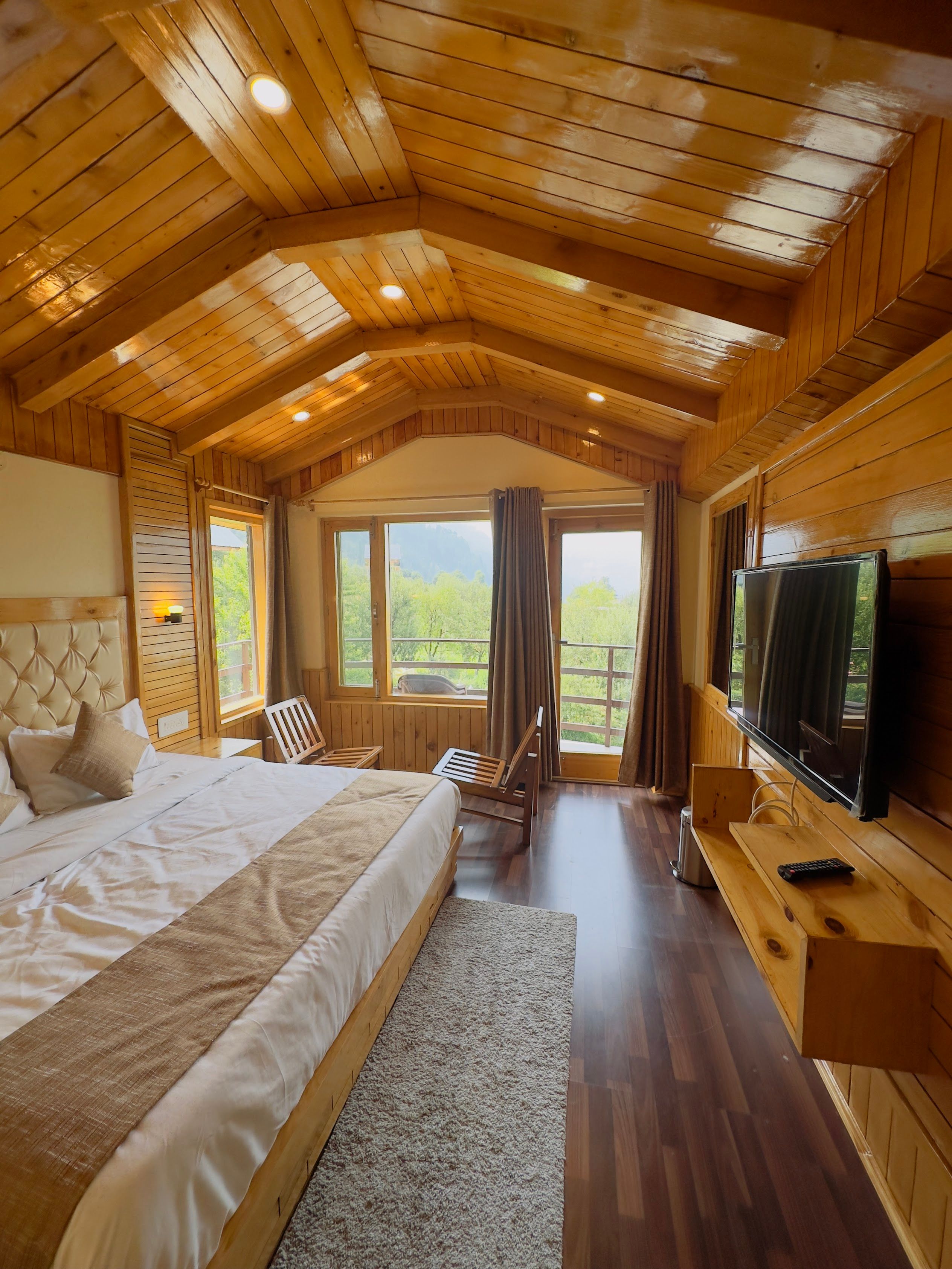
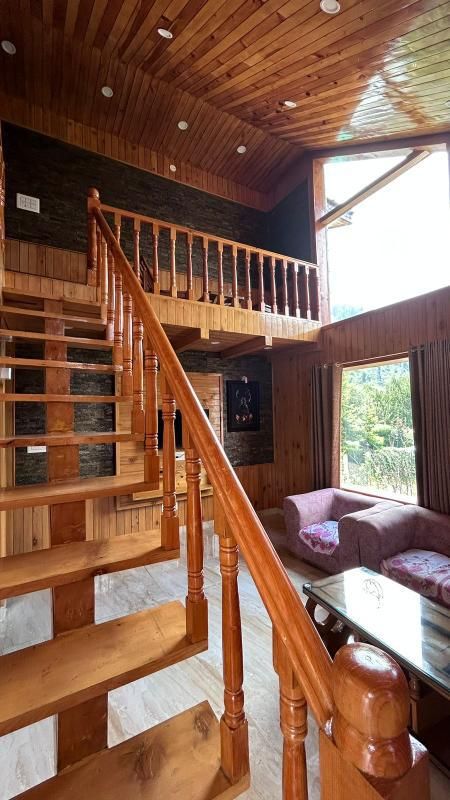
In the base villages and valley gateways that mark the start and end of the trekking route, travellers will find welcoming homestays, rustic guesthouses, and established riverside campsites run by local hosts. Stays near Sari Pass, ranging from valley homestays to experiential tented camps, can be explored and booked on HireACamp.
Frequently asked questions
What is the difficulty level of the Sari Pass trek?
The trek across Sari Pass is generally considered moderate to strenuous due to steep climbs, rugged terrain, and higher elevations. A good baseline of cardiovascular fitness and prior hiking experience are strongly recommended.
Do I need a guide to cross Sari Pass?
Hiring an experienced local guide is highly recommended, as the trail winds through remote forest tracts and unmarked alpine terrain where sudden weather shifts can obscure the path.
Is Sari Pass open during winter?
Sari Pass remains closed to regular trekkers during the peak winter months from December to April due to heavy snowfall, freezing conditions, and avalanche risks along the upper slopes.
What wildlife lives near Sari Pass?
The surrounding ridges and the adjacent Nargu Wildlife Sanctuary host Himalayan black bears, musk deer, barking deer, flying squirrels, and vivid pheasants like the Himalayan monal.
Where can I book accommodation near Sari Pass?
You can find and book vetted homestays, traditional village lodgings, and scenic campsites in the gateway valleys surrounding Sari Pass on HireACamp.
Where you'll be
Himachal Pradesh · 10 stays nearby shown with prices
Stays near Sari Pass
Book a place to stay close by
More places near Sari Pass
Within 20 km

Built from 0 Instagram posts by 0 creators. Every tip links back to the post it came from, and where creators disagree we show both sides.






