
Labrang
Destination in Himachal Pradesh
Labrang is a quiet mountain settlement tucked away in the rugged highlands of the Kinnaur district in Himachal Pradesh. Set high above the valleys shaped by Himalayan rivers, the village is known for its traditional wooden and stone architecture, peaceful orchards, and dramatic views of glaciated peaks. Travellers journey here to escape the busier tourist circuits, immerse themselves in Kinnauri culture, and use the area as a scenic base for exploring upper Himachal Pradesh.
Getting there
By road
- From Chandigarh7 hr 35 min · 369 km
- From Ludhiana9 hr 30 min · 471 km
- From Dehradun9 hr 40 min · 486 km
- From New Delhi12 hr 10 min · 659 km
Typical drive times without traffic. Stations and airports from OLA Maps; distances and typical drive times from OpenStreetMap (© OpenStreetMap contributors); notes from creators' Reels.
About Labrang
Written with AI from map data and general knowledge. Check prices and timings locally before you go.
About Labrang and its Mountain Setting
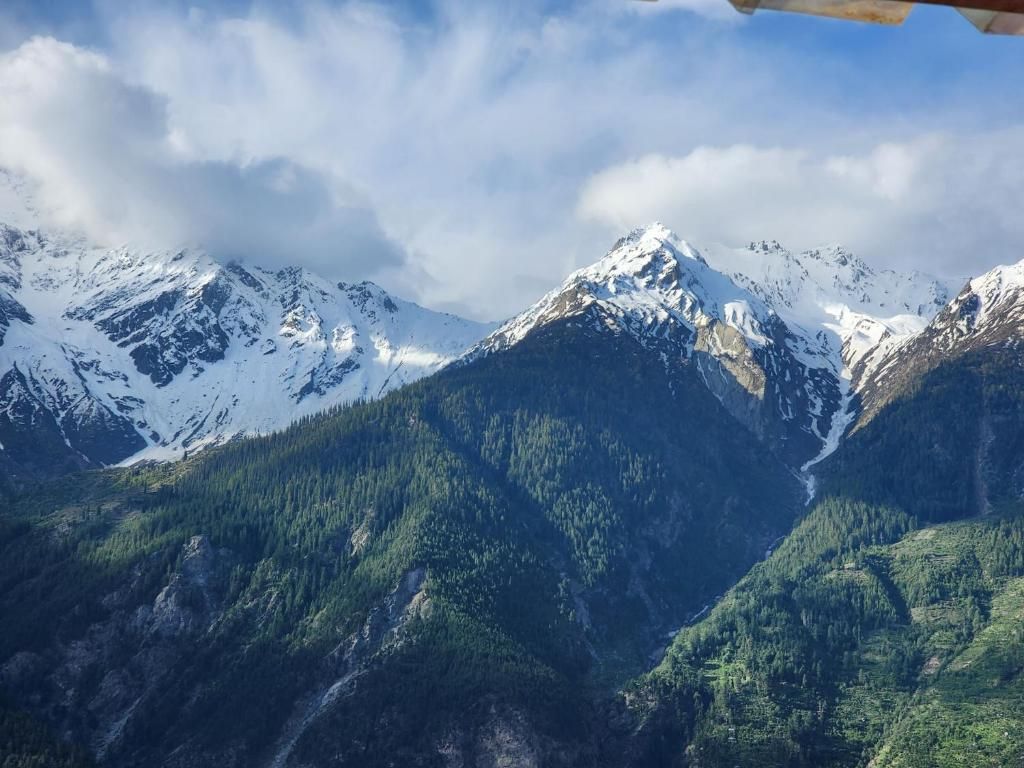
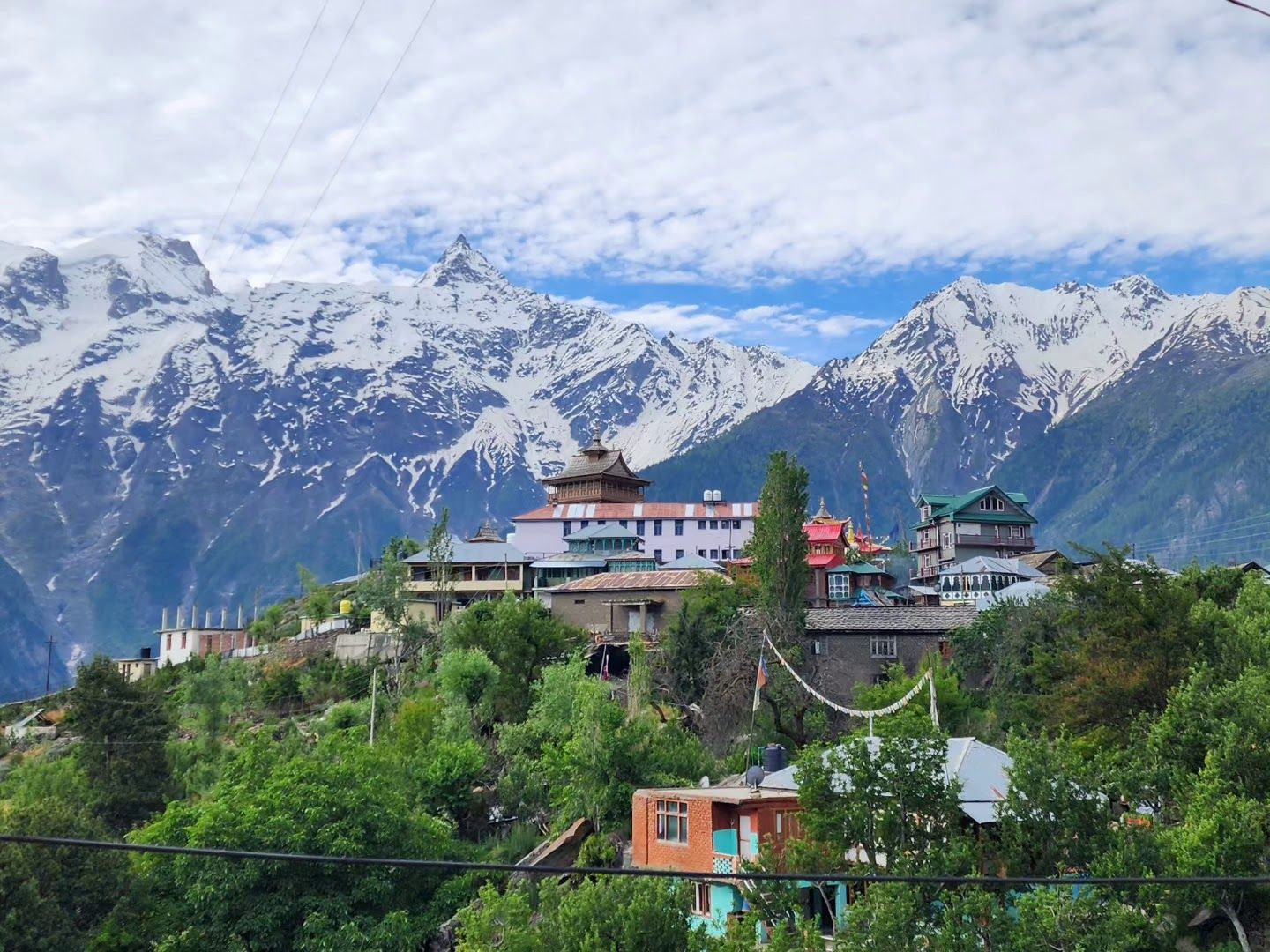
Labrang occupies a striking location in the high mountain country of Kinnaur, perched in the transition zone between lush alpine valleys and the arid slopes of the inner Himalayas. The landscape around the village is characterized by steep cliff faces, terraced hillsides, and sweeping views across the Satluj river basin. In the distance, prominent massifs such as Jorkanden and the revered Kinnaur Kailash range punctuate the skyline with permanent snowfields and razor-sharp ridges.
The settlement reflects the distinctive lifestyle of upper Kinnaur, where life flows with the rhythms of farming, pastoral traditions, and regional festivities. Houses here are constructed using time-tested Kath-Kuni architectural principles, where thick layers of chiseled stone alternate with heavy timber beams to create structures that can withstand seasonal seismic activity and harsh winter chills. Walking through the village offers an immediate look into local customs, where intricately carved wooden verandas and slate roofs define the village skyline.
Things to do in Labrang
A visit to Labrang revolves around slow travel, cultural appreciation, and unhurried outdoor exploration. One of the best ways to spend your time is simply wandering through the village lanes. As you walk, you will encounter historic tower-like structures, traditional granaries, and shrines that showcase Kinnauri craftsmanship. The locals are known for their warm hospitality, and conversing with elders offers valuable perspective on how high-altitude communities have adapted to this demanding environment across generations.
Nature enthusiasts will enjoy taking gentle walks along the footpaths that skirt the village orchards. Depending on the time of year, these trails pass beneath canopy laden with apple, apricot, and walnut blossoms or fruit. The elevation and clear atmosphere make Labrang an exceptional place for landscape photography and stargazing. Once the sun dips behind the western ridges, the peaks glow with shifting shades of amber before giving way to completely unpolluted night skies with clear views of the Milky Way.
Read more
Places to explore around Labrang
Labrang serves as a gateway to several prominent natural and cultural landmarks scattered across the wider Kinnaur region. A short drive down and across the valley leads toward Kalpa, a famous village surrounded by pine forests that offers unobstructed, front-row views of the sacred Kinnaur Kailash peak. Kalpa is also well known for its heritage quarter and tranquil mountain viewpoints.
Further south lies the picturesque Sangla Valley, carved by the waters of the Baspa River. This area is home to historic settlements such as Kamru Village, famed for the towering Kamru Fort and the ornate Badri Vishal Ji Temple. Travellers interested in river walks and day trekking can head upstream along the Baspa River toward Rakchham and Chitkul, where trails wind through birch groves, boulder fields, and wide riverside meadows. Infrastructure projects like the Karcham Dam along the main highway also present a fascinating look at how major rivers are channeled through deep Himalayan gorges.
Best time to visit Labrang
The ideal time to visit Labrang depends largely on the kind of experience you are seeking. Spring, running from April through May, brings pleasant daytime temperatures, blossoming fruit trees, and snow still thick on the surrounding summits. This is a quiet, refreshing season ideal for leisurely walks and photography.
Summer from June to August provides comfortable weather and access to high-altitude routes. While lower parts of Himachal Pradesh experience heavy monsoon downpours during July and August, Kinnaur often receives lighter precipitation due to its location behind front-range rain shadows, though road conditions along the approach should always be monitored.
Autumn, from September through late October, is arguably the most visually striking season. The weather turns crisp and clear, the mountain skies remain deep blue, and the orchards are heavy with red apples against golden foliage. Winter, from December to March, is intensely cold with frequent snowfall that can isolate villages and freeze local water supplies, appealing mainly to seasoned winter travellers prepared for sub-zero conditions.
How to reach Labrang
Reaching Labrang requires a scenic journey through the Himalayan mountains via the Hindustan-Tibet Road on National Highway 5. Most travellers travel by road from major transit hubs such as Chandigarh or Shimla. From Shimla, the route winds through Narkanda, Rampur Bushahr, and Jeori before entering Kinnaur along the deep gorge cut by the Satluj River.
The nearest major administrative and transport center is Reckong Peo. Regular government buses and private shared taxis link Reckong Peo with Shimla and Chandigarh, as well as with outlying villages throughout the district. From Reckong Peo or nearby crossroads, local transport and private taxis are available to navigate the final mountain roads leading up to Labrang. Mountain roads can experience delays due to rockfall or seasonal repairs, so travellers should plan generous travel buffers.
Travel tips for your visit
Because Labrang sits at a significant altitude, it is important to take acclimatization seriously. Spend your first day resting and staying hydrated rather than engaging in strenuous uphill hikes. Even during the summer months, temperatures drop sharply after sunset, so carrying woollen layers, thermal wear, and a windproof jacket is essential year-round.
Connectivity in higher parts of Kinnaur can be intermittent, with mobile networks offering varying levels of service. It is advisable to withdraw sufficient cash in larger towns like Reckong Peo or Rampur before heading into smaller villages. Finally, always be respectful of regional customs, ask permission before photographing individuals or sacred shrines, and carry all non-biodegradable waste back down to proper disposal facilities.
Where to stay in Labrang
Accommodation options in and around Labrang consist primarily of family-run homestays, small traditional guesthouses, and scenic outdoor campsites. Staying in a village homestay is one of the most rewarding ways to experience the region, giving you a chance to enjoy home-cooked Kinnauri meals prepared with locally grown ingredients and seasonal grains.
If you prefer staying closer to nature, riverside and valley campsites operate throughout the warmer months across nearby valleys like the Baspa. Travellers can find curated camps, rustic cottages, and homestays around Labrang on HireACamp to suit their travel plans.
Frequently asked questions
Where is Labrang located?
Labrang is a high-altitude mountain village situated in the Kinnaur district of Himachal Pradesh, set above the valley of the Satluj river facing the Greater Himalayas.
What is the best time of year to visit Labrang?
The best months to visit are from April to June for mild weather and blooms, and from September to October for clear skies, mountain views, and the apple harvest.
How do I reach Labrang from Shimla?
You can travel by road via National Highway 5 through Rampur toward Reckong Peo, continuing on local mountain roads by private taxi or regional bus to reach the village.
What kind of clothing should I pack for Labrang?
Pack layered clothing, a windproof outer jacket, and warm woollens regardless of the season, as high-altitude evenings and mornings are consistently cold.
Can I find homestays and camping near Labrang?
Yes, authentic village homestays, guesthouses, and scenic campsites are available throughout the surrounding areas of Kinnaur and can be booked on HireACamp.
Where you'll be
2 stays nearby shown with prices
Stays near Labrang
Book a place to stay close by
Things to do in Labrang
20 places creators recommend within 30 km


Built from 0 Instagram posts by 0 creators. Every tip links back to the post it came from, and where creators disagree we show both sides.






