
Kinnaur Kailash
Peak near Dhar Gara, Himachal Pradesh
1 post
Guide from 1 post by 1 creator
@etripto.in
5.8 km from Dhar Gara
The nearest town, for stays, food and fuel.
Kinnaur Kailash is a sacred mountain peak situated in the rugged Kinnaur district of Himachal Pradesh. Towering high above the Sutlej valley, the mountain is widely revered for a massive natural rock pillar resembling a Shiva lingam balanced along its high ridgeline. Pilgrims and adventurous trekkers make the demanding journey here to experience one of the most spiritually significant and dramatic landscapes in the Western Himalayas.
Getting there
By road
- From Dhar GaraNearest town2 hr 10 min · 85 km
By train, bus or air
- Bus Stand ChitkulNearest bus stand17 min · 12 km
Typical drive times without traffic. Stations and airports from OLA Maps; distances and typical drive times from OpenStreetMap (© OpenStreetMap contributors); notes from creators' Reels.
About Kinnaur Kailash
Written with AI from creators' posts and map data. Check prices and timings locally before you go.
The Legend and Landscape of Kinnaur Kailash
Kinnaur Kailash stands among the most spiritually revered peaks in Himachal Pradesh, holding profound significance for both Hindu and Buddhist communities. According to local belief, the mountain serves as a winter adobe of Lord Shiva. The most prominent feature of this massif is an enormous monolith that rises freely from a rocky ridge, standing roughly vertical and changing color across the day as sunlight shifts across its mineral face.
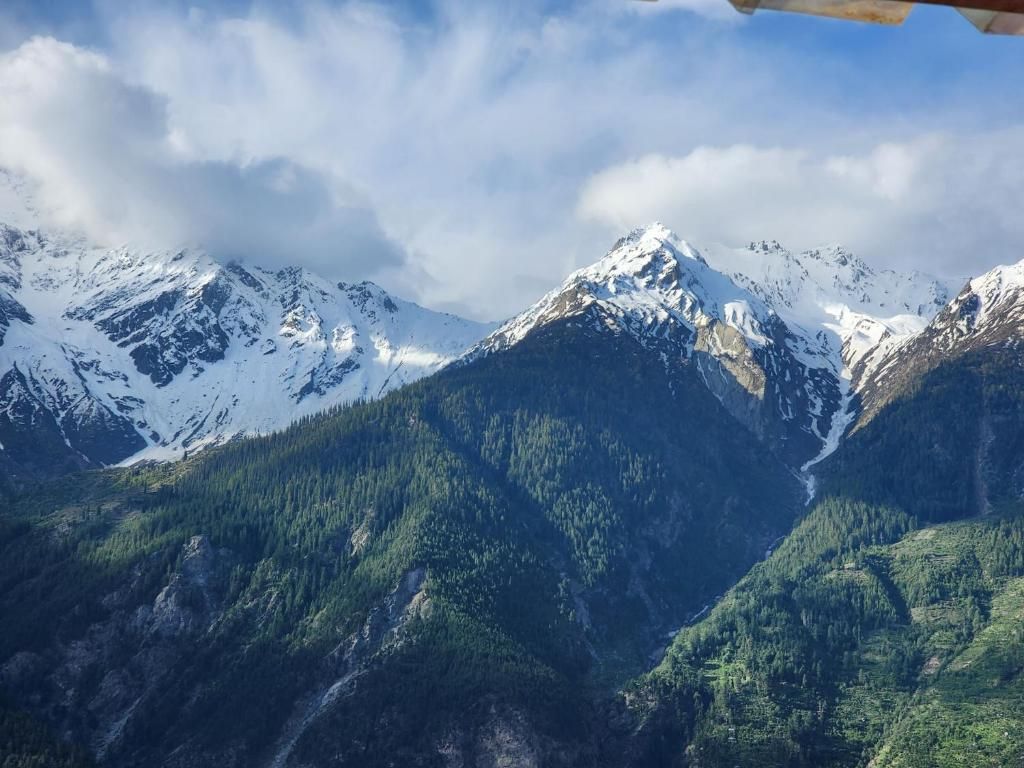
The terrain surrounding Kinnaur Kailash is defined by extreme verticality and raw geological drama. As part of the Kinnaur Kailash range, it overlooks deep river gorges carved by the Sutlej River and its fast-flowing tributaries. Below the snow-scoured peaks lie steep slopes carpeted with cedar, pine, and birch groves that gradually yield to loose moraines, boulder fields, and persistent snowfields. The combination of intense spiritual devotion and remote wilderness makes the mountain a distinct highlight of high-altitude Himachal.
The Trekking Experience to the Peak
Reaching the vicinity of Kinnaur Kailash is regarded as one of the most physically rigorous pilgrimage treks in Northern India. The traditional trek often begins from villages located across the river valley, such as Tangling, before climbing thousands of vertical meters through dense apple orchards and forested mountainsides.
As the trail climbs beyond the treeline, the path transforms into an unrelenting ascent over steep scree, steep meadows known locally as kands, and vast boulder zones. Weather in this high-altitude amphitheater can change without warning, with sudden cold squalls, mist, and sleet rolling in from neighboring ridges. Hikers must negotiate thin air, narrow ledges, and steep drop-offs, making surefootedness and cardiovascular stamina essential for reaching the vantage points near the sacred pillar.
Read more
Best Time to Visit Kinnaur Kailash
Due to heavy snowfall during the winter and late spring months, Kinnaur Kailash remains inaccessible for most of the year. The primary window for visiting falls between July and early September, when summer temperatures melt snow from the lower and mid-elevation trails.
This mid-to-late summer period also corresponds with the official annual pilgrimage season organized by regional authorities. While monsoon moisture occasionally brings rain and fog to the lower valleys during July and August, the high ridge conditions are typically clearer than in regions further south. By mid-September, early winter chill begins to set in, temperatures drop rapidly below freezing at night, and fresh snow often closes the high ridgelines until the following summer.
How to Reach Kinnaur Kailash
The journey to Kinnaur Kailash begins by road along the scenic and dramatic National Highway 5, which follows the Sutlej River through the Kinnaur valley. Travelers usually travel from Shimla, traversing towns like Narkanda, Rampur Bushahr, and Tapri before reaching Reckong Peo, the district headquarters of Kinnaur.
From Reckong Peo or nearby settlements, local roads and crossings lead across the Sutlej River to the base hamlets from which the foot trails begin. The long overland drive provides essential time for progressive altitude gain, helping travelers adjust to the thinning air before embarking on strenuous walking trails. Public buses and shared taxis run regularly along the main highway corridor up to Reckong Peo, though private transport offers greater flexibility for early starts.
Essential Preparation and Safety Tips
A journey towards Kinnaur Kailash requires thorough physical conditioning and careful preparation. The rapid gain in elevation presents a real risk of acute mountain sickness, so spending at least two days acclimatizing in base towns like Reckong Peo or Kalpa is strongly advised before attempting the climb. Stay well hydrated and descend immediately if you experience dizziness, nausea, or severe headaches.
Sturdy, broken-in trekking boots with strong ankle support are necessary to navigate loose scree and rocky pathways safely. Carry multiple thermal layers, a windproof and waterproof outer shell, gloves, a warm hat, and high-altitude sun protection. Because the trail offers minimal infrastructure, travelers must carry adequate energy-dense food and personal medical supplies. Pilgrims and trekkers should also verify local weather forecasts, route safety alerts, and any administrative registration requirements locally before setting off.
Places to Visit Near Kinnaur Kailash
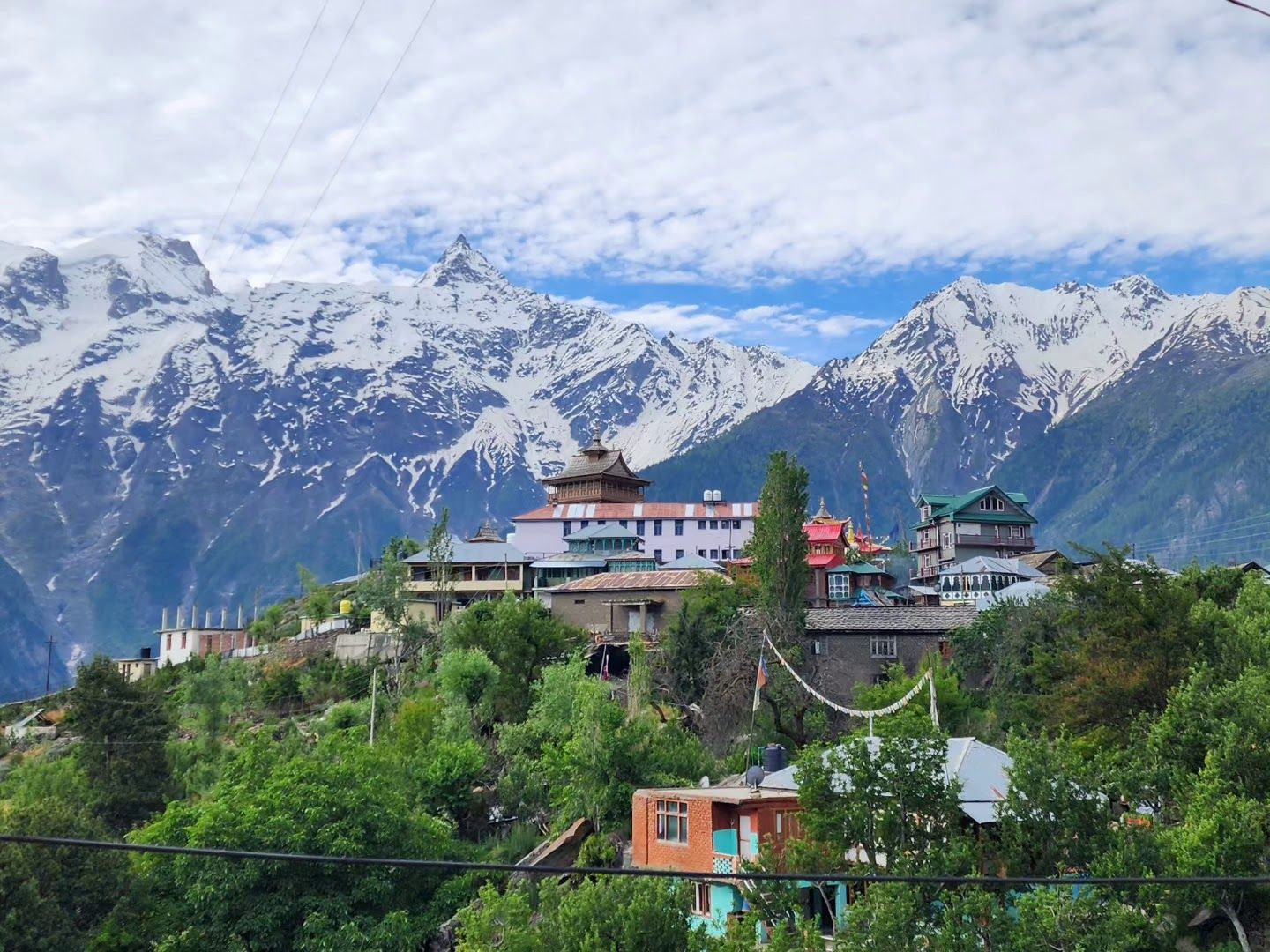
The surrounding Kinnaur region is filled with peaceful mountain villages and ancient cultural landmarks. The historic village of Kalpa lies approximately 15 kilometers away, perched on the opposite side of the valley. Kalpa is famous for its panoramic views of the entire Kinnaur Kailash range, offering an uninterrupted vantage point to admire the massif at sunrise and sunset without undergoing the arduous high trek.
Kalpa also features traditional wooden Kinnauri architecture, heritage temples, and quiet Buddhist monasteries set amidst terraced apple orchards. Travelers can also visit Reckong Peo to explore local markets and sample traditional regional cuisine, or venture further into the Baspa Valley toward Sangla and Chitkul to experience pristine pine forests and traditional border villages.
Where to Stay around Kinnaur Kailash
For travelers planning to visit the area or embark on the trail, base accommodations are primarily concentrated in Kalpa and Reckong Peo. These valley settlements offer a range of traditional homestays, rustic guesthouses, and scenic lodges that deliver comfortable shelter and hearty local meals while you acclimatize.
During the peak trekking season, basic tented campsites and rest shelters may be set up along standard halting points on the trail by local communities. If you are looking for serene apple-orchard homestays, scenic riverside cottages, or authentic mountain campsites in the Kinnaur valley, you can browse and book verified options on HireACamp.
Frequently asked questions
What is the spiritual significance of Kinnaur Kailash?
Kinnaur Kailash is regarded as one of the sacred abodes of Lord Shiva in the Himalayas. The mountain is revered for its natural rock monolith that resembles a Shiva lingam, attracting pilgrims who undertake circumambulations and high-altitude prayers.
How difficult is the trek to Kinnaur Kailash?
The trek is considered strenuous and demanding, involving steep ascents over rocky scree, high-altitude boulder fields, and unpredictable weather conditions. It requires good physical endurance, surefootedness, and prior acclimatization.
Can I see Kinnaur Kailash without doing the steep trek?
Yes, you can enjoy clear, panoramic views of the Kinnaur Kailash range from the nearby village of Kalpa, which sits directly across the valley and requires no strenuous climbing to reach.
When is the Kinnaur Kailash pilgrimage usually open?
The pilgrimage and trekking season generally takes place during the summer months of July and August, when snow melts from the trails. Route openings depend strictly on seasonal weather and local administrative clearances.
What should I pack for a visit to Kinnaur Kailash?
Pack sturdy high-traction hiking boots, thermal innerwear, a waterproof and windproof jacket, warm gloves, a sun hat, high-SPF sunscreen, energy rations, and a basic medical kit equipped for altitude-related conditions.
Where you'll be
Kinnaur Kailash, Dhar Gara, Himachal Pradesh 172109 · 3 stays nearby shown with prices
As seen on Instagram
The posts this guide is built from
Stays near Kinnaur Kailash
Book a place to stay close by
Often visited together
Creators who went here also showed these

More places near Kinnaur Kailash
Within 20 km
Built from 1 Instagram post by 1 creator. Every tip links back to the post it came from, and where creators disagree we show both sides.






