
Kalpa
Heritage & Culture near Chini, Himachal Pradesh
100 m from Chini
The nearest town, for stays, food and fuel.
Kalpa is a historic village perched high above the Sutlej River gorge in the Kinnaur district of Himachal Pradesh. Renowned for its ancient blend of Hindu and Buddhist heritage, traditional timber-and-stone architecture, and sprawling apple orchards, the settlement looks out directly onto the sacred Kinnaur Kailash range. Travellers journey here to experience quiet mountain life, explore century-old temples, and admire dramatic Himalayan sunrises.
Getting there
By road
- From ChiniNearest town9 min · 4.5 km
- From Chandigarh7 hr 5 min · 346 km
- From Ludhiana9 hr · 447 km
- From Dehradun9 hr 10 min · 462 km
Typical drive times without traffic. Stations and airports from OLA Maps; distances and typical drive times from OpenStreetMap (© OpenStreetMap contributors); notes from creators' Reels.
About Kalpa
Written with AI from map data and general knowledge. Check prices and timings locally before you go.
About Kalpa and its setting
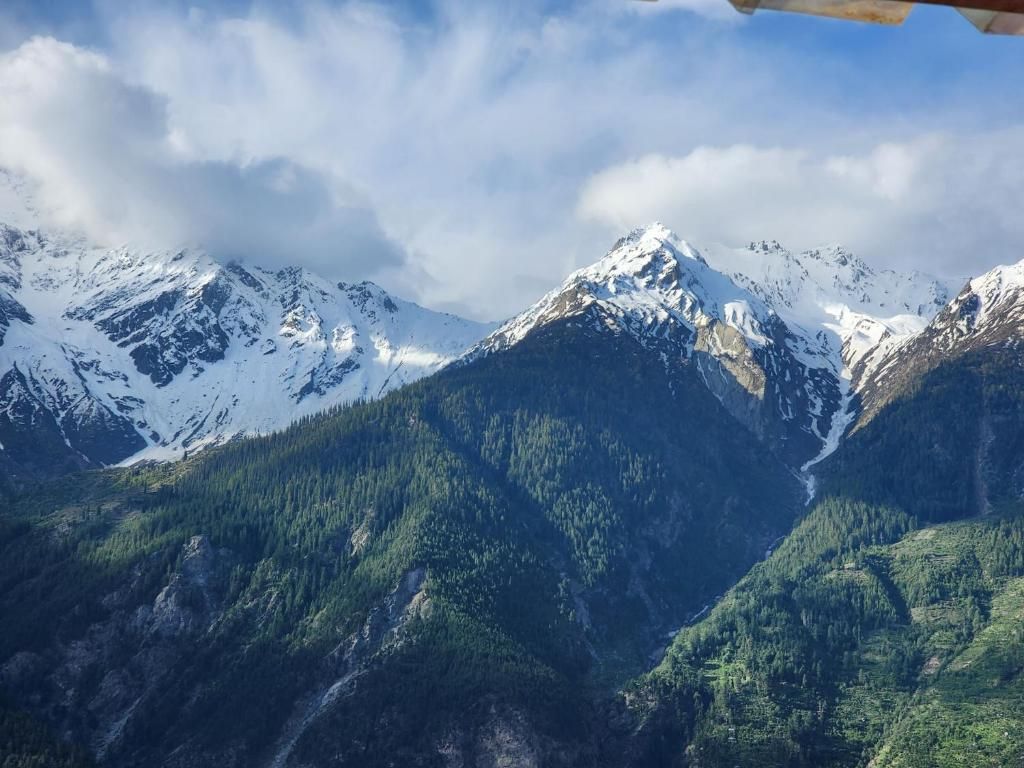
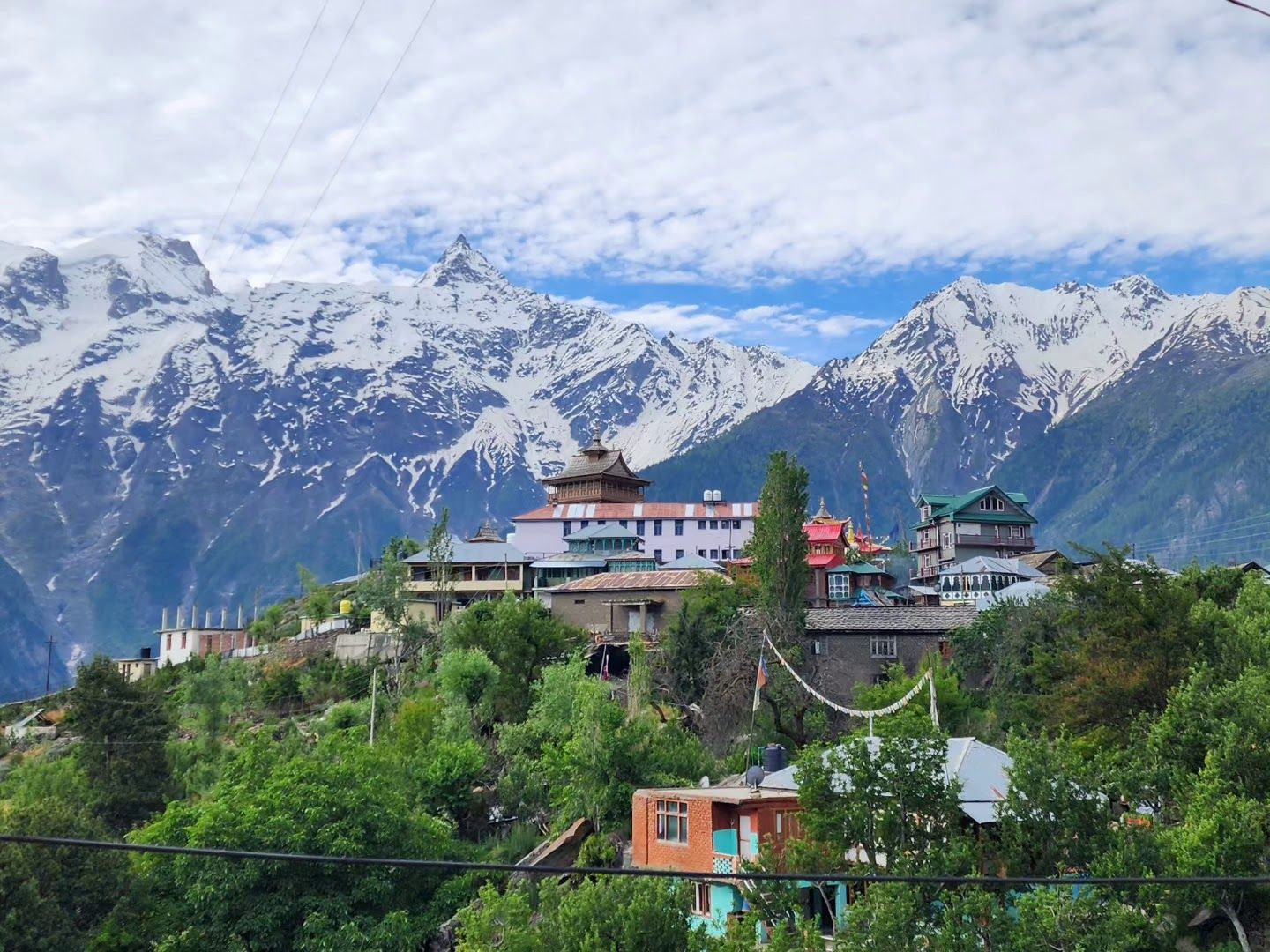
Kalpa sits on a high mountain terrace in the Kinnaur region of Himachal Pradesh, elevated above the bustling administrative hub of Reckong Peo. The village commands an amphitheatre view of the Greater Himalayas, most prominently the rugged massif of Kinnaur Kailash and the sharp spire of Jorkanden. Long before administrative boundaries established district headquarters downhill, Kalpa served as the traditional centre of the region, retaining its village character through generations.
The landscape around Kalpa is defined by steep granite mountains, fragrant cedar and pine forests, and terraced slopes laden with apple and apricot orchards. Narrow stone paths weave past traditional two-storey dwellings, connecting neighbourhood courtyards with centuries-old religious shrines. The crisp mountain air, coupled with the dramatic vertical drop into the Sutlej basin below, gives the village a distinctly serene atmosphere that draws travellers seeking natural grandeur and cultural authenticity.
Heritage and architecture of Kalpa
The culture of Kalpa reflects the harmonious coexistence of Hinduism and Tibetan Buddhism that characterizes the Kinnaur borderland. For generations, local communities have preserved ancestral traditions, distinct Kinnauri attire, and a unique architectural style designed to withstand harsh alpine winters and seismic activity.
Traditional homes and temples in Kalpa are built using the kath-kuni technique, an indigenous method of interlocking heavy deodar timber beams with dry stone masonry without the use of mortar. Intricately carved wooden balconies, slate-shingle roofs, and ornate door frames are common throughout the older settlements. Buddhist prayer flags flutter alongside wooden shrines dedicated to local clan deities, illustrating a syncretic spiritual heritage that is felt in everyday village rituals, annual fairs, and communal gatherings.
Read more
Things to do in Kalpa
A primary highlight of visiting Kalpa is witnessing the sunrise over the Kinnaur Kailash range. As the first rays of morning light strike the snow-clad peaks, the rock faces shift through shades of pale gold, pink, and fiery orange. Travellers often gather along high vantage points or terrace rooftops early in the morning to watch this natural spectacle unfold across the massif.
Taking slow walking tours through the village paths offers an intimate look at Kinnauri village life. You can wander past traditional granaries, watch weavers craft Kinnauri shawls and caps on wooden looms, and walk along trails flanked by apple orchards. Several ancient shrines and Buddhist monasteries tucked within the village feature historic woodwork, brass bells, and hand-turned prayer wheels. A walk toward the outer edges of the village leads to cliff-edge trails that look straight down into the deep gorge below, offering sweeping views of the valley roads and distant peaks.
Places to explore around Kalpa
Kalpa serves as an ideal base for exploring the broader cultural and natural landmarks of lower Kinnaur. Just downhill lies Reckong Peo, the main transit town where travellers can visit local markets stocked with dry fruits, regional spices, and handloom woollens.
A short journey deeper into the valleys brings you to the Baspa River and the scenic Sangla Valley. Around this area, you can visit Kamru Village, an ancient settlement anchored by the tower-style Kamru Fort, which played a central role in the historical kingdom of Bushahr. Nearby, the Bering Nag Temple showcases exquisite wooden craftsmanship and deep-rooted snake deity worship. Further afield, day walks lead toward high-altitude grazing grounds such as Sangla Kanda Lake and the engineering landmark of Karcham Dam, where the Baspa and Sutlej rivers merge.
Best time to visit Kalpa
Kalpa is accessible throughout much of the year, though each season brings a remarkably different landscape and atmosphere. The summer months from April to June offer pleasant daytime temperatures and clear skies, making it the most comfortable time for sightseeing, walking village trails, and admiring snow on the high summits.
Autumn, running from September through October, is considered by many to be the most picturesque season in Kalpa. During this period, the apple orchards are laden with ripe fruit, the foliage turns vibrant shades of amber and gold, and post-monsoon visibility is at its peak. Winter, from December to March, transforms Kalpa into a snowy landscape. Temperatures frequently drop well below freezing, and heavy snowfalls can occasionally disrupt road connectivity, attracting hardy travellers who wish to experience the quiet beauty of a Himalayan winter.
How to reach Kalpa
Reaching Kalpa involves a scenic and dramatic overland journey through the mountains. Travellers typically begin their journey from Shimla, following the historic Hindustan-Tibet road along National Highway 5. The route traces the course of the Sutlej River, passing through Narkanda, Rampur, and Tapri before reaching Reckong Peo, from where a short uphill road leads directly into Kalpa.
Regular state transport buses and shared taxis connect Shimla and Reckong Peo, while private taxis are available for hire across major transit towns. Because the mountain roads along the Sutlej gorge can be prone to seasonal rockfalls and weather-related delays, it is best to travel during daylight hours and check current highway conditions before setting out.
Where to stay in Kalpa
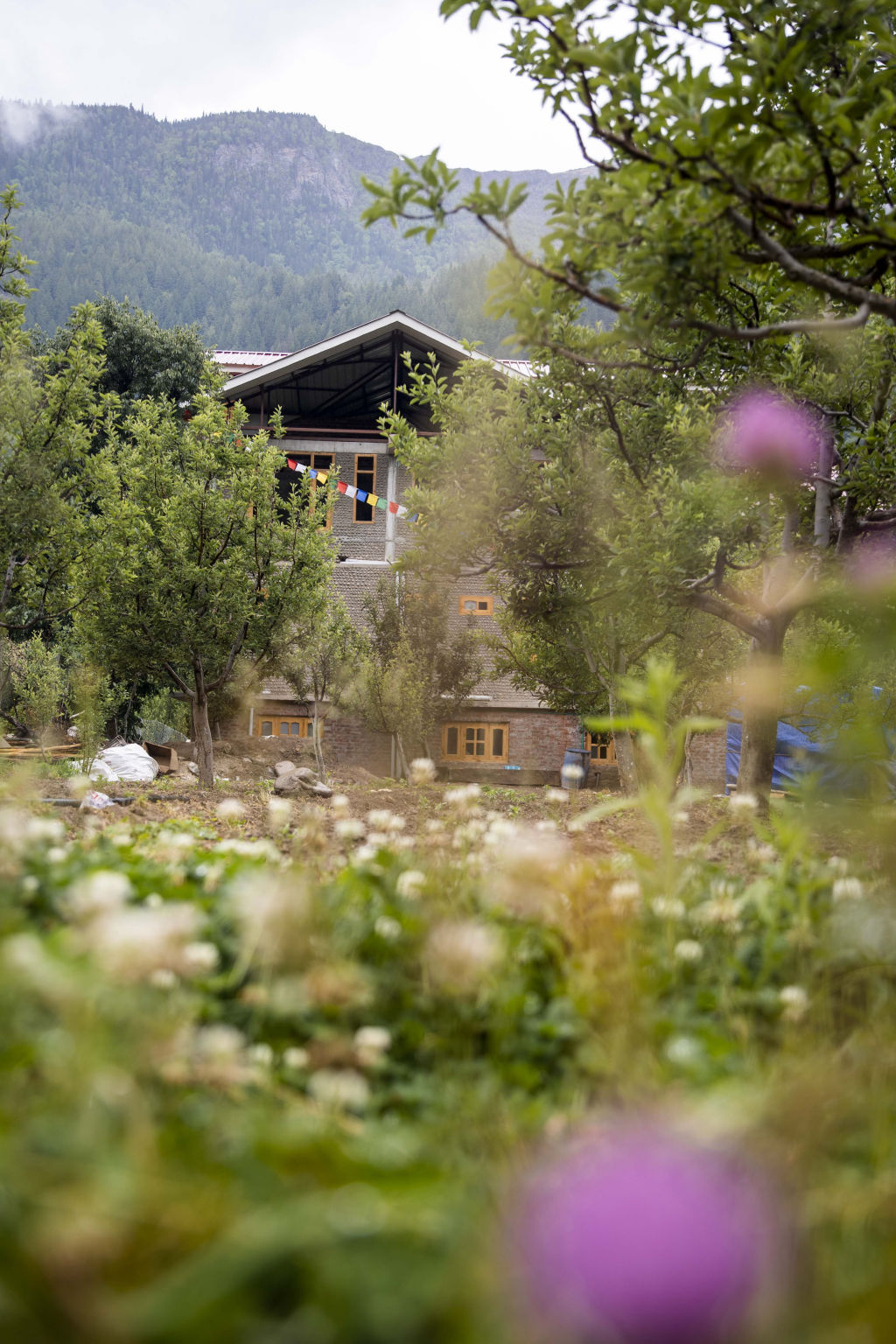
Accommodation options in Kalpa cater largely to travellers looking to absorb the regional culture and scenic tranquility. Staying in a local homestay provides a first-hand look into Kinnauri domestic life, where hosts often serve home-cooked regional meals made with local grains and fresh orchard produce.
There are also rustic guesthouses and alpine camps located in and around the village, positioned to take full advantage of uninterrupted views of the Kinnaur Kailash range. You can explore and book a curated selection of homestays, village stays, and outdoor camps in Kalpa on HireACamp.
Frequently asked questions
What is Kalpa best known for?
Kalpa is best known for its unobstructed views of the sacred Kinnaur Kailash peak, its extensive apple orchards, and its traditional Kinnauri wood-and-stone architecture.
Does it snow in Kalpa?
Yes, Kalpa receives significant snowfall between December and March, transforming the village and surrounding cedar forests into a winter landscape.
How far is Kalpa from Shimla?
Kalpa is located approximately 220 to 240 kilometres from Shimla along National Highway 5, a mountain drive that typically takes eight to ten hours depending on road and traffic conditions.
What should I pack for a trip to Kalpa?
Even in the summer months, evenings can be chilly, so packing light woollens or a fleece jacket is recommended. If visiting in late autumn or winter, carry heavy thermal layers, insulated jackets, sturdy walking shoes, and windproof outer layers.
Is Kalpa suitable for elderly travellers and families?
Kalpa is suitable for families and senior travellers who enjoy quiet mountain surroundings and cultural sightseeing, though the high altitude requires travellers to take it easy on the first day to acclimatize properly.
Where you'll be
Kalpa · 3 stays nearby shown with prices
Stays near Kalpa
Book a place to stay close by
More places near Kalpa
Within 20 km


Built from 0 Instagram posts by 0 creators. Every tip links back to the post it came from, and where creators disagree we show both sides.






