
Lippa Asrang Wildlife Sanctuary
Wildlife sanctuary near Lippa, Himachal Pradesh
2.1 km from Lippa
The nearest town, for stays, food and fuel.
Lippa Asrang Wildlife Sanctuary is a protected high-altitude wilderness situated in the Kinnaur district of Himachal Pradesh. Spread across rugged trans-Himalayan valleys and scree-covered ridges, it serves as an essential ecological refuge for elusive mountain wildlife including the snow leopard and blue sheep. Trekkers, wildlife enthusiasts, and naturalists travel here to experience the stark beauty of remote Himalayan landscapes and undisturbed alpine biodiversity.
Getting there
By road
- From LippaNearest town6 min · 1.8 km
- From Chandigarh7 hr 45 min · 368 km
- From Ludhiana9 hr 40 min · 469 km
- From Dehradun9 hr 50 min · 484 km
Typical drive times without traffic. Stations and airports from OLA Maps; distances and typical drive times from OpenStreetMap (© OpenStreetMap contributors); notes from creators' Reels.
About Lippa Asrang Wildlife Sanctuary
Written with AI from map data and general knowledge. Check prices and timings locally before you go.
Landscape and Terrain of Lippa Asrang
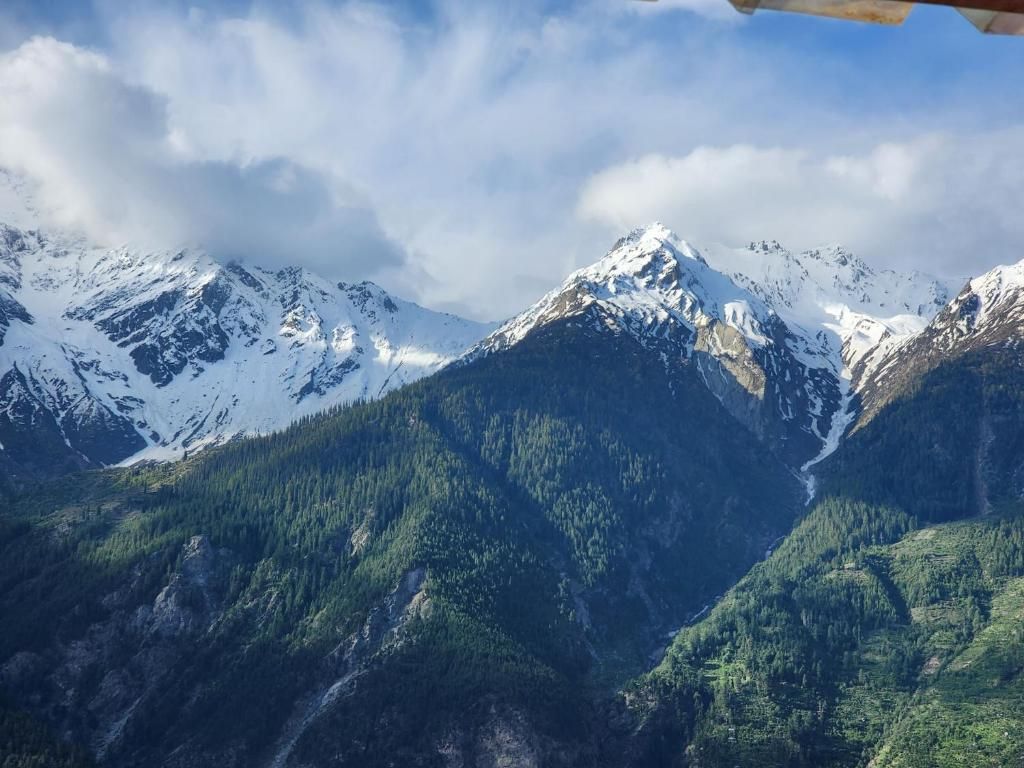
Lippa Asrang Wildlife Sanctuary encompasses a striking and varied topography typical of the upper reaches of Kinnaur. The sanctuary rises through dramatic elevation gradients, transitioning from dry temperate coniferous woodland to sparse alpine scrub, vast boulder slopes, and permanently glaciated crests. Steep ravines carved by snow-fed mountain torrents intersect the valleys, creating isolated pockets where natural ecosystems remain largely undisturbed by human presence.
The lower flanks of the sanctuary support pockets of deodar, blue pine, and dry juniper bushes, along with patches of dwarf rhododendron in moist gullies. As the terrain ascends toward alpine meadows, the vegetation gives way to tough grasses, low-lying herbs, and lichens adapted to fierce winds and intense solar radiation. The sheer cliffs and expansive talus fields define the visual character of the region, framing sweeping panoramic views of neighboring snowy peaks across the greater Himalayan and Zanskar ranges.
Wildlife and Birdlife of the Sanctuary
Because of its remote geography and severe altitude, Lippa Asrang Wildlife Sanctuary provides a critical habitat for specialized mountain fauna. The sanctuary is home to prominent ungulates such as the bharal, or Himalayan blue sheep, which graze across steep cliff faces, and the agile Himalayan ibex. Elusive carnivores, most notably the snow leopard, roam these expansive territories alongside the Tibetan wolf and the brown bear.
Smaller mammals, including the musk deer and various species of high-altitude rodents, thrive within the sanctuary boundaries. For birdwatchers, the reserve presents valuable opportunities to observe rare montane avian species. Brightly colored Himalayan monals and koklass pheasants can be spotted along forested valley slopes, while chukar partridges and snowcocks frequent rocky clearings. Raptors such as the golden eagle, lammergeier, and Himalayan griffon routinely ride thermals along the upper ridgelines.
Read more
Best Time to Visit Lippa Asrang
The optimal period to explore Lippa Asrang Wildlife Sanctuary spans from late spring through early autumn, typically between May and October. During these months, winter snows retreat from the middle elevations, opening mountain tracks and allowing alpine flora to bloom briefly. Daytime temperatures during summer are pleasant and suited for trekking, though nighttime temperatures remain crisp and drop rapidly once the sun sets behind the ridges.
Mid-summer brings occasional monsoon weather across lower Kinnaur, though the sanctuary sits largely within the trans-Himalayan rain shadow. Heavy showers along the approach highways can occasionally lead to rockfalls or temporary road delays, making late summer and early autumn an especially stable window for travel. From November through April, the sanctuary experiences extreme cold, heavy snow cover, and frozen streams, making entry difficult and hazardous for anyone without specialized mountaineering experience.
Trekking and Outdoor Exploration
Exploring Lippa Asrang Wildlife Sanctuary requires self-reliance and sound physical fitness, as the sanctuary is largely devoid of developed tourist infrastructure. Traditional trekking paths used by local shepherds and forest patrols provide the primary access into the deep valleys and high passes. Walking along these quiet trails allows travellers to absorb the immense stillness of the Kinnaur mountains, passing ancient stone cairns, high-altitude streams, and wide scree basins.
Visitors should always arrange a knowledgeable local guide when venturing beyond the village boundaries of Lippa or Asrang. Unmarked routes, shifting scree, and sudden weather fluctuations make off-trail navigation risky. Carrying reliable outdoor gear, water purification equipment, high-energy rations, and a compact first-aid kit is essential for any day trek or multi-day backcountry excursion into the reserve.
How to Reach Lippa Asrang Wildlife Sanctuary
Reaching Lippa Asrang requires a scenic overland journey into Kinnaur. The nearest major hub with railway and air connections is Shimla. From Shimla, travelers follow National Highway 5 through Rampur Bushahr to Reckong Peo or Powari, deep in the Satluj river valley. The drive traces dramatic river canyons and high mountain roads, covering rugged terrain typical of interior Himachal Pradesh.
From Reckong Peo or the nearby hamlet of Moorang, secondary mountain roads branch off toward the quiet settlements of Lippa and Asrang, which serve as base villages for entering the sanctuary. Public buses and shared mountain taxis operate along the main highway routes to Kinnaur, though hiring a dedicated high-clearance private vehicle is recommended for traveling along the steeper link roads that climb up to Lippa.
Essential Tips for Visitors
High altitude is the most important factor to consider when planning a trip to Lippa Asrang Wildlife Sanctuary. Travelers should spend adequate time acclimatizing in lower villages like Kalpa or Reckong Peo before attempting rigorous hikes into the sanctuary. Maintaining proper hydration, pacing your ascent, and listening to your body will help prevent symptoms of altitude sickness.
Cellular reception drops off quickly outside the main villages, so download maps in advance and inform your hosts of your intended hiking route. Pack sturdy trekking boots with good ankle support to navigate loose shale, along with windproof and insulated layers for unpredictable temperature drops. Always follow Leave No Trace principles by carrying out all non-biodegradable waste, refraining from disturbing grazing herds, and respecting the quiet pastoral life of nearby settlements.
Places to Visit Nearby
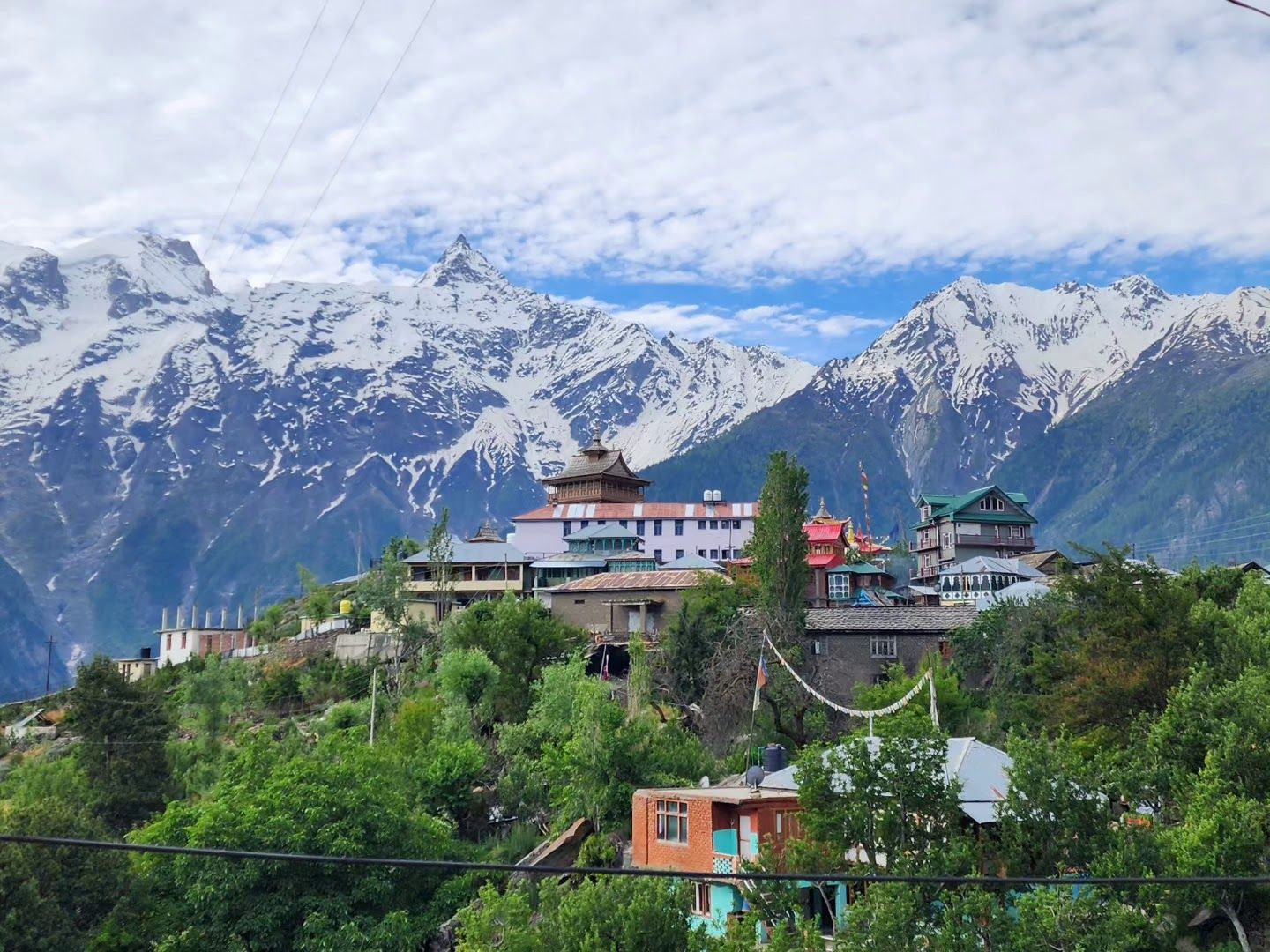
The wider Kinnaur region surrounding the sanctuary offers rich cultural and natural attractions that pair well with a wildlife itinerary. Across the valley lies Kalpa, a picturesque village known for its historic apple orchards, traditional wood-and-stone architecture, and expansive views directly facing the towering Kinner Kailash range and Jorkanden peak. Kalpa serves as an excellent base for cultural exploration and peaceful mountain stays.
Further south along the Satluj catchment, travelers can visit Karcham Dam and follow the winding road up the Baspa River valley toward Sangla and the historic Kamru Fort. Outdoor enthusiasts interested in extended journeys can look into regional walking routes like the Yulla Kanda Trek, or explore other protected wild expanses in Kinnaur such as the Rupi Bhaba Wildlife Sanctuary.
Where to Stay Around Lippa Asrang
Accommodations directly inside Lippa Asrang Wildlife Sanctuary are limited to wilderness camping, which requires personal gear, proper supplies, and adherence to regional forest regulations. For indoor lodging, visitors typically base themselves in the quiet traditional villages of Lippa or nearby Kalpa, Reckong Peo, and Moorang.
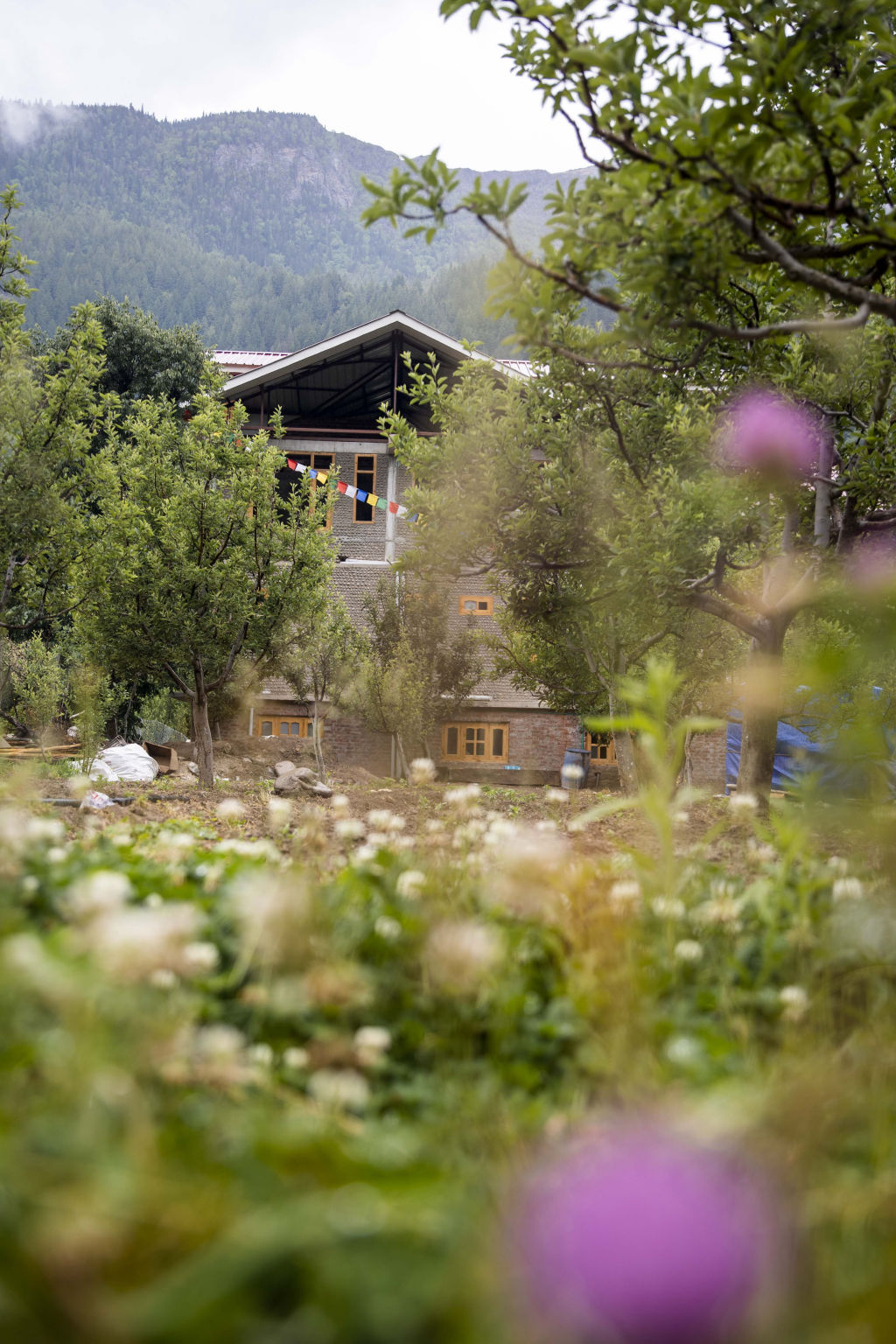
These neighboring settlements offer an authentic glimpse into Kinnauri hospitality through village homestays, rustic mountain guesthouses, and scenic outdoor campsites. Travelers looking to book homestays, nature retreats, or camping setups close to the sanctuary can discover verified, peaceful options across Kinnaur on HireACamp.
Frequently asked questions
Where is Lippa Asrang Wildlife Sanctuary located?
Lippa Asrang Wildlife Sanctuary is located in the Kinnaur district of Himachal Pradesh, near the mountain villages of Lippa and Asrang within the upper Satluj drainage basin.
What animals can be spotted in the sanctuary?
The sanctuary is home to high-altitude wildlife including the snow leopard, Himalayan brown bear, musk deer, bharal (blue sheep), ibex, and birds such as the Himalayan monal and snowcock.
When is the best time to visit Lippa Asrang?
The best time to visit is from May to October, when paths are clear of deep winter snow, weather conditions are relatively mild, and the high valleys are accessible.
Are there stay options within the sanctuary?
There are no hotels or commercial lodges inside the sanctuary itself; visitors stay in traditional homestays and guesthouses in nearby villages or pitch self-sufficient wilderness camps.
Do I need permits to enter Lippa Asrang Wildlife Sanctuary?
Because it is a protected high-altitude forest reserve close to sensitive border regions in Kinnaur, visitors should verify current entry requirements and wildlife permits with local forest offices in Reckong Peo before heading into the interior trails.
Where you'll be
Lippa, HP · 3 stays nearby shown with prices
Stays near Lippa Asrang Wildlife Sanctuary
Book a place to stay close by
More places near Lippa Asrang Wildlife Sanctuary
Within 20 km

Built from 0 Instagram posts by 0 creators. Every tip links back to the post it came from, and where creators disagree we show both sides.






