
Jorkanden
Peak near Dhar Gara
5.7 km from Dhar Gara
The nearest town, for stays, food and fuel.
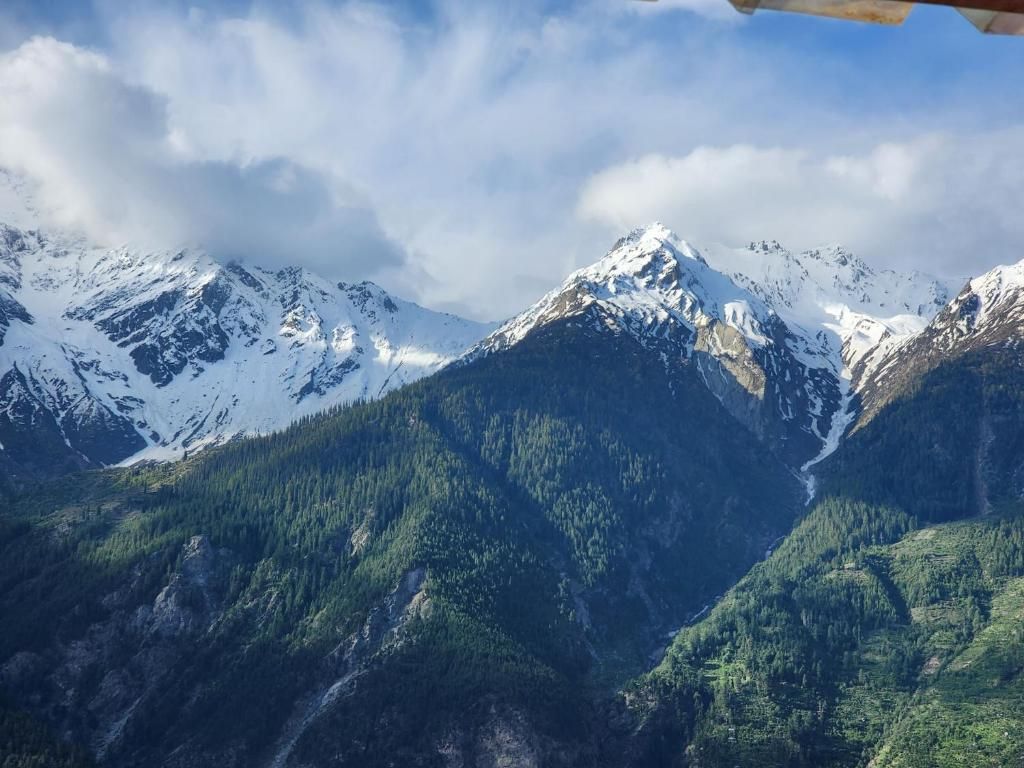
Jorkanden is a towering mountain summit located in the Kinnaur district of Himachal Pradesh, reigning as the highest peak of the Kinnaur Kailash massif. Rising above the deep gorges of the Sutlej and Baspa river basins, it attracts high-altitude trekkers, mountaineering enthusiasts, and travellers drawn to the raw, rugged beauty of the Greater Himalayas.
Getting there
By road
- From Dhar GaraNearest town59 min · 29 km
- From Chandigarh7 hr 10 min · 349 km
- From Ludhiana9 hr 5 min · 451 km
- From Dehradun9 hr 15 min · 465 km
Typical drive times without traffic. Stations and airports from OLA Maps; distances and typical drive times from OpenStreetMap (© OpenStreetMap contributors); notes from creators' Reels.
About Jorkanden
Written with AI from map data and general knowledge. Check prices and timings locally before you go.
About Jorkanden and the Greater Himalayan Terrain
Jorkanden stands at an elevation of roughly 6,473 metres, making it the supreme point of the Kinnaur Kailash range in Himachal Pradesh. The mountain is defined by steep granite cliffs, ice fields, and razor-sharp ridges that dominate the skyline across central Kinnaur. Unlike gentler Himalayan ridges, Jorkanden features severe vertical relief, dropping precipitously into high glacial basins and deep river valleys below.
The peak holds an imposing presence in regional geography. It shares its immediate high-altitude ridge with the sacred Kinnaur Kailash summit, forming a dramatic wall of rock and ice that catches the first and last rays of the sun. The surrounding topography is a classic cold-desert transition zone, where the pine-clad lower slopes of Kinnaur give way to barren moraines, scree fields, and perpetual snowfields.
Best Viewpoints and Sighting Jorkanden
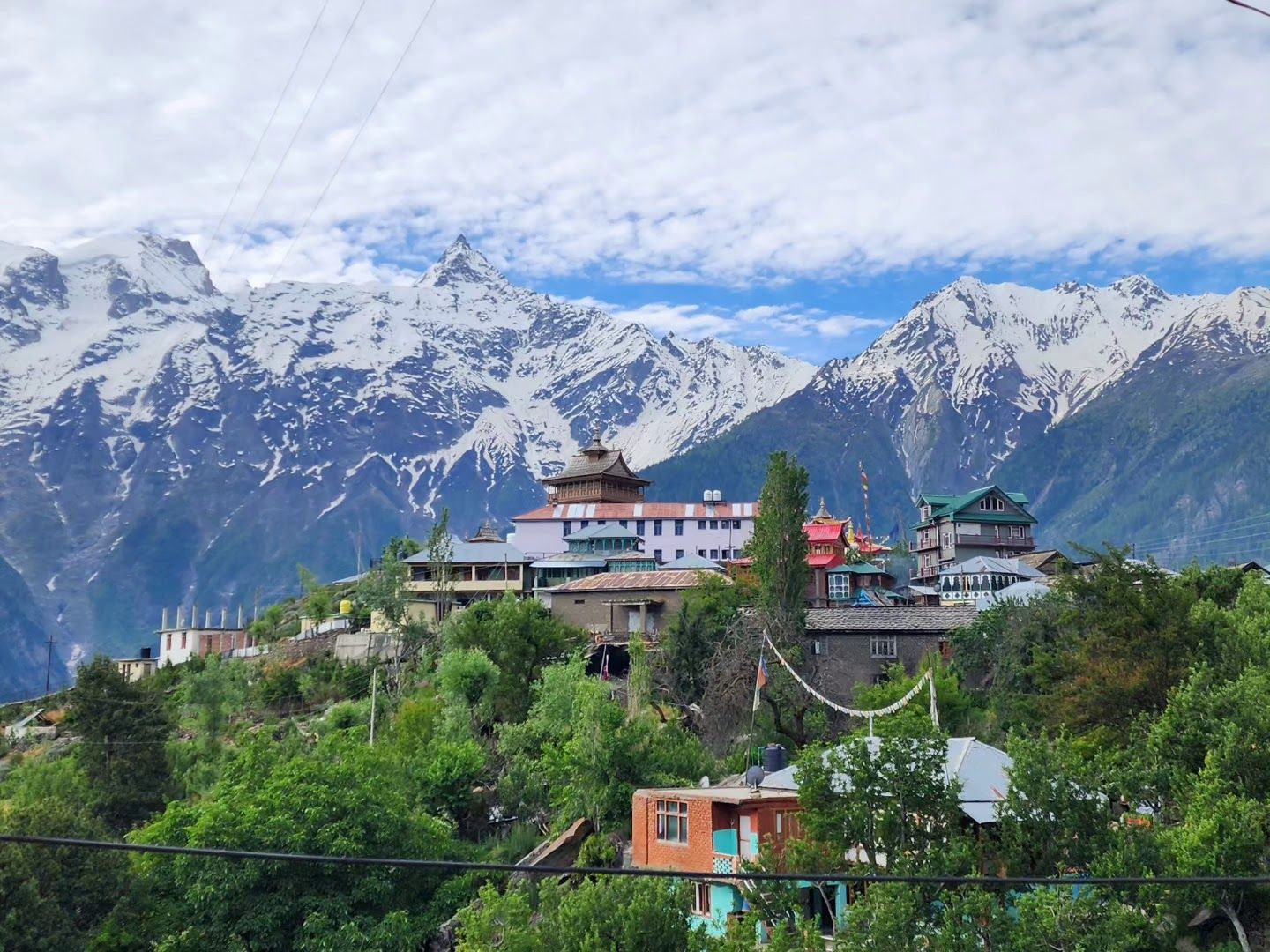
While ascending Jorkanden itself is a serious expedition reserved only for technical mountaineers, travellers can experience spectacular views of the peak from several inhabited villages and trails in Kinnaur. The traditional village of Kalpa, perched on the slope opposite the range, offers an unobstructed, sweeping panoramic view of the entire massif. Early mornings here present a mesmerising sight as the sunrise turns Jorkanden and its neighbouring summits into shades of golden orange and crimson.
Travellers exploring the Sangla Valley and Baspa basin can also catch commanding glimpses of Jorkanden from high meadows and alpine pastures. Trekkers undertaking the traditional Kinnaur Kailash Parikrama or walking towards the upper ridges above Sangla Kanda frequently encounter close-up perspectives of Jorkanden's eastern and southern faces, where massive glaciers carve their way down ancient rock couloirs.
Read more
Best Time to Visit the Jorkanden Region
The optimal period to travel to the region around Jorkanden is from late spring to autumn, spanning May through October. During May and June, the weather warms up, mountain roads open up fully, and the valleys burst into life with blossoming apple orchards and rushing meltwater streams. The sky remains largely clear during this time, allowing for crisp views of the snow-laden peaks.
From July to mid-August, the monsoon brings cloud cover and occasional heavy rainfall to lower Himachal Pradesh, which can lead to roadblocks along the national highway. However, the post-monsoon months of September and October are considered by many to be the best time of all. As the rains retreat, the mountain air becomes remarkably clear, temperatures are comfortable during the day, and the high-altitude landscapes take on rich autumnal colours before the onset of winter.
Winter arrives by November and brings freezing temperatures, heavy snowfall, and icy conditions. While parts of Kinnaur remain accessible to adventurous winter travellers, high trails and alpine passes are entirely closed by deep snow.
How to Reach the Jorkanden Area
Reaching the base region of Jorkanden involves journeying into Kinnaur along National Highway 5, famously known as the Hindustan-Tibet Road. The journey typically begins from Shimla, which is well connected by road to major northern transit hubs like Chandigarh and New Delhi. From Shimla, the road winds along the Satluj River through places like Rampur, Jeori, and Wangtu before reaching Karcham and the district headquarters at Reckong Peo.
From Reckong Peo, a short drive uphill leads to Kalpa, the primary base for sightseers looking to view the Kinnaur Kailash and Jorkanden peaks. Alternatively, branching off at Karcham takes you into the Baspa Valley toward Sangla and Chitkul. Public buses operated by the state transport corporation connect Shimla with Reckong Peo and Sangla on a regular schedule, though private taxis and self-drive vehicles are popular options for travellers seeking flexibility.
Places to Visit Nearby
The area around Jorkanden is filled with culturally rich settlements and dramatic natural landmarks. Just across the ridge sits Kinnaur Kailash, a major pilgrimage destination known for its massive natural rock monolith that resembles a sacred pillar. The trek around this peak is one of the most revered high-altitude walking routes in the Western Himalayas.
Down in the valley, the village of Kalpa is famous for its centuries-old timber temples, traditional Kinnauri architecture, and extensive apple orchards. Further south lies the Sangla Valley, where the Baspa River flows gently through emerald meadows framed by towering deodar forests. Nearby Kamru Village features an ancient multistoried wooden fort that once served as the ancestral seat of the rulers of the Bushahr kingdom.
Adventure enthusiasts can also access various historic crossover passes from this region, including the Buran Pass, Rupin Pass, Nalgan Pass, and Borasu Pass, which link the valleys of Himachal Pradesh with the remote borders of Uttarakhand.
Tips for Your Visit to Jorkanden
Because Jorkanden lies in an elevated Himalayan district, proper acclimatisation is crucial for anyone venturing into the higher hamlets and trekking paths. Give yourself time to adjust to the thinner air, stay well hydrated, and avoid overexertion during your first day or two in the area.
Mountain weather can change suddenly, even during peak summer months. Pack versatile clothing that allows for layering, including thermal innerwear, a windproof and waterproof outer jacket, and sturdy walking shoes with good traction. Sun protection is equally important at these altitudes, so carry ultraviolet-blocking sunglasses, a broad-brimmed hat, and high-SPF sunscreen.
Kinnaur shares an international border with Tibet, and certain high routes or regions further up the valley may require inner line permits for foreign nationals or special administrative clearances for high-altitude treks. Always check current permit regulations, weather updates, and road conditions with local authorities in Reckong Peo before heading out into the backcountry.
Where to Stay near Jorkanden
Travellers visiting the area generally base themselves in Kalpa, Reckong Peo, or the villages of the Sangla Valley. These settlements offer a diverse selection of accommodations, ranging from rustic wooden village homestays to scenic outdoor camping sites pitched beside pine forests and rivers.
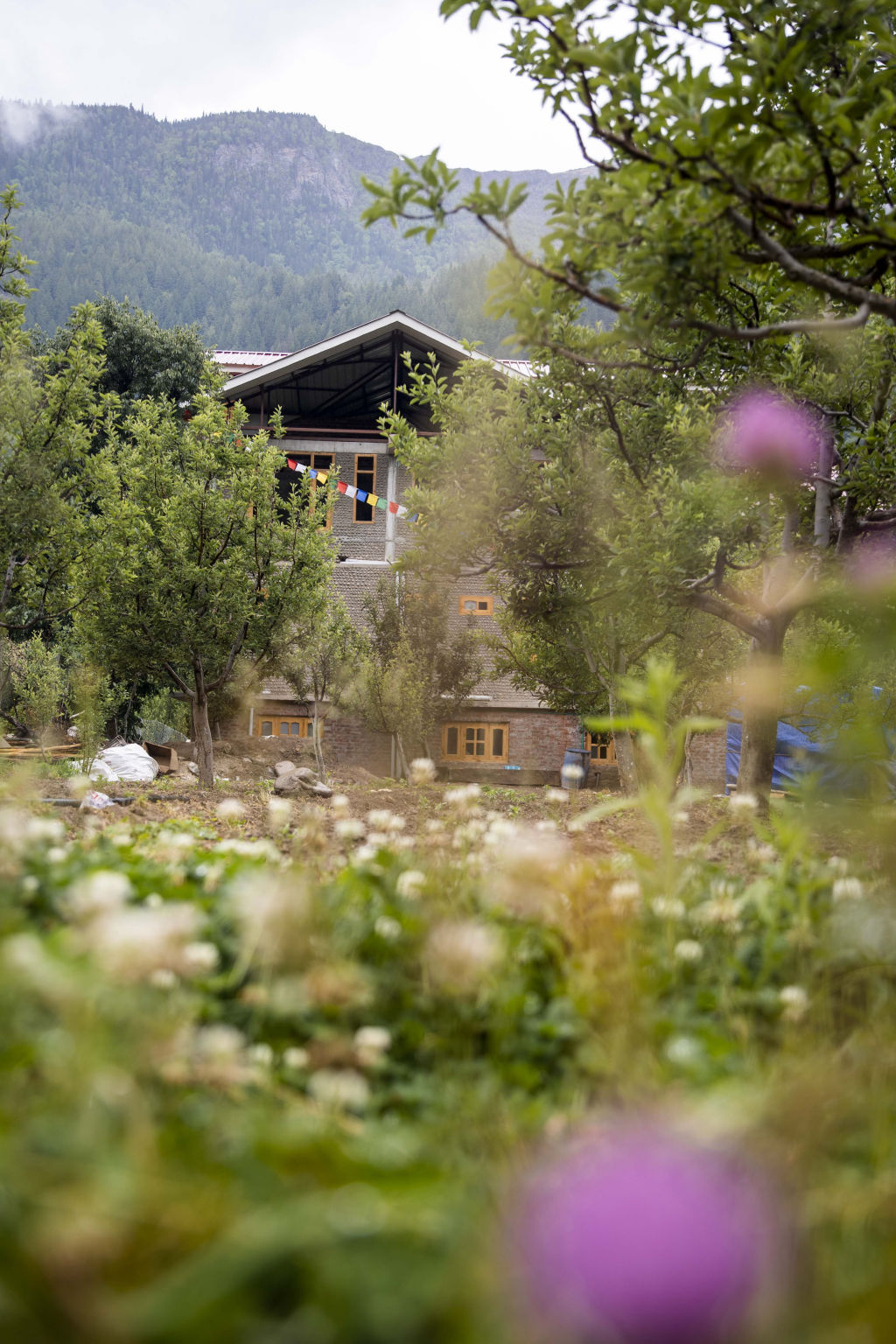
Staying in a family-run homestay allows you to experience authentic Kinnauri hospitality, sample local grain dishes, and enjoy quiet mornings with peak views directly from your window. You can browse and book riverside camps, cosy homestays, and outdoor getaways throughout the Kinnaur region on HireACamp.
Frequently asked questions
What is Jorkanden?
Jorkanden is the highest mountain peak in the Kinnaur Kailash range of the Greater Himalayas, standing in the Kinnaur district of Himachal Pradesh.
Where is the best place to view Jorkanden Peak?
The heritage village of Kalpa provides the most expansive and famous panoramic view of Jorkanden and the entire Kinnaur Kailash massif across the Sutlej gorge.
Can regular tourists trek to the top of Jorkanden?
No, reaching the summit of Jorkanden requires technical mountaineering skills, specialized ice and rock gear, and official expedition clearances, though regular travellers can trek along lower trails and passes to view it.
Which season offers the best weather to view the peak?
Late spring from May to June and the post-monsoon autumn months of September and October offer the clearest skies, stable weather, and best visibility.
Do I need any permits to visit the towns near Jorkanden?
Indian nationals do not need permits to visit towns like Kalpa, Reckong Peo, or Sangla, but foreign nationals and those undertaking high-altitude trans-Himalayan treks should verify current inner line permit rules locally.
Where you'll be
Himachal Pradesh, HP · 3 stays nearby shown with prices
Stays near Jorkanden
Book a place to stay close by
More places near Jorkanden
Within 20 km


Built from 0 Instagram posts by 0 creators. Every tip links back to the post it came from, and where creators disagree we show both sides.






