
Narayan Nagini Temple
Temple near Chini, Himachal Pradesh
300 m from Chini
The nearest town, for stays, food and fuel.
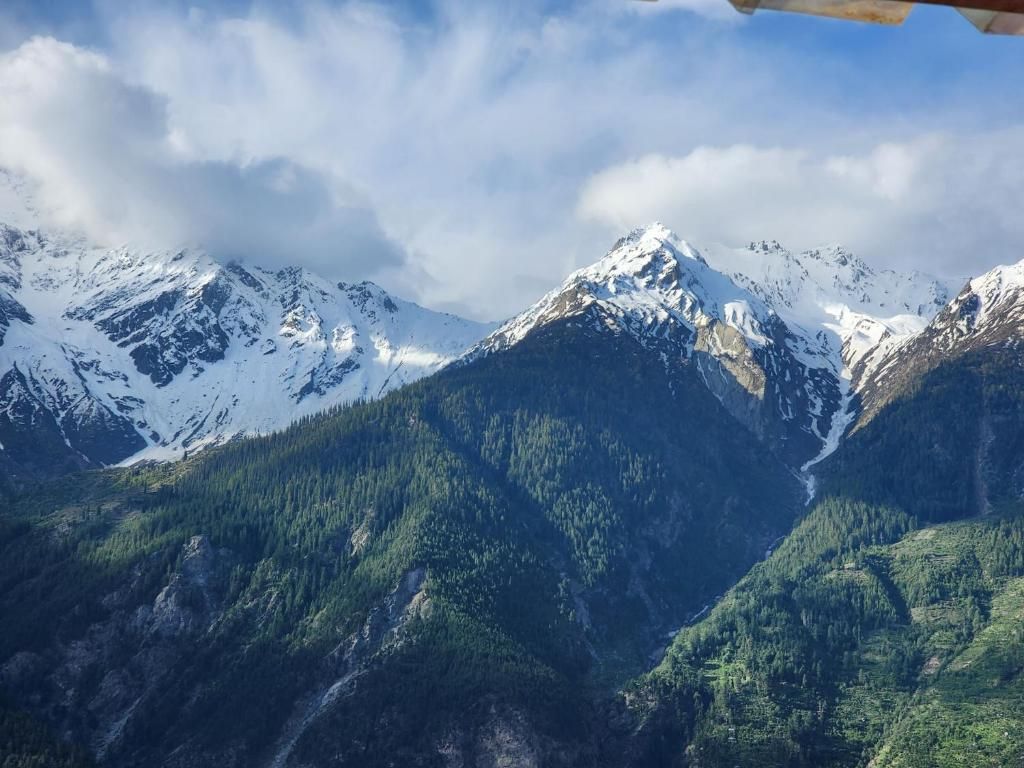
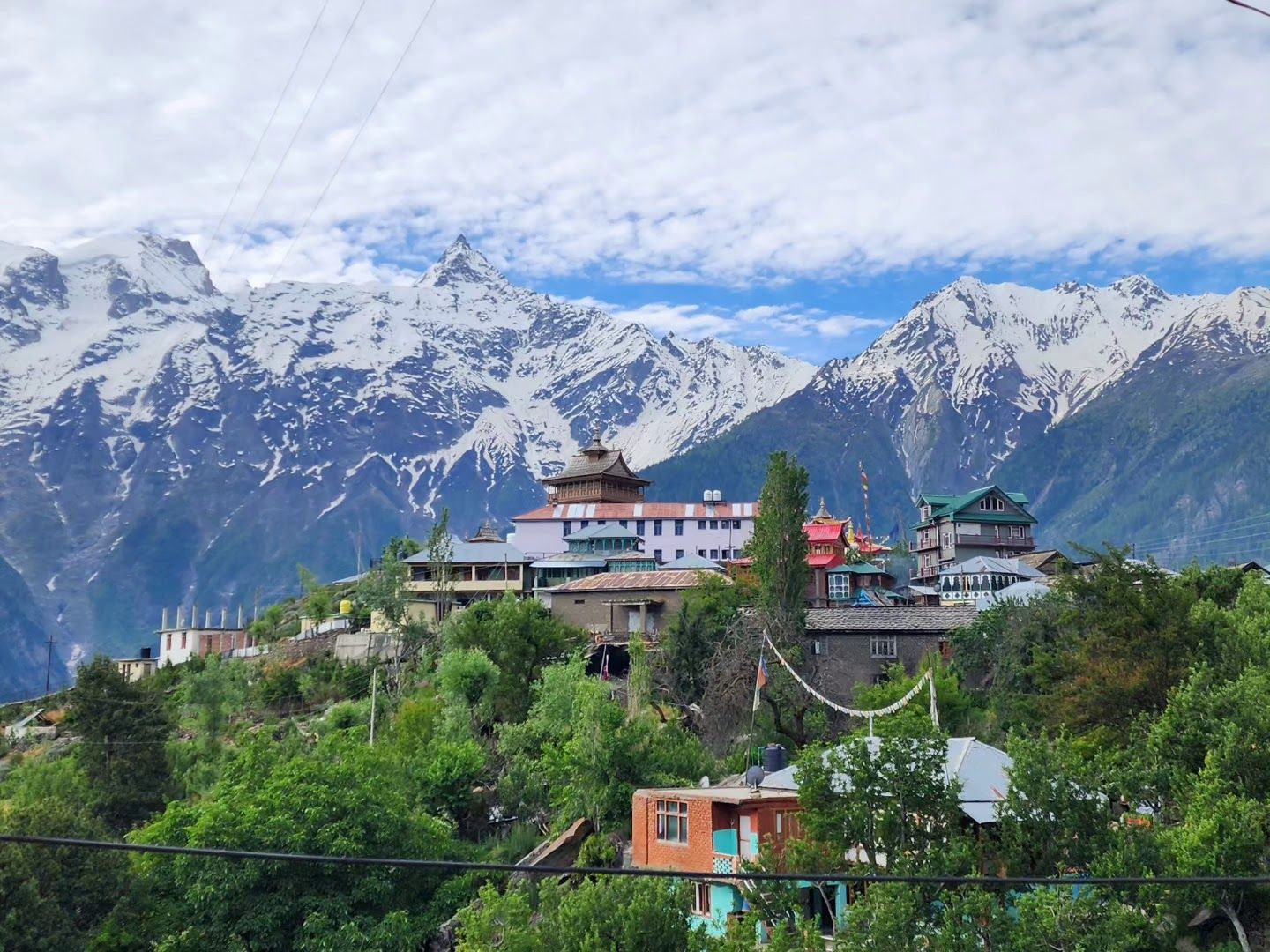
Narayan Nagini Temple is a revered wooden shrine located in the mountain village of Kalpa within the Kinnaur district of Himachal Pradesh. Dedicated to Lord Narayan and the serpent goddess Nagini, the site represents a rare synthesis of Vedic tradition and indigenous Himalayan beliefs. Visitors travel here to admire its ancient Pahari woodcraft and to take in expansive views of the snow-mantled Kinner Kailash range.
Getting there
By road
- From ChiniNearest town2 min · 300 m
- From Chandigarh6 hr 55 min · 343 km
- From Ludhiana8 hr 55 min · 444 km
- From Dehradun9 hr 5 min · 459 km
Typical drive times without traffic. Stations and airports from OLA Maps; distances and typical drive times from OpenStreetMap (© OpenStreetMap contributors); notes from creators' Reels.
About Narayan Nagini Temple
Written with AI from map data and general knowledge. Check prices and timings locally before you go.
About Narayan Nagini Temple
Perched within the traditional mountain settlement of Kalpa in Himachal Pradesh, the Narayan Nagini Temple stands as one of the most culturally significant shrines in the Kinnaur region. The temple is dedicated jointly to Lord Narayan, an aspect of Vishnu, and Nagini, the sacred serpent deity. This dual worship highlights the deep-rooted religious syncretism of the Western Himalayas, where classical Hindu faith seamlessly intertwines with centuries-old local nature worship and serpent lore.
Set against an alpine landscape dominated by soaring crags and coniferous woods, the temple forms the spiritual heart of the historic village. The courtyard provides a tranquil space where residents gather for community affairs, prayer, and seasonal festivities. For travellers moving through the Sutlej valley, a walk through the surrounding apple orchards to this quiet shrine offers an authentic look into the living heritage of Kinnaur.
Architecture and Craftsmanship
The architectural character of Narayan Nagini Temple is an impressive example of the Kath-Kuni building technique typical of Himachal Pradesh. In this construction style, heavy horizontal beams of seasoned deodar timber alternate with layers of dry chiseled stone. Built without the use of mortar or cement, the structure possesses the flexibility required to withstand mountain earthquakes and severe weather cycles over generations.
A gently sloping gabled roof clad with local slate protects the shrine from heavy winter snowfall. The true highlight of the building lies in its woodwork. Skilled local artisans carved intricate representations of protective serpents, mythical beasts, floral garlands, and geometric motifs across the wooden pillars, doorway lintels, and overhanging balconies. These ornate wooden carvings reflect indigenous Himalayan craftsmanship that has survived virtually unchanged for centuries.
Read more
Cultural Significance in Kinnaur
In the cultural landscape of Kinnaur, deities are not distant figures but active protectors of the village and its natural resources. The worship of Nagini alongside Narayan underscores the reverence mountain communities have long held for water springs, forests, and subterranean forces. Local families continue to offer prayers here for agricultural prosperity, seasonal rains, and protection against mountain hazards.
During regional festivals and auspicious village days, the temple grounds come alive with traditional ceremony. Villagers dress in traditional Kinnauri attire, including handwoven woollen coats and distinctive green-velvet-trimmed caps. Celebrations often feature devotional music played on long brass horns, drums, and cymbals, providing visitors a glimpse of mountain rituals that remain an essential part of daily life.
Best Time to Visit Kalpa
The most favourable months to visit the Narayan Nagini Temple are from April through October, when the high-altitude climate is temperate and regional roads are clear of snow. Spring and early summer bring comfortable daytime temperatures, blooming apple orchards, and clear morning vistas of the nearby snow peaks. This period is particularly suitable for leisurely walking through the village lanes and inspecting the temple's architectural details.
Autumn, covering the months of September and October, brings crisp air, deep blue skies, and the height of the apple harvesting season across the valley slopes. For travellers interested in winter landscapes, Kalpa experiences heavy snowfall between December and March. While the temple looks striking under fresh snow, winter visits require thorough preparation for sub-zero temperatures, freezing conditions, and occasional road closures.
How to Reach Narayan Nagini Temple
Reaching Kalpa involves a scenic drive through the rugged river gorges of Himachal Pradesh. The common overland approach begins at Shimla, which connects to major transit hubs by road and narrow-gauge rail. From Shimla, the route follows National Highway 5 along the course of the Sutlej River, traversing mountain towns like Rampur Bushahr before reaching Reckong Peo, the primary commercial and transport centre of Kinnaur.
From Reckong Peo, a winding uphill road climbs toward the older village of Kalpa. Travellers can complete this short ascent using local buses, shared taxis, or private vehicles. Once inside Kalpa, the temple is situated amidst the village settlement and can be reached by walking along the stone-paved lanes and stepped paths that wind past traditional wood-and-stone homes.
Places to Explore Nearby
A visit to the Narayan Nagini Temple easily combines with other excursions in and around the Kalpa valley. The village itself offers panoramic vantage points overlooking the grand Kinner Kailash range, revered as a sacred mountain massif. Walking through the upper and lower sections of Kalpa introduces travellers to historic stone architecture, ancient Buddhist prayer wheels, and serene deodar forests.
Further down in the district, travellers can branch off toward the Sangla Valley, which borders the fast-flowing Baspa River. Here, cultural sites like the historic Kamru Fort and traditional riverside settlements showcase additional facets of Kinnauri heritage. For those drawn to the outdoors, the surrounding hillsides offer day hikes through pine woods and trails leading toward high-altitude grazing pastures.
Tips for Your Visit and Where to Stay
When visiting the Narayan Nagini Temple, travellers are requested to adhere to local mountain customs. Modest clothing is expected, and footwear must be removed before entering the inner sanctum and raised wooden courtyard. Always seek guidance from local caretakers before photographing worshippers, temple ceremonies, or sacred icons.
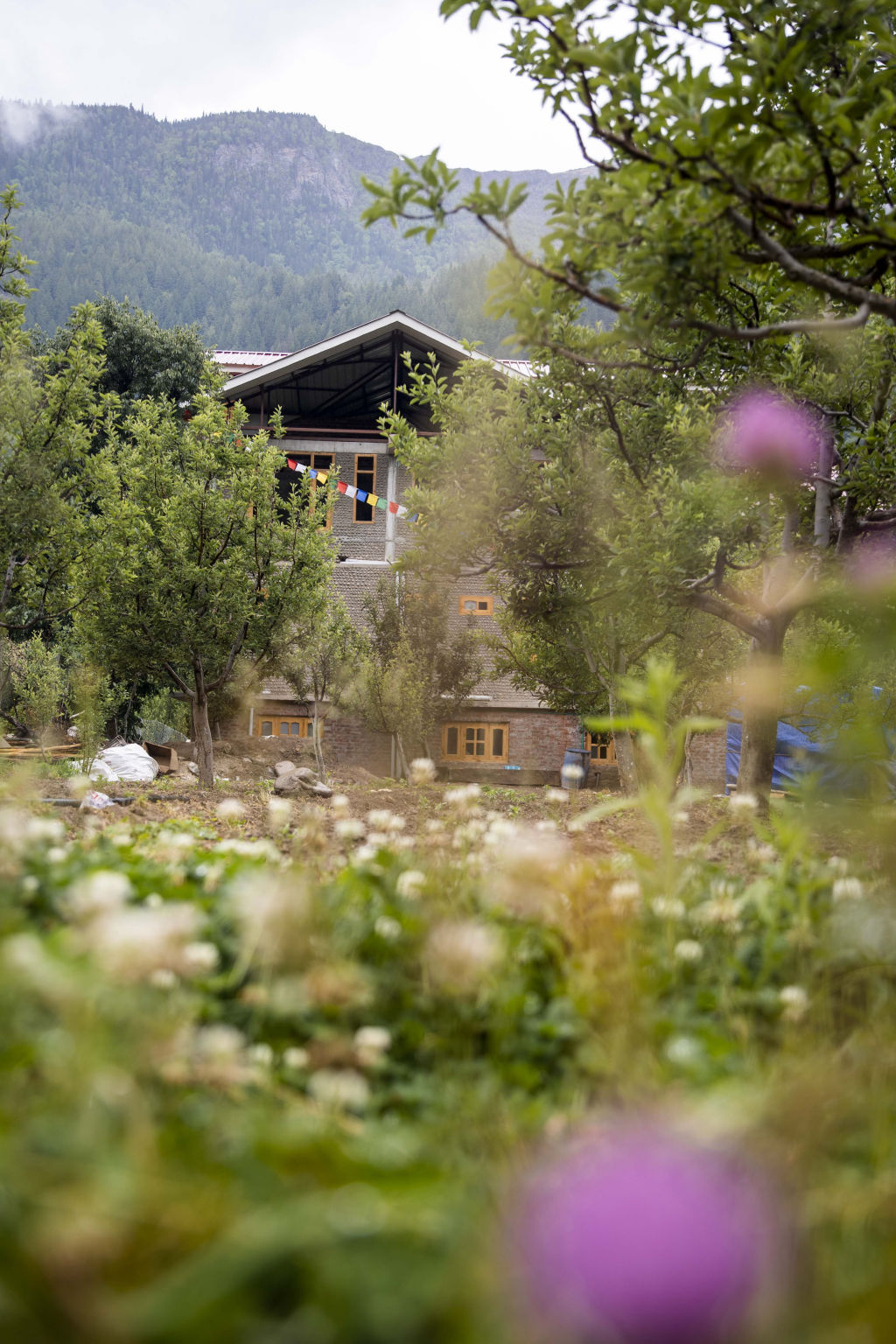
Because mountain settlements are vulnerable to ecological pressure, visitors should carry reusable bottles and avoid leaving plastic litter in the village. Accommodations in and around Kalpa include rustic village homestays, guesthouses, and scenic outdoor settings nestled among the orchards. Travellers can explore and book homestays, campsites, and local getaways in the area on HireACamp.
Frequently asked questions
Where is the Narayan Nagini Temple situated?
The temple is situated in the high-altitude village of Kalpa in the Kinnaur district of Himachal Pradesh, just above the town of Reckong Peo.
What is unique about the architecture of Narayan Nagini Temple?
The temple is constructed using the traditional Kath-Kuni architectural technique, combining alternating dry-stone masonry and deodar timber with intricate wood carvings and a slate roof.
Which deities are worshipped at this temple?
The temple is dedicated jointly to Lord Narayan, an aspect of Vishnu, and Nagini, the sacred serpent goddess, reflecting regional syncretic traditions.
What is the best time of year to visit the temple?
The best time to visit is from April to October, when the weather is mild, orchards are in bloom or fruit, and the roads through Kinnaur are generally clear.
Can visitors see the Kinner Kailash range from the temple area?
Yes, the open surroundings of Kalpa and the temple grounds offer direct, panoramic views of the sacred Kinner Kailash peaks across the valley.
Where you'll be
Near, Kalpa · 3 stays nearby shown with prices
Stays near Narayan Nagini Temple
Book a place to stay close by
More places near Narayan Nagini Temple
Within 20 km


Built from 0 Instagram posts by 0 creators. Every tip links back to the post it came from, and where creators disagree we show both sides.






