
Kinnaur Kailash
Peak near Tangling, Himachal Pradesh
7.4 km from Tangling
The nearest town, for stays, food and fuel.
Kinnaur Kailash is a sacred mountain peak rising high above the Kinnaur district in Himachal Pradesh. Revered in Hindu and Buddhist traditions, the peak is celebrated for its natural monolith rock pillar that resembles a Shiva lingam. Pilgrims and experienced trekkers venture into this rugged Himalayan terrain to witness breathtaking alpine views and experience one of northern India's most spiritually significant high-altitude journeys.
Getting there
By road
- From TanglingNearest town41 min · 27 km
- From Chandigarh7 hr 10 min · 349 km
- From Ludhiana9 hr 5 min · 451 km
- From Dehradun9 hr 15 min · 465 km
Typical drive times without traffic. Stations and airports from OLA Maps; distances and typical drive times from OpenStreetMap (© OpenStreetMap contributors); notes from creators' Reels.
About Kinnaur Kailash
Written with AI from map data and general knowledge. Check prices and timings locally before you go.
About Kinnaur Kailash
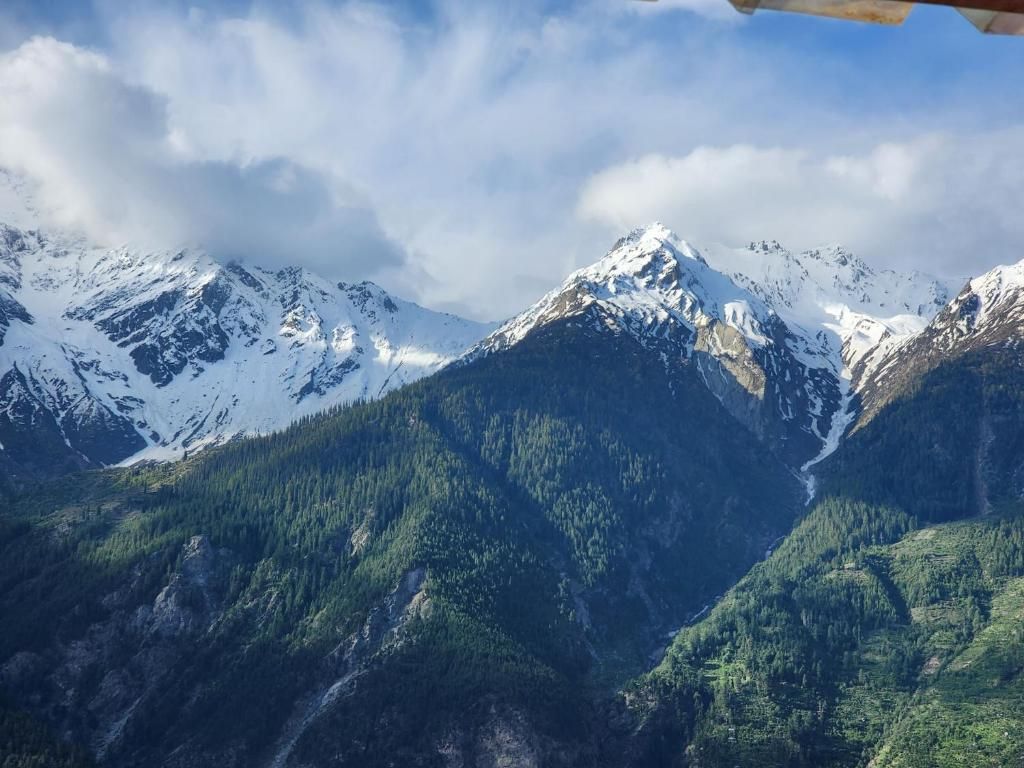
Kinnaur Kailash stands as one of the most imposing summits in the Greater Himalayan range of Himachal Pradesh. Located in the remote and culturally vibrant Kinnaur region, the mountain commands the horizon above the Sutlej river basin. Its most iconic feature is a striking vertical rock monolith measuring over seventy feet in height, situated along an arid, wind-swept ridgeline near the primary massif.
This distinct rock pillar is venerated as an earthly representation of Lord Shiva, making the peak one of the five sacred Kailash summits in Himalayan lore. Surrounded by towering glacial massifs, including the adjacent peak of Jorkanden, the landscape here represents the dramatic transition zone between lush Himalayan pine forests and the cold, high-altitude desert plateaus that border Tibet. The sharp granite spires, hanging glaciers, and sweeping moraines give the area a wild, untamed character that attracts both devout pilgrims and seasoned mountain explorers.
Mythological and Cultural Significance
Kinnaur holds a deep spiritual footprint where elements of ancient Hinduism and Tibetan Buddhism blend harmoniously. Local tradition considers Kinnaur Kailash to be the winter abode of Lord Shiva and Goddess Parvati. According to mythology, it was here that Shiva gathered with the divine pantheon, sanctifying the mountain's rocks and glaciers.
Pilgrims pay particular reverence to the shifting hues of the Kinnaur Kailash monolith. Local lore and observers recount that the natural stone pillar appears to change color over the course of the day, reflecting shades of gold in the morning sunlight, deep terracotta red by midday, and pale grey under moonlight. For the native Kinnauri communities, circumambulating the base of the sacred range or visiting the mountain shrine during designated pilgrimage periods is an act of deep spiritual merit that has been practiced for generations.
Read more
Trekking to Kinnaur Kailash
Reaching the upper flanks and the revered rock pillar of Kinnaur Kailash requires embarking on one of the most demanding high-altitude treks in Himachal Pradesh. The route typically begins from the valley floor near Tangling or Kalpa and climbs relentlessly across dense temperate forests, alpine meadows, steep scree slopes, and boulder fields before entering the sub-zero glacial zones.
The trail presents serious physical challenges due to steep elevation gains, thin air, and unpredictable mountain weather. Trekkers must cross high moraines and negotiate rocky passes where footpaths are rudimentary. Proper acclimatization is mandatory to minimize the risk of altitude sickness, and physical conditioning prior to the trek is essential. Because conditions can shift rapidly from sunshine to intense snowfall or blinding mist, hikers should always proceed with experienced local guides who understand the changing terrain and weather patterns of the Kinnaur Kailash range.
Best Time to Visit Kinnaur Kailash
The window for visiting the upper ridges of Kinnaur Kailash is short due to harsh winter snowfall and treacherous early spring runoff. The ideal trekking and pilgrimage season typically spans the mid-summer to early autumn months, from July through September. During this period, high mountain passes are generally clear of heavy snow, and daytime temperatures in the valleys remain relatively pleasant.
Travellers should note that July and August also bring monsoon showers to lower elevations of Himachal Pradesh, which can trigger landslides along the approach highways. However, higher reaches often experience clearer skies as the mountain ridge acts as a rain shadow. Autumn, especially September, brings crisp mornings, stable weather patterns, and exceptionally clear views of the snowy summits. By October, freezing temperatures return, dusting the ridgelines in fresh snow and closing the high routes until the following summer.
How to Reach Kinnaur Kailash
Kinnaur Kailash is located in the eastern corner of Himachal Pradesh. Reaching the region involves a long road journey along the historic Hindustan-Tibet Highway, National Highway 5. The closest commercial airport and broad-gauge railhead are in Chandigarh, from where travellers can hire private vehicles or take state transport buses eastward into the mountains.
The route passes through Shimla, Narkanda, and Rampur before following the winding course of the Sutlej river gorge toward Reckong Peo, the administrative center of Kinnaur, and the scenic mountain hamlet of Kalpa. Road conditions along the river canyon can be narrow and demanding, making sensible pacing and cautious driving essential. From the valley settlements, local transport or private cabs take trekkers to the trailhead villages where foot journeys into the mountain commence.
Places to Visit Nearby
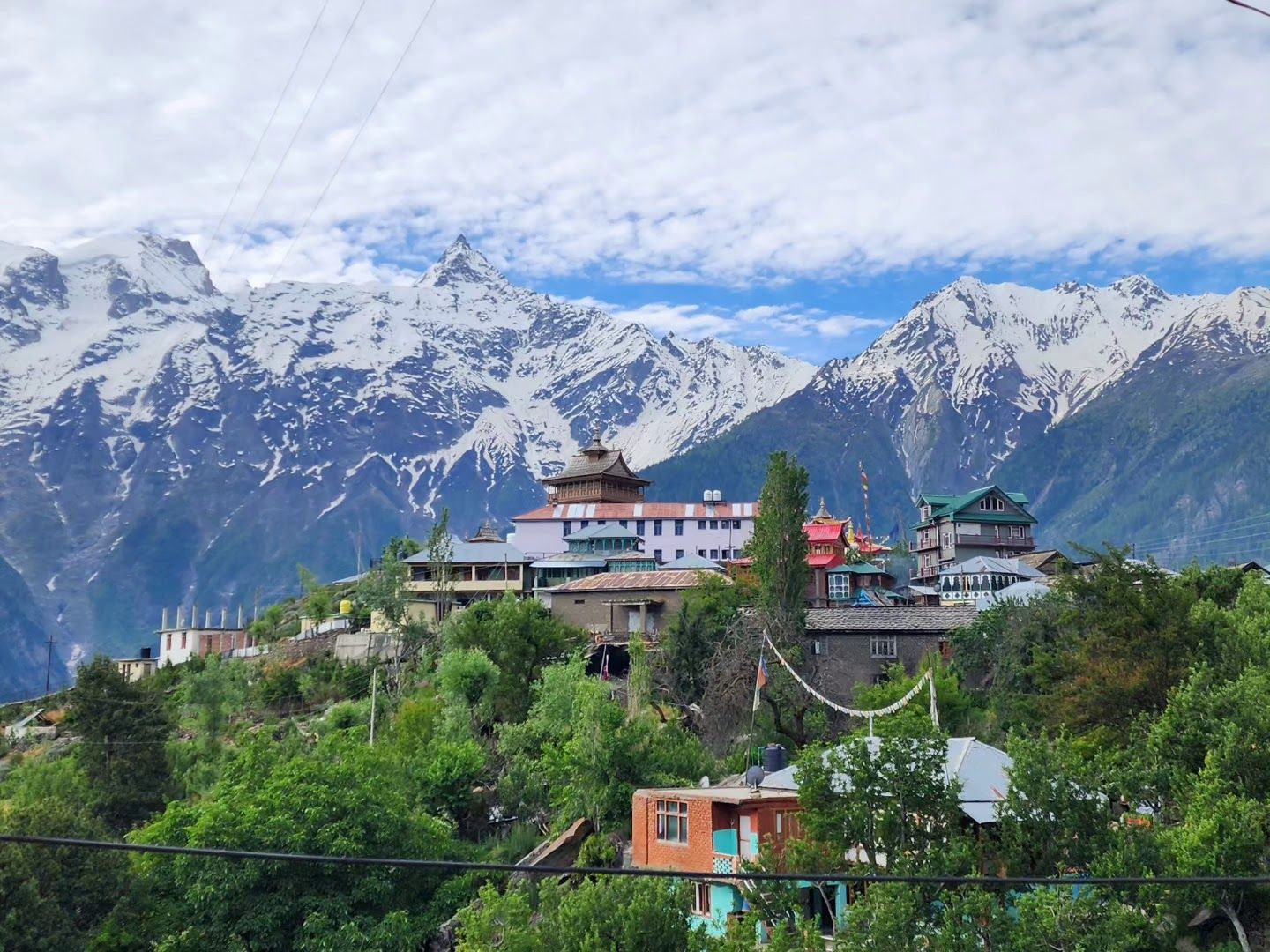
The valleys surrounding Kinnaur Kailash are dotted with traditional settlements and dramatic viewpoints that are worth exploring. Across the valley lies the village of Kalpa, famous for its apple orchards, traditional wood-and-stone architecture, and panoramic views of the entire Kinnaur Kailash massif rising directly in front of the town.
Further south in the picturesque Baspa Valley, travellers can visit Kamru Fort, a historic tower perched on a hill above Sangla village, known for its intricate wood carvings and ancient shrine. Nearby stands the historic Bering Nag Temple, an exceptional example of regional hill craftsmanship. Hikers seeking additional alpine trails can explore the Yulla Kanda trek, which leads to a sacred high-altitude lake, or embark on day walks such as the Rakchham to Chitkul hike through birch groves and meadows along the tumbling Baspa River.
Where to Stay Near Kinnaur Kailash
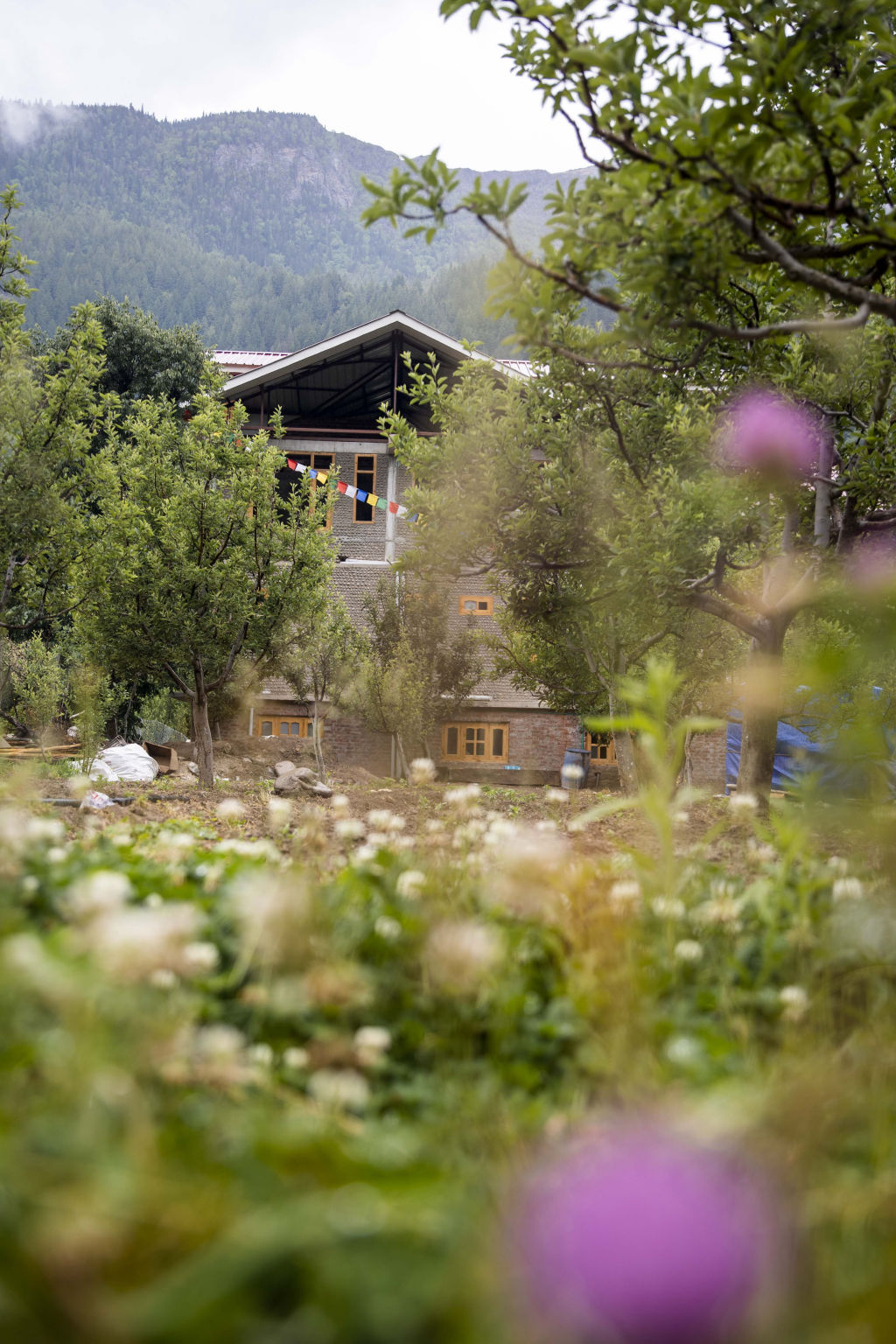
Accommodation options are concentrated in the nearby settlements of Kalpa, Reckong Peo, and the Sangla Valley. Travellers will find charming village homestays run by welcoming local families, small guesthouses, and scenic riverside campsites tucked among the pine woods. Stays in these towns provide easy access to local markets, dining spots, and trailheads.
During a trek on the mountain itself, accommodation is strictly self-supported wilderness camping, with trekkers carrying their own alpine tents and cold-weather gear to designated camp clearings along the route. For comfortable homestays, traditional mountain lodges, and verified outdoor stays throughout the Kinnaur district, travellers can explore the listings available on HireACamp.
Frequently asked questions
Where is Kinnaur Kailash located?
Kinnaur Kailash is located in the Kinnaur district of Himachal Pradesh in northern India, rising dramatically above the Sutlej river valley and the village of Kalpa.
How difficult is the Kinnaur Kailash trek?
The trek to Kinnaur Kailash is considered strenuous, involving steep ascents over rocky moraines and loose scree at high altitudes. It requires good physical fitness, proper acclimatization, and preferably the assistance of experienced local guides.
Can I see Kinnaur Kailash without doing the high-altitude trek?
Yes, you can enjoy panoramic views of the entire Kinnaur Kailash range without trekking by visiting vantage points in the village of Kalpa and surrounding ridge roads.
What should I pack for a visit to Kinnaur Kailash?
Pack sturdy waterproof trekking boots, multiple warm thermal layers, a windproof and waterproof jacket, sun protection, a personal medical kit, and a high-grade sleeping bag if you plan to camp along the trail.
Where you'll be
Himachal Pradesh · 3 stays nearby shown with prices
Stays near Kinnaur Kailash
Book a place to stay close by
More places near Kinnaur Kailash
Within 20 km


Built from 0 Instagram posts by 0 creators. Every tip links back to the post it came from, and where creators disagree we show both sides.






