
Lachung
Destination in Sikkim
Lachung is a high-altitude mountain village situated in the North Sikkim district, surrounded by snow-draped Himalayan peaks, pine forests, and cascading waterfalls along the banks of the Lachung River. It serves as the primary base for travellers exploring the rhododendron meadows of Yumthang Valley and the alpine wilderness of Zero Point. Visitors travel to Lachung to experience traditional Bhutia mountain culture, peaceful riverside walks, and some of the most dramatic landscapes in the Eastern Himalayas.
Getting there
About Lachung
Written with AI from map data and general knowledge. Check prices and timings locally before you go.
An Introduction to Lachung
Lachung sits at an elevation of approximately 2,700 metres in the rugged northern reaches of Sikkim. Divided by the swift currents of the Lachung Chu river, the settlement historically served as an important trading post between Tibet and Sikkim before high-altitude border closures altered regional commerce. Today, the village retains a unique traditional governance system known as the Dzumsa, a customary village council that oversees local welfare, environmental resources, and community affairs.
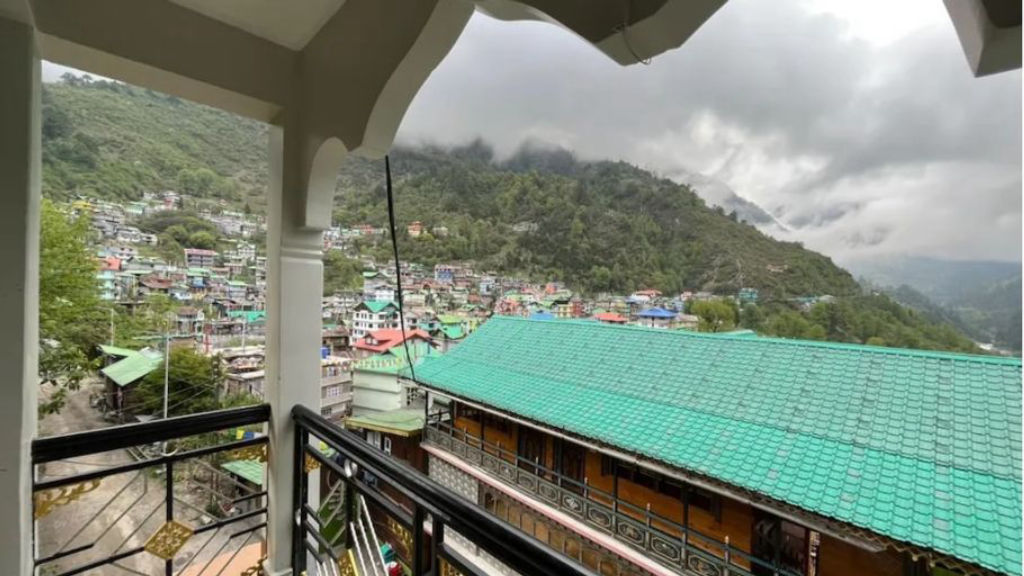
The residents of Lachung, predominantly of Bhutia descent and locally referred to as Lachungpas, cultivate apples, peaches, and hearty mountain vegetables across sloping terrace farms. Traditional wooden cottages with carved window frames stand set against towering granite precipices and alpine forests. Lachung maintains a quiet, rural atmosphere distinct from larger commercial hill towns, offering travellers an authentic glimpse into high-mountain living amidst steep glacial valleys.
Things to Do in and Around Lachung
Exploring Lachung is best done at an unhurried pace on foot along narrow village lanes. A prominent cultural stop is the Lachung Monastery, formally known as Samten Cheling, perched on a hillside above the main settlement. Established in the late nineteenth century, this Buddhist sanctuary houses intricate frescoes, prayer wheels, and sacred statues. A morning walk up to the monastery offers panoramic vistas across the river basin and surrounding summits, often accompanied by the quiet hum of resident monks at prayer.
Beyond the village lanes, visitors can walk down to the rocky banks of the Lachung River, where glacial runoff roars over massive granite boulders. The approach roads to the village feature prominent waterfalls, including the towering Bhim Nala falls and Twin Falls, which tumble down near-vertical rock faces. Local handloom traditions also thrive in the valley, where village artisans weave warm blankets, floor rugs, and traditional woollen garments suited to the sub-zero winter temperatures.
Read more
Excursions to Yumthang Valley and Zero Point
Lachung is celebrated as the stepping stone for journeys deeper into the high valleys of North Sikkim. Approximately twenty-five kilometres north lies the famous Yumthang Valley, sitting above the tree line at an elevation of roughly 3,500 metres. Known as the Valley of Flowers of Sikkim, Yumthang transforms into an expansive mosaic of colour each spring when numerous native rhododendron species, alpine primulas, and wildflowers carpet the riverbanks. The valley is also home to natural thermal sulphur springs, protected within traditional bathhouses believed by locals to carry therapeutic properties.
For those venturing further north toward the high-altitude border terrain, the road climbs beyond Yumthang to Yumesamdong, commonly called Zero Point. Perched at an altitude exceeding 4,500 metres, this windswept, treeless outpost marks the end of motorable civilian roads. Surrounded by snow-covered ridges and rocky scree, Zero Point provides breathtaking views of alpine meadows and grazing yaks, though the thin air and rapid weather shifts demand extra care and warm clothing.
Best Time to Visit Lachung
Lachung experiences distinct high-altitude Himalayan seasons, each offering a completely different perspective of the landscape. Spring, which runs from late March through May, is the most popular period for sightseeing. During these months, the valley comes alive with blooming rhododendrons, azaleas, and alpine flora, daytime temperatures are comfortable, and snow still crowns the surrounding peaks.
Autumn, from late September through November, offers clear mountain air, low humidity, and the highest visibility of the year. The days are crisp, and the deep blue skies make it an exceptional season for mountain photography and witnessing unhindered views of the Himalayan range. Winter brings biting cold from December to February, often blanketing Lachung and its higher reaches under heavy snow. While cold, winter appeals to snow lovers, though road access to Zero Point or Yumthang can be restricted during heavy blizzards. The summer monsoon from July to August brings heavy rains that frequently trigger landslides, making travel along mountain highways risky.
How to Reach Lachung
Travel to Lachung begins with an overland road journey starting from Gangtok, the state capital of Sikkim. The drive winds through dramatic gorges, crossing transit points such as Mangan and Chungthang, where the route splits toward Lachung to the east and Lachen to the west. Because of the rugged mountain terrain, single-lane stretches, and steep ascents, the journey typically takes six to eight hours, with travellers making stops at roadside tea stalls and waterfalls along the Teesta River basin.
The nearest broad-gauge railway hub is New Jalpaiguri, and the closest commercial airport is Bagdogra, both located in West Bengal. From either hub, travellers must first drive to Gangtok to arrange their onward journey into North Sikkim. Because Lachung lies within a sensitive border district, all non-resident visitors must travel on special permits issued by local government authorities. These permits are typically arranged through registered local travel operators in Gangtok a day before departure.
Practical Tips for Travellers
Travelling to Lachung requires sensible planning due to the remote mountain environment and high altitude. Altitude acclimatization is vital: spending at least one night in Gangtok prior to heading north gives your body time to adjust, particularly if you plan on ascending past Yumthang to Zero Point. Staying well-hydrated, avoiding abrupt physical overexertion, and carrying basic altitude and motion sickness remedies are recommended practices.
Warm, layered clothing is essential throughout the year. Even during spring and autumn days, temperatures fall swiftly once the sun drops behind the ridges, and winter necessitates thermal undergarments, insulated down jackets, woollen caps, and waterproof gloves. Public infrastructure in North Sikkim is basic; power outages and intermittent cellular networks are common during bad weather. It is advisable to carry fully charged portable power banks, adequate cash for personal expenses, and personal toiletries, as automated teller machines are not available in the village.
Where to Stay in Lachung
Accommodation options in Lachung are oriented toward authentic, unpretentious hospitality. The village primarily offers family-run homestays, wooden lodges, and alpine cottages designed to provide warmth and shelter against the mountain cold. Staying with local families provides a firsthand experience of Bhutia culture, featuring home-cooked meals made with seasonal greens, lentils, noodles, and piping hot mountain broths.
Because village utilities depend on mountain weather, most stays rely on wood-fired heating stoves or electric room heaters, with hot water typically provided in buckets or via solar systems. For travellers seeking verified homestays, cosy wooden cabins, and outdoor stays nestled along the valleys of North Sikkim, a diverse selection of stays in and around Lachung can be explored on HireACamp.
Frequently asked questions
Do I need a permit to visit Lachung?
Yes, North Sikkim is a protected border region, and all Indian and foreign visitors require official travel permits before visiting Lachung. These permits are arranged in Gangtok through authorized local travel agencies or tourism offices.
How long does it take to reach Lachung from Gangtok?
The drive from Gangtok to Lachung covers winding mountain roads through Chungthang and generally takes between six and eight hours, depending on road conditions and weather.
Can I visit Zero Point on a day trip from Lachung?
Yes, Zero Point is commonly visited as a day trip from Lachung, usually combined with a stop at Yumthang Valley. Travellers typically set out early in the morning and return to Lachung by afternoon.
Does it snow in Lachung during the winter?
Yes, Lachung regularly receives snowfall between late December and February, while higher passes such as Yumthang and Zero Point often remain under snow well into spring.
What kind of clothes should I pack for Lachung?
Carry warm thermal innerwear, fleece sweaters, a heavy windproof jacket, woollen socks, and gloves. Even in the spring and summer months, evenings in Lachung are very cold.
Where you'll be
1 stay nearby shown with prices
Stays near Lachung
Book a place to stay close by
Things to do in Lachung
12 places creators recommend within 30 km
Built from 0 Instagram posts by 0 creators. Every tip links back to the post it came from, and where creators disagree we show both sides.






