
Latu Devta Temple
Temple near Wan, Uttarakhand
4.2 km from Wan
The nearest town, for stays, food and fuel.
Latu Devta Temple is a revered mountain shrine located in Wan village in the Chamoli district of Uttarakhand. Considered the divine brother of Goddess Nanda Devi, Latu Devta holds a central place in the folk beliefs of the Garhwal region. Pilgrims and trekkers visit the temple to seek blessings before embarking on high-altitude trails across the surrounding Himalayan valleys.
Getting there
By road
- From WanNearest town2 min · 1 km
- From Dehradun6 hr 50 min · 302 km
- From New Delhi10 hr 5 min · 515 km
- From Chandigarh10 hr 30 min · 472 km
Typical drive times without traffic. Stations and airports from OLA Maps; distances and typical drive times from OpenStreetMap (© OpenStreetMap contributors); notes from creators' Reels.
About Latu Devta Temple
Written with AI from map data and general knowledge. Check prices and timings locally before you go.
About Latu Devta Temple
Perched amidst the towering cedar and deodar forests of Wan village, Latu Devta Temple stands as one of the most culturally intriguing religious sites in the Chamoli district of Uttarakhand. In local belief, Latu Devta is revered as the cousin or brother of Goddess Nanda Devi, the presiding deity of the Garhwal and Kumaon Himalayas. The temple occupies an important position in the ritual landscape of the region, functioning as a vital checkpoint and protector deity for travelers, pastoralists, and pilgrims crossing the mountain passes.
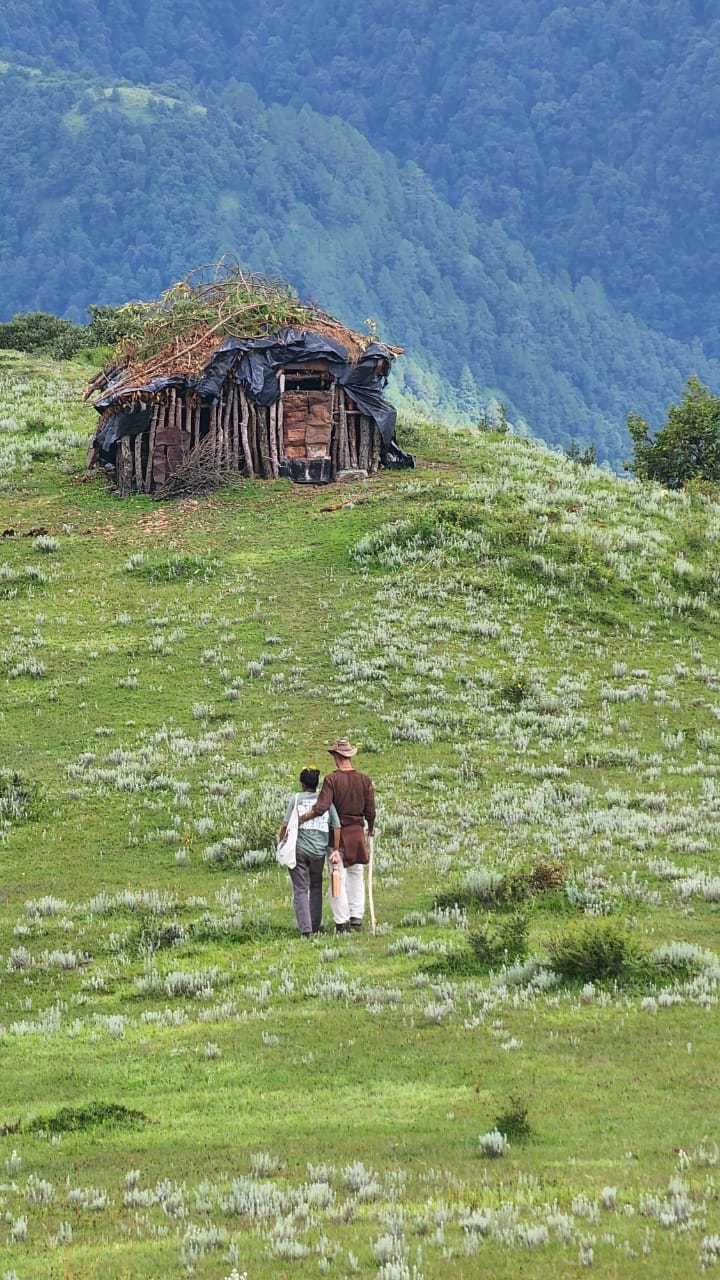
The shrine itself features traditional Himalayan hill architecture, constructed primarily with stone slabs and thick timber beams weathered by heavy winter snow. Wan serves as the final roadhead and populated outpost for famous wilderness routes leading towards alpine meadows and high tarns. Because of this setting, the temple complex acts as both a spiritual anchor for the village community and a quiet place of contemplation for outdoor travelers before they venture beyond human settlements.
Significance in Local Lore and Traditions
The lore surrounding Latu Devta is deeply rooted in regional faith and oral history. According to legend, when Goddess Nanda Devi was journeying across the mountains after her marriage, Latu accompanied her as a guardian. Thirst overcame him along the trail, and in his search for water, he inadvertently consumed a vessel containing intoxicating liquor. In his disorientation, he disturbed the local order, leading to his containment within a consecrated space where he was granted divine status as a protector of the realm.
A fascinating ritual practice surrounds the inner sanctum of Latu Devta Temple. Devotees and visitors are traditionally not permitted to enter the inner chamber directly, and even the head priest performs rituals while keeping his eyes covered or averted. Local lore speaks of a powerful serpent spirit residing within the sanctum, whose brilliant light and potent energy are considered beyond normal human endurance. Devotees gather outside in the open stone courtyard, offering prayers, ringing brass bells, and tying colorful cloth strips to seek safety, prosperity, and guidance.
Read more
Best time to visit Latu Devta Temple
The optimal period to visit Latu Devta Temple is during the late spring and pre-monsoon months of May and June, as well as the post-monsoon autumn window between September and November. In May and June, the harsh winter snow recedes from Wan village, opening the roads and painting the surrounding valleys with fresh greenery and blooming rhododendrons. The daytime temperatures are pleasant for walking through the village, though evenings remain brisk.
Autumn brings remarkably clear skies and crisp mountain air after the seasonal rains wash the atmosphere. During October and November, panoramic views of the distant high peaks become exceptionally sharp, making it an ideal time for both temple visits and trekking. The monsoon months of July and August bring heavy rainfall, which frequently triggers landslides along the mountain highways leading up to Wan. Winter transforms the village with thick blankets of snow from late December through March, during which road access can be blocked and temperatures routinely fall below freezing.
How to reach Latu Devta Temple
Reaching Latu Devta Temple requires a journey into the upper reaches of the Pindar and Nandakini valleys in Uttarakhand. The nearest major railhead is Rishikesh or Haridwar, while the closest commercial airport is Jolly Grant Airport in Dehradun. From these transit hubs, travelers typically drive along the Badrinath highway corridor through Rishikesh, Devprayag, Srinagar, and Rudraprayag, continuing past Karnaprayag and Tharali towards Dewal.
From the small market settlement of Dewal, a winding mountain road climbs steadily toward Lohajung and terminates at Wan village. The road from Dewal onwards is narrow, steep, and carved into the mountainside, rewarding visitors with sweeping vistas of terraced fields and forested slopes. Private taxis and shared local jeeps run along this route depending on weather and road conditions. Upon reaching Wan, a short walk along village stone paths through groves of ancient trees brings you directly to the entrance of Latu Devta Temple.
Tips for your visit
When visiting Latu Devta Temple, it is essential to observe local customs with care and respect. Because the shrine holds strict sacred boundaries, visitors should follow any instructions given by village elders or the resident priest, particularly regarding where one may stand and photograph. It is customary to remove footwear before stepping onto the stone platform surrounding the temple.
Weather in the high valleys can change rapidly, even during peak summer. Layered woolen clothing, windproof jackets, sturdy walking shoes, and rain gear are essential items to pack. Mobile network reception in Wan can be intermittent or nonexistent, so it is wise to make any urgent phone calls and download route maps before leaving lower towns like Dewal or Tharali. In addition, carrying adequate cash is recommended, as electronic payment terminals and automated teller machines are not available in remote mountain villages like Wan.
Trekking and places to visit nearby
Wan village and the vicinity of Latu Devta Temple serve as a major hub for wilderness exploration in the Garhwal Himalayas. The temple is one of the important sacred stations along the historic Nanda Devi Raj Jat pilgrimage route, which winds across alpine ridges and rocky passes every twelve years. Trekkers often use Wan as the base or exit point for famous trails traversing the Bugyals, the sweeping high-altitude pastures of Ali and Bedni, which offer dramatic views of Trishul and Nanda Ghunti.
Further into the upper ranges lie remote tarns like Roopkund, set amidst towering scree and snowfields, as well as routes connecting toward Kuari Pass, Durmital, and the fringes of the Nanda Devi Sanctuary. Those seeking cultural immersion can spend time walking through Wan itself, observing traditional timber-framed houses, stone water mills, and terraced farmlands that have sustained mountain communities for generations.
Where to stay near Wan
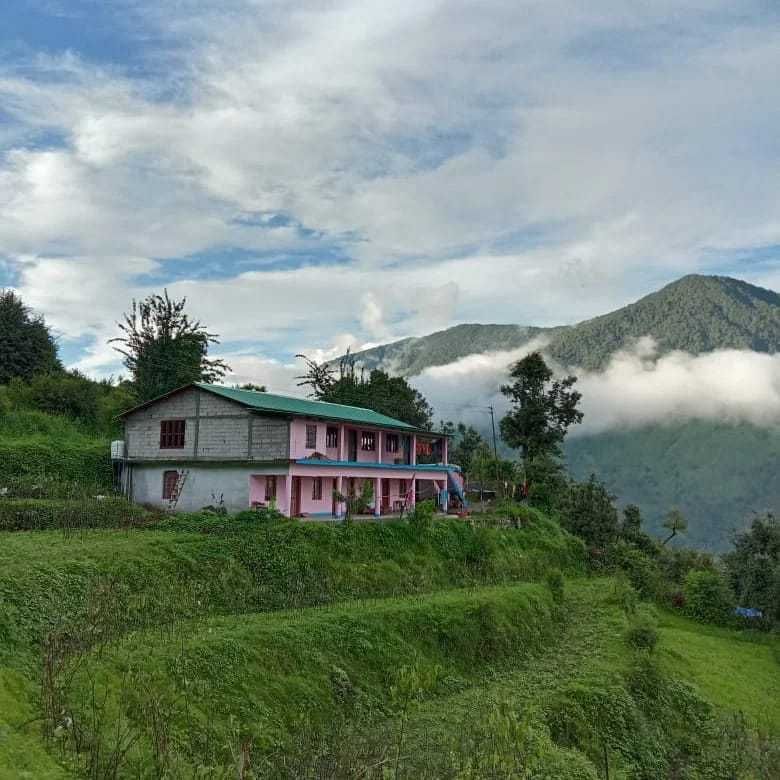
Accommodations around Wan village and the nearby settlement of Lohajung reflect the authentic, rural nature of the Himalayan foothills. Visitors will find rustic village homestays run by local families, providing warm hospitality, home-cooked regional meals, and insight into traditional Garhwali life. There are also designated camping spots on the edge of the village pastures where outdoor enthusiasts can pitch tents under clear mountain skies.
For those planning a stay in Wan or organizing an itinerary through the surrounding trails, a selection of vetted homestays, rural camps, and experiential outdoor stays can be discovered and reserved on HireACamp. Booking in advance is recommended during the busy spring and autumn trekking seasons when available rooms in the village fill quickly.
Frequently asked questions
Where is Latu Devta Temple located?
Latu Devta Temple is located in Wan village, situated in the Chamoli district of Uttarakhand, India.
Can visitors enter the sanctum of Latu Devta Temple?
Devotees and visitors are not permitted inside the inner sanctum. By tradition, even the temple priest performs rituals from outside or while keeping his vision covered, due to local beliefs regarding the powerful presence within.
What is the best time of year to visit Latu Devta Temple?
The best months to visit are from May to June during pre-monsoon summer, and from September to November during the clear autumn season.
Is Latu Devta Temple accessible by road?
Wan village marks the end of the motorable road from Dewal and Lohajung. From the roadhead in Wan, the temple is reached via a short walk along village stone paths.
What should I wear when visiting the temple?
Dress modestly in accordance with temple customs, and bring warm layers or windproof jackets, as temperatures in Wan can drop sharply during mornings and evenings.
Where you'll be
Wan, UT · 2 stays nearby shown with prices
Stays near Latu Devta Temple
Book a place to stay close by
More places near Latu Devta Temple
Within 20 km
Built from 0 Instagram posts by 0 creators. Every tip links back to the post it came from, and where creators disagree we show both sides.






