
Naneghat
Monument near Ghatghar, Maharashtra
1.9 km from Ghatghar
The nearest town, for stays, food and fuel.
Naneghat is a historic mountain pass in the Western Ghats of Maharashtra, carved through the Sahyadri range to connect the Konkan coast with the Deccan plateau. Renowned for its ancient rock-cut trade route and historic Satavahana inscriptions, it is a favoured destination for trekkers, history enthusiasts, and nature lovers. Visitors come to marvel at the massive stone-cut gorge, walk through centuries-old caves, and take in panoramic views of the rugged landscape.
Getting there
By road
- From GhatgharNearest town6 min · 2.7 km
- From Pune3 hr 15 min · 124 km
- From Nashik4 hr · 172 km
- From Mumbai 4 hr 25 min · 205 km
Typical drive times without traffic. Stations and airports from OLA Maps; distances and typical drive times from OpenStreetMap (© OpenStreetMap contributors); notes from creators' Reels.
About Naneghat
Written with AI from map data and general knowledge. Check prices and timings locally before you go.
About Naneghat and its History
Naneghat stands out among the passes of the Western Ghats because of its deep historical significance and dramatic engineering. Dating back over two thousand years to the reign of the Satavahana dynasty, this pass served as a crucial arterial trade corridor connecting coastal ports like Kalyan and Sopara to inland trade hubs on the Junnar plateau. The word nane translates to coin, while ghat means pass, indicating that traders once paid toll coins here before traversing the steep mountains.
At the summit of the pass sits a large stone toll pot, locally known as the Jakat Jakat, which was used to collect customs duties from passing merchants. Adjacent to the narrow gorge carved directly into the rock face lies a spacious cave containing ancient inscriptions written in the Brahmi script. These inscriptions, attributed to Queen Naganika, document royal lineage, Vedic sacrifices, and gifts bestowed upon the realm. They represent some of the earliest written historical records in Maharashtra, making the pass as captivating for archaeology enthusiasts as it is for hikers.
The Trek to Naneghat
Hiking up Naneghat is one of the classic trekking experiences in the northern Sahyadris. The traditional route begins at the base near Vaishakhare village along the Malshej Ghat road. From the base, the trail winds gently through deciduous forest, crossing seasonal streams and climbing gradually toward the imposing cliff wall that marks the edge of the plateau.
As you approach the upper section, the dirt path gives way to ancient rock-hewn steps carved directly into the bedrock. This section takes hikers through a sheer canyon flanked on both sides by vertical stone walls towering several dozen feet into the air. The final ascent requires steady footing, especially when wet, but the trail is well-defined and accessible to hikers with moderate fitness. For those who prefer not to trek all the way from the base, a motorable road from the Junnar side leads almost to the plateau edge, allowing visitors of varying endurance levels to experience the historic gorge.
Read more
Best Time to Visit Naneghat
The atmosphere at Naneghat changes dramatically with the turn of the seasons. The monsoon months between late June and September transform the rugged brown cliff faces into lush green terraces draped in falling water. During this time, strong updrafts blowing against the cliffs often create the famous reverse waterfall phenomenon, where mist and water droplets are propelled upwards into the air. While the monsoon offers dramatic cloud cover and roaring streams, the rock steps become slippery and thick fog can periodically obscure the panoramic vistas.
The post-monsoon period from October to November is considered by many to be the best window for hiking. The hills remain vibrantly green, the air is clean, and the skies clear up to reveal sprawling views of the Konkan plains and neighbouring peaks. The winter season, spanning December to February, brings cool breezes and mild daytime temperatures that are ideal for open-air exploration, photography, and camping on the wide plateau.
Things to See and Do at Naneghat
The primary highlight of the pass is walking through the sheer rock-cut corridor itself, where the chisel marks of ancient stone masons are still visible along the walls. Spending time inside the primary inscription cave allows visitors to view the weathered Brahmi lettering up close, alongside rock-cut benches and water cisterns that sheltered ancient travellers and caravans.
Beyond the historic pass, the Naneghat plateau offers sprawling vantage points overlooking the Konkan lowlands. Walking toward the cliff edges rewards you with striking vistas of surrounding forts like Jivdhan, Gorakhgad, and the prominent thumb-like pinnacle of Machindragad. On clear nights during the drier months, the plateau is also a well-regarded spot for stargazing due to its elevation and relatively low light pollution compared to nearby cities.
How to Reach Naneghat
Naneghat is located in the Western Ghats along the border of Thane and Pune districts, with Murbad being the nearest prominent town on the Konkan side. Travelers starting from Mumbai or Thane typically drive along the Kalyan-Ahmednagar highway passing through Murbad, heading toward Vaishakhare at the foot of Malshej Ghat. State transport buses running along this highway can drop passengers at the start of the trekking route near Vaishakhare.
Travelers arriving from Pune or Junnar can approach Naneghat from the plateau side. The route proceeds through Junnar town and winds westward toward Ghatghar village, which sits just behind the top of the pass. Approaching from this direction involves minimal walking to reach the caves and the toll jar, making it a convenient option for families or travellers who wish to skip the steep ascent.
Tips for Your Visit
Because the trail involves bare rock and stone stairs, wearing sturdy trekking shoes with reliable grip is essential, particularly during the wet monsoon season. The rock surfaces can be slick with algae, so walking poles can provide helpful stability on both the ascent and the descent.
Facilities on the mountain are limited, so carry enough drinking water and lightweight snacks to sustain your journey. If you visit during the monsoon, protect your electronics and spare clothes with waterproof dry bags, as the winds and rainfall at the pass can be intense. Always respect the heritage value of the site by avoiding touching or defacing the ancient inscriptions, and carry all waste back down with you to keep the trails pristine.
Places to Visit Nearby
The region surrounding Naneghat is dense with natural landmarks and ancient hill forts. Just down the highway lies Malshej Ghat, known for its deep valleys, dramatic viewpoints, and roadside waterfalls that draw huge crowds during the rains. Adjacent to Naneghat sits the formidable fort of Jivdhan, which once guarded the southern entrance of the pass and features its own ancient rock-cut climbing routes.
Further into the range, experienced trekkers can explore the legendary heights of Harishchandragad and its famed Konkan Kada cliff, or visit Sindola Fort, another historic outpost overlooking the trade corridors. To the south, the dramatic twin pinnacles of Gorakhgad and Machindragad offer challenging day hikes for seasoned adventurers seeking steep cliff trails.
Where to Stay Near Naneghat
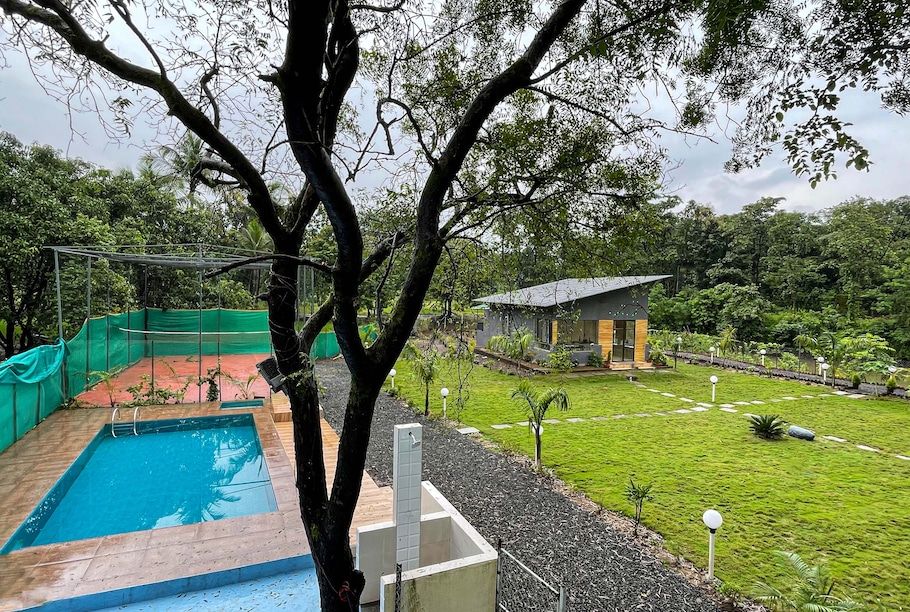
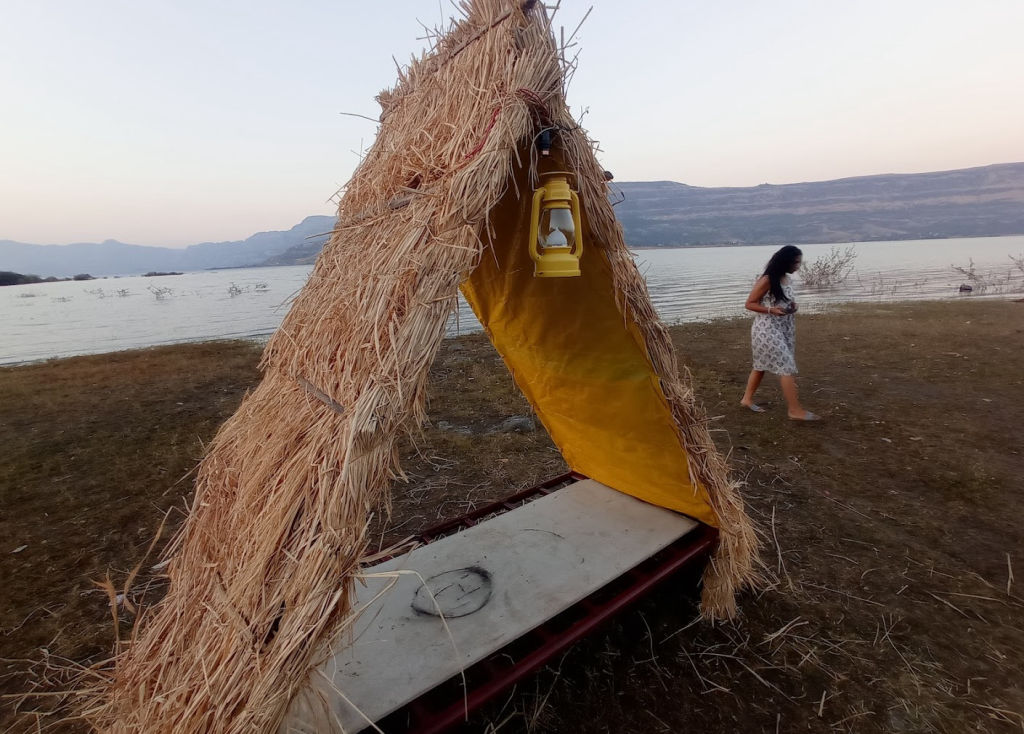
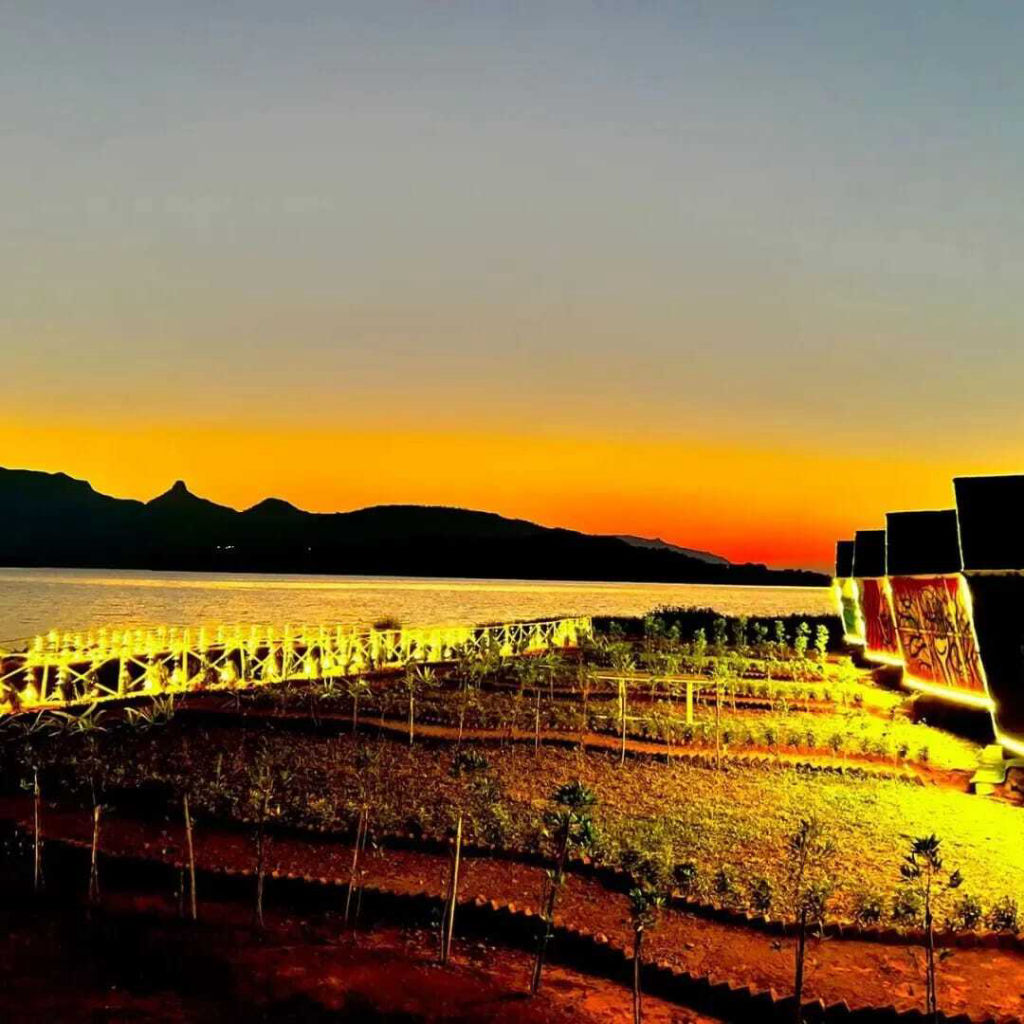
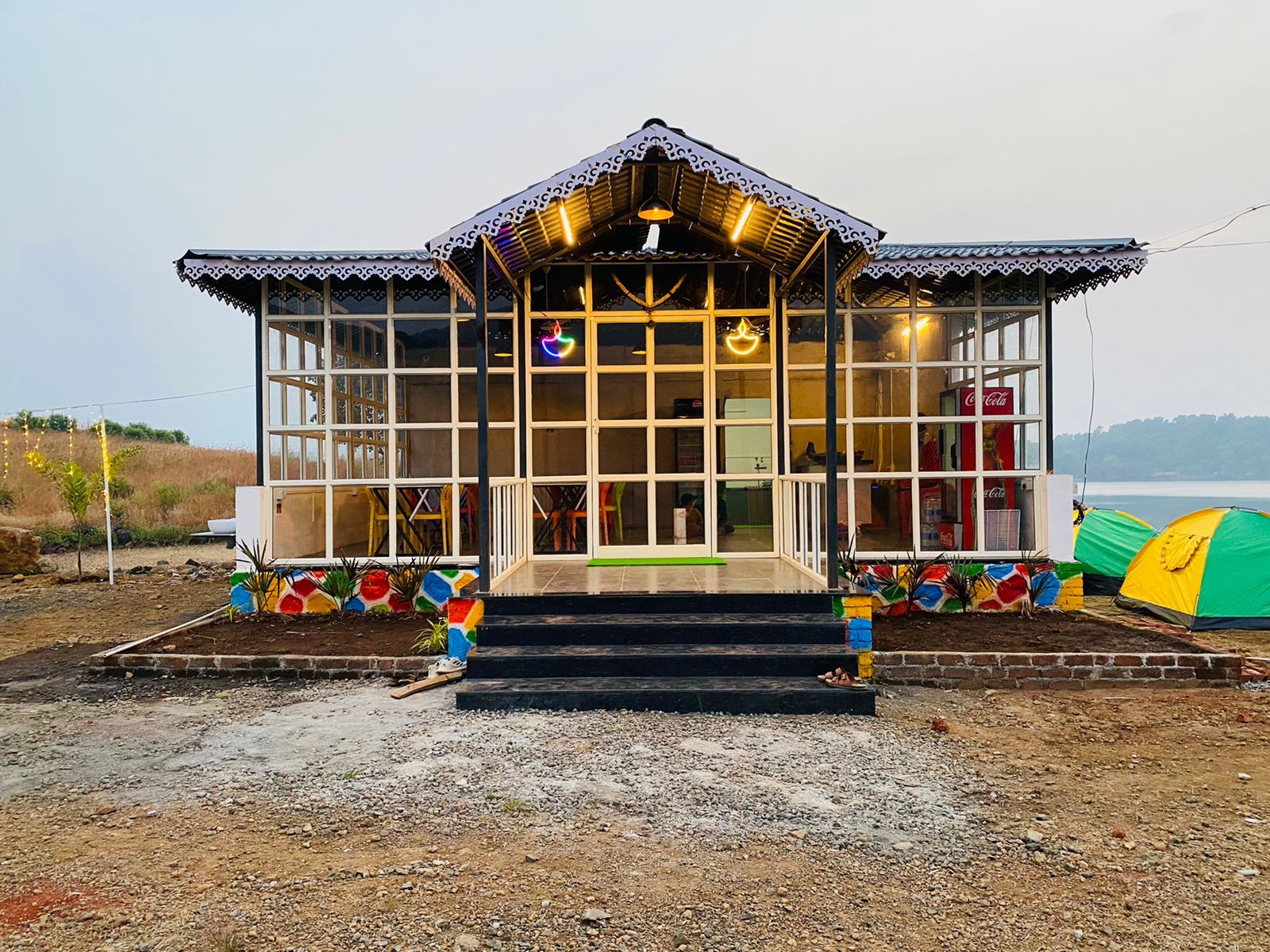
Visitors planning an overnight getaway near Naneghat will find peaceful accommodation options scattered across the surrounding countryside and near Murbad. Rather than conventional commercial hotels, the area lends itself to outdoor camping, rustic cottages, and quiet village homestays nestled among the foothills. You can explore and book verified campsites and homestays near Naneghat on HireACamp to enjoy an authentic stay close to nature.
Frequently asked questions
How long is the trek to Naneghat?
The trek from the base village of Vaishakhare takes approximately two to three hours to reach the summit, depending on your pace and the trail conditions. Those driving from the Junnar side can reach the top plateau with only a short five to ten minute walk.
What is the historical significance of Naneghat?
Naneghat was an ancient trade route established during the Satavahana era around the first century BCE to link coastal ports with the Deccan plateau. It contains a rock-cut toll pass, ancient rest caves, and famous Brahmi inscriptions detailing the reign and sacrifices of Queen Naganika.
Can beginners do the Naneghat trek?
Yes, the trek is suitable for beginners with average physical fitness. The path is clearly marked, though the stone steps near the top require cautious footing, especially when wet during the monsoon season.
Is Naneghat accessible by vehicle?
Vehicles can drive close to the top of the pass from the Junnar and Ghatghar side, leaving only a brief walk to the caves and gorge. The Murbad and Vaishakhare approach from the Konkan plains requires walking the full hiking trail.
What is the reverse waterfall at Naneghat?
During the peak monsoon season, strong updraft winds hitting the vertical cliffs force cascading rainwater back upward into the sky, creating the illusion of water flowing in reverse.
Where you'll be
in the Western Ghats Mountain range; Maharashtra, India, Murbad, MH · 6 stays nearby shown with prices
Stays near Naneghat
Book a place to stay close by


More places near Naneghat
Within 20 km


Lists for this area
Ranked by how many creators recommend each place


Built from 0 Instagram posts by 0 creators. Every tip links back to the post it came from, and where creators disagree we show both sides.






