
Rudranath
Temple near Sari, Uttarakhand
7.6 km from Sari
The nearest town, for stays, food and fuel.
Rudranath is an ancient stone temple dedicated to Lord Shiva, situated amidst vast alpine meadows high in the Chamoli district of Uttarakhand. Celebrated as the fourth shrine in the sacred Panch Kedar pilgrimage circuit, it is revered as the place where Shiva's face is worshipped. Trekkers and devotees make the demanding journey across steep mountain trails to seek blessings and witness panoramic vistas of Himalayan giants like Nanda Devi and Trishul.
Getting there
By road
- From SariNearest town1 hr 25 min · 35 km
- From Dehradun6 hr 15 min · 267 km
- From New Delhi9 hr 30 min · 480 km
- From Chandigarh9 hr 55 min · 437 km
Typical drive times without traffic. Stations and airports from OLA Maps; distances and typical drive times from OpenStreetMap (© OpenStreetMap contributors); notes from creators' Reels.
About Rudranath
Written with AI from map data and general knowledge. Check prices and timings locally before you go.
The Legend and Significance of Rudranath
Rudranath holds a unique position among the Panch Kedar temples of Garhwal. According to Hindu mythology, the Pandavas sought redemption from Lord Shiva after the Kurukshetra war. Shiva eluded them by taking the form of a bull, but when discovered, he dove into the earth. Different parts of his body reappeared at five distinct locations in the Himalayas. At Rudranath, his face manifested, earning the temple the distinction of being the shrine where Shiva is worshipped in his peaceful Neelkanth form.
The temple itself is a modest, naturally formed stone cave complex tucked against a cliff face. Inside the sanctum, the idol is carved naturally from rock, adorned with flowers and traditional ornaments during the pilgrimage season. When severe winter sets in, the temple closes, and the symbolic idol of Lord Shiva is ceremoniously carried down to the Gopinath Temple in Gopeshwar, where worship continues until the snow melts in late spring.
The Trekking Route to Rudranath
The trek to Rudranath is widely considered the most physically demanding among the Panch Kedar pilgrimages due to its steep ascents and remote terrain. The most common starting point is Sagar village, located a short drive from Gopeshwar. From Sagar, the trail begins as a gradual stone path winding through farmland and thick mixed forests of oak, deodar, and rhododendron.
As the trail climbs higher, the tree line begins to recede, opening up into expansive alpine grasslands known locally as bugyals. The ascent passes through intermediate halting areas such as Punar Bugyal, Panar Bugyal, and Pitradhar, where trekkers traditionally offer small stones as prayers for a safe crossing. Beyond Pitradhar, the path descends into the fragrant meadows of Panchganga before making the final push toward the temple complex. An alternative, equally scenic route begins from Mandal village via Ansuya Devi Temple, merging near the ridge lines above.
Read more
Best Time to Visit Rudranath
The pilgrimage and trekking season for Rudranath generally runs from late May to October, aligning with the official opening and closing dates determined by temple authorities each year. May and June offer pleasant daytime conditions, clear morning skies, and vibrant green meadows recovering from the winter thaw, though patches of snow can linger along the high ridges.
The monsoon months of July and August bring heavy rainfall across Uttarakhand, transforming the meadows into lush carpets of wildflowers. However, trekking during this time requires caution due to slippery trails and the risk of landslides in the lower valleys. September and October are considered by many to be the finest months for walking the trail, characterized by crisp, cool air, dry tracks, and exceptionally clear mountain vistas before the first winter snowfalls arrive.
Flora, Fauna, and Alpine Landscapes
The journey to Rudranath passes directly through parts of the Kedarnath Musk Deer Sanctuary, an ecologically vital biosphere in the Western Himalayas. In the lower altitudes, dense woodlands shelter a wide range of bird species, including the vibrant Himalayan monal, laughingthrushes, and varied warblers. Walking under the shade of ancient rhododendron trees is particularly striking during the spring blooming season.
Above the tree line, the landscape transitions into the rolling grasslands of Panar Bugyal and Lyti Bugyal. These fragile high-altitude ecosystems support diverse alpine flora, including wild anemones, primulas, and rare medicinal herbs. The region is also habitat for Himalayan wildlife such as the musk deer, bharal (blue sheep), and red fox. From the ridges above the temple, on a clear day, the horizon opens up to reveal commanding views of peaks including Nanda Devi, Trishul, Nanda Ghunti, and Hathi Parvat.
Tips for Trekking to Rudranath
Because the trail involves a sharp gain in elevation over a relatively short distance, proper physical preparation is essential. Trekkers should acclimatize adequately in towns like Gopeshwar or Mandal before beginning the continuous uphill climb. Hydration is vital throughout the trek, and carrying a reusable water bottle along with water purification tablets is strongly advised.
Weather conditions in the high Himalayas can shift rapidly from sunshine to rain or sleet. Dress in versatile layers, including thermal innerwear, a warm fleece or down jacket, and reliable rain protection. Sturdy, broken-in trekking boots with good ankle support are critical for navigating rocky sections and steep downhill stretches. Mobile connectivity drops significantly once you leave Sagar or Mandal, so make necessary family calls and downloads prior to starting.
Places to Visit Near Rudranath
The region surrounding Rudranath is dotted with cultural, natural, and spiritual landmarks. Near the trailhead in Gopeshwar stands the ancient Gopinath Temple, a massive stone structure dedicated to Lord Shiva that features an ancient trident made of various metals and houses the winter deity of Rudranath.
Another rewarding detour from Mandal is the trek to Ansuya Devi Temple and the nearby Atri Muni cave and waterfall. For those exploring the broader region, the Chopta Valley lies within driving distance, serving as the base for treks to Tungnath Temple—the highest Shiva temple in the world—and the summit of Chandrashila Peak. High-altitude natural lakes like Diur Tal also lie nestled in the surrounding valleys, offering serene vistas for enthusiastic backcountry explorers.
Where to Stay for the Rudranath Trek
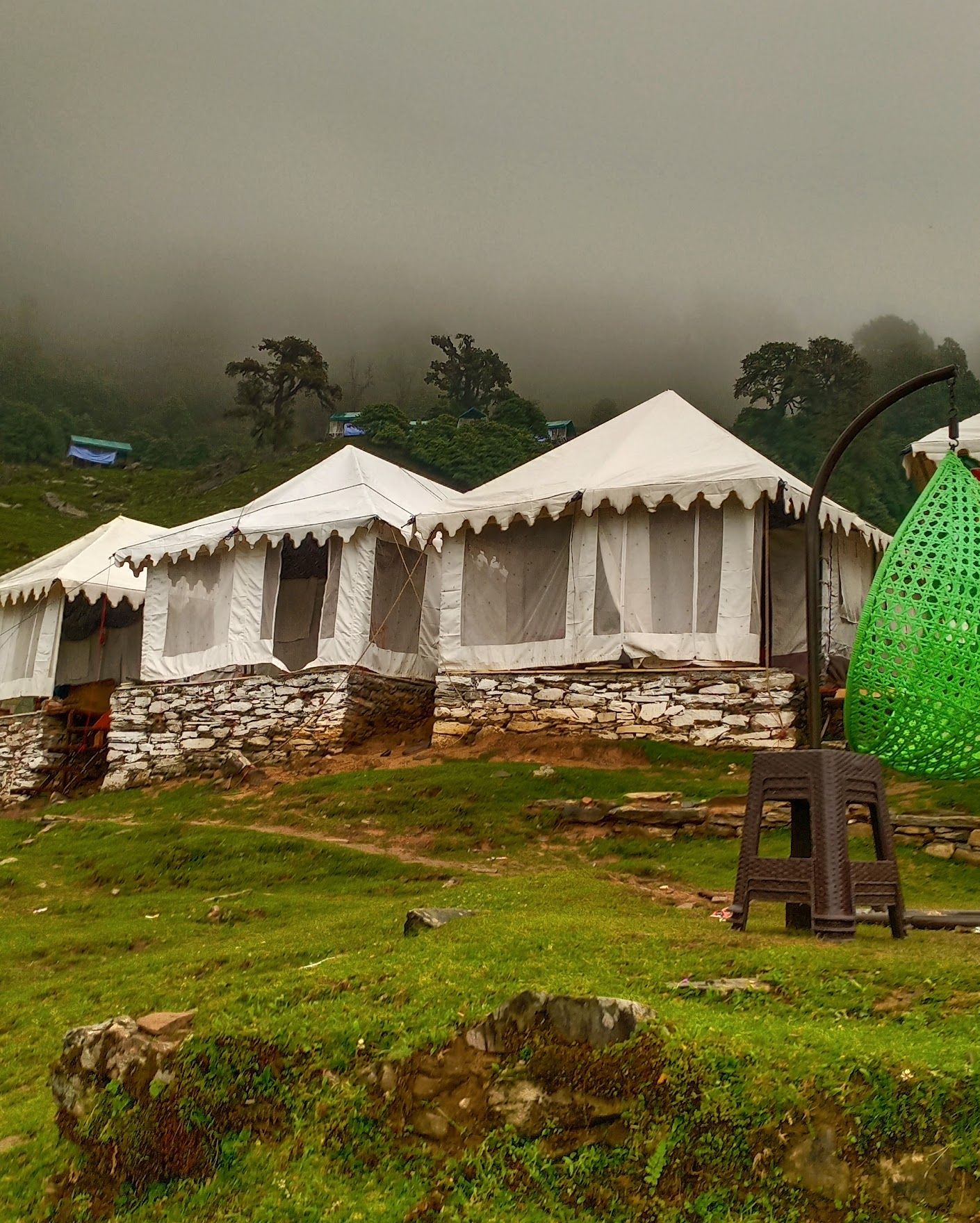
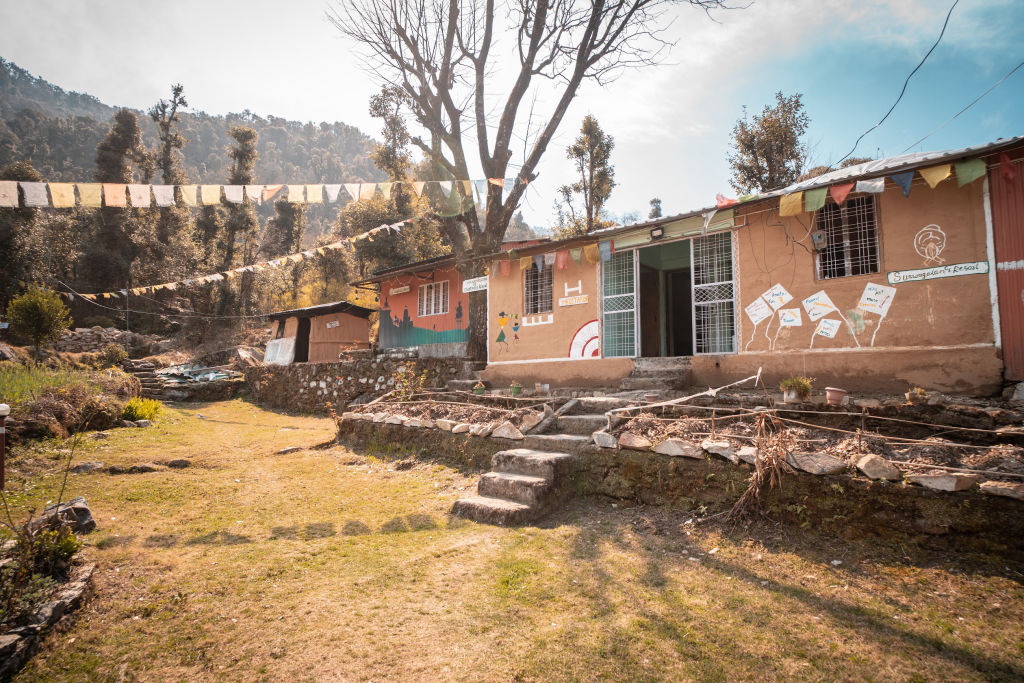
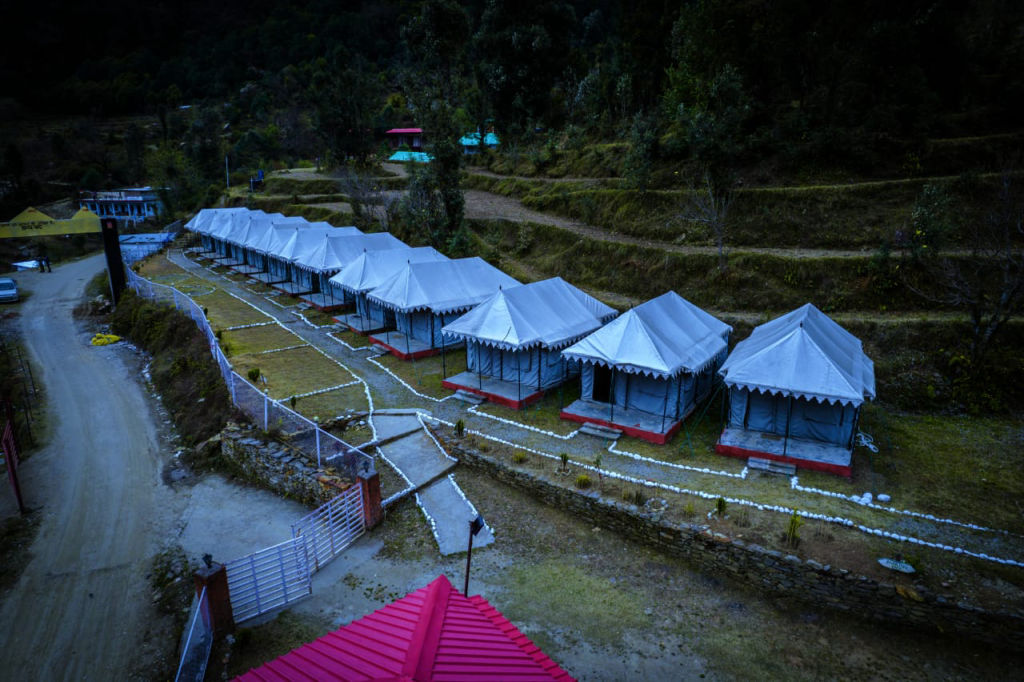
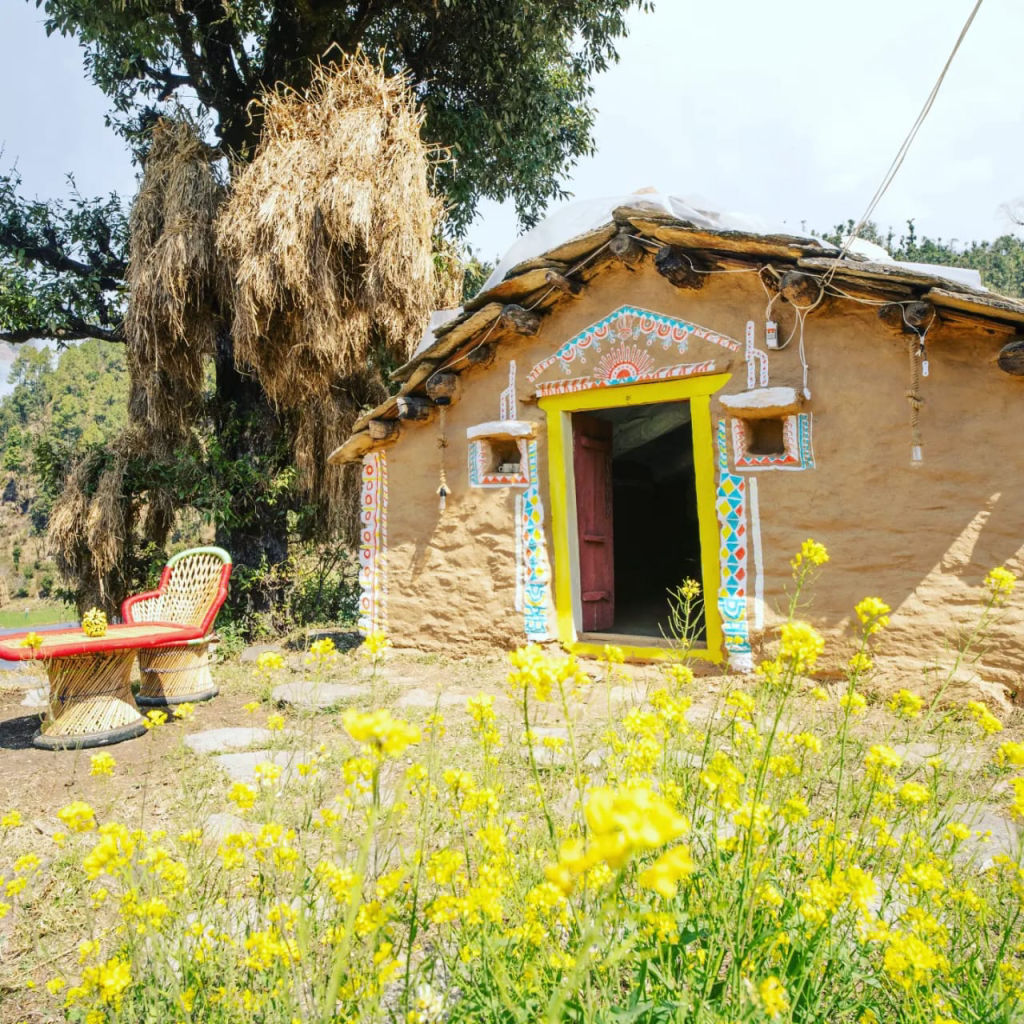
Along the trail to Rudranath, accommodation options are extremely basic, consisting mainly of simple shepherd huts, shared pilgrim shelters, and seasonal tented campsites at Panar Bugyal and near the temple complex. Travelers seeking more comfortable lodging typically stay in nearby valley towns before and after the trek.
Gopeshwar and the quiet settlements around Mandal and Chopta offer a range of rural homestays, nature retreats, and eco-camps set amidst forested hills. Stays near the trailheads can be discovered and booked on HireACamp, giving you a peaceful base to rest before tackling the demanding trail.
Frequently asked questions
How difficult is the trek to Rudranath?
The trek to Rudranath is considered moderately strenuous to difficult due to sustained steep ascents through dense forests and high meadows, with an elevation gain of over two thousand meters.
Where does the trek to Rudranath start?
The primary and most popular trailhead starts from Sagar village, located approximately five kilometers from Gopeshwar, while an alternative trail begins from Mandal village via Ansuya Devi.
When does Rudranath Temple open and close?
The temple generally opens around mid-to-late May and closes shortly after Diwali in October or November, depending on annual astrological dates and snow conditions.
Is accommodation available near the Rudranath Temple?
Yes, basic shelter is available near the temple in pilgrim dormitories and seasonal tented arrangements, though facilities are simple and require carrying warm personal bedding.
What part of Lord Shiva is worshipped at Rudranath?
At Rudranath, the face of Lord Shiva is worshipped as Neelkanth Mahadev, making it unique among the five Panch Kedar shrines.
Where you'll be
Uttarakhand · 4 stays nearby shown with prices
Stays near Rudranath
Book a place to stay close by
More places near Rudranath
Within 20 km

Built from 0 Instagram posts by 0 creators. Every tip links back to the post it came from, and where creators disagree we show both sides.






