
Gopinath Temple
Temple near Gopeshwar, Uttarakhand
400 m from Gopeshwar
The nearest town, for stays, food and fuel.
Gopinath Temple is an ancient Hindu shrine dedicated to Lord Shiva, situated along Gopinath Mandir Marg in Gopeshwar, Uttarakhand. Built in traditional Himalayan stone architecture, it is renowned for its historic sanctum and an imposing metal trident preserved in its open courtyard. Travellers and pilgrims visit to experience its deep spiritual legacy, intricate stone craftsmanship, and serene mountain setting.
Getting there
By road
- From GopeshwarNearest town9 min · 2.8 km
- From Dehradun5 hr 10 min · 249 km
- From New Delhi8 hr 25 min · 461 km
- From Chandigarh8 hr 50 min · 418 km
Typical drive times without traffic. Stations and airports from OLA Maps; distances and typical drive times from OpenStreetMap (© OpenStreetMap contributors); notes from creators' Reels.
About Gopinath Temple
Written with AI from map data and general knowledge. Check prices and timings locally before you go.
History and Architecture of Gopinath Temple
Gopinath Temple stands out as one of the most prominent architectural treasures in the upper Garhwal region of Uttarakhand. Constructed predominantly of dressed grey stone blocks, the main sanctum features the classical Nagara-style curvi-linear tower, known as a shikhara, crowned by an amalaka and kalasha. Regional chronicles attribute the foundation of the temple complex to the Katyuri rulers, who governed the central Himalayan valleys between the ninth and eleventh centuries.
The exterior walls, lintels, and entranceways of the temple complex display weathered stone carvings depicting divine figures, floral motifs, and early medieval Himalayan design elements. Inside the sanctum sanctorum, the Shiva lingam is worshipped as Gopinath. Unlike many shrines where continuous offerings are poured directly on top of the deity, rituals here follow unique regional traditions maintained by generations of local priests. Surrounding the principal sanctum are smaller sub-shrines dedicated to Lord Ganesha, Lord Hanuman, and Goddess Parvati, creating an intimate courtyard retreat nestled in the middle of Gopeshwar.
The Legendary Trident of Gopeshwar
One of the most remarkable features of Gopinath Temple is the monumental metal trident, or trishul, planted firmly within the stone-paved courtyard. Rising several meters high, this ancient staff is crafted from a resilient metallic alloy that has resisted rust and mountain weathering across many centuries. Inscriptions in ancient Sanskrit script are etched along its surface, with epigraphs detailing royal patronage, including references associated with King Anekmalla of Nepal from the late twelfth or early thirteenth century.
Local folklore weaves captivating legends around this sacred weapon. According to Garhwali lore, the trident was wielded by Lord Shiva himself to strike down Kamadeva, the deity of desire, when he attempted to interrupt Shiva's deep meditation. Devotees also hold the belief that the trident cannot be shaken by physical force alone, but will respond with a faint vibration to the respectful touch of a sincere worshipper. For pilgrims and historians alike, the artifact remains a source of reverence and archaeological intrigue.
Read more
Best Time to Visit Gopinath Temple
Gopeshwar enjoys typical Himalayan weather influenced by its elevation, making the temple accessible through most of the year. The spring and summer months between March and June bring the most pleasant daytime weather, with clear skies and comfortable temperatures that reveal snow-capped ridges in the distance. This season also coincides with the opening of popular pilgrimage routes throughout the upper Chamoli district, creating an active and welcoming ambiance in the town.
The monsoon period during July and August brings heavy rain to the mountains, clothing the nearby valleys in deep green while making travel across mountain highways more challenging due to potential rockfalls and roadblocks. Autumn, spanning September to November, brings cool weather, crisp mountain air, and outstanding panoramic visibility. Winters from December to February are chilly, with cold nights and frosty mornings, though the temple remains open for daily worship and offers an exceptionally quiet, contemplative atmosphere.
How to Reach Gopinath Temple
Gopinath Temple is located right in Gopeshwar, the administrative headquarters of Chamoli district, which makes it approachable through major transit arteries in the state. The nearest significant railway junction and airport are situated down in Rishikesh and Dehradun. From these foothill gateways, travellers typically head uphill via shared taxis, private vehicle rentals, or state-operated mountain buses that travel along the standard pilgrimage corridors.
The route traces the course of the Alaknanda River, passing historic river confluences including Devprayag, Srinagar, Rudraprayag, and Karnaprayag before reaching Chamoli town. From Chamoli, a brief winding uphill road leads directly into Gopeshwar. While the journey involves navigating winding mountain roads over several hours, the scenic valley landscapes make it thoroughly rewarding. Travellers are encouraged to check local highway conditions before setting out, particularly during the rainy months.
Places to Visit Near Gopeshwar
A trip to Gopinath Temple can easily serve as the gateway to wider natural and cultural highlights across the Garhwal Himalayas. Just downhill from Gopeshwar lies Nandaprayag, the peaceful confluence of the Alaknanda and Nandakini rivers, where visitors can spend quiet moments by the riverbanks. The Kedarnath Musk Deer Sanctuary borders the surrounding ranges, protecting dense broadleaf forests, alpine meadows, and rich biodiversity.
Travellers interested in outdoor trails can head towards the scenic expanses of Chopta Valley, which serves as the starting point for treks to Tungnath, the highest Shiva temple in the world, and onward to the summit of Chandrashila Peak. High-altitude ridges offer dramatic vantage points overlooking majestic peaks like Nanda Devi. For those seeking off-the-beaten-path landscapes, routes toward the Pindar River basin, Pangarchula Base Camp, and quiet mountain waters like Diur Tal offer memorable day excursions.
Tips for Your Visit
When planning your visit to Gopinath Temple, keeping a few practical guidelines in mind will ensure a smooth trip. Dress conservatively in keeping with traditional temple etiquette, and remember to leave your footwear at the designated storage space before entering the inner sanctum. Photography may be restricted inside the main shrine, so it is always thoughtful to ask the local priests before taking photographs of the sanctum or during prayer rituals.
Weather conditions in the mountains can shift quickly, so carrying layered clothing is recommended regardless of the season, alongside heavier woollens if travelling between November and March. Sturdy footwear is helpful for walking on Gopeshwar's stone alleys and uphill pathways. Taking time to interact politely with local caretakers can enrich your visit, as they often share lesser-known stories about the temple courtyard, the trident inscriptions, and regional lore.
Where to Stay Around Gopeshwar
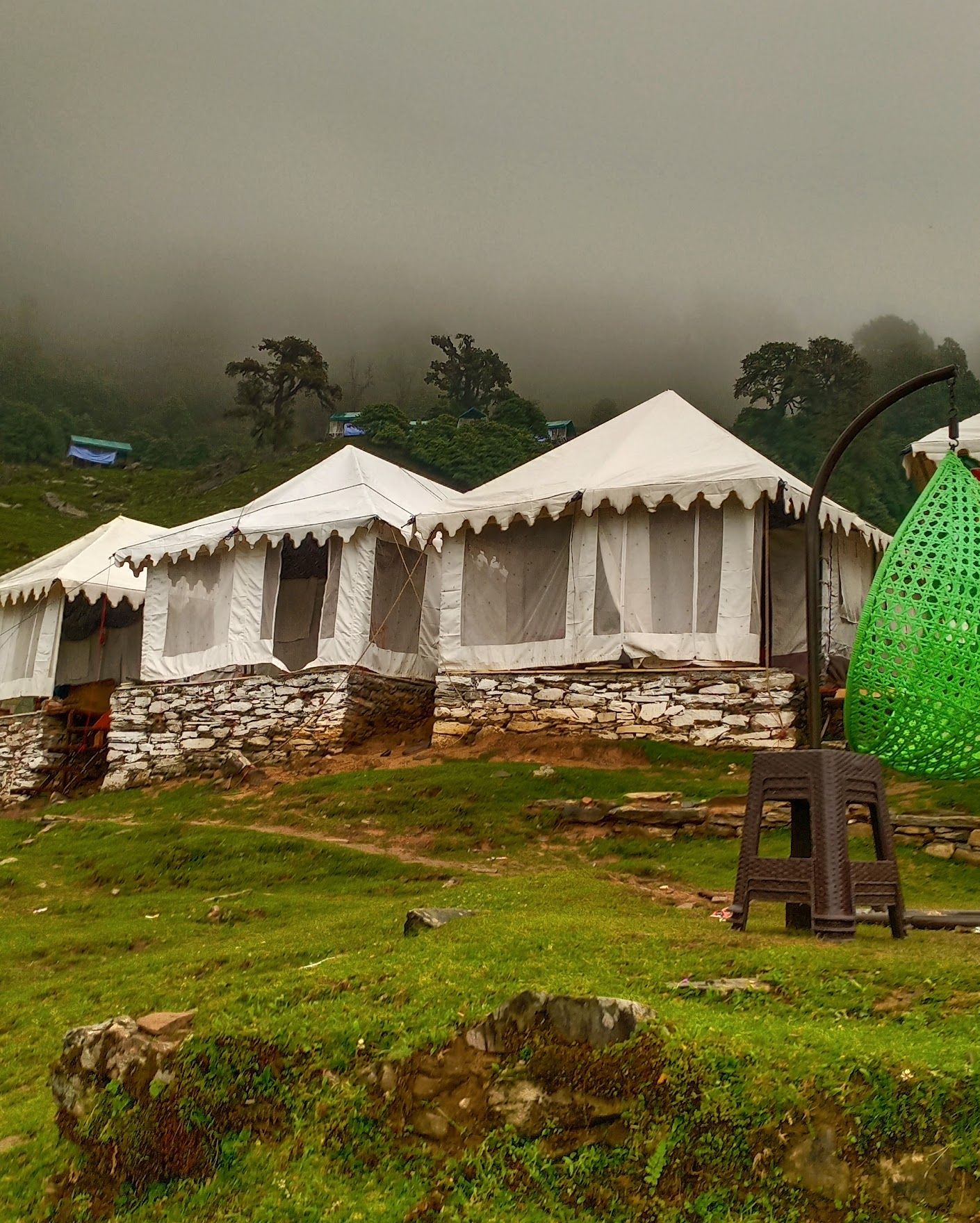
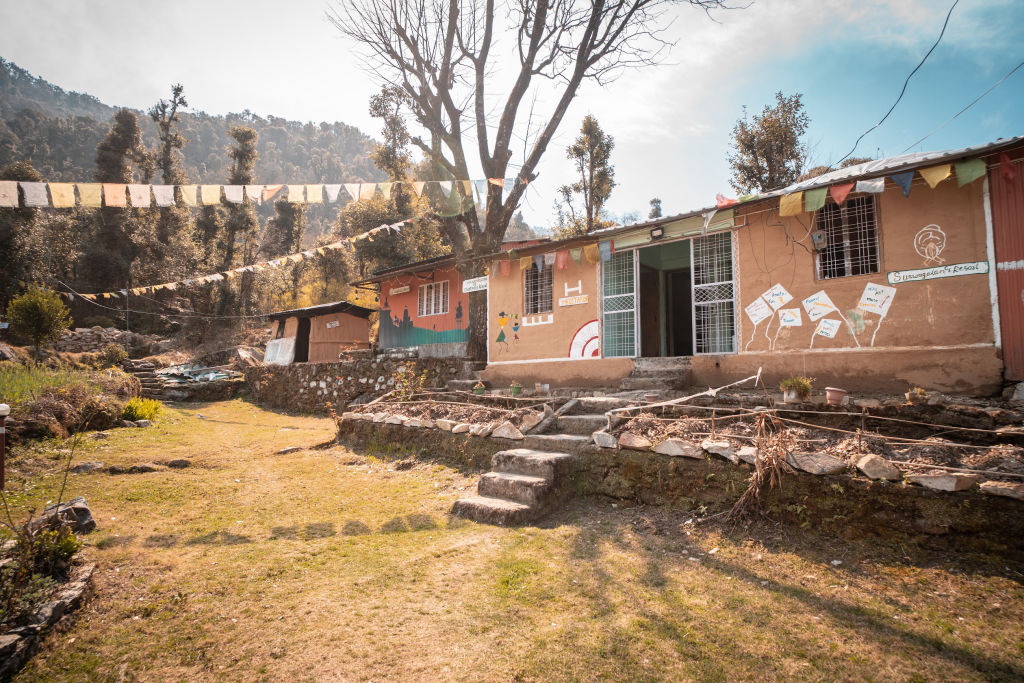
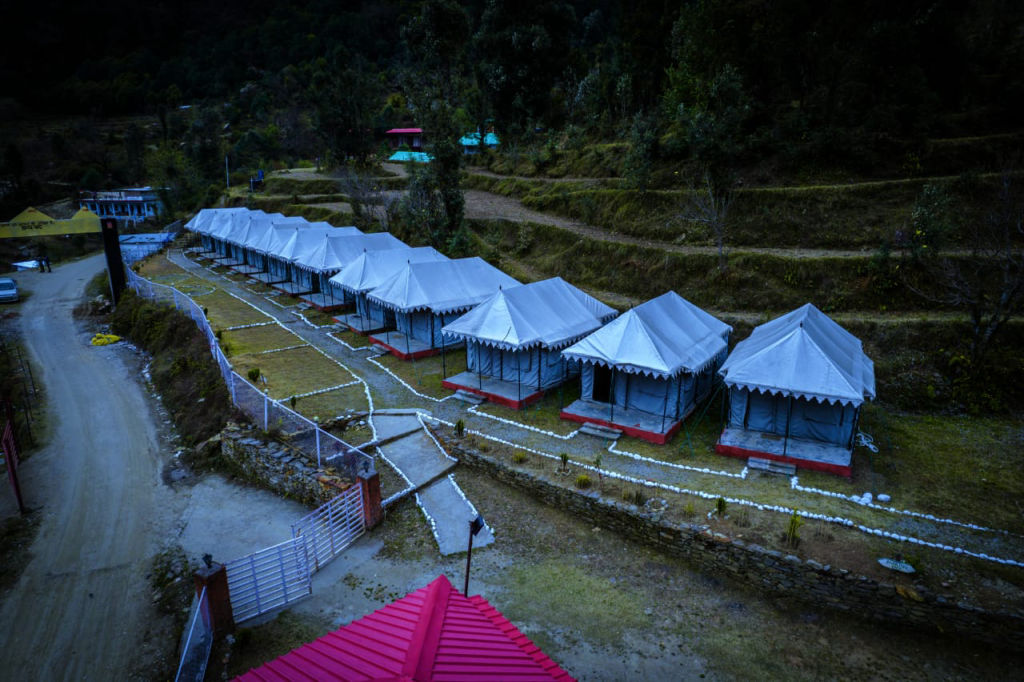
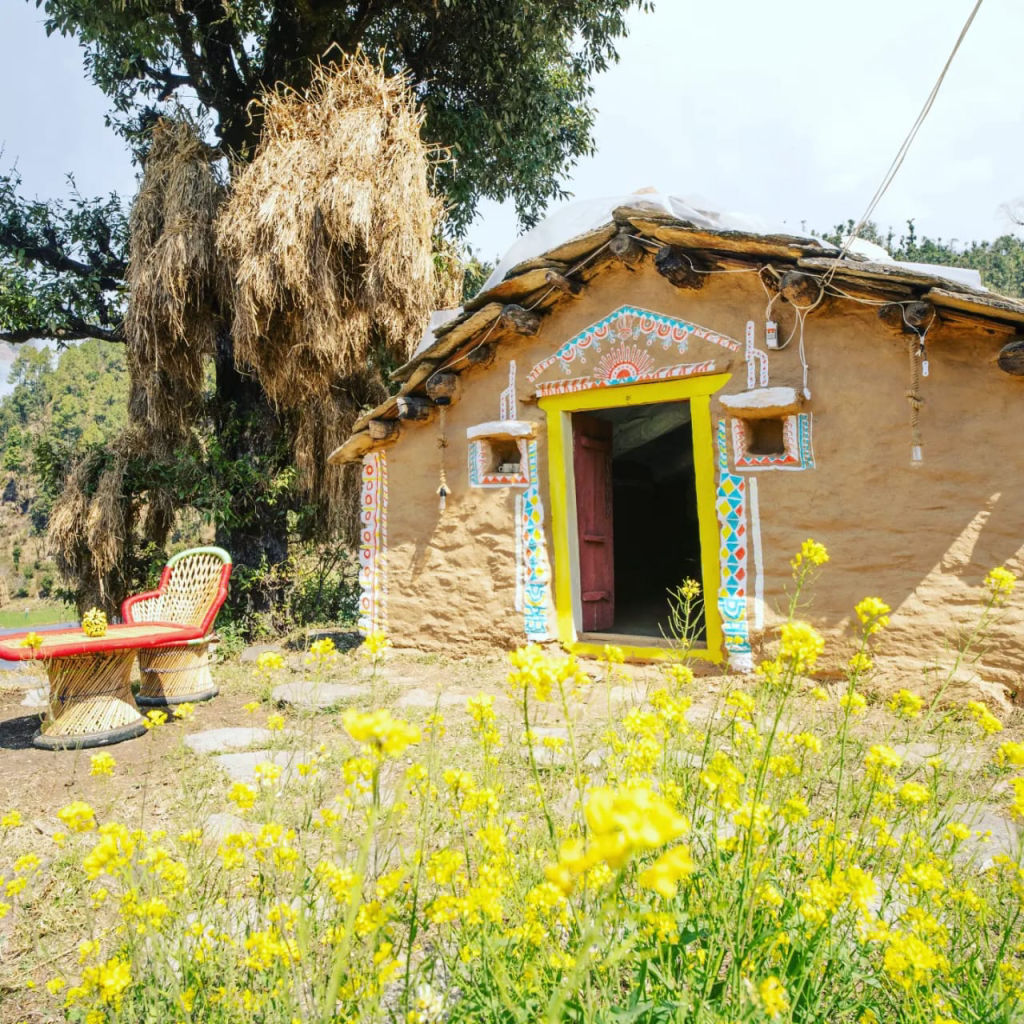
Gopeshwar offers a quieter, more relaxed environment than many of the busier transit towns along the national highway, making it an excellent base for a mountain getaway. Accommodations in the surrounding area range from welcoming village homestays to scenic outdoor camps set near pine groves and alpine meadows.
Choosing a homestay allows travellers to experience heartfelt Garhwali hospitality, authentic home-cooked meals prepared with local mountain grains, and genuine insight into daily village life. For travellers who prefer sleeping under the stars amidst alpine scenery, nature camps provide a direct connection to the outdoors. You can browse and book verified camps, homestays, and wilderness stays in and around Gopeshwar directly on HireACamp.
Frequently asked questions
Where is Gopinath Temple located?
Gopinath Temple is situated on Gopinath Mandir Marg in Gopeshwar, the administrative town of Chamoli district in Uttarakhand, India.
Which deity is worshipped at Gopinath Temple?
The temple is dedicated to Lord Shiva, who is worshipped here in the form of a Shiva lingam known as Gopinath.
What is special about the trident at Gopinath Temple?
The courtyard houses a massive ancient metal trident made of a resilient alloy, bearing ancient Sanskrit inscriptions linked to historical rulers, including King Anekmalla from the twelfth century.
What is the best time to visit Gopinath Temple?
The best months to visit are from March to June for pleasant weather and clear mountain views, and from September to November for crisp autumn skies. The temple remains open during winter as well.
What attractions can be explored near Gopinath Temple?
Nearby highlights include the river confluence at Nandaprayag, Kedarnath Musk Deer Sanctuary, Chopta Valley, Tungnath Temple, and panoramic viewpoints such as Chandrashila Peak.
Where you'll be
Gopinath Mandir Marg, Gopeshwar · 4 stays nearby shown with prices
Stays near Gopinath Temple
Book a place to stay close by
More places near Gopinath Temple
Within 20 km
Built from 0 Instagram posts by 0 creators. Every tip links back to the post it came from, and where creators disagree we show both sides.






