
Pangarchula Base Camp
Peak near Chamoli, Uttarakhand
1.7 km from Chamoli
The nearest town, for stays, food and fuel.
Pangarchula Base Camp is a high-altitude staging point nestled in the Garhwal Himalayas of Uttarakhand, near Pipalkoti. Serving as the primary launch pad for the demanding ascent of Pangarchulla Peak, it attracts trekkers and mountaineers eager to experience rugged alpine terrain and panoramic vistas of towering Himalayan summits. The campsite offers an immersive wilderness experience, surrounded by dense rhododendron forests, sprawling meadows, and dramatic snow-capped ridges.
Getting there
By road
- From ChamoliNearest town10 min · 2.8 km
- From Dehradun5 hr 5 min · 242 km
- From New Delhi8 hr 20 min · 454 km
- From Chandigarh8 hr 40 min · 411 km
Typical drive times without traffic. Stations and airports from OLA Maps; distances and typical drive times from OpenStreetMap (© OpenStreetMap contributors); notes from creators' Reels.
About Pangarchula Base Camp
Written with AI from map data and general knowledge. Check prices and timings locally before you go.
About Pangarchula Base Camp
Pangarchula Base Camp sits perched in the upper reaches of the Chamoli district in Uttarakhand, acting as the key rest and acclimatization point for adventurers attempting to summit Pangarchulla Peak. The peak is well regarded for its sharp, knife-edge ridge and challenging snow climbs, making the base camp a vital haven where climbers gather their strength, assess mountain weather, and prepare for alpine pushes.
The landscape around the base camp transitions dramatically across elevations. Lower sections of the approach route wind through dense canopies of oak, pine, and vibrant rhododendron, which eventually give way to sprawling bugyals, or alpine meadows, before terminating in broken scree, boulders, and deep snowfields. From the camp, on clear days, you are treated to sweeping views of legendary Garhwal giants, including Nanda Devi, Chaukhamba, Hathi Parvat, Dronagiri, and Trishul.
The Trek to Pangarchula Base Camp
The journey to Pangarchula Base Camp is physically engaging and considered moderately challenging. Trekkers typically make their way through scenic mountain settlements and alpine clearings such as Gulling and Khullara, gradually ascending as the tree line thins out. Along the way, the route offers breathtaking vantage points that overlook deep river valleys and high ridges.
As you climb higher, the trail demands steady footing, particularly where winter snow lingers or loose scree dominates the path. Reaching the base camp requires a sensible pace to acclimatize properly, as the sudden gain in altitude can affect even experienced hikers. Setting up camp here provides a serene, remote escape where the only ambient sounds are rushing mountain winds and the occasional calls of high-altitude birds.
Read more
Best Time to Visit
The ideal time to head to Pangarchula Base Camp largely depends on whether you seek snow climbing or milder alpine conditions. Spring, spanning from late March to early May, is arguably the most popular window. During this season, lower sections of the trail are aflame with scarlet and pink rhododendron blossoms, while the upper ridges and base camp remain blanketed in thick snow, offering classic winter trekking conditions under bright sunshine.
Autumn, running from late September through November, offers an entirely different atmosphere. The post-monsoon air is crisp and exceptionally clear, yielding razor-sharp views of the surrounding Himalayan massifs. While snow cover is minimal during autumn, night temperatures drop sharply below freezing. The summer monsoon months from July to August should generally be avoided, as heavy rainfall brings a high risk of landslides along mountain roads and makes the steep trails dangerously slick.
How to Reach the Region
The primary road gateway to Pangarchula Base Camp is the town of Pipalkoti in the Chamoli district, situated along the Badrinath highway. If you are arriving by train, the nearest major railhead is Rishikesh or Haridwar, from where shared taxis, private cabs, and state transport buses ply regularly up the Alaknanda river valley towards Joshimath and Pipalkoti.
Travellers flying in will find the Jolly Grant Airport in Dehradun to be the closest air transit hub. From Dehradun, road transport takes you along the winding mountain highways of Garhwal. Once in the Pipalkoti and Joshimath belt, local vehicles can take you to the relevant trailheads where footpaths climb into the alpine zone. Because mountain journeys can be subject to weather disruptions and road maintenance, it is wise to keep buffer days in your travel schedule.
Things to Do Around the Base Camp
Beyond preparing for the summit push of Pangarchulla Peak, spending time at Pangarchula Base Camp offers many quiet rewards. The vast open skies make it an extraordinary location for stargazing, where the Milky Way and constellations appear with startling clarity away from city light pollution. Photographers will find endless inspiration during the golden hours of sunrise and sunset, when early light paints the high Himalayan peaks in vivid hues of gold and amber.
The surrounding meadows and forest fringes are also prime territory for observing wildlife and high-altitude birds. Trekkers often spot species like the Himalayan monal, lammergeier, and laughingthrushes, along with high-altitude flora that survives in extreme microclimates. Taking slow walks around the plateau allows you to soak in the sheer scale of the Garhwal range without the pressure of a summit clock.
Tips for Trekking and Camping
Venturing into high-altitude terrain requires thoughtful preparation and self-reliance. Temperatures at Pangarchula Base Camp drop drastically once the sun sets, frequently dipping below freezing even in the warmer months. Layering is essential: carry high-quality thermal base layers, a fleece, a windproof down jacket, and waterproof outerwear. Sturdy, waterproof trekking boots with good ankle support are a necessity, especially when negotiating snow or loose rocks.
Hydration and steady nourishment are critical to avoiding acute mountain sickness. Drink plenty of water throughout the ascent, and avoid rushing your pace. There are no commercial shops or medical facilities once you leave the road-head villages, so carry a well-stocked first-aid kit along with personal medications. Always follow Leave No Trace principles by carrying all non-biodegradable waste back down to the valley for proper disposal.
Places to Explore Nearby
The broader Garhwal belt surrounding Pipalkoti is packed with natural and cultural landmarks that can easily be woven into an extended itinerary. To the west lies the picturesque Chopta Valley, often used as the base for treks to Tungnath, the highest Shiva temple in the world, and the neighbouring Chandrashila Peak. The area is also flanked by the Kedarnath Musk Deer Sanctuary, an expansive reserve harbouring rich Himalayan wildlife.
Further down the valley, cultural stops include the historic confluences and shrines such as the Karan Mandir in Karanprayag and the Mata Uma Devi Mandir. Travellers who enjoy tranquil water bodies can visit Diur Tal, while those exploring riverside stretches will appreciate the swift, clear currents of the Pindar River. High-ridge viewpoints like Kartik Swami Temple also provide rewarding day excursions in the district.
Where to Stay
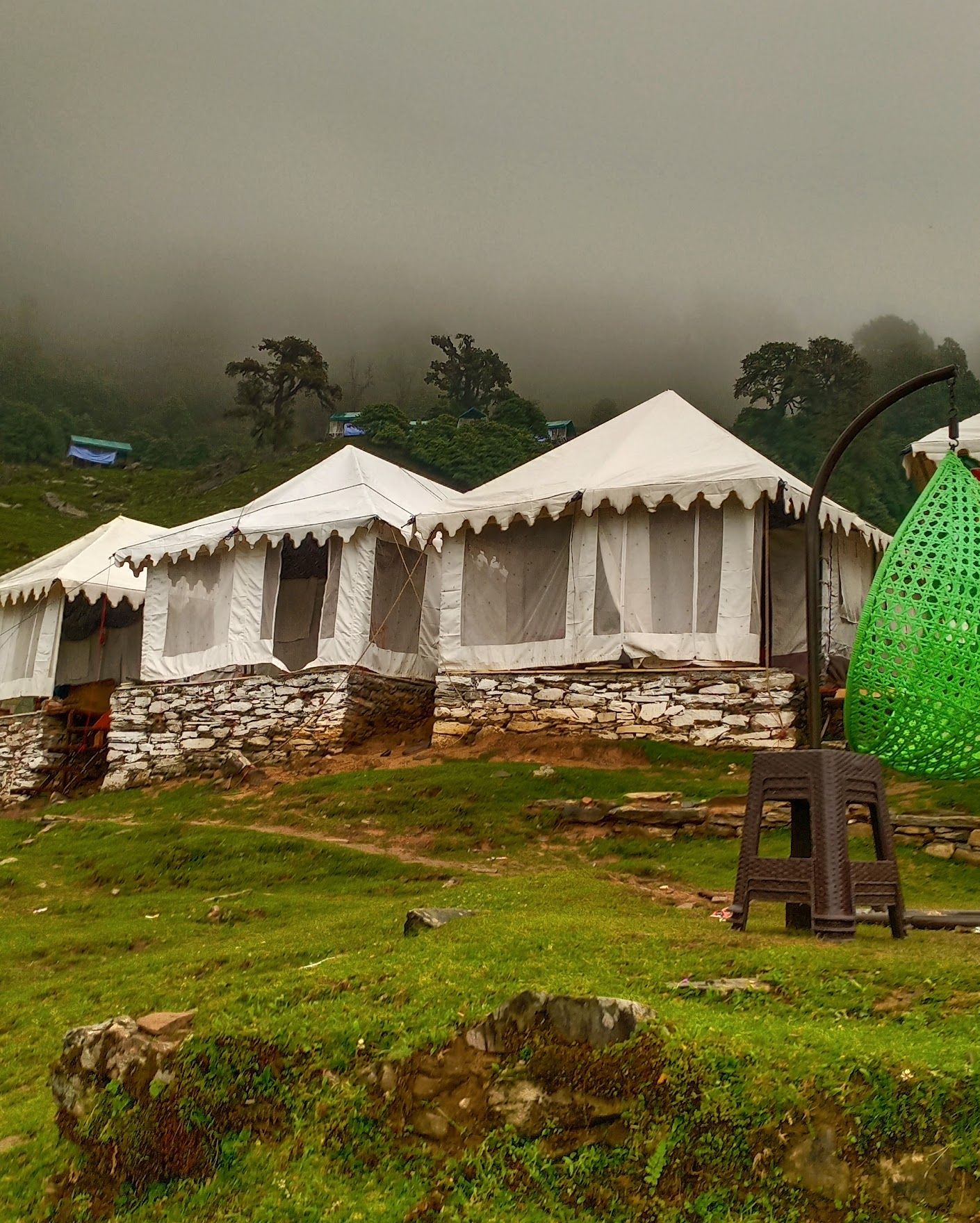
While at Pangarchula Base Camp, accommodation is entirely in personal or expedition tents pitched on the alpine clearings. Trekkers must rely on camping gear brought up from the valley, ensuring tents are securely anchored against strong mountain winds.
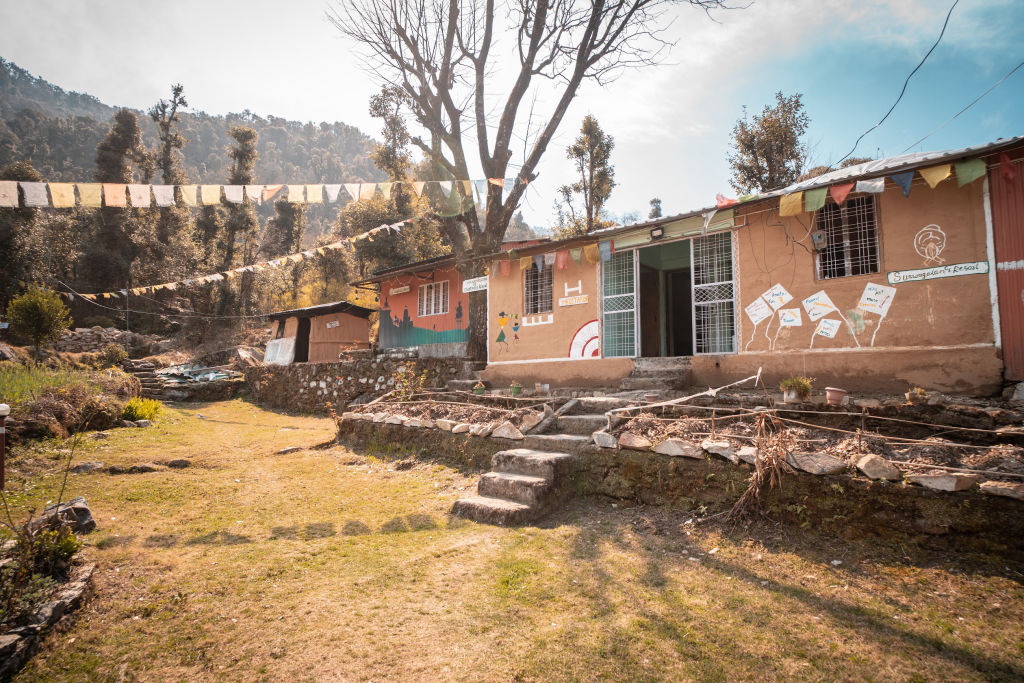
For nights before and after the trek, the valley towns of Pipalkoti, Joshimath, and neighbouring settlements provide comfortable places to rest. You can find riverside camps, traditional village homestays, and rustic mountain lodges listed on HireACamp. Staying locally before setting out allows you to rest after a long road trip and acclimatize to the mountain air before heading higher up the trail.
Frequently asked questions
Where is Pangarchula Base Camp located?
Pangarchula Base Camp is located in the Chamoli district of Uttarakhand in the Garhwal Himalayas, accessible via trailheads near Pipalkoti and Joshimath.
What is the best time of year to visit Pangarchula Base Camp?
The best seasons are spring from late March to May for snow-covered landscapes and rhododendron blooms, and autumn from late September to November for crystal-clear mountain views.
How difficult is the trek to the base camp?
The trek is rated as moderately challenging, requiring good physical stamina, proper acclimatization, and suitable gear to manage steep ascents and uneven alpine trails.
Are there permanent stays or facilities at Pangarchula Base Camp?
No, there are no permanent buildings or commercial stalls at the base camp; visitors must camp in self-carried or guided expedition tents and carry all necessary provisions.
What peaks are visible from around the camp?
On clear days, visitors can view major Himalayan peaks including Nanda Devi, Chaukhamba, Hathi Parvat, Dronagiri, and Trishul from the surrounding ridges.
Where you'll be
2 stays nearby shown with prices
Stays near Pangarchula Base Camp
Book a place to stay close by
More places near Pangarchula Base Camp
Within 20 km
Built from 0 Instagram posts by 0 creators. Every tip links back to the post it came from, and where creators disagree we show both sides.






