
Rudranath
Temple near Gopeshwar, Uttarakhand
7.5 km from Gopeshwar
The nearest town, for stays, food and fuel.
Rudranath is a revered Himalayan temple situated in the Chamoli district of Uttarakhand, celebrated as the fourth shrine in the sacred Panch Kedar pilgrimage. Dedicated to Lord Shiva, the temple sits secluded within a natural stone sanctum surrounded by alpine meadows and thick rhododendron forests. Adventurous pilgrims and trekkers undertake the journey to experience its raw mountain setting and panoramic views of Himalayan peaks like Nanda Devi and Trishul.
Getting there
By road
- From GopeshwarNearest town1 hr 15 min · 20 km
- From Dehradun6 hr 15 min · 268 km
- From New Delhi9 hr 30 min · 480 km
- From Chandigarh9 hr 55 min · 437 km
Typical drive times without traffic. Stations and airports from OLA Maps; distances and typical drive times from OpenStreetMap (© OpenStreetMap contributors); notes from creators' Reels.
About Rudranath
Written with AI from map data and general knowledge. Check prices and timings locally before you go.
The Legend and Heritage of Rudranath
Rudranath holds a singular place in Himalayan spiritual traditions as the fourth temple of the revered Panch Kedar circuit. According to ancient Hindu belief, the Pandavas sought the blessings of Lord Shiva to atone for the bloodshed of the Mahabharata war. Shiva took the form of a celestial bull to evade them, diving into the earth and remanifesting in different parts across the Garhwal Himalayas. At Rudranath, the face of the deity, known as Neelkanth Mahadeva, emerged from the ground.
Unlike traditional stone-carved temples with towering spires, Rudranath is housed inside a natural rock shelter. The idol is worshipped in its natural rock form, draped in sacred cloths and surrounded by pristine alpine flora. Throughout the warmer months, priests conduct daily rituals before the shrine is ceremoniously closed for the cold winter, when the deity's symbolic palanquin travels down to the Gopinath Temple in Gopeshwar for the snowy season.
The Trek to Rudranath
Reaching Rudranath requires a sustained multi-day foot journey, often regarded as one of the most physically demanding among the Panch Kedar treks. The most common trail begins at Sagar village, located a short drive uphill from Gopeshwar. From the trailhead, the path climbs relentlessly through deep forests of oak, pine, and rhododendron, crossing bubbling streams and rocky steps before eventually rising above the tree line.
As the forest recedes, the trail opens into expansive alpine grasslands, with the sprawling meadow of Panar Bugyal serving as a primary midway plateau. Further up, hikers cross the high-altitude pass at Pitradhar, marked by stone markers and prayer bells where travellers historically pay homage to their ancestors. From Pitradhar, the trail levels out across rolling ridges before making a gradual descent into the sheltered valley where the shrine of Rudranath rests. The journey offers unobstructed panoramas of towering snow peaks, including Nanda Devi, Trishul, and Nanda Ghunti.
Read more
Best Time to Visit Rudranath
The window for visiting Rudranath opens in late May and typically extends until mid-to-late October. During the late spring and early summer months of May and June, the weather is pleasant during the day, snow recedes from the passes, and the rhododendron trees are in full bloom, splashing vibrant shades of red and pink across the valleys.
July and August bring the monsoon rains to the Garhwal region. While the meadows turn a lush, emerald green during this time, the trail becomes notoriously slippery, and leeches inhabit the lower forest zones. Landslides along mountain roads are also more common during the heavy rains. September and October are widely considered prime months for the trek, as the skies clear out to reveal crisp mountain views, stable daylight weather, and cooler, crisp nights. By November, extreme cold and heavy snowfall render the trail inaccessible until the following spring.
How to Reach Rudranath
The overland journey to Rudranath begins in the plains of Uttarakhand, with the major transit hubs of Rishikesh and Haridwar serving as the entry points for train and bus travellers. The nearest domestic airport is Jolly Grant Airport in Dehradun. From these hubs, visitors drive up along the course of the holy rivers through Devprayag, Srinagar, and Rudraprayag, continuing toward the town of Chamoli and further up to Gopeshwar.
Gopeshwar and the adjacent village of Sagar serve as the primary roadheads for the trek. Regular buses and shared regional taxis run along the main highway corridors connecting Rishikesh and Haridwar to Chamoli and Gopeshwar. From Sagar, all vehicular roads end, and the remainder of the journey must be completed on foot or with the assistance of local mule handlers.
Places to Explore Nearby
The upper reaches of Chamoli and the neighbouring Rudraprayag district are rich in wilderness and spiritual landmarks. Nearby lies the Kedarnath Musk Deer Sanctuary, an expansive protected wildlife habitat that blankets high-elevation valleys and provides crucial shelter to rare Himalayan musk deer, leopards, and diverse bird species.
Travellers interested in exploring further along the Panch Kedar trail can head toward Chopta and the Tungnath Temple, situated along neighbouring ridgelines. Tungnath is the highest Shiva shrine in the world, crowned above by the accessible summit of Chandrashila Peak, which affords 360-degree views of the Garhwal range. Down in the valley, Nandaprayag marks the scenic confluence of the Alaknanda and Mandakini rivers, serving as a tranquil resting point along the primary pilgrimage artery.
Tips for Your Visit to Rudranath
Because of the sheer length of the ascent and the remote high-altitude terrain, good physical fitness and endurance are essential before attempting the Rudranath trek. Acclimatisation should not be overlooked; give yourself adequate time to adjust to the elevation and climb at a steady, measured pace to avoid altitude sickness.
Packing requires careful preparation. Even in peak summer, nighttime temperatures drop rapidly in the high meadows, so warm layered clothing, windproof jackets, and thermal wear are indispensable. Carry a reliable pair of broken-in trekking boots with sturdy ankle support, waterproof rain gear, a headlamp, personal medication, and water-purifying tablets or a filter. Remember that mobile connectivity is extremely limited or non-existent once you leave Sagar village, and electricity is scarce, so bring high-capacity power banks and sufficient cash for meals along the path.
Where to Stay around Rudranath
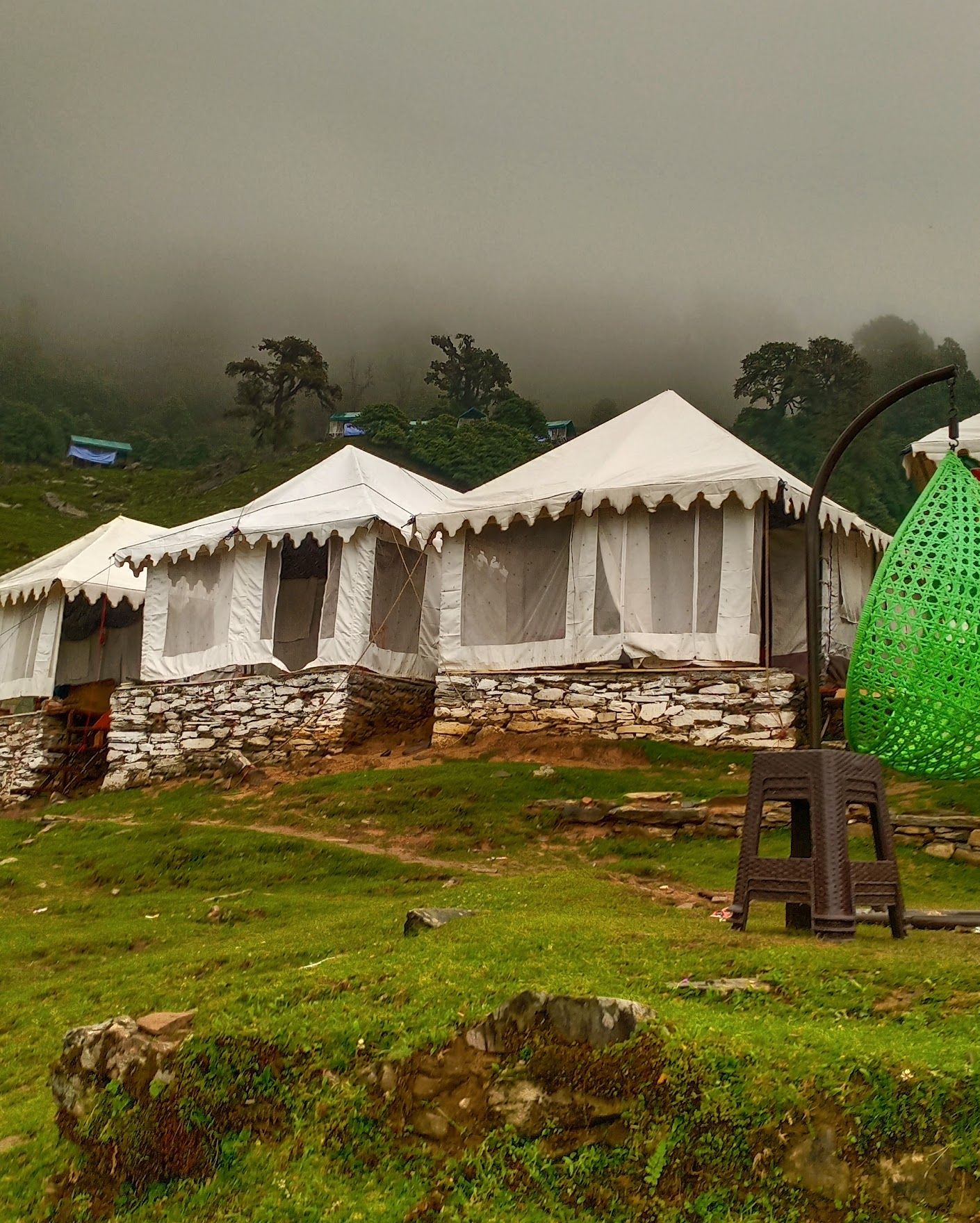
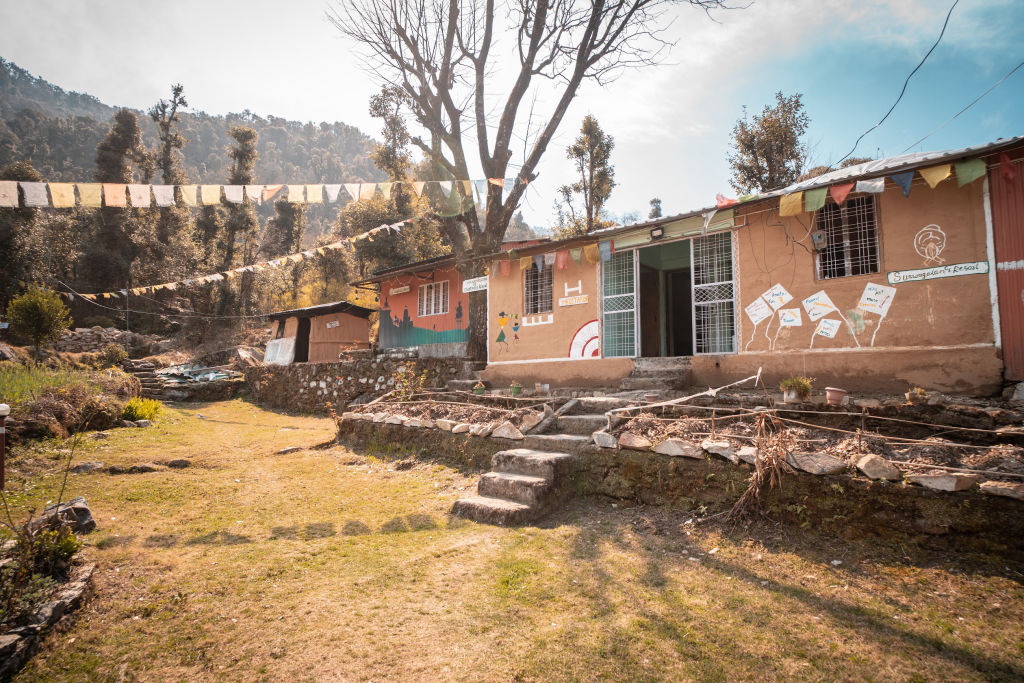
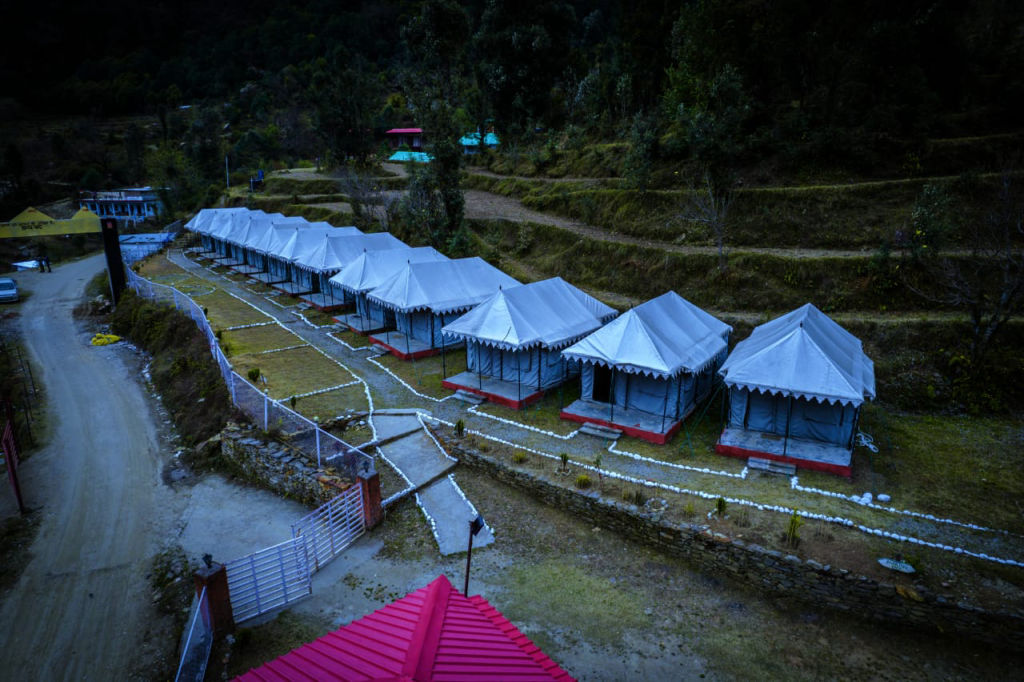
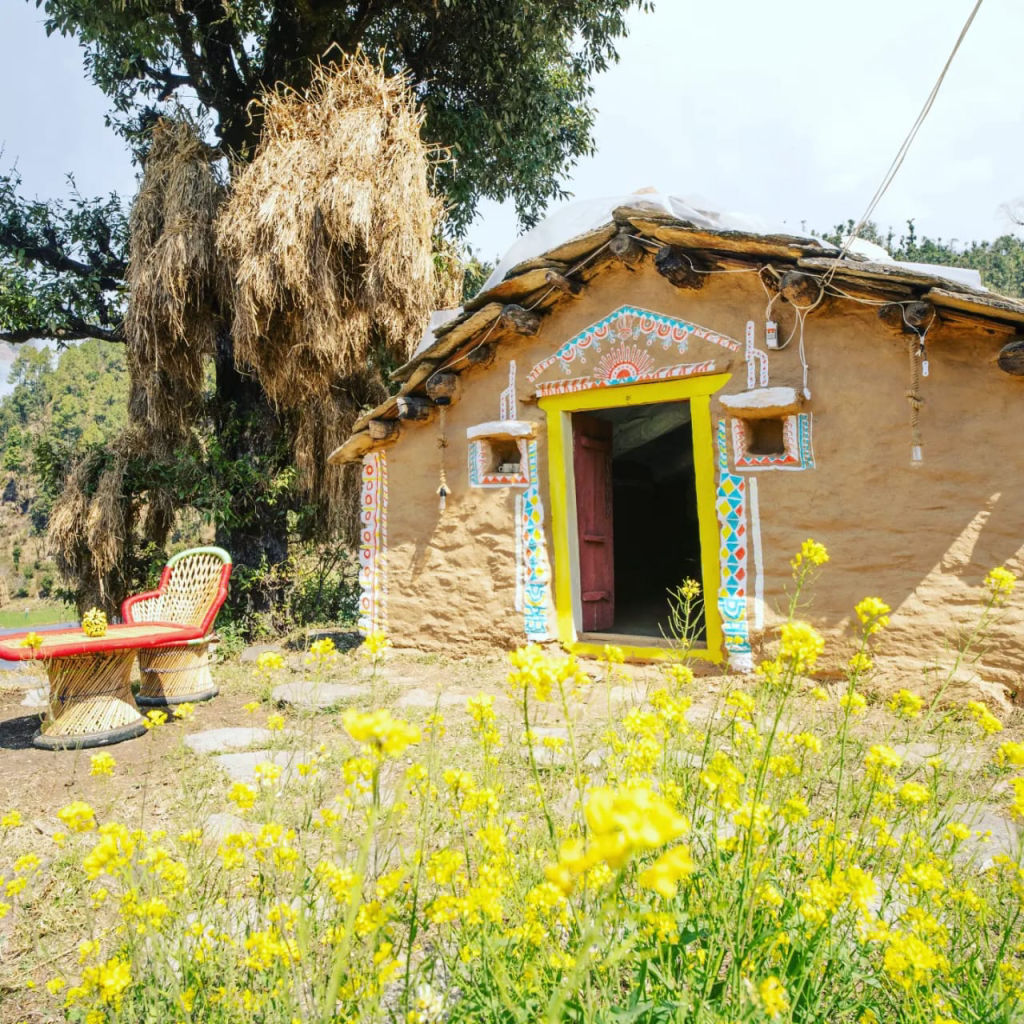
Along the trekking path, accommodation is basic and rustic. Simple pilgrim shelters, basic community huts, and seasonal tent encampments operate at key halting points like Panar Bugyal and near the temple complex itself. These setups provide basic bedding and warm home-cooked dal and rice to travellers traversing the remote trail.
For comfortable lodging before and after the trek, the towns of Gopeshwar, Chamoli, and the scenic settlements around Chopta offer far more established choices. You can explore and book suitable riverside camps, nature homestays, and rustic mountain cabins in the surrounding valleys through HireACamp to create a comfortable base for your Himalayan excursion.
Frequently asked questions
How difficult is the trek to Rudranath?
The trek to Rudranath is considered moderately difficult to strenuous due to its steep climbs, rocky terrain, and significant gain in altitude over roughly twenty kilometres of walking.
Can I visit Rudranath in winter?
No, the temple remains closed during winter because heavy snowfall blankets the trails and high-altitude meadows. The deity's ceremonial idol is moved to Gopeshwar for worship during the cold months.
Where does the trek to Rudranath begin?
The most standard and popular starting point for the trek is Sagar village, located approximately five kilometres from the town of Gopeshwar in Chamoli district.
Is mobile network available along the Rudranath trail?
Mobile network connectivity is very poor and drops off almost completely shortly after beginning the hike from Sagar village. It is best to notify family and colleagues before you start the trek.
Where you'll be
Chamoli · 4 stays nearby shown with prices
Stays near Rudranath
Book a place to stay close by
More places near Rudranath
Within 20 km

Built from 0 Instagram posts by 0 creators. Every tip links back to the post it came from, and where creators disagree we show both sides.






