
Kedarnath Musk Deer Sanctuary
Wildlife sanctuary near Tungnath, Uttarakhand
1.2 km from Tungnath
The nearest town, for stays, food and fuel.
Kedarnath Musk Deer Sanctuary is a sprawling protected reserve situated across the Chamoli and Rudraprayag districts of Uttarakhand. Established primarily to conserve the endangered Himalayan musk deer, it covers a dramatic elevation gradient ranging from moist temperate woodlands to rugged alpine meadows and glaciated ridges. Travellers and nature enthusiasts come here to experience unspoilt Himalayan wilderness, spot rare montane wildlife, and trek through serene valleys framed by towering snow peaks.
Getting there
By road
- From TungnathNearest town1 min · 500 m
- From Dehradun5 hr 5 min · 247 km
- From New Delhi8 hr 20 min · 459 km
- From Chandigarh8 hr 45 min · 416 km
Typical drive times without traffic. Stations and airports from OLA Maps; distances and typical drive times from OpenStreetMap (© OpenStreetMap contributors); notes from creators' Reels.
About Kedarnath Musk Deer Sanctuary
Written with AI from map data and general knowledge. Check prices and timings locally before you go.
Landscape and wildlife of Kedarnath Musk Deer Sanctuary
Spread across the rugged upper catchment of the Alaknanda and Mandakini river basins, Kedarnath Musk Deer Sanctuary is one of the largest protected areas in the Western Himalayas. Its topography rises steeply from river valleys cloaked in broadleaf forests to rocky summits and permanent snowfields. The vegetation transitions through distinct zones, beginning with dense stands of oak, chir pine, and horse chestnut at lower altitudes, moving into thick rhododendron and Himalayan birch woods, and culminating in high-altitude bugyals, or alpine meadows, that carpet the slopes during the warm months. The sanctuary was created primarily to protect the Himalayan musk deer, a shy and solitary ungulate adapted to steep, craggy terrain. In addition to the musk deer, these high-altitude forests and crags provide sanctuary to a diverse community of Himalayan mammals, including the Himalayan tahr, barking deer, serow, common leopard, snow leopard at the highest fringes, and the Asiatic black bear. Birdwatchers will find an exceptional diversity of montane avifauna, ranging from the resplendent Himalayan monal and koklass pheasant to raptors like the golden eagle and bearded vulture soaring above the tree line.
Trekking and outdoor exploration
Unlike heavily manicured wildlife parks, Kedarnath Musk Deer Sanctuary is an expansive mountain ecosystem best explored on foot along designated paths and ancient shepherd trails. Walking through the forest paths allows visitors to appreciate the subtleties of the terrain, from moss-laden boughs and clear mountain brooks to sudden clearings that open up expansive vistas of the Garhwal Himalaya. Trekking routes cross parts of the sanctuary towards alpine vantage points and high-altitude settlements, offering deep immersion into nature away from vehicular noise. Because the terrain is predominantly steep and wild, exploration here requires steady footing and basic trail awareness. Walking silently early in the morning through the temperate forest belts significantly improves your chances of observing wildlife, particularly ground-dwelling birds like pheasants and foraging ungulates along forested slopes. Visitors should note that specific zones within the reserve may have access restrictions to protect sensitive breeding grounds, so local trail guidance and forest administration regulations should always be confirmed beforehand.
Read more
Best time to visit Kedarnath Musk Deer Sanctuary
The sanctuary experiences distinct seasons dictated by altitude, with the most favourable travel windows occurring in spring and autumn. From April to June, temperatures are pleasant, snow melts from all but the highest passes, and the rhododendron forests burst into vivid shades of red, pink, and white. This is an ideal period for day hiking, birdwatching, and enjoying clear mornings before afternoon clouds gather over the ridges. The monsoon season between July and August brings heavy downpours to the Garhwal region, turning the alpine pastures vibrant green and coaxing hundreds of wild alpine flowers into bloom. However, the rains also bring increased risks of landslides, slick trails, and road disruptions along mountain highways, requiring caution and flexible planning. Autumn, spanning September to November, brings settled weather, remarkably crisp air, and exceptional visibility of distant Himalayan peaks. Winter arrives by late November, cloaking the upper reaches of the sanctuary in thick snow and pushing many wildlife species to lower forested slopes; while cold and demanding, early winter offers quiet landscapes for well-prepared travellers.
How to reach Kedarnath Musk Deer Sanctuary
The sanctuary is accessible via mountain highways winding through Uttarakhand, with Ukhimath and nearby valley settlements serving as convenient transit bases. The nearest major railhead is located at Rishikesh and Yog Nagari Rishikesh, while the nearest airport is Jolly Grant Airport in Dehradun. From either Rishikesh, Haridwar, or Dehradun, road journeys head northward along the Mandakini and Alaknanda corridors through Devprayag and Rudraprayag before ascending towards the sanctuary boundaries. Public buses and shared mountain taxis operate regularly from Rishikesh and Haridwar towards Rudraprayag and Ukhimath, though travel can take several hours depending on traffic and weather conditions along the mountain roads. Driving yourself or hiring a private vehicle offers greater flexibility to manage stops along the winding highway. Because high-altitude roads can be subject to delays from seasonal roadwork or weather events, it is best to allocate ample driving time and begin travel legs early in the day.
Places to visit around the sanctuary
The surrounding landscape of Chamoli and Rudraprayag districts offers a rich mixture of natural wonders and cultural heritage. The temple town of Ukhimath sits nearby and is known as the winter seat of the Kedarnath deity, housing ancient shrines and providing broad views of the valley. Further along the mountain routes lies the expansive Chopta Valley, famous as a gateway for high-altitude trekking toward Chandrashila and Tungnath. To the northwest, the revered pilgrimage site of Kedarnath Dham and the pristine glacial waters of Vasuki Tal nestle high in the peaks. Down in the river valleys, the sacred confluence at Rudraprayag Sangam View Point marks the meeting point of the Alaknanda and Mandakini rivers, flanked by ancient riverside shrines such as Koteshwar Mahadev. Travellers interested in mythology and historic stone architecture can also explore the historic Triyuginarayan Temple, renowned for its eternal flame, as well as picturesque mountain lakes like Badhani Tal tucked into the forested ridges.
Tips for your visit
Travelling within high-elevation sanctuary terrain requires mindful preparation. Dress in adaptable layers, as weather conditions in the Garhwal mountains can change rapidly from warm sunshine to brisk winds and sudden rain. Sturdy, broken-in trekking footwear with dependable grip is essential for walking on rocky, root-strewn, or damp forest trails. Always carry a refillable water bottle, energy-dense snacks, and basic personal medical supplies, as facilities inside the sanctuary area are minimal. Respect the wilderness environment by staying strictly on established paths, keeping noise levels low to avoid distressing wildlife, and carrying out all waste, especially non-biodegradable plastics. Always check local weather reports and road advisories before heading out, and verify any entry requirements, photography regulations, or permit needs with local forest check-posts or authorities upon arrival.
Where to stay near Kedarnath Musk Deer Sanctuary
While overnight accommodation is generally not permitted inside the core wilderness areas of the sanctuary to minimise human disturbance, there are numerous suitable lodging options in the surrounding towns and valleys. Base communities like Ukhimath, Chopta, and small settlements bordering the reserve offer peaceful settings amidst terraced farms and pine groves. You can find authentic homestays, nature retreats, and eco-friendly campsites through HireACamp, providing an authentic way to experience local Garhwali hospitality and rural mountain culture. Staying in these nearby villages allows you to make convenient day trips to the sanctuary trails while enjoying warm home-cooked meals and stargazing under unpolluted Himalayan night skies.
Frequently asked questions
Can visitors actually spot musk deer in the sanctuary?
While Himalayan musk deer inhabit the sanctuary, they are naturally solitary, nocturnal, and extremely cautious, making sightings rare. Early morning trail walks in quieter, higher forest zones offer the best possibility of spotting them or their tracks.
What kind of clothing should I pack for a visit?
Pack versatile layers including thermal base layers, a fleece, a windproof and water-resistant outer jacket, and sturdy trekking shoes. Mountain temperatures drop sharply after sunset, even during the warmer summer months.
Do I need a permit to enter Kedarnath Musk Deer Sanctuary?
Certain trekking routes and protected sections within the sanctuary may require entry permits or registration with the local forest department. Inquire locally at the forest check-posts or administrative offices in nearby towns before entering.
Which is the nearest major town to the sanctuary?
Ukhimath is the closest key town to Kedarnath Musk Deer Sanctuary, providing basic services, transit options, and road access into the surrounding forest areas.
Where you'll be
Chamoli Sub-District · 4 stays nearby shown with prices
Stays near Kedarnath Musk Deer Sanctuary
Book a place to stay close by
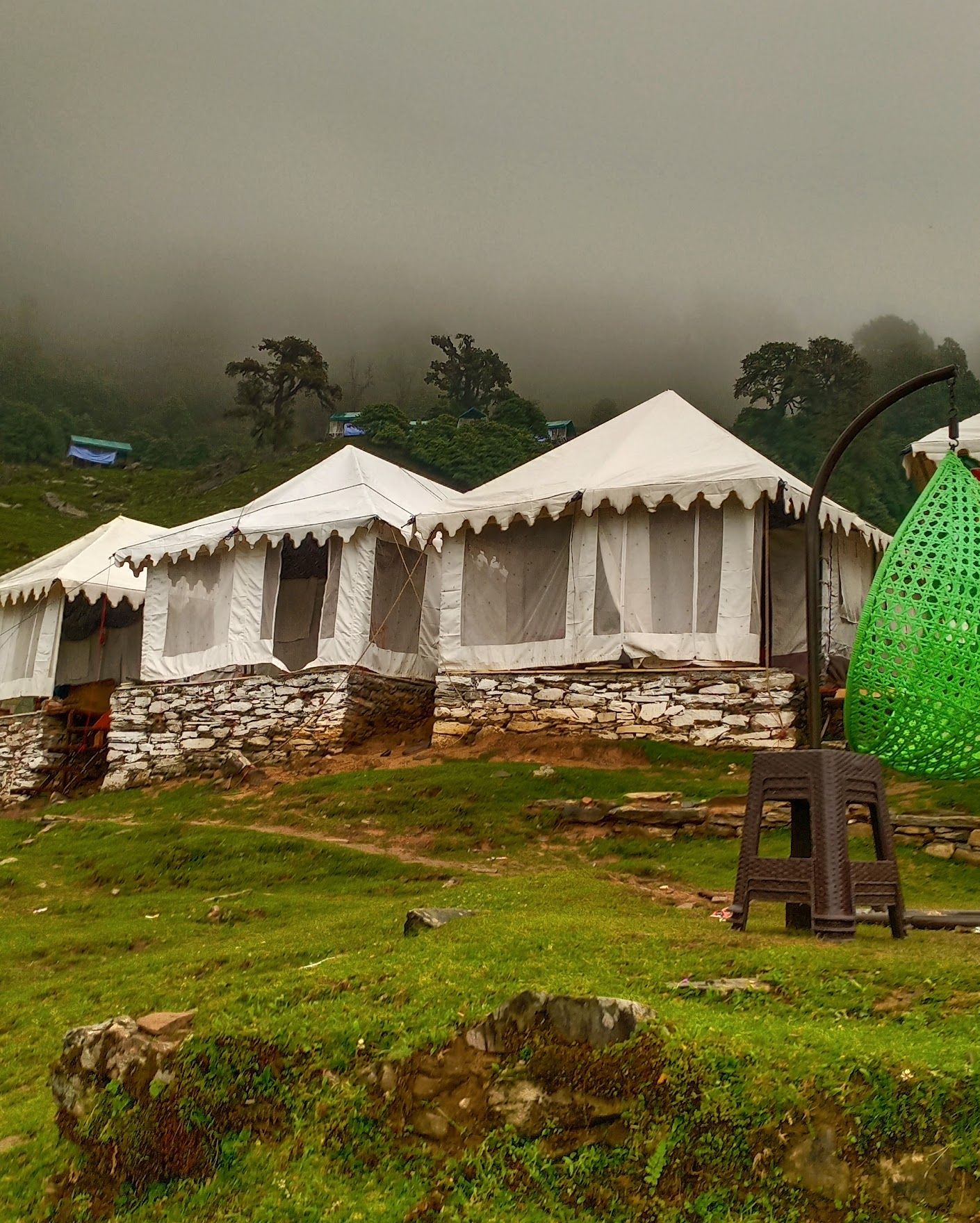
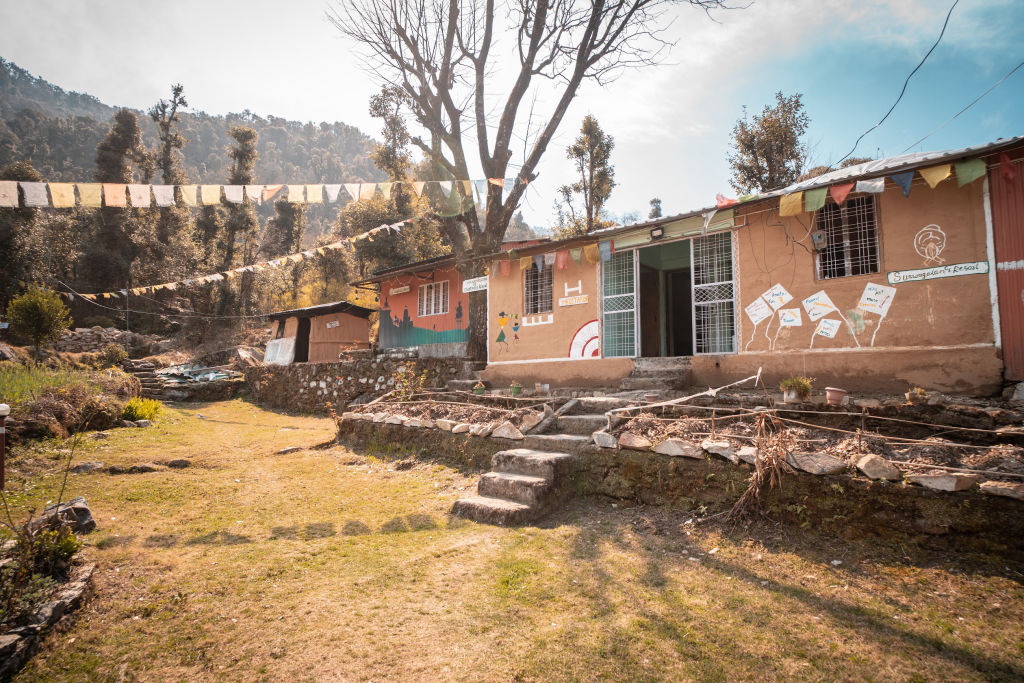
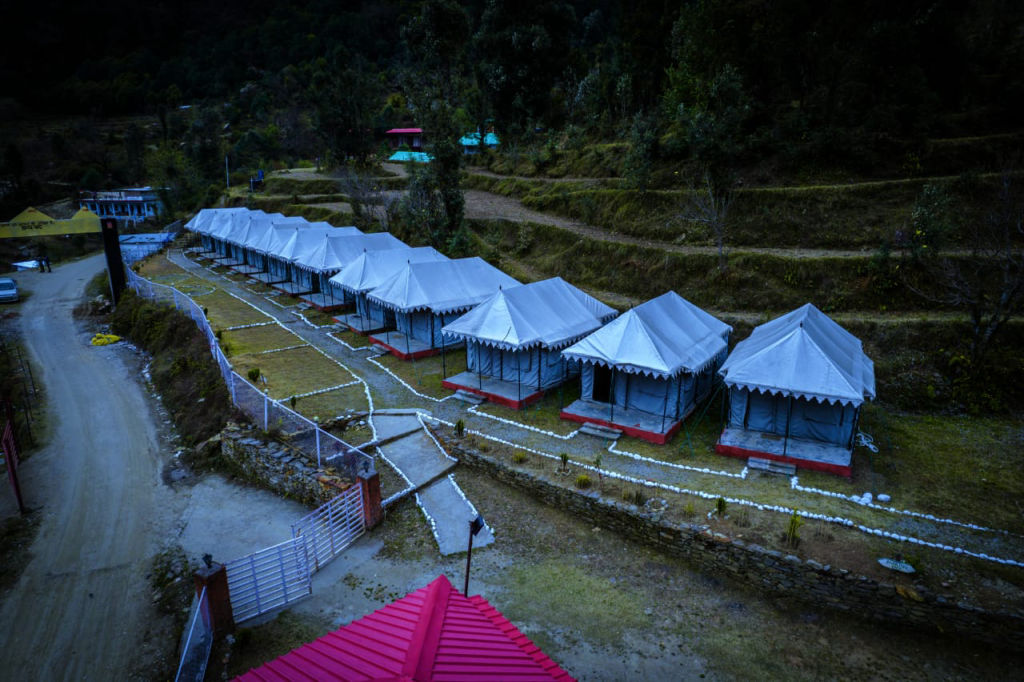
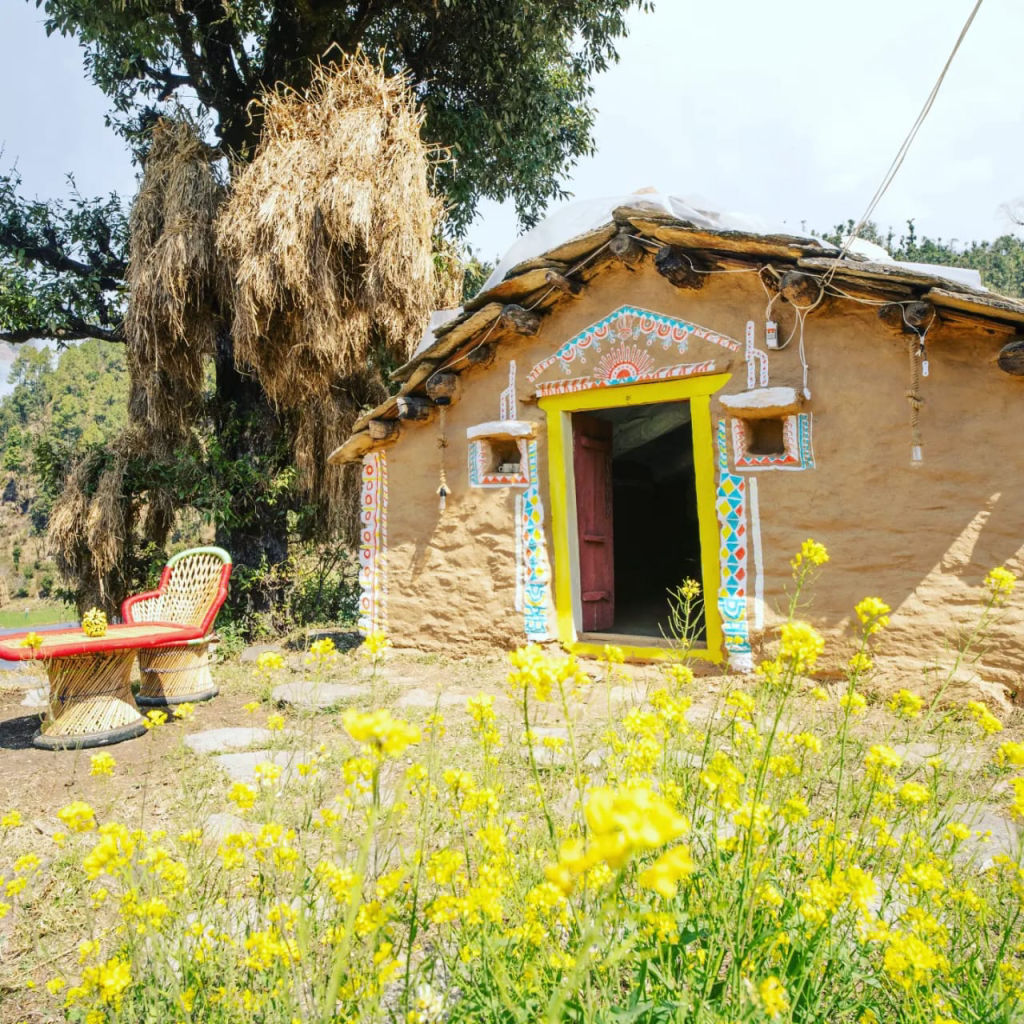
More places near Kedarnath Musk Deer Sanctuary
Within 20 km

Built from 0 Instagram posts by 0 creators. Every tip links back to the post it came from, and where creators disagree we show both sides.






